
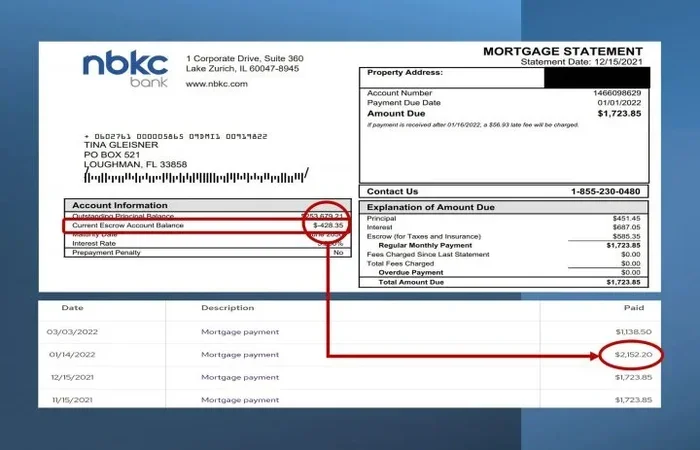
Removing escrow from your mortgage can lower your monthly payment, but lenders have strict rules. You usually need enough equity, a clean payment history, and a loan that is not government-backed. We will walk you through the process, what to expect, and when it makes sense to ask.
Many homeowners ask the same question: how do I remove escrow from my mortgage. It is a fair question. An escrow account can make your monthly payment feel heavier. It holds money for property taxes and homeowners insurance. When you remove it, your payment may drop. But the rules are not simple. Lenders want to protect their interest in your home. They also want to make sure taxes and insurance get paid. In this guide, we will break it down in plain language. You will learn what escrow does, when you can cancel it, and how to ask the right way.
Before you start, it helps to know that not every loan qualifies. Some loans require escrow by law or by investor rules. Other loans let you cancel after you meet certain conditions. The process also depends on your lender, your location, and your payment history. If you are feeling overwhelmed, you are not alone. Many people only realize how escrow works after they already own the home. The good news is that you can often change it if you plan ahead and follow the steps.
Key Takeaways
- Equity matters: Most lenders want at least 20% equity before you can cancel escrow.
- Loan type counts: Conventional loans are easier to adjust than FHA or VA loans.
- Payment history helps: A record of on-time payments improves your chances.
- Taxes and insurance stay due: You must still pay property taxes and homeowners insurance on time.
- Lender rules vary: Always check your servicer guidelines and written requirements.
- PMI removal is different: Private mortgage insurance can sometimes be removed separately from escrow.
- Budget for surprises: Without escrow, you handle large bills yourself, so plan ahead.
📑 Table of Contents
- What Escrow Actually Does for Your Mortgage
- When You Can Ask to Remove Escrow
- How Do I Remove Escrow From My Mortgage: Step by Step
- What Changes After Escrow Is Removed
- Escrow Removal and PMI: What Is Different
- Smart Prep Before You Cancel Escrow
- Common Mistakes People Make
- When Keeping Escrow Makes More Sense
- Final Thoughts on Removing Escrow
What Escrow Actually Does for Your Mortgage
Escrow is a simple idea. Your lender collects part of your taxes and insurance each month. Then the lender pays those bills when they come due. This helps you avoid one giant bill at the end of the year. It also protects the lender. If taxes go unpaid, the government can place a lien on the home. If insurance lapses, a storm or fire could create a big loss. So escrow is not just about convenience. It is also about risk.
Your monthly mortgage payment usually has several parts. The first part covers principal. The second part covers interest. The third part covers escrow, if you have it. That escrow portion pays property taxes and homeowners insurance. Sometimes it also covers mortgage insurance. When people ask how do I remove escrow from my mortgage, they usually want to stop that third piece. They want to handle those bills on their own. That can work, but only if you are ready to manage the payments yourself.
Why Lenders Like Escrow Accounts
Lenders like escrow because it lowers the chance of missed bills. It also makes your total payment more predictable. From the lender side, a home with unpaid taxes is a risk. A home without insurance is an even bigger risk. Escrow helps keep everything current. That is why many loans include it by default. It is not always a punishment. It is often a safeguard.
What You Are Really Asking For
When you remove escrow, you are not removing the bills. You are removing the account that pays them for you. Property taxes still exist. Homeowners insurance still exists. You will need to pay those costs directly. That means you must track due dates, save enough money, and avoid late fees. If you are organized, this can feel freeing. If you prefer simple planning, escrow may actually be easier.
When You Can Ask to Remove Escrow
The first step is knowing whether your loan allows it. Not every mortgage can drop escrow. Some government-backed loans require it for the life of the loan. Some conventional loans allow cancellation only after you reach certain milestones. If you are wondering how do I remove escrow from my mortgage, start with your loan type. That answer will shape everything else.
Visual guide about mortgage escrow removal documents
Image source: guaranty-escrow.com
A conventional loan is often the easiest place to start. These loans may let you cancel escrow once you have enough equity and a strong payment record. The exact rules depend on the lender and the investor behind the loan. Some lenders want at least 20% equity. Others want 22% loan-to-value. Some also require that your loan be at least a few years old. You will need to check the written guidelines for your specific servicer.
Common Eligibility Requirements
While rules vary, many lenders look for the same basic things. You can use this list as a starting point. It is not a promise, but it shows what often matters.
- Enough equity: Many lenders want a solid equity cushion before they allow cancellation.
- On-time payments: A clean payment history shows you can handle bills responsibly.
- Loan age: Some servicers require the loan to be established for a certain period.
- No pending taxes or insurance issues: Past-due items can block the request.
- Loan type approval: Government-backed loans may have stricter or permanent escrow rules.
FHA, VA, and Other Loan Types
Government-backed loans can be different. FHA loans often require escrow for taxes and insurance. VA loans may also have escrow requirements depending on the situation. If your loan falls into one of these categories, cancellation may not be possible. That does not mean you are stuck forever. It just means the path is narrower. If you are unsure, ask your servicer directly. A clear answer is better than guessing.
If your loan is conventional, you still need to read the fine print. Some lenders allow escrow removal only upon renewal or refinance. Others let you request it after you meet equity and payment standards. The key is to ask early and get the answer in writing. That way, you know what is allowed before you make a move.
How Do I Remove Escrow From My Mortgage: Step by Step
Once you know your loan may qualify, the next question is practical: how do I remove escrow from my mortgage without mistakes. The process usually starts with a written request. You cannot always do this with a quick phone call. Lenders often want a formal application or a specific form. They may also ask for proof that you can handle the bills on your own.
Here is a simple path you can follow. Take it one step at a time. Do not assume anything is automatic.
Step 1: Check Your Loan Documents
Start with your original loan paperwork and any servicer statements. Look for language about escrow cancellation, termination, or removal. Some documents explain the exact conditions. Others point you to the lender’s policies. If the wording feels confusing, that is normal. Mortgage language is often dense. The goal here is to find the basic rules before you call.
Step 2: Contact Your Loan Servicer
Call or message your servicer and ask for the escrow cancellation process. Be polite and specific. Say that you want to know whether your loan qualifies and what forms you need. Ask about equity requirements, payment history rules, and any deadlines. Write down the names of the people you speak with. Keep notes on what they tell you. If they promise something important, ask for it in writing.
Step 3: Prepare Your Request
If the lender allows the request, gather what they need. This may include proof of home value, proof of insurance, or a statement showing your payment history. Some servicers may want a written letter. Others may have an online form. The main idea is to show that you understand the responsibility and that you meet the requirements. A clean, complete request helps speed things up.
Step 4: Understand the Timing
Escrow removal is rarely instant. The lender may need time to review your account. They may also wait until the next billing cycle or the end of the current escrow period. In some cases, they may require you to pay any upcoming tax or insurance bills through the account first. Ask exactly when the change takes effect. That helps you plan your next payments correctly.
Step 5: Set Up Your Own Payment System
If the request is approved, you will start handling taxes and insurance yourself. That means you need a system. Create a separate savings space for these bills. Mark the due dates on your calendar. Set reminders well before the deadline. If your tax bill is large, divide it by month and save steadily. The goal is to avoid surprise cash crunches.
What Changes After Escrow Is Removed
When escrow disappears, your monthly mortgage payment may go down. That is the big appeal. But your total housing costs do not vanish. You still owe the same taxes and insurance. The difference is that you pay them directly instead of through the lender. This gives you more control, but it also gives you more work.
Some people like this freedom. They want to keep their money in one place and pay bills when they arrive. Others prefer the automatic style of escrow. There is no single best choice. It depends on your habits, your cash flow, and how comfortable you are with bill management. If you are asking how do I remove escrow from my mortgage, think about your personality as much as your finances.
The Pros of Dropping Escrow
There are real benefits when the lender allows it. Here are the most common ones:
- Lower monthly payment: Your required mortgage payment may drop once escrow stops.
- More control: You decide when and how to pay taxes and insurance.
- Potential interest on savings: If you keep the money in an interest-bearing account, you may earn a little extra.
- Flexibility: You can choose your own insurance provider or payment schedule, if allowed.
The Cons to Watch For
There are also risks. The biggest one is forgetfulness. If you miss a tax payment, the consequences can be serious. If you let insurance lapse, you could face major losses. Another issue is cash flow. Tax and insurance bills can be large and infrequent. Without escrow, you must save for them in advance. That takes discipline.
- Missed deadlines: You are responsible for tracking every due date.
- Large bills: Property taxes and insurance can strain your budget if you are not prepared.
- No cushion: Escrow sometimes smooths out increases. Without it, bill changes hit directly.
- Lender restrictions: Some loans simply do not allow removal, no matter how organized you are.
Escrow Removal and PMI: What Is Different
People often mix up escrow removal with PMI removal. They are not the same thing. Escrow covers taxes and insurance. PMI, or private mortgage insurance, protects the lender if you default. You may be able to remove PMI under different rules. That can also reduce your monthly payment, but it is a separate process.
If you have PMI, ask when it can be canceled. Many loans allow PMI removal once you reach enough equity and meet payment standards. Some borrowers request both PMI and escrow changes at the same time. That can make sense, but do not assume one approval covers the other. Each has its own requirements. If you are sorting out how do I remove escrow from my mortgage, keep PMI in a separate mental box so you do not confuse the steps.
How PMI Removal Usually Works
PMI removal often depends on the loan balance and the home’s value. You may need to request it in writing. You may also need an appraisal or other proof of value. The exact path depends on your loan terms. If you are close to the threshold, it can be worth asking. Even if escrow stays in place, PMI removal may still help your budget.
Why This Confusion Happens
Both topics affect your monthly payment. Both involve lender rules. Both may require written requests. That is why homeowners sometimes blend them together. The easiest fix is to ask two separate questions when you contact your servicer. Ask about escrow cancellation first. Then ask about PMI cancellation. Clear questions get clearer answers.
Smart Prep Before You Cancel Escrow
If you decide to move forward, preparation matters. The best time to get ready is before the account closes. You want to know your bills, your due dates, and your savings plan. This is where many people run into trouble. They remove escrow and then realize the tax bill is bigger than expected. A little planning prevents that stress.
Start by collecting your recent tax and insurance statements. Look at the amounts, the due dates, and any scheduled changes. If your taxes are reassessed each year, remember that the amount can shift. If your insurance premium changes, build in some room. The more accurate your numbers, the easier the transition.
Build a Simple Bill Plan
A good plan does not need to be fancy. It just needs to be reliable. Try this simple approach:
- Track due dates: Put tax and insurance deadlines on your calendar right away.
- Divide the bill: Break large annual costs into monthly savings targets.
- Keep the money separate: Use a dedicated savings account so the funds are not mixed with everyday spending.
- Review each year: Recheck amounts after tax reassessments or insurance renewals.
Do a Quick Budget Check
Before you cancel escrow, make sure the rest of your budget can absorb the change. Your mortgage payment may drop, but your responsibility increases. Ask yourself whether you will remember the bills without a reminder from the lender. Ask whether you have enough cushion for a bigger-than-expected tax bill. If the answer is yes, you may be ready. If the answer is no, it may be better to wait.
Common Mistakes People Make
A lot of homeowners rush this process. They hear that escrow can be removed and they jump in too fast. That can lead to avoidable problems. The most common mistake is assuming the lender will remind them about every bill. Once escrow is gone, the reminders may stop. You become the project manager for your own housing costs.
Another mistake is ignoring loan type rules. Some borrowers spend time gathering documents only to learn their loan cannot cancel escrow at all. That is frustrating, but it is easy to prevent. Check eligibility first. Also, do not forget to ask about any final escrow reconciliation. Sometimes there is a leftover balance or a small shortage. You want to know how that will be handled before the change happens.
Mistake to Avoid
Do not assume removal is automatic after you hit a certain equity number. Many lenders still require a request. Some also require a review period. If you wait silently, nothing may change. If you want the account removed, be proactive. Clear communication matters more than guesswork.
When Keeping Escrow Makes More Sense
Even if you can remove escrow, it is not always the best move. Some people are happier keeping it. That is especially true if you do not want to track tax deadlines or insurance renewals. Escrow can be a useful autopilot. It is not glamorous, but it can reduce mental load. If your life is already busy, that peace of mind may be worth more than a slightly lower monthly payment.
Escrow can also help if your tax or insurance costs change often. Instead of constantly adjusting your savings plan, the lender handles the variations. That does not mean you should keep escrow forever. It just means the choice is personal. The right answer depends on your habits, your risk tolerance, and your financial setup.
Final Thoughts on Removing Escrow
If you have been asking how do I remove escrow from my mortgage, the short answer is that it depends on your loan, your equity, and your lender’s rules. The longer answer is that you need to verify eligibility, submit the right request, and prepare to manage the bills yourself. When it works, it can simplify your payment and give you more control. When it is not allowed, it is better to know early so you can focus on other options.
Take your time, read the requirements, and ask your servicer for clear instructions. Keep track of your taxes and insurance even if you stay with escrow. The goal is not just a lower payment. The goal is a setup that fits your life without creating new stress. With a little planning, you can make a confident choice and move forward with clarity.
Frequently Asked Questions
Can I remove escrow from any mortgage?
Not always. Some loans require escrow for taxes and insurance, especially certain government-backed loans. Conventional loans may allow removal if you meet equity and payment requirements.
What usually qualifies me to cancel escrow?
Lenders often look for enough equity, a strong on-time payment history, and no past-due taxes or insurance. Your loan type and servicer rules also matter.
Will my monthly payment go down if escrow is removed?
It may, because the escrow portion is no longer part of the required payment. However, you still owe property taxes and insurance, so your total housing costs do not disappear.
Do I still have to pay property taxes after escrow is removed?
Yes. Removing escrow only changes how the bill is paid. You remain responsible for paying property taxes on time, directly and on your own schedule.
Is removing escrow the same as removing PMI?
No. Escrow covers taxes and insurance, while PMI protects the lender if you default. They follow different rules and often require separate requests.
What should I do before canceling escrow?
Check your loan documents, contact your servicer, and build a plan for saving and paying taxes and insurance. It helps to track due dates and keep the money in a separate account.