
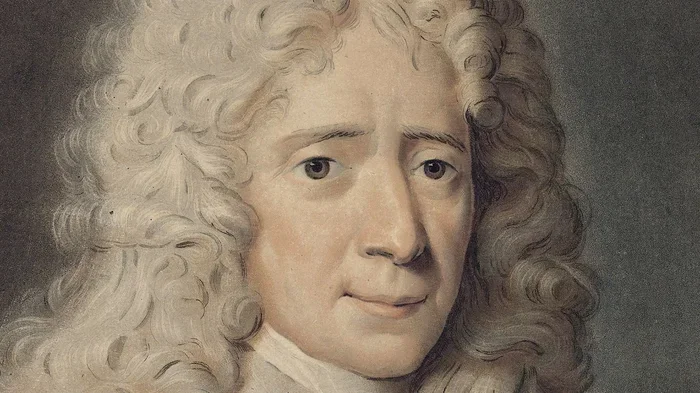
Montesquieu believed that concentrated power corrupts, so he pushed for separation of powers to protect freedom. His ideas shaped modern democracies and still guide how we structure government today. Understanding his reasoning helps us see why checks and balances matter so much in any healthy system.
This is a comprehensive guide about Why Did Montesquieu Advocate The Separation Of Powers.
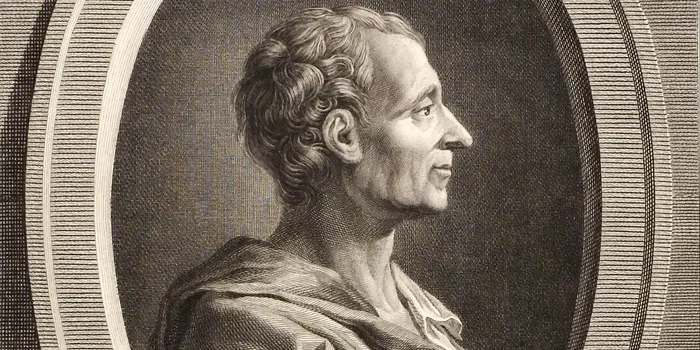
Visual guide about Montesquieu separation of powers
Image source: cdn.essentiels.bnf.fr

Visual guide about Montesquieu separation of powers
Image source: agenciadifusao.com.br
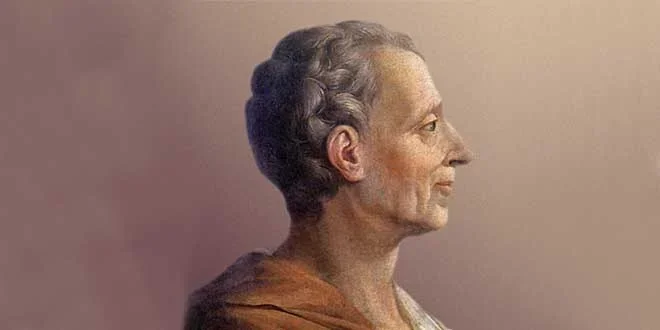
Visual guide about Montesquieu separation of powers
Image source: mihistoriauniversal.com
Key Takeaways
- Power corrupts when unchecked: Montesquieu warned that giving one person or group total control leads to abuse and tyranny.
- Three branches create balance: He proposed dividing government into legislative, executive, and judicial parts to keep power spread out.
- Liberty needs protection: His main goal was to safeguard individual freedom by making it harder for any single authority to dominate.
- Checks and balances matter: Each branch should be able to limit the others so no one side grows too strong.
- His ideas shaped modern democracies: Many constitutions today follow his model, including the United States and several European nations.
- Human nature drove his theory: He believed people in power naturally seek more control, so systems must account for that reality.
- Separation prevents rushed decisions: When multiple groups must agree, laws and actions get more careful thought and debate.
[FEATURED_IMAGE_PLACEHOLDER]
Montesquieu was a French thinker who lived in the eighteen century. He watched how kings and rulers used their power. He saw too many cases where one person made every choice. That kind of system often turned cruel. He wanted a better way to run a country. His big idea was simple but powerful. Separation of powers could keep any single group from taking over completely.
This idea did not come from thin air. He studied history and saw patterns. He noticed that free societies stayed free longer when power was shared. He also believed that people need safeguards against abuse. His thoughts spread quickly across Europe and later reached the Americas. Many founders of new governments read his work closely. They used his concepts when they wrote their own constitutions.
Today, we still talk about his ideas because they work. When power sits in one place, problems grow fast. When power splits into different parts, each part can watch the others. That setup creates balance. It also gives citizens more protection. In this article, we will explore why he pushed for this structure and how it still shapes the world we live in.
The Historical World Montesquieu Observed
Montesquieu grew up in a time when monarchs held enormous control. Many rulers made laws, enforced them, and judged offenses all by themselves. That kind of setup left regular people with very little say. He saw how quickly power could slide into harsh rule when no one could stop it. His concerns came from watching real governments, not from abstract theory alone.
What He Saw in European Courts
He traveled and spoke with people from different regions. He noticed that courts often served the ruler more than the public. Judges sometimes acted as extensions of royal will instead of independent thinkers. Laws changed based on the mood of one leader rather than careful debate. That environment made him think hard about how to limit authority.
Why History Shaped His Views
He read about past empires that collapsed after one person or one group took complete control. He saw that concentration of power often led to poor choices and public suffering. History gave him examples of both success and failure. Those examples pushed him to ask a simple question. How can a country stay free when people in charge naturally want more control?
Quick Tip: When you study political ideas, look at the world the thinker lived in. Context often explains why a theory matters so much.
Why He Believed Power Must Be Divided
His core belief was clear. Power should not sit in one hand. He argued that anyone with total control will likely abuse it over time. That does not mean every leader is evil. It means human nature makes temptation very strong. Even good people can make bad choices when they face no limits.
The Problem With Concentrated Authority
When one person or one body handles everything, decisions happen too fast and with too little review. Laws may serve the ruler more than the people. Courts may lose independence. Enforcement may become personal instead of fair. Montesquieu feared that this pattern would destroy liberty. He wanted a system that slowed things down in a healthy way.
How Division Protects Freedom
He believed that splitting authority creates natural barriers. If one branch tries to overreach, another branch can push back. That tension is not a flaw. It is a feature. The friction forces discussion, review, and compromise. In his view, that process helps protect everyday citizens from sudden abuse.
The Role of Human Nature in His Thinking
Montesquieu did not assume people would always act wisely. He expected ambition, pride, and self-interest to appear in government. His solution was not to hope for perfect leaders. His solution was to build a system that could handle imperfect ones. That practical mindset made his theory stand out.
The Three Branches He Proposed
Montesquieu suggested that government should separate into three main functions. Each one should have a distinct role. Each one should also be strong enough to resist the others if needed. This structure became one of the most influential ideas in political thought.
The Legislative Function
This branch makes the rules. It decides what the law should be and how society should organize itself. Montesquieu believed this part should represent the people and reflect their needs. It should not also enforce the laws it creates. Mixing those roles would give too much control to one group.
The Executive Function
This branch carries out the laws. It manages day-to-day governance and handles actions that require speed and coordination. Montesquieu saw the need for a strong executive, but not one that could also write the laws or judge them. Its job was action, not rule-making or judging.
The Judicial Function
This branch interprets the laws and resolves disputes. Judges should apply the law fairly, not serve the whims of a ruler. Montesquieu stressed that justice must stay independent. If the same power that makes laws also decides whether someone broke them, fairness becomes very hard to protect.
Comparison: One-Person Rule Versus Separated Power
- One-Person Rule: Fast decisions, high risk of abuse, little review, weak public protection.
- Separated Power: Slower decisions, more review, built-in limits, stronger protection for liberty.
How Separation of Powers Prevents Tyranny
The main reason he pushed for this system was prevention. He wanted to make tyranny harder to build and harder to keep. If every branch can check the others, then no single group can easily dominate the whole system. That idea became a cornerstone of modern constitutional design.
Creating Mutual Restraint
He did not want one branch to destroy the others. He wanted them to balance each other. The legislative side should not control judging. The executive side should not control lawmaking without limits. The judicial side should not become a tool of politics. Each part should have enough strength to resist overreach.
Why Friction Can Be Healthy
Some people think disagreement in government is always bad. Montesquieu saw it differently. He believed that tension could protect the public. If every action requires review and pushback, then rash decisions become less likely. The system forces patience and debate. That can be frustrating, but it can also save a society from dangerous mistakes.
Protecting Citizens From Arbitrary Rule
Arbitrary rule happens when decisions depend on personal will instead of clear law. Montesquieu wanted to reduce that risk. A separated system makes rules more stable and enforcement more predictable. Citizens can better understand their rights when the structure is clear and the branches do not blur together.
His Ideas and Modern Government
Montesquieu’s thinking influenced many later political designers. His model helped shape conversations about constitutions, rights, and balanced authority. Even today, people still use his framework when they discuss how government should work.
Influence on Constitutional Design
Many constitutional systems divide authority among different bodies. They create separate roles for making laws, carrying them out, and judging disputes. That design reflects Montesquieu’s central insight. Power should not clump together. It should spread out so that each part can help keep the others in line.
Why the Idea Still Matters
Modern governments still face pressure from concentrated power. Leaders may try to expand control during crises or use emergency powers in ways that weaken checks. That is why his theory remains useful. It gives people a language for spotting danger and asking hard questions. When one branch starts dominating, citizens and institutions can point to the principle of separated power as a warning sign.
Limits and Critiques of His Model
No system is perfect. Separation can slow urgent action. It can also create gridlock when branches disagree too sharply. Some critics say too much division can weaken coordination. Others argue that real-world power does not always fit neatly into three boxes. These critiques matter. They show that the model needs careful design and constant attention.
Expert Insight: A balanced system works best when each branch has real authority, not just symbolic power. Separation only helps if the branches can actually check one another.
Common Mistakes When Applying the Idea
People sometimes misunderstand Montesquieu’s concept. They either make the branches too weak or too isolated. Both extremes cause problems. A healthy system needs separation and enough cooperation to function.
Mistake One: Making One Branch Too Dominant
If one branch controls the others in practice, the separation becomes fake. That can happen when lawmaking power quietly shifts to the executive or when courts lose real independence. The structure may look balanced on paper, but not in action.
Mistake Two: Cutting Off All Cooperation
Government still needs to work. If the branches refuse to interact at all, the system can stall. Laws may not get enforced properly. Budgets may not pass. Public needs may go unmet. Separation should create balance, not total blockage.
Mistake Three: Ignoring Public Accountability
Separated power is not a substitute for an engaged public. Citizens, media, and civil institutions still matter. They help reveal abuse and pressure leaders to respect limits. Without that broader accountability, the system can drift away from its purpose.
Common Mistake: Assuming separation of powers solves everything automatically. In reality, it only works when people defend the boundaries and respect the roles.
Key Takeaways for Today
Montesquieu’s argument still offers a clear lesson. If you want freedom to last, you need structures that resist concentration. You also need people willing to protect those structures. The idea is not just about government design. It is about how to build systems that survive human weakness.
What This Means for Citizens
Citizens should watch how power moves in their own societies. They should ask whether laws are made, enforced, and judged in separate ways. They should also notice when one part starts swallowing the others. That kind of awareness helps keep the system honest.
What This Means for Leaders
Leaders should remember that limits are not insults. They are protections. A system with clear boundaries can last longer and earn more trust. Leaders who respect separation usually create more stable rule than leaders who try to centralize everything.
What This Means for Students of Political Thought
If you study Montesquieu, focus on his practical mindset. He was not dreaming about ideal rulers. He was designing for real people and real power. That makes his work still useful. It also explains why his name keeps appearing in discussions about liberty, law, and constitutional balance.
Key Takeaway: Separation of powers matters because it turns human weakness into a design problem with a workable solution. The goal is not perfection. The goal is protection.
Conclusion
Montesquieu advocated the separation of powers because he wanted to limit abuse and protect liberty. He saw that concentrated authority could turn dangerous fast. He believed a divided system could slow down overreach and keep any single group from dominating. His vision gave the world a powerful way to think about balanced government. It also gave future generations a practical tool for building constitutions that guard against tyranny.
His idea still matters because power always tries to grow. That is true in large nations and in smaller organizations too. When people understand why separation matters, they can spot danger earlier and defend freedom more effectively. The best systems are not those that trust leaders to be perfect. They are the ones that expect imperfection and build safeguards anyway.
If you remember one thing, remember this. Separation of powers is not about slowing government for no reason. It is about making sure no one gets enough control to harm the public without resistance. That is why Montesquieu’s argument still resonates. It speaks to a simple truth. Freedom survives best when power is divided, watched, and kept in balance.
FAQs
Why did Montesquieu support separating government power?
He believed concentrated power leads to abuse, so he wanted separate branches to limit each other. His goal was to protect liberty by making tyranny harder to establish.
What three branches did Montesquieu describe?
He described a legislative branch to make laws, an executive branch to enforce them, and a judicial branch to interpret them. Each one should stay independent enough to check the others.
Did Montesquieu think people in power are always corrupt?
No, but he believed power creates strong temptations and risks. He wanted a system that could handle imperfect people instead of relying on perfect leaders.
How did his ideas influence modern democracies?
His thinking helped shape constitutional systems that divide authority and use checks and balances. Many governments still use his model as a foundation for limiting power.
Can separation of powers cause problems?
Yes, it can slow decisions and sometimes create gridlock. Still, many societies accept that tradeoff because the system reduces the risk of unchecked control.
Is separation of powers only about government?
No, the idea also applies to any organization where authority can become too concentrated. The core lesson is that power works better when it is balanced and reviewed.
Frequently Asked Questions
What is Why Did Montesquieu Advocate The Separation Of Powers?
Why Did Montesquieu Advocate The Separation Of Powers is an important topic with many practical applications.