

Many homeowners ask, “Can I transfer a mortgage to another house?” The answer depends on your lender and loan type. This process is called portability, and it lets you keep your current interest rate. We will explain the steps and risks involved.
Buying a new home is exciting. But your current mortgage might feel like a heavy anchor. You want to keep your good interest rate. You also want to avoid closing costs. This leads to a common question. Can I transfer a mortgage to another house?
The process is known as mortgage portability. It allows you to move your existing loan to a new property. This sounds simple. But banks have strict rules. You need to understand the details before you make a move.
Many people think their loan follows them automatically. It does not. You must qualify for the new property. You also need lender approval. This guide will walk you through everything. We will cover the benefits and the drawbacks. You will learn how to decide if this is right for you.
Key Takeaways
- Portability is not guaranteed: Not all lenders allow you to move your loan to a new property.
- Interest rates matter: Transferring helps if your current rate is lower than market rates.
- Property types vary: Some loans only work for primary residences, not investment properties.
- Fees apply: Expect appraisal fees, legal costs, and potential penalty charges.
- Credit check required: Lenders will reassess your income and credit score for the new purchase.
- Professional advice helps: Talk to a broker to compare porting versus refinancing options.
Equity counts: You usually need enough equity in your old home to cover the new down payment.
📑 Table of Contents
What Does Mortgage Portability Mean?
Mortgage portability lets you keep your current loan terms. You are essentially moving the debt from one house to another. Your interest rate stays the same. Your remaining balance also stays the same.
This is different from refinancing. Refinancing means getting a new loan. You pay off the old one and start fresh. Porting avoids that process. It saves you time and money on penalties.
Why do people want this? Interest rates change over time. If you locked in a low rate years ago, you want to keep it. New loans might have higher rates. Porting protects your financial position.
However, not all loans are portable. Some lenders offer this feature. Others do not. You need to check your contract. Look for clauses about portability or assignment.
Types of Portable Loans
Different loans have different rules. Here are common types:
- Fixed-rate mortgages: These often allow portability. But you must stay within the same term.
- Variable-rate mortgages: These might be portable. The rate fluctuates with the market.
- Government-backed loans: Rules vary by country and program. Some allow transfers. Others require payoff.
You should ask your lender directly. Do not assume your loan is portable. Get the answer in writing.
How to Transfer a Mortgage to Another House
The process takes time. You cannot do it overnight. You need to plan ahead. Here are the general steps involved.
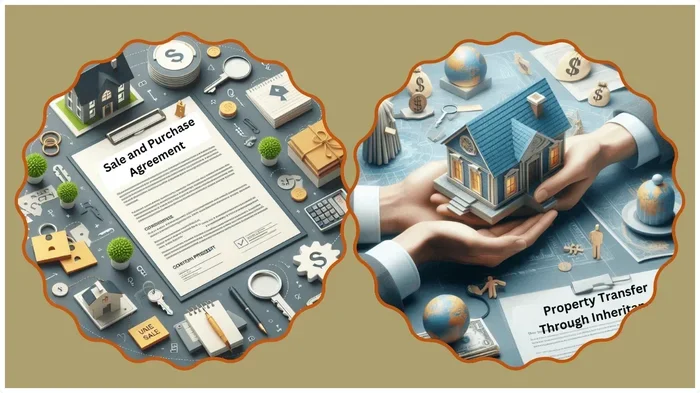
Visual guide about mortgage house transfer concept
Image source: realpha-cms-bucket-production.s3.us-east-2.amazonaws.com
First, contact your lender. Tell them you plan to move. Ask about their portability policy. They will explain the requirements. They might give you a checklist.
Second, find your new home. You usually need to buy a new property before selling the old one. Or you need a bridge loan. The lender needs to know the new property details.
Third, apply for the transfer. The lender will treat this like a new application. They will check your income. They will check your credit score. They will assess the new property value.
Fourth, pay the fees. There are costs involved. Appraisal fees are common. Legal fees might apply. There could be administrative charges.
Timing Your Move
Timing is critical. You need to coordinate the sale and purchase. If you sell first, you might need temporary housing. If you buy first, you carry two mortgages.
Porting requires synchronization. The new loan starts when the old one ends. Your lender needs to see the purchase agreement. They also need the sale contract.
Delays can happen. Closing dates might shift. You need a buffer in your plan. Talk to your real estate agent about this. They can help coordinate the dates.
Benefits of Moving Your Existing Loan
Why go through this trouble? There are clear advantages. The biggest benefit is the interest rate. If rates have risen, your old rate is valuable.
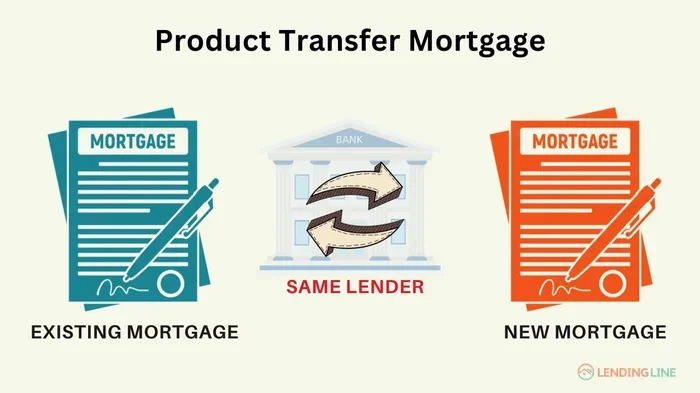
Visual guide about mortgage house transfer concept
Image source: lendingline.co.uk
Saving on penalties is another plus. Breaking a mortgage early costs money. Penalties can be huge. Porting avoids these fees. You keep your current contract intact.
You also save on some closing costs. You do not need a full new underwriting process. This saves time. It also reduces paperwork.
Here is a quick comparison of costs:
- Porting: Lower fees, keeps rate, less paperwork.
- Refinancing: Higher fees, new rate, full underwriting.
- New Mortgage: Highest fees, market rate, new terms.
If you have excellent credit, you might qualify for great rates anyway. But if your current rate is very low, porting wins. It protects your budget.
Equity Considerations
Your equity plays a big role. You are moving the loan balance to the new home. The new home might cost more. You need to cover the difference.
For example, imagine you owe $200,000. Your new home costs $300,000. You need $100,000 more. You can use your sale proceeds. Or you can add cash.
If the new home costs less, you might pay down the mortgage. The lender will adjust the balance. You cannot transfer more than the new property value.
Challenges and Risks to Consider
It is not always smooth sailing. There are risks. The lender might say no. They might deny the new property. This happens if the property is risky.

Visual guide about mortgage house transfer concept
Image source: thumbs.dreamstime.com
Property type matters. Some lenders do not allow porting to condos. Others avoid investment properties. They want a primary residence. Read the fine print.
Your financial situation might change. If you lost income, you might not qualify. The lender will reassess you. They treat this like a new loan application.
Timing issues can cause stress. If the sale falls through, the port fails. You might be stuck with two homes. Have a backup plan.
When Porting Is Not Allowed
Some situations block portability. Here are common deal-breakers:
- Change in occupancy: Moving from a home to a rental often fails.
- Joint borrowers: If a spouse leaves the loan, it complicates things.
- Loan age: Some loans expire after a certain time.
- Lender policy changes: Rules can change during your term.
If you cannot port, you must refinance. This means paying the penalty. Calculate the cost. Compare it to the benefit of a new loan.
Steps to Take Before Selling Your Home
Preparation is key. Do not wait until the last minute. Start months before you plan to move.
Check your contract. Look for portability clauses. Call your lender. Ask specific questions. Get the requirements in writing.
Next, assess your equity. Know how much you will get from the sale. Estimate the cost of the new home. Calculate the gap. You need a plan for that gap.
Then, review your credit. Make sure your score is healthy. Pay down debts if needed. Lenders will look at your debt-to-income ratio.
Talk to a Mortgage Broker
A broker can help you compare options. They know different lenders. Some lenders are more flexible than others. A broker can find the best fit.
They can also explain the math. They will show you the costs of porting versus refinancing. This helps you make an informed choice.
Expert insight: Many people stick with their current bank out of habit. But loyalty does not always pay. Shop around. Compare the total cost.
Final Thoughts on Mortgage Transfer
So, can I transfer a mortgage to another house? Yes, but only if your lender allows it. It is a useful tool for saving money. It helps you keep a low interest rate. It avoids heavy penalties.
But it requires planning. You need to qualify for the new property. You need to manage the timing. You need to understand the costs.
Do not assume it will work. Verify everything with your lender. Get professional advice if you are unsure. Making the right choice saves you stress and money.
Moving homes is a big step. Your mortgage is a big part of that. Handle it with care. With the right plan, you can move smoothly. You can keep your financial stability intact.
Frequently Asked Questions
Can I transfer my mortgage to a cheaper house?
Yes, you can usually transfer to a cheaper property. The lender will adjust your loan balance. You might pay down the difference with cash or reduce the mortgage amount.
What fees are involved in porting a mortgage?
You may face appraisal fees, legal fees, and administrative charges. Some lenders charge a porting fee. Always ask for a full cost breakdown before proceeding.
Does porting affect my credit score?
The lender will run a credit check during the process. This might cause a small temporary dip. However, paying your mortgage on time afterwards helps your score recover quickly.
Can I add a partner to a portable mortgage?
This depends on the lender. Adding a borrower often requires a new application. It might trigger a refinance instead of a simple port. Check with your lender first.
What happens if the sale falls through?
If the sale fails, the port might be cancelled. You would keep your current mortgage on the old home. You need a backup plan to avoid financial strain during delays.
Is it better to port or refinance?
It depends on interest rates and penalties. If your current rate is low and penalties are high, porting is better. If rates are lower now, refinancing might save more money.