
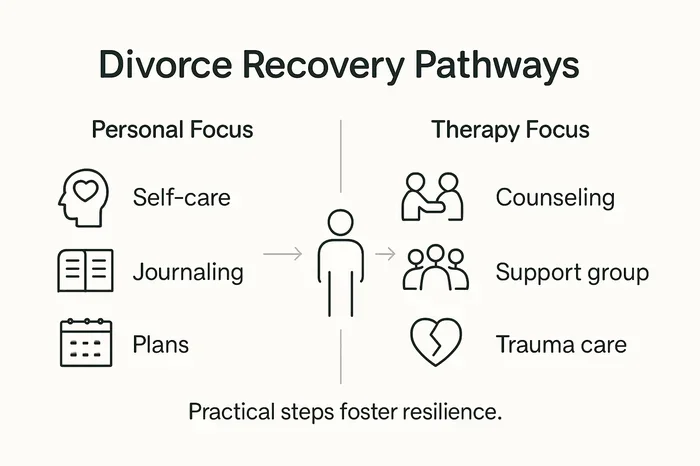
It is completely normal to wonder why am I still grieving after 3 years divorce when others seem to have moved on. Grief does not follow a strict timeline, and emotional healing often takes longer than legal separation. This guide explores the hidden reasons behind prolonged sorrow and offers compassionate steps to help you find peace.
Finding out that your marriage has ended feels like the ground disappears beneath your feet. You expect the heavy sadness to fade within a few months. Yet here you are, three years later, still asking why am I still grieving after 3 years divorce. That question carries a lot of weight. It also carries a lot of shame. Many people believe grief should follow a neat schedule. They think you cry for a while, then you move on. Real life rarely works that way. Emotional wounds heal at their own pace. Some days feel bright. Other days feel like you are back at square one. Both experiences are normal.
You are not broken. You are not failing at healing. You are simply human. Divorce touches every part of your life. It changes your home, your finances, your social circle, and your sense of self. When so many pieces shift at once, your mind and body need time to adjust. The pain you feel today does not mean you are stuck forever. It means you are still processing a major life change. Understanding the hidden reasons behind your lingering sorrow can bring relief. It can also point you toward gentle steps that help you feel lighter.
This article walks you through the real reasons grief lingers. You will learn how loss extends beyond the relationship itself. You will see how daily triggers keep old wounds active. You will also discover practical ways to support your healing journey. If you have been hard on yourself, this is your reminder to soften. Healing is not a race. It is a process. And you deserve patience while you move through it.
Key Takeaways
- Grief has no timeline: There is no correct schedule for emotional recovery after a marriage ends.
- Identity loss matters: You mourn more than the relationship, including your future plans and daily routines.
- Unprocessed emotions linger: Suppressed sadness or anger can delay healing for years.
- Triggers keep wounds open: Familiar places, songs, or dates can reactivate fresh pain.
- Support speeds recovery: Talking to friends, therapists, or support groups reduces isolation.
- Self-compassion helps: Treating yourself kindly allows your nervous system to relax and heal.
- Small steps build momentum: Consistent daily habits create steady progress toward emotional freedom.
📑 Table of Contents
Understanding Why You Are Still Grieving After 3 Years Divorce
When people think about divorce, they often focus on the legal ending. Papers get signed. Assets get divided. Dates get set. But the emotional ending happens much more slowly. Your heart does not read court documents. It mourns the loss of shared mornings, inside jokes, and future dreams. That deeper loss takes time to process. If you still feel heavy, it helps to name what you are actually grieving.
You Are Mourning More Than a Relationship
A marriage is a whole ecosystem. It holds your routines, your expectations, and your vision of the future. When it ends, you lose more than a partner. You lose the version of life you thought you would have. You may grieve the home you shared, the holidays you planned, or the person you became together. Those losses are real. They deserve acknowledgment. Ignoring them often keeps grief alive.
Try writing down what you miss most. Be specific. Do you miss having someone to call at the end of the day? Do you miss the feeling of being chosen? Do you miss the life you imagined? Naming these losses brings them into the open. Once they are visible, you can begin to honor them and slowly make room for new possibilities.
Your Identity Shifted Without Warning
Long-term relationships shape how we see ourselves. You may have built your daily life around being a spouse. You may have tied your future plans to another person. When that structure disappears, you face a quiet but powerful question: who am I now? That question can feel overwhelming. It can also trigger deep sadness. Rebuilding an identity takes time and experimentation.
Give yourself permission to explore. Try small things that feel like yours alone. Pick a hobby you set aside. Rearrange a room. Make a decision without checking with anyone else. Each small choice helps you rediscover your own voice. Over time, that voice grows stronger. The grief begins to loosen its grip as you build a life that feels authentically yours.
The Hidden Triggers That Keep Grief Alive
Sometimes grief returns because something in your environment quietly reminds your nervous system of the past. Triggers are not signs that you are failing. They are simply reminders that your brain is still linking certain cues to old pain. Once you recognize them, you can respond with care instead of confusion.
Visual guide about Divorce grief healing concept
Image source: wpacounseling.com
Dates, Places, and Familiar Routines
Anniversaries, holidays, and even ordinary locations can stir up fresh emotion. A song in the grocery store, a coffee shop you used to visit together, or a friend’s wedding can suddenly make you feel like the loss just happened. Your body remembers before your mind catches up. That reaction is normal. It does not mean you are back at the beginning. It means a memory surfaced.
Plan ahead for known triggers. If a certain date always feels heavy, schedule something gentle for that day. Take a walk. Call a supportive friend. Cook a comforting meal. Having a simple plan reduces the feeling of being blindsided. Over time, repeated gentle responses teach your nervous system that you can move through these moments safely.
Unfinished Emotions and Silent Questions
Unprocessed feelings often linger beneath the surface. You may have swallowed anger to keep the peace. You may have silenced sadness to keep functioning. You may still wonder what you could have done differently. Those unanswered questions can keep grief alive long after the paperwork is done. The mind keeps returning to unresolved material because it wants closure.
Closure rarely arrives from the other person. It usually grows from within. You can create it by telling the full story of your experience, even if only on paper. Write about what hurt. Write about what confused you. Write about what you wish had been different. This act does not change the past. It helps your brain organize the experience so it stops looping.
Why Healing Feels Slower Than You Expected
Comparison is one of the quietest sources of pain after divorce. You may see friends moving on, posting happy photos, or starting new chapters. You may assume everyone else heals on a predictable schedule. That assumption creates pressure. Pressure slows healing. It also makes you doubt your own progress. The truth is that everyone carries different burdens, different support systems, and different emotional histories.
Visual guide about Divorce grief healing concept
Image source: sensoriumhypnosis.com
The Myth of a Fixed Timeline
Grief does not follow a straight line. It moves in waves. Some weeks feel calm and steady. Other weeks bring sudden tears over something small. That up-and-down pattern is not a sign of failure. It is a sign that your system is still integrating a major change. When you stop expecting a fixed timeline, you give yourself room to heal at a human pace.
A helpful shift is to measure progress in small moments instead of big milestones. Notice when you sleep a little better. Notice when you laugh without forcing it. Notice when a memory no longer knocks the wind out of you. These tiny signs matter. They show that healing is happening, even when it feels invisible.
How Isolation Slows Recovery
Grief grows heavier in silence. After divorce, people often pull back. They feel awkward explaining their situation. They worry about burdening others. They assume everyone else has moved on. That withdrawal creates a loop. Loneliness intensifies pain. Pain encourages more withdrawal. Breaking that loop starts with one small connection.
Reach out to one safe person. You do not need a perfect speech. A simple message works. You can say, “I am having a hard day and could use a listening ear.” Most people respond with care when they know what you need. If your immediate circle feels limited, consider a support group or a therapist. Talking aloud helps your brain process pain instead of storing it alone.
Practical Ways to Support Your Healing Today
You do not need a complete life overhaul to start feeling better. Small, steady actions create real change. The goal is not to erase grief. The goal is to build a life that can hold grief without swallowing you whole. That shift happens through daily care.
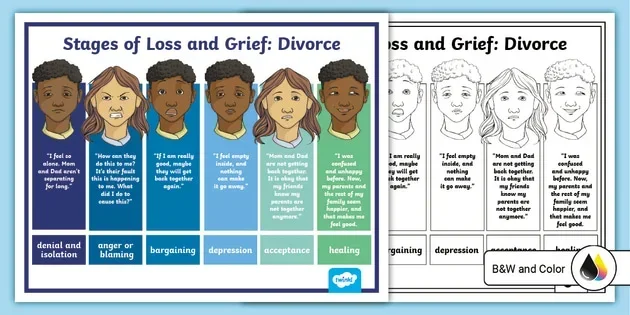
Visual guide about Divorce grief healing concept
Image source: images.twinkl.co.uk
Build Gentle Daily Anchors
Predictable routines help your nervous system settle. You do not need a rigid schedule. You just need a few reliable touchpoints. Try starting your day with a glass of water and a few deep breaths. Take a short walk after lunch. End the evening with a calming ritual, like reading or stretching. These anchors create a sense of safety. Safety makes emotional processing easier.
Anchor habits work best when they feel kind, not punishing. Choose actions you actually enjoy. If you hate running, do not force it. If you love tea, make that part of your evening. The best routine is the one you can repeat without dread. Consistency matters more than intensity.
Create Space for Honest Expression
Emotions need outlets. If you keep everything inside, it tends to show up as fatigue, irritability, or sudden tears. Find a method that fits your personality. Some people prefer journaling. Others prefer talking. Some need movement, like walking or dancing, to release tension. There is no right format. The right format is the one you will actually use.
Set aside a short window each week for honest expression. Ten minutes is enough to begin. Write without editing. Speak into a voice memo. Draw how you feel. The goal is to move the pain out of your body and onto a page, a recording, or a path. Expression creates room. Room creates breathing space.
When to Seek Extra Support
Some grief is best carried with help. If your pain is affecting sleep, work, appetite, or daily functioning, extra support can make a meaningful difference. You do not need to wait until you feel completely overwhelmed. Reaching out early is a sign of strength, not weakness.
Signs Therapy or Counseling May Help
Professional support can be especially useful if you feel stuck in the same thoughts, if you are avoiding life, or if you notice patterns that repeat without relief. A therapist can help you untangle complicated feelings, identify triggers, and build coping tools that fit your life. You do not have to figure everything out alone.
Look for someone who feels safe and respectful. You deserve a person who listens well and does not rush your process. If the first fit feels off, try another. The relationship itself matters. A good match can make the work feel clearer and more manageable.
Community and Peer Support
Sometimes the most comforting voice comes from someone who understands the experience firsthand. Divorce support groups, online communities, or trusted friends who have walked a similar path can reduce the feeling of being alone. Shared understanding lowers shame. It also reminds you that your timeline is valid.
If you join a group, pay attention to how you feel afterward. Do you feel lighter? Do you feel heard? Do you feel more hopeful? Those responses are good signs. If a space feels judgmental or draining, it is okay to step back and find a better fit.
Common Mistakes That Keep Grief Stuck
Even with the best intentions, certain habits can slow healing. Recognizing them helps you make gentler choices. None of these mistakes mean you are doing life wrong. They simply point to places where you can adjust your approach.
Pushing Pain Away Instead of Acknowledging It
It is tempting to stay busy and avoid uncomfortable feelings. Busyness can help in small doses. But if you use it to outrun grief, the feelings usually wait for you. They may show up as exhaustion, headaches, or emotional numbness. A better approach is to set aside brief, intentional moments to feel what you feel. Short, contained acknowledgment often works better than constant avoidance.
Judging Your Progress Against Others
Everyone’s path looks different. One person may seem to bounce back quickly because they have different support, different coping tools, or a different relationship history. Another person may appear fine while struggling privately. Comparing your behind-the-scenes pain to someone else’s public highlight reel creates false conclusions. Focus on your own steps. Your path is enough.
Expecting One Big Breakthrough to Fix Everything
Healing usually comes through many small shifts, not one dramatic moment. Waiting for a magical turnaround can leave you disappointed. Progress often looks ordinary. You sleep a little better. You feel less reactive. You enjoy a meal without guilt. These quiet changes add up. Trust the accumulation of small wins.
Key Takeaways for Moving Forward
If you are still asking why am I still grieving after 3 years divorce, the answer is likely layered. You are mourning a relationship, a future, and a version of yourself. Triggers, unprocessed emotions, and isolation can all extend the process. Comparison and self-judgment can make it feel worse. The good news is that healing can still move forward with care.
Start by naming what you have lost. Notice your triggers without blaming yourself. Build small daily anchors that bring stability. Share your experience with safe people. Consider professional support if the weight feels too heavy to carry alone. Most of all, treat yourself with the same kindness you would offer a dear friend. Grief may not vanish overnight, but it can soften. And when it softens, space opens for a life that feels like yours again.
Frequently Asked Questions
Why am I still grieving after 3 years divorce when everyone else seems moved on?
Grief does not follow a fixed schedule, and everyone processes loss differently. You may still be grieving because your heart is mourning not just the relationship, but also your future plans, daily routines, and sense of identity. Comparison can make your healing feel slower than it really is.
Is it normal to feel sudden sadness years after a divorce?
Yes, it is very normal. Triggers like dates, songs, places, or conversations can bring up fresh emotion even years later. These moments do not mean you are back at the beginning. They usually mean a memory or feeling needs a little extra care and acknowledgment.
What can I do if I feel stuck in my grief?
Start with small, steady habits that create safety, such as a daily walk, journaling, or talking with a trusted friend. Naming your losses and allowing yourself to feel them in short, manageable moments can also help. If the stuck feeling continues, a therapist or support group can offer guidance and relief.
How do I know if I need professional help?
Consider extra support if grief is disrupting your sleep, appetite, work, or ability to enjoy daily life. If you feel trapped in repetitive thoughts, avoid most activities, or feel overwhelmed by loneliness, a counselor can help you process the pain more effectively. Reaching out early is a healthy choice.
Can I still heal if I do not have a strong support system?
Yes, but it may take more intentional effort. You can build support gradually by joining a group, connecting with one safe person, or working with a therapist. Even small connections reduce isolation and help your nervous system feel less alone during the healing process.
What is the healthiest way to think about my divorce grief timeline?
The healthiest approach is to let go of a strict timeline and focus on small signs of progress. Healing often happens in waves, with better days and harder days mixed together. When you measure progress in gentle shifts instead of big milestones, you give yourself room to recover at a human pace.