
Mental health directly shapes how we give and receive love. When you heal from anxiety, depression, or past trauma, you become more emotionally available and authentic in relationships. Understanding your love language becomes easier when your inner world is balanced.
By working on emotional regulation, self-worth, and communication skills, you open the door to deeper intimacy. This isn’t about fixing your partner—it’s about becoming a healthier version of yourself so love can flow freely between you both.
Key Takeaways
- Mental clarity improves emotional availability: When anxiety or depression lifts, you’re less likely to withdraw or react defensively during conflicts.
- Self-compassion builds secure attachment: Healing your inner critic helps you accept love without needing constant validation.
- Better communication strengthens all five love languages: Whether it’s words of affirmation or acts of service, clear expression matters more than the gesture itself.
- Emotional regulation supports patience: You’ll respond instead of reacting, making quality time and physical touch feel more natural.
- Healing past wounds opens capacity for trust: Unresolved trauma often blocks receiving gifts of love; therapy or journaling can help release those barriers.
- Authenticity attracts lasting connection: People stay with those who show up as real—not perfect—and that starts with mental wellness.
📑 Table of Contents
- How Does Fixing Our Mental Health Improve Our Love Language?
- The Connection Between Mental Health and Emotional Availability
- Why Self-Healing Makes You a Better Partner
- Common Barriers to Accepting Love (And How to Overcome Them)
- Building Mutual Understanding in Relationships
- Long-Term Benefits of Mental Wellness in Love
- Final Thoughts: Love Starts Within
How Does Fixing Our Mental Health Improve Our Love Language?
We all want to be loved deeply and understood completely. But sometimes, even when someone loves us fiercely, we still feel empty inside. Why? Because love isn’t just about what others do for us—it’s also about how ready we are to accept it. That readiness comes from our mental health.
When we talk about “fixing” our mental health, we don’t mean becoming perfect. We mean healing from pain, learning to manage emotions, and building resilience. And here’s the beautiful truth: when you heal your mind, you naturally become better at giving and receiving love—especially when you understand your love language. Whether you’re dating, married, or trying to fix things with an ex, your emotional well-being plays a huge role in how love flows between you and another person.
Let’s explore how improving your mental health doesn’t just make you happier—it transforms how you connect romantically.
The Foundation: What Is a Love Language?
Before diving into mental health, let’s quickly recap Dr. Gary Chapman’s Five Love Languages: words of affirmation, acts of service, receiving gifts, quality time, and physical touch. These aren’t just cute categories—they reflect how people prefer to experience love.
Some people crave verbal praise like oxygen. Others feel most cherished when their partner cooks dinner (acts of service) or holds hands (physical touch). The problem arises when two people speak different love languages. One says, “I love you,” while the other feels unseen because they need a surprise weekend getaway (quality time), not just words.
But here’s where mental health steps in: if you’re struggling with low self-esteem or anxiety, you might reject gifts or avoid physical contact—even when your partner offers them. Or maybe you snap at your partner over small things because stress makes you irritable. In both cases, your ability to receive love gets blocked by internal noise.
So fixing your mental health isn’t selfish—it’s necessary to truly access the love you deserve.
The Connection Between Mental Health and Emotional Availability
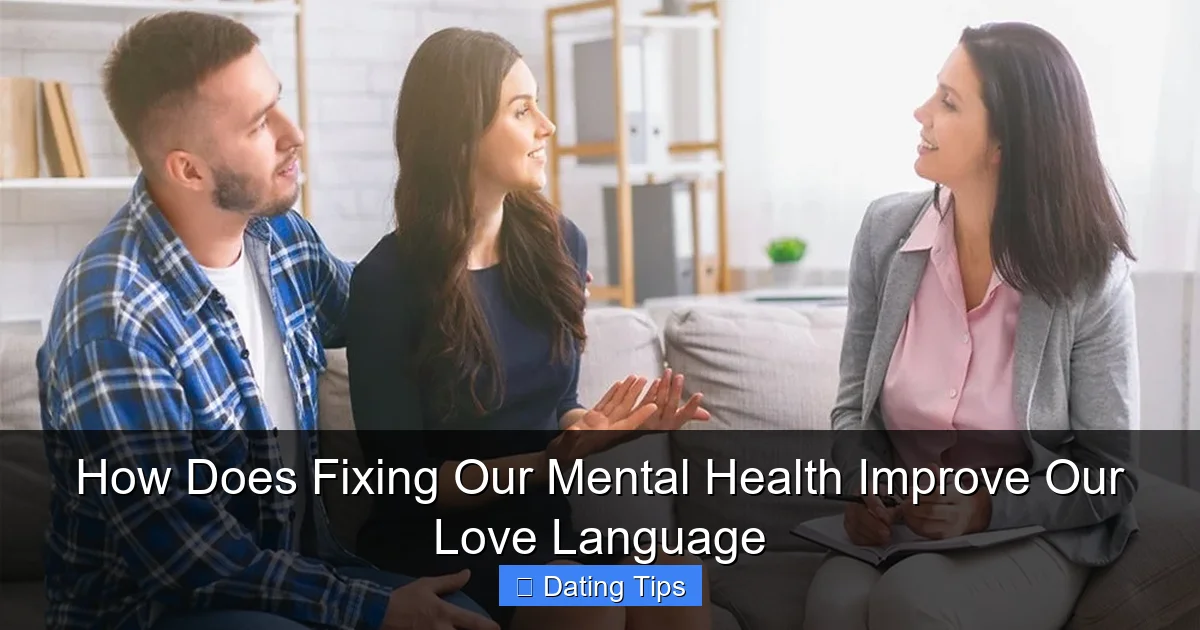
Visual guide about How Does Fixing Our Mental Health Improve Our Love Language
Image source: static.wixstatic.com
Imagine walking into a room full of people who care about you. If you’re constantly worried someone will judge you, or if you’re exhausted from battling depression, you won’t fully engage. Same thing happens in romantic relationships.
When your mind is cluttered with negative thoughts or emotional turmoil, you can’t be present. You might:
– Withdraw during arguments
– Misinterpret kind gestures as criticism
– Feel unworthy of affection
– Get stuck in cycles of blame or silence
All of these behaviors block love from flowing freely—no matter how much your partner tries to reach you. That’s why healing your mental health is step one toward becoming emotionally accessible.
Think of emotional availability like a glass filling up with water. If the glass has cracks (from past hurts, anxiety, etc.), no amount of pouring will fill it properly. But when you mend those cracks through therapy, mindfulness, or self-care, the glass holds love better.
Breaking Down Each Love Language Through a Mental Health Lens
Let’s break down each love language and see how mental wellness impacts it:
1. Words of Affirmation
If you struggle with imposter syndrome or fear being judged, you might brush off compliments like “You look amazing today.” Your brain tells you, “They’re just being nice,” instead of accepting the gift of affirmation. Healing means learning to believe positive words—starting with yourself.
Tip: Keep a “compliment jar.” Every time someone gives you genuine praise, write it down. Review it when you’re feeling doubtful.
2. Acts of Service
Stress and burnout make it hard to show up for others—even loved ones. But acts of service require energy, focus, and goodwill. When you’re mentally drained, even simple tasks like folding laundry can feel impossible. Prioritizing rest and setting boundaries isn’t laziness—it’s sustainability.
Internal link suggestion: How To Spice Up Love In Your Marriage – includes ideas for shared responsibilities.
3. Receiving Gifts
Gift-giving is often tied to feelings of security and thoughtfulness. If you grew up in a home where material possessions equaled love, you might subconsciously seek gifts as proof of affection. Conversely, if you experienced neglect, you may distrust gifts as empty gestures. Therapy helps untangle these patterns.
4. Quality Time
Distraction culture thrives on mental fog. When your mind races with work stress or social media comparisons, you can’t truly be with your partner. Mindfulness practices—like meditation or even mindful walks—train your brain to stay present.
5. Physical Touch
Anxiety disorders, PTSD, or body image issues can create walls around physical intimacy. Healing means reclaiming your body as safe and loving—not something to hide. Gradual exposure (with consent!) and somatic therapy can rebuild trust in touch.
Why Self-Healing Makes You a Better Partner
Visual guide about How Does Fixing Our Mental Health Improve Our Love Language
Image source: thumbs.dreamstime.com
You’ve probably heard the saying: “You can’t pour from an empty cup.” It applies here too. When you’re mentally healthy, you:
– Communicate without defensiveness
– Listen actively instead of planning your rebuttal
– Manage jealousy and insecurity better
– Show up consistently—not just when you feel like it
This doesn’t mean you stop growing. It means you stop sabotaging your own happiness. For example, if your love language is quality time but you cancel dates because you’re overwhelmed, healing helps you say, “I need a night alone to recharge,” instead of ghosting.
And guess what? Honesty like that builds stronger trust than constant availability ever could.
Practical Steps to Improve Mental Health for Deeper Connection
Ready to take action? Here are science-backed ways to boost your emotional well-being:
Practice Daily Gratitude
Studies show gratitude journals reduce symptoms of depression and increase relationship satisfaction. Try writing three things you appreciate about your partner each day—even small things like “She made coffee without asking.”
Set Healthy Boundaries
Overgiving drains you. Saying “yes” when you mean “no” leads to resentment. Protecting your energy isn’t selfish—it ensures you have enough left to give authentically.
Seek Professional Support
Therapy isn’t just for crises. It’s a powerful tool for rewiring thought patterns. Cognitive Behavioral Therapy (CBT) is especially effective for anxiety and negative self-talk.
Engage in Regular Exercise
Movement releases endorphins—nature’s mood lifters. Even a 20-minute walk daily improves sleep, reduces stress, and enhances emotional regulation.
Limit Toxic Influences
Social media comparisons, passive-aggressive friends, or negative news cycles feed anxiety. Curate your environment to prioritize peace.
Common Barriers to Accepting Love (And How to Overcome Them)
Visual guide about How Does Fixing Our Mental Health Improve Our Love Language
Image source: miro.medium.com
Even with good mental health habits, old wounds surface. Here’s how to navigate them:
Fear of Vulnerability
Many people avoid deep connection because opening up feels dangerous. Healing means practicing small risks—sharing a feeling, admitting a mistake—until vulnerability feels safer than isolation.
Perfectionism
If you expect yourself to always be “put together,” you’ll never ask for help or admit you’re struggling. Remember: real love includes imperfections. Your partner chose you—not your highlight reel.
Trauma Responses
Flashbacks, hypervigilance, or shutting down during conflict are survival mechanisms. With support, these responses can soften, allowing space for gentle connection.
Internal link suggestion: Signs You Are Begging For Love – explores unhealthy dependency patterns.
Building Mutual Understanding in Relationships
Healing isn’t a solo journey—it’s woven into your partnership. When both people work on mental wellness, magic happens:
– Partners become allies instead of adversaries
– Conflicts shift from “us vs. them” to “how can we grow together?”
– Intimacy deepens beyond surface-level affection
Couples counseling can accelerate this process. It provides a neutral space to discuss love languages honestly and address underlying emotional blocks.
But even without therapy, couples can support each other’s growth:
– Ask: “What do you need right now?” instead of assuming
– Celebrate progress, not just perfection
– Normalize seeking help—it shows strength, not weakness
Remember: loving someone deeply includes loving their entire human experience—including their struggles.
Long-Term Benefits of Mental Wellness in Love
The payoff goes far beyond better dates or fewer fights. Consistent mental health care fosters:
Resilience During Hard Times
Breakups, job loss, or illness test any relationship. But emotionally stable partners bounce back faster because they handle stress constructively.
Deeper Emotional Intimacy
When you’re not hiding behind masks or defensive walls, conversations flow freely. You share fears, dreams, and regrets—creating sacred space for true connection.
Healthier Parenting (If Applicable)
Children absorb parental emotional states like sponges. A calm, centered parent models secure attachment and empathy.
Greater Life Satisfaction
Love thrives in a life that feels meaningful. When you’re not battling constant inner chaos, joy emerges in small moments—sunrise hugs, shared laughter, quiet companionship.
Internal link suggestion: Can Love Just Disappear – discusses sustaining love through challenges.
Final Thoughts: Love Starts Within
Fixing your mental health isn’t about achieving some idealized version of yourself. It’s about freeing yourself from limitations that keep love locked away. When you heal, you don’t lose who you were—you gain clarity, courage, and compassion.
Your love language won’t change magically overnight. But as you become more emotionally regulated, self-aware, and kind to yourself, you’ll find yourself:
– More open to receiving affection
– Better equipped to give thoughtful gestures
– Less reactive during disagreements
– More present in everyday moments
And that’s where real love lives—not in grand declarations, but in the quiet act of showing up for each other, flaws and all.
Start small. Breathe. Be curious about your emotions. And remember: every step toward healing is a gift to everyone who cares about you—including the person standing beside you right now.
Frequently Asked Questions
Does fixing my mental health change my love language?
Not necessarily. Your primary love language usually stays the same—but your ability to receive and express it improves. For example, if your language is physical touch, healing trauma or anxiety helps you accept hugs instead of pulling away.
How long does it take to see improvements?
It varies. Some notice calmer moods within weeks of starting therapy or mindfulness. Deep emotional shifts often take months or years. Consistency matters more than speed.
Should I tell my partner about my mental health struggles?
Yes—if you trust them. Honesty builds intimacy. Start with small truths: “I’m working on managing my anxiety so I can be more present with you.”
Can I improve my mental health without therapy?
Absolutely! Journaling, exercise, and boundary-setting help. But for persistent issues like depression or complex trauma, professional support is strongly recommended.
What if my partner refuses to acknowledge my efforts?
Focus on what you control: your actions and self-care. You can’t force someone to grow, but you can model healthy behavior. Consider couples counseling if communication breaks down.
Is it selfish to prioritize my mental health?
No. Healthy individuals sustain deeper connections. Prioritizing yourself isn’t abandonment—it’s creating space for genuine love to flourish.
