
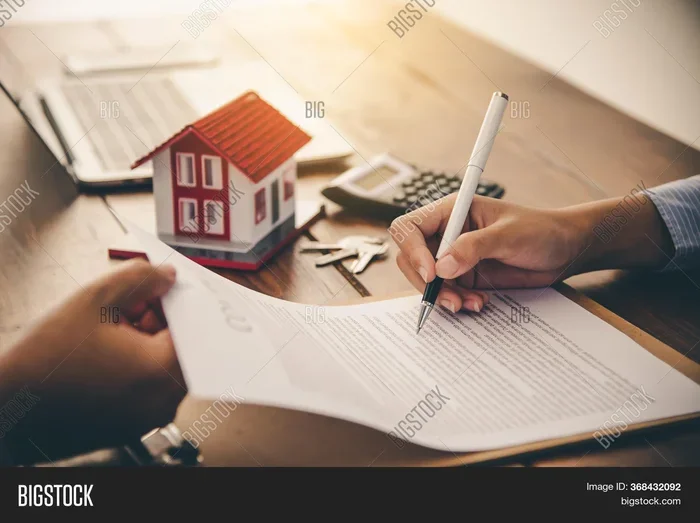
What does it mean to mortgage your house? It means you borrow money to buy property, using that home as security for the loan. If you miss payments, the lender can take the house to cover the debt. This guide explains the basics, the key terms, and the real risks so you can make a smart choice.
Buying a home is one of the biggest money moves you will ever make. For most people, it also means taking on a mortgage. If you have ever asked what does it mean to mortgage your house, you are not alone. The phrase sounds heavy, but the idea is simple. You borrow money to buy a property, and that property acts as security for the loan. You keep living there, making payments each month, and slowly building ownership. If life changes or payments stop, the lender has the right to take the home to cover the debt. That is the core of it.
Why does this matter to you right now? Because a mortgage changes your monthly budget, your long-term plans, and your risk profile. It can help you buy a home sooner, but it also adds obligations that last for years. The good news is that you do not need to guess. When you understand the main parts of a home loan, you can compare offers with confidence. You can also spot hidden costs and avoid common mistakes. This guide breaks the topic into clear pieces so you can move forward with less stress and more clarity.
Key Takeaways
- Clear definition: A mortgage is a loan secured by your home, meaning the property backs the debt.
- Ownership stays with you: You keep title and use of the home while paying off the loan over time.
- Foreclosure risk: Missing payments can lead to the lender taking the property to recover losses.
- Key terms matter: Interest rate, term length, down payment, and loan type shape your monthly cost.
- Shop around: Compare lenders, fees, and rates to find a loan that fits your budget and goals.
- Plan for extras: Taxes, insurance, and maintenance add to the true cost of homeownership.
- Ask questions: Understand closing costs, prepayment rules, and what happens if your finances change.
📑 Table of Contents
What Does It Mean To Mortgage Your House
At its simplest, a mortgage is a loan used to buy real estate. The home itself serves as collateral, which means the lender can claim the property if you do not repay the debt. You still own the home in daily life. You make choices about decor, repairs, and how you live there. But the loan sits on the property until you pay it off or refinance it. That is why people say the house is pledged to the lender.
This setup helps both sides. You get to buy a home without paying the full price in cash. The lender gets a legal claim that lowers their risk. In return, you usually pay interest over the life of the loan. The exact cost depends on the rate, the loan length, and your down payment. A larger down payment often lowers the monthly bill and can improve the terms you receive. A smaller down payment can make buying easier now, but it may raise your monthly costs and require extra insurance.
How the Loan Works in Daily Life
Think of a mortgage as a long-term promise. Each month, you send a payment that usually covers interest and a bit of the principal. The principal is the original amount you borrowed. Early on, more of your payment goes to interest. Over time, more goes to the principal. This shift is normal and expected. It also means equity grows slowly at first, then faster later in the loan.
Your payment may also include other costs. Many lenders collect property taxes and homeowners insurance in a separate account, called escrow. They pay those bills for you when they come due. This keeps the home protected and the taxes current. Some loans also include mortgage insurance, especially when the down payment is small. That insurance protects the lender, not you, but it still affects your monthly budget.
Common Terms You Should Know
A few key words show up again and again. Knowing them helps you read offers and ask better questions.
- Principal: The amount you borrow before interest.
- Interest rate: The cost of borrowing, shown as a percentage.
- Term: The length of the loan, often 15 or 30 years.
- Equity: The share of the home you truly own, based on value minus the loan balance.
- Collateral: The property that secures the loan.
- Closing costs: Fees paid at the end of the deal, such as appraisal, title, and processing fees.
- PMI: Private mortgage insurance, often required with a small down payment.
The Real Purpose of a Mortgage
People often think a mortgage is only about buying a house. It is really about access. Most households cannot pay the full price of a home from savings alone. A loan bridges that gap. It lets you move in, start building a life, and begin growing equity over time. In many markets, owning can also offer a sense of stability that renting may not.

Visual guide about mortgage house paperwork signing
Image source: themortgagepod.com
There is another side to the purpose. A mortgage can shape your financial rhythm for years. The monthly payment becomes part of your regular budget, like rent or a car note. That means your cash flow, emergency fund, and other goals all need to fit around it. A loan that looks affordable on paper may feel tight once repairs, utilities, and life events enter the picture. So the purpose is not just to buy a home. It is to buy a home in a way you can actually sustain.
Why Lenders Care About Collateral
Lenders want a way to reduce risk. A loan backed by a home gives them a path to recover money if a borrower stops paying. That security often lets them offer lower rates than they would on an unsecured loan. It also means the home matters a lot during approval. The appraised value, your income, your debts, and your credit history all help the lender decide how much risk they are taking.
This is why two people can apply for the same home and get different offers. One person may have a stronger credit profile or lower debts. Another may put more cash down. Those details change the rate, the loan amount, and sometimes the type of loan available. If you want a smoother process, it helps to know what lenders look at before you apply.
Key Parts of a Home Loan You Should Understand
A mortgage is not one single thing. It is a mix of choices that affect your cost and flexibility. The interest rate is the most visible part, but the term matters too. A shorter term usually means higher monthly payments, but less total interest over time. A longer term usually lowers the monthly bill, but adds more interest across the life of the loan. Neither choice is automatically better. It depends on your budget and your goals.

Visual guide about mortgage house paperwork signing
Image source: c8.alamy.com
The down payment is another big lever. More cash upfront often reduces the loan amount and can improve your terms. It also gives you more equity from day one. On the other hand, keeping some cash in reserve can be wise for repairs or emergencies. There is no perfect number for everyone. The right amount balances your purchase price, your monthly comfort, and your safety net.
Fixed Rate Versus Adjustable Rate
A fixed rate stays the same for the life of the loan. That predictability is popular for a reason. You know your principal and interest payment will not change, which makes planning easier. An adjustable rate can start lower, but it may move later based on market conditions. That can mean a lower payment at first, then a higher one later. If you plan to move or refinance before the rate changes, an adjustable loan may make sense for some buyers. If you want calm and certainty, a fixed rate is often the safer fit.
Loan Types and Their Trade-Offs
There are several common paths, and each has its own feel.
- Conventional loans: Often used by buyers with solid credit and a decent down payment.
- Government-backed loans: Designed to help certain buyers qualify, sometimes with lower down payment requirements.
- Short-term loans: Usually mean higher payments but less interest over time.
- Long-term loans: Usually mean lower payments but more interest over time.
The best choice depends on your situation. A loan with a lower rate but higher fees may not be cheaper overall. A loan with a smaller down payment may be easier to start, but it can add insurance costs. Always look at the full picture, not just the monthly number.
What Happens If You Cannot Pay
This is the part many people avoid thinking about, but it matters. If you miss payments, the lender can begin a process to take the home and sell it to recover the debt. That process is called foreclosure. It is serious, and it can damage your credit and your housing stability. The exact rules vary by location and loan type, but the core idea is the same: the home secures the loan, so the lender has remedies if the loan fails.

Visual guide about mortgage house paperwork signing
Image source: lamlawfirm.com
The good news is that trouble does not always mean immediate loss. Many lenders prefer to work with borrowers who communicate early. Options may include a temporary pause, a modified payment plan, or other loss-mitigation steps. The key is to act fast and ask for help before the situation grows. Ignoring letters or calls usually makes things harder, not easier.
How to Lower Your Risk
You cannot remove all risk, but you can reduce it with smart habits.
- Keep a cash reserve for emergencies and repairs.
- Choose a payment that fits your real budget, not just the maximum you qualify for.
- Pay on time, every time, to protect your credit and your home.
- Review your loan documents so you know the rules for late fees, prepayment, and communication.
- Stay in touch with your lender if your income changes or you hit a rough patch.
How to Decide If Mortgaging Your House Is Right For You
The decision is bigger than the loan itself. It is about whether homeownership fits your life right now. Start with your timeline. If you plan to stay put for several years, a mortgage may make more sense than if you expect to move soon. Next, look at your cash flow. Can you handle the monthly payment, taxes, insurance, maintenance, and still save for the future? If the numbers feel tight, it may be wise to slow down or adjust the price range.
Also think about your comfort with debt. Some people sleep better with a smaller loan and a bigger down payment. Others prefer to keep more cash available and accept a larger monthly payment. Neither approach is wrong. What matters is that your choice matches your personality, your job stability, and your other goals. A home should support your life, not crowd it out.
Questions to Ask Before You Sign
Use this list to check your readiness.
- Do I understand the total monthly cost, not just principal and interest?
- Do I have money left over after the payment for savings and emergencies?
- Have I compared more than one lender and more than one loan type?
- Do I know what fees I will pay at closing?
- Do I understand what happens if I want to move or refinance later?
- Have I read the loan estimate and asked about anything unclear?
Quick Tips For a Smoother Process
A little preparation goes a long way. Gather your income details, bank statements, and tax papers before you apply. Check your credit early so you know where you stand. Get pre-approved so you understand your price range before you shop. Compare the loan estimate from each lender side by side. And do not forget the hidden costs of owning, like upkeep and moving expenses. A mortgage is only one part of the total picture.
Common Mistakes People Make
Many buyers focus only on the monthly payment. That is a mistake because it can hide the true cost. A low payment can come with a long term, a higher rate, or extra fees. Another common mistake is stretching too far. Qualifying for a loan does not always mean the payment is comfortable. Life changes, and a payment that feels fine today can feel heavy after a job shift, a repair, or a family change.
People also sometimes skip comparing offers. Lenders can price the same borrower differently, and small rate changes add up over time. Some buyers forget to ask about prepayment rules or closing costs. Others wait too long to ask for help if money gets tight. None of these mistakes are mysterious. They are mostly about pacing, comparison, and honesty with yourself.
Expert Insight On Staying Grounded
The smartest move is to treat a mortgage like a long-term tool, not a prize. You are not just buying a house. You are choosing a payment pattern for years. That means you want a loan that leaves room in your life for other goals. If you build in breathing room, you are less likely to feel trapped when normal life events happen. A good loan should fit your life, not force your life to fit the loan.
Final Thoughts On What Does It Mean To Mortgage Your House
So, what does it mean to mortgage your house? It means you use a loan to buy a home, and the home backs that loan until it is paid off. You keep living there and building equity, but you also take on a long-term responsibility. That responsibility includes monthly payments, taxes, insurance, maintenance, and the risk of foreclosure if payments stop. When you understand those parts, the choice becomes much clearer.
The best next step is simple. Compare offers, read the numbers closely, and choose a payment that leaves you room to breathe. Ask questions until the loan feels understandable, not just approved. If you do that, you can move forward with more confidence and less fear. A mortgage can be a useful tool when it fits your life and your budget.
Frequently Asked Questions
What does it mean to mortgage your house in simple terms?
It means you borrow money to buy a home, and the home serves as security for that loan. You keep living there and making payments, but the lender has a legal claim until the debt is paid off.
Does mortgaging a house mean you do not own it?
No, you still own the home and can use it like any other property. The mortgage just gives the lender a secured interest in the home until the loan is fully repaid.
What happens if you stop paying a mortgage?
The lender can start a process to take the home and sell it to recover the unpaid debt. This can also hurt your credit, so it is best to communicate early if you run into trouble.
What is the difference between a mortgage and a home loan?
In everyday use, people often mean the same thing. A mortgage is the loan used to buy the home, and the term also refers to the legal agreement that uses the home as collateral.
How much down payment do you need to mortgage a house?
The amount depends on the loan type and the lender. Some loans allow a small down payment, while others work better with more cash upfront to lower your monthly costs.
Is it better to get a fixed rate or an adjustable rate?
It depends on your goals. A fixed rate gives steady payments over time, while an adjustable rate may start lower but can change later, which adds uncertainty.
