
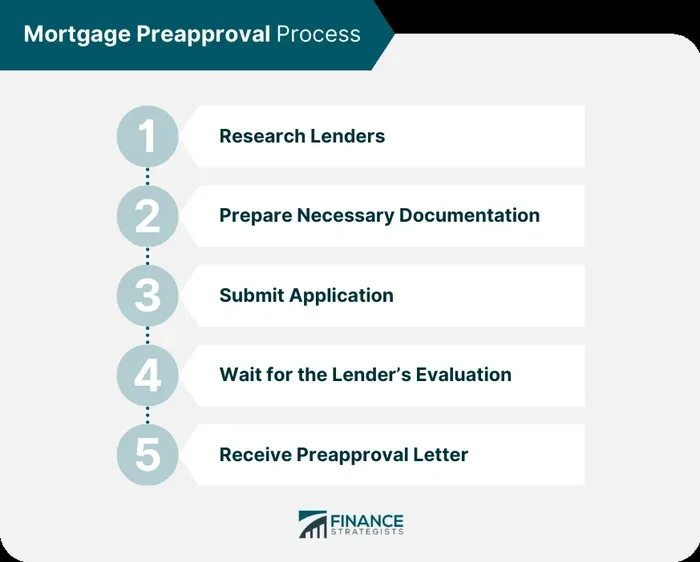
Finding the best place to get preapproved for a mortgage can feel overwhelming, but you do not have to navigate it alone. This guide breaks down lender types, credit requirements, and smart comparison strategies so you can choose with confidence. You will learn exactly what documents you need, how to avoid common pitfalls, and why shopping around actually saves you money. Read on to take control of your home buying journey today.
Key Takeaways
- Compare at least three lenders: Shopping around helps you find better rates, lower fees, and more flexible terms.
- Check your credit first: A higher score usually means better preapproval odds and cheaper monthly payments.
- Gather documents early: Pay stubs, tax returns, and bank statements speed up the entire process.
- Understand loan types: Conventional, FHA, and VA loans each have different rules and benefits.
- Ask about fees upfront: Application costs, appraisal fees, and closing charges can add up quickly.
- Keep your budget realistic: Preapproval tells you what you qualify for, not what you should spend.
- Lock your rate when ready: Rate locks protect you from market swings while you hunt for your dream home.
📑 Table of Contents
Introduction
Buying a home is one of the biggest financial steps you will ever take. The process starts long before you tour open houses or sign paperwork. It begins with a simple but powerful step called mortgage preapproval. When you know the best place to get preapproved for a mortgage, you save time, reduce stress, and walk into negotiations with real confidence.
Many first time buyers feel lost in the lender maze. You might hear conflicting advice from friends, family, or online forums. Some people swear by big national banks. Others push local credit unions or online lenders. The truth is that no single option works for everyone. Your income, credit history, debt load, and home buying goals all shape the right choice for you.
This guide will walk you through the entire preapproval landscape. You will learn how different lenders operate, what they look for, and how to compare offers without wasting energy. We will also cover the documents you need, the mistakes people make, and the smart habits that keep your budget on track. By the end, you will know exactly how to find the best place to get preapproved for a mortgage and move forward with clarity.
What Preapproval Really Means
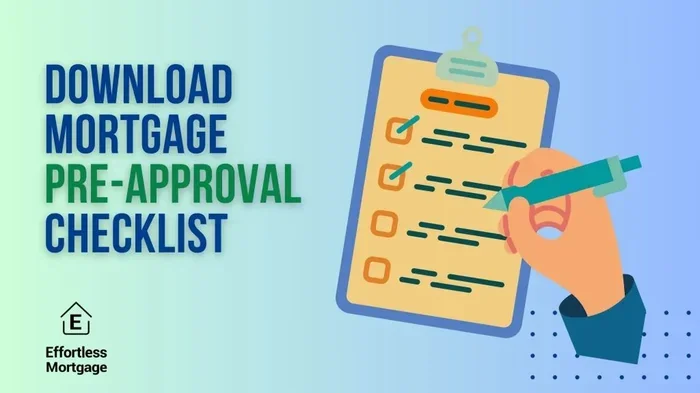
Visual guide about mortgage preapproval paperwork meeting
Image source: effortlessmortgage.ca
Preapproval is more than a quick yes or no. It is a lender review of your finances that ends with a conditional commitment. The lender checks your credit, income, assets, and debts. Then they tell you how much they are willing to lend you. This gives you a clear price range and shows sellers that you are serious.
Preapproval vs. Prequalification
People often mix these two terms. Prequalification is a rough estimate based on basic information you provide. It usually involves a soft credit check or no credit check at all. Preapproval goes much deeper. The lender verifies your documents and runs a hard credit pull. This makes preapproval far more reliable when you are ready to make an offer.
Why Preapproval Matters
Sellers want buyers who can actually close the deal. A preapproval letter shows that a lender has reviewed your finances and is ready to move forward. It also helps you shop within a realistic budget. You avoid falling in love with a home that stretches your finances too thin. Most importantly, it speeds up the closing process once your offer is accepted.
What Lenders Look For
Lenders focus on four main areas. They check your credit score and payment history. They review your income stability and employment record. They calculate your debt to income ratio to see how much of your monthly income goes toward existing obligations. They also look at your down payment and cash reserves. Strong numbers in these areas open more doors.
Where to Get Preapproved
Visual guide about mortgage preapproval paperwork meeting
Image source: emetropolitan.com
You have several paths to choose from. Each option has strengths and trade offs. The best place to get preapproved for a mortgage depends on your priorities, your financial profile, and how much hand holding you want during the process.
Big National Banks
Large banks offer convenience and brand recognition. If you already bank with them, the process can feel seamless. They often provide a wide range of loan products and in person service at local branches. On the downside, their rates are not always the lowest. Their underwriting rules can also feel rigid, especially if your financial situation has unique details.
Credit Unions
Credit unions are member owned institutions that often focus on community and personalized service. They may offer lower fees and more flexible underwriting for members with steady profiles. The tradeoff is that you usually need to qualify for membership first. Their technology and online tools may also lag behind larger lenders.
Online Lenders and Mortgage Tech Companies
Digital lenders have grown quickly because they make applying fast and convenient. You can often upload documents, track progress, and communicate with your loan team from one dashboard. Many online lenders compete on price, which can lead to competitive rates and lower closing costs. The challenge is that you may have less face to face support. If something complex comes up, you want a team that responds quickly.
Mortgage Brokers
A broker works as a middleman between you and multiple lenders. They shop your profile across several programs to find a fit. This can be helpful if your income is variable, you are self employed, or you need a more specialized loan. Brokers can save you time by doing the comparison work. Just remember that broker fees can vary, so ask for a clear breakdown before you commit.
Local Community Lenders
Smaller regional lenders sometimes understand local market conditions better than national players. They may offer more personal communication and faster turnaround for straightforward loans. If you value local relationships and direct support, this route can feel reassuring. The downside is that their product menu may be narrower.
How to Compare Your Options
Once you have a short list, compare the real costs and service quality. A low advertised rate is only one piece of the puzzle. The best place to get preapproved for a mortgage is the one that delivers the right mix of rate, fees, communication, and loan fit.
Look Beyond the Interest Rate
The rate affects your monthly payment, but it does not tell the whole story. Ask about origination charges, application fees, appraisal costs, and any third party expenses. Some lenders offer low rates but make up for it with higher closing costs. Others charge a bit more upfront but include better service or faster processing.
Ask About Loan Programs
Different lenders specialize in different products. Some are strong with conventional loans. Others excel with government backed options. If you are a first time buyer, ask which programs they recommend for your situation. If you serve in the military or have unique income sources, make sure they can handle those details smoothly.
Check Communication and Responsiveness
Mortgage processing can be stressful. You want a lender who answers questions clearly and keeps you updated. Pay attention to how quickly they respond during the preapproval stage. That tone often continues through closing. A lender who disappears for days when you are just asking a question may not be the best partner for a high stakes transaction.
Compare Rate Lock Policies
A rate lock protects you from market changes for a set period. Ask how long locks last, whether they cost extra, and what happens if your closing gets delayed. Flexible lock terms can be valuable if you are still searching for the right home. Rigid lock policies can create pressure if your timeline shifts.
Documents You Will Need
Preparation makes everything smoother. Lenders need proof that you can handle the loan. Having your paperwork ready helps you move faster and reduces back and forth. This is one of the simplest ways to improve your experience at any best place to get preapproved for a mortgage.
Income and Employment Proof
Expect to provide recent pay stubs, W2 forms, and tax returns. If you are self employed, lenders usually want more documentation, such as profit and loss statements or business tax returns. They may also verify your employment directly. Keep your records organized and easy to access.
Asset and Bank Statements
Lenders want to see where your money is coming from and how much you have saved. They typically ask for recent bank statements, investment accounts, and any large deposit explanations. If someone is helping with your down payment, you may need a gift letter. Clear paper trails prevent delays.
Credit and Debt Information
You do not need to send your credit report, but you should know what is on it. Review your reports for errors before you apply. Gather information about current debts, such as car loans, student loans, credit cards, and monthly obligations. Accurate numbers help the lender calculate your debt to income ratio correctly.
Identification and Personal Records
You will need a valid government ID, Social Security number, and basic personal information. If you have had recent life changes, such as a name change or address change, be ready to explain them. Simple details matter when the file moves through underwriting.
Common Mistakes to Avoid
Even smart buyers make avoidable errors during preapproval. A few small missteps can slow things down or weaken your position. Learning these traps now helps you choose the best place to get preapproved for a mortgage with confidence.
Applying With Too Many Lenders at Once
It is smart to shop around, but timing matters. Multiple hard credit pulls in a short window can affect your score. Many scoring models treat mortgage inquiries within a focused period as a single event, but you still want to be deliberate. Pick a few strong options, compare them carefully, and avoid random applications spread over weeks.
Changing Your Financial Picture Mid Process
Do not open new credit cards, buy a car, or move large sums of money while your file is active. Lenders recheck your finances before closing. Sudden changes can raise questions or even derail approval. Keep your financial life steady until the keys are in your hand.
Confusing Preapproval With Final Approval
Preapproval is a strong step, but it is not a guaranteed closing. The property still has to pass appraisal and title review. Your final loan approval depends on the home you choose and the latest version of your financial profile. Treat preapproval as a powerful tool, not a finish line.
Ignoring Closing Costs
Some buyers focus only on the monthly payment and forget about cash needed at closing. Down payment, lender fees, title charges, taxes, and insurance can add up. Ask for a clear estimate early so you can plan your cash reserves. Surprise costs are much easier to handle when you expect them.
Not Asking Enough Questions
You are allowed to ask how the process works, who your main contact will be, and what could delay your file. A good lender welcomes clear questions. If you feel rushed or brushed off, that is useful information too. The right partner should make you feel informed, not confused.
Expert Tips for a Smooth Preapproval
A few simple habits can make the entire experience better. These tips work whether you choose a bank, credit union, online lender, broker, or local shop. They help you find the best place to get preapproved for a mortgage while keeping your stress level low.
Start With a Credit Check
Review your credit before you apply. Fix errors, pay down high balances, and avoid new debt if you can. Even a small score improvement can open better pricing. Think of this as laying a clean foundation before building the house.
Get Quotes Within a Focused Window
Collect your preapproval quotes in a short timeframe. That keeps your comparison clean and reduces unnecessary credit impact. Write down the rate, estimated costs, loan terms, and service notes for each option. A simple comparison sheet makes decisions easier.
Be Honest and Complete
Share accurate information and answer requests promptly. Missing documents or vague details create delays. If something unusual is happening in your finances, explain it early. Transparency usually leads to smoother underwriting.
Keep Your Budget Realistic
Just because a lender approves a certain amount does not mean you should spend it. Think about property taxes, insurance, maintenance, and your lifestyle. A comfortable payment gives you breathing room after closing. Homeownership should support your life, not squeeze it.
Choose Service Over Flash
A polished website is nice, but reliable communication matters more. Ask how often you will hear updates, who handles questions, and what their typical timeline looks like. The best experience often comes from a lender who keeps things clear and steady.
Plan for the Next Step
Preapproval is only the beginning. Once you have your letter, start touring homes within your comfort zone. Keep your documents current. Respond quickly when your loan officer asks for anything. Momentum helps you move from preapproval to closing with less friction.
Final Thoughts
Finding the best place to get preapproved for a mortgage is really about finding the right fit for your finances and your comfort level. Some buyers want the convenience of a big bank. Others prefer the personal touch of a credit union or the speed of an online lender. Some need a broker who can navigate a more complex profile. There is no universal winner, only the option that aligns with your needs.
Take your time, compare carefully, and ask clear questions. Gather your documents, protect your credit, and keep your budget realistic. When you approach preapproval with preparation and confidence, you give yourself a much stronger start to the home buying journey. The right lender will not just tell you what you can borrow. They will help you understand what makes sense, what it costs, and how to move forward without unnecessary stress.
Frequently Asked Questions
What credit score do I need to get preapproved for a mortgage?
Most lenders look for a solid credit score, but the exact number depends on the loan type and program. Conventional loans often favor higher scores, while government backed loans can be more flexible. Checking your credit early helps you understand where you stand before you apply.
How long does mortgage preapproval take?
Many lenders can give you a preapproval decision within a few business days once you submit your documents. Some online lenders move faster, while more complex files may take longer. The timeline usually depends on how quickly you provide income, asset, and debt information.
Does shopping around for preapproval hurt my credit?
It can, but the impact is usually limited if you compare lenders within a short window. Credit scoring models often treat multiple mortgage inquiries close together in a more forgiving way. Still, it is smart to be intentional and avoid spreading out random applications over a long period.
Can I get preapproved if I am self employed?
Yes, many self employed buyers get preapproved, but the documentation is usually more detailed. Lenders typically want tax returns, profit and loss statements, and proof of steady income. Working with a lender experienced in self employed files can make the process much smoother.
What is the difference between preapproval and final loan approval?
Preapproval means a lender has reviewed your finances and is conditionally ready to lend. Final approval happens after you choose a property and the lender verifies the home appraisal, title, and any last financial details. Preapproval is a strong step, but the property and final underwriting still matter.
Should I get preapproved before I start looking at homes?
Yes, getting preapproved first is usually a smart move. It helps you know your price range, shows sellers you are serious, and speeds up the offer process. It also prevents you from waste time on homes that do not fit your budget or loan situation.