
Managing homophobic family members toward a child requires courage, empathy, and clear communication. It’s about protecting your child’s emotional safety while finding ways to maintain relationships where possible. With patience and boundaries, you can create a safer environment for your child to grow with love and acceptance.
Navigating family dynamics when your child comes out as LGBTQ+ can be deeply painful—especially if some relatives respond with hostility, silence, or rejection. You may feel torn between preserving cherished traditions and honoring your child’s identity. But you don’t have to choose between family and love. Managing homophobic family members toward a child isn’t about winning arguments; it’s about creating space where your child feels seen, protected, and unconditionally supported.
The journey begins with recognizing that your child’s well-being must come first. While reconciliation is possible for many families, it often requires time, education, and sometimes distance. This guide offers compassionate, practical steps to help you handle these sensitive situations with strength and grace—so your child grows up knowing they are cherished exactly as they are.
Key Takeaways
- Prioritize Your Child’s Emotional Safety: Always assess whether interactions with homophobic relatives are safe and supportive for your child before allowing visits or contact.
- Set Clear Boundaries: Communicate firm but respectful limits about what behavior is unacceptable, especially when it comes to derogatory language or exclusion.
- Educate With Compassion: Use teachable moments to gently correct misconceptions without confrontation, focusing on shared values like kindness and respect.
- Leverage Support Networks: Build connections with LGBTQ+-affirming communities, therapists, or support groups to strengthen both you and your child emotionally.
- Know When to Limit Contact: Sometimes the healthiest choice is reducing or ending contact with family members who consistently harm your child’s mental health.
- Model Self-Care and Resilience: Your calm and confident response helps your child understand that they are loved and valued despite others’ prejudice.
- Document Harmful Behavior: Keep records of disrespectful comments or actions—this can be useful if legal or institutional intervention becomes necessary.
📑 Table of Contents
- Understanding the Impact of Homophobia on Children
- Preparing to Have Difficult Conversations
- Setting Firm Yet Respectful Boundaries
- Using Education to Combat Misinformation
- Cultivating Alternative Support Systems
- Deciding How Much Contact Is Enough
- Nurturing Your Child’s Identity With Confidence
- Long-Term Strategies for Family Healing
Understanding the Impact of Homophobia on Children
When family members express homophobia toward a child, the effects ripple through every aspect of their development. Research consistently shows that LGBTQ+ youth who face rejection from parents or extended family are significantly more likely to experience depression, anxiety, substance abuse, and suicidal ideation. Even subtle cues—like avoiding eye contact during pride events or refusing to use a child’s chosen name—can signal disapproval that undermines self-esteem.
Children absorb messages loud and quiet. If a grandparent says, “I just don’t understand why you’re doing this,” while turning away, the message isn’t just “I disagree.” It’s “You are wrong, and I am disappointed in you.” Over time, this erodes trust and makes children question their worth. That’s why managing homophobic family members toward a child demands more than politeness—it requires intentional action to shield them from harm.
Preparing to Have Difficult Conversations
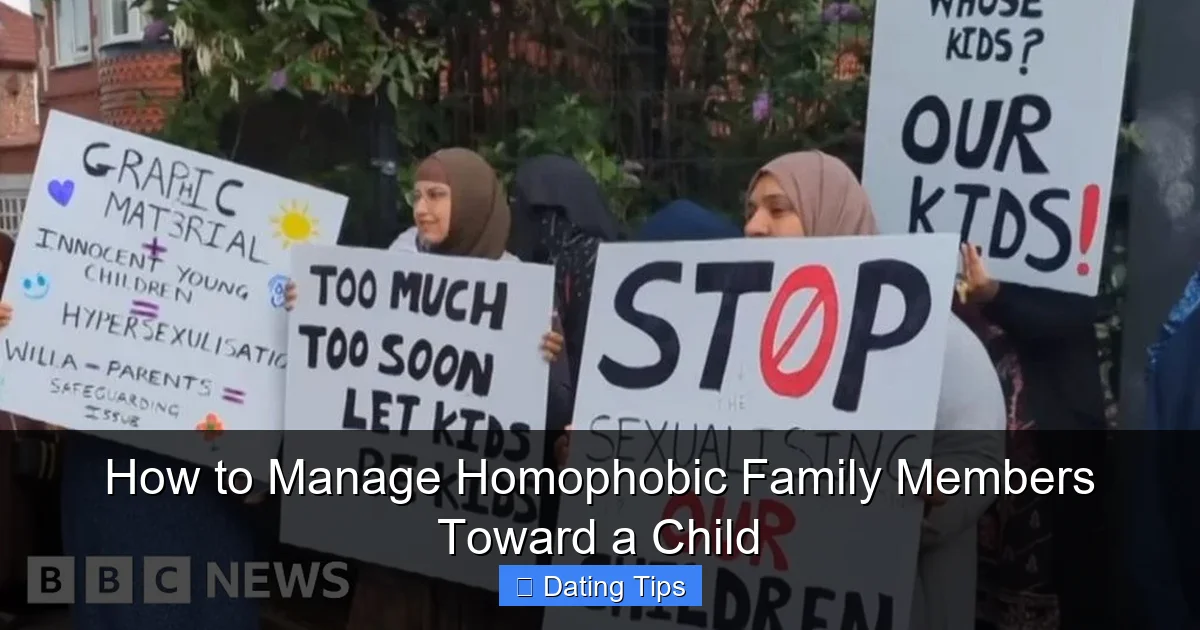
Visual guide about How to Manage Homophobic Family Members Toward a Child
Image source: ichef.bbci.co.uk
Before addressing homophobic relatives, take time to center yourself emotionally. Grief, anger, and fear are normal responses. Journaling, talking to a therapist, or connecting with other parents in similar situations can ground you. Remember: your goal isn’t to convince everyone to agree with you overnight. It’s to establish that your child matters—and that you will defend their dignity.
Start small. Choose one trusted family member—perhaps an aunt who’s always been kind—and share your feelings calmly: “I need your support. My child is struggling because of things people say, and I’m trying my best to protect them.” Avoid accusatory language like “You’re being hateful.” Instead, focus on impact: “When you said X, it made my child cry.” This frames the issue around your child’s pain rather than attacking the person.
If you’re unsure how to begin, consider inviting a neutral third party—like a counselor or clergy member—to facilitate the conversation. Sometimes hearing guidance from someone they respect helps open minds. For example, if your mother-in-law struggles with religious beliefs, ask her to read inclusive scripture interpretations together. Small gestures like these plant seeds without triggering defensiveness.
Setting Firm Yet Respectful Boundaries
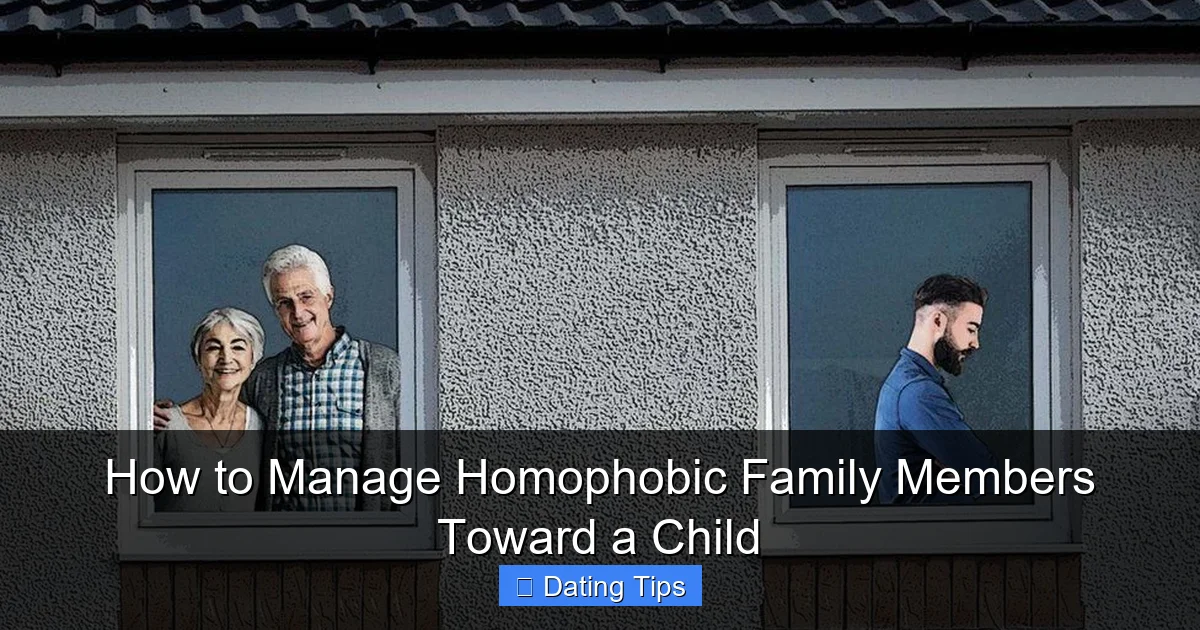
Visual guide about How to Manage Homophobic Family Members Toward a Child
Image source: ichef.bbci.co.uk
Boundaries aren’t walls—they’re bridges built on mutual respect. When managing homophobic family members toward a child, clearly define acceptable behavior. Say something like:
*“We love spending time together, but we cannot have conversations where my child is called names or told they’re confused. If that happens, we’ll need to end the visit.”*
Be specific. Don’t assume they’ll guess what offends you. Outline examples: “No jokes about gay people, no questions implying my child is ‘just going through a phase,’” etc. Write these down beforehand so you stay calm under pressure.
It’s okay to limit contact temporarily. If grandparents refuse to acknowledge your child’s identity during holidays, suggest video calls instead of in-person gatherings until trust builds. You might also designate ‘safe topics’ (e.g., hobbies, school) while avoiding discussions about sexuality altogether if tensions run high.
Remember: setting boundaries isn’t selfish—it’s parenting. Just as you wouldn’t let strangers bully your child at a playground, you won’t allow harmful relatives to do so in your home or online spaces.
Using Education to Combat Misinformation
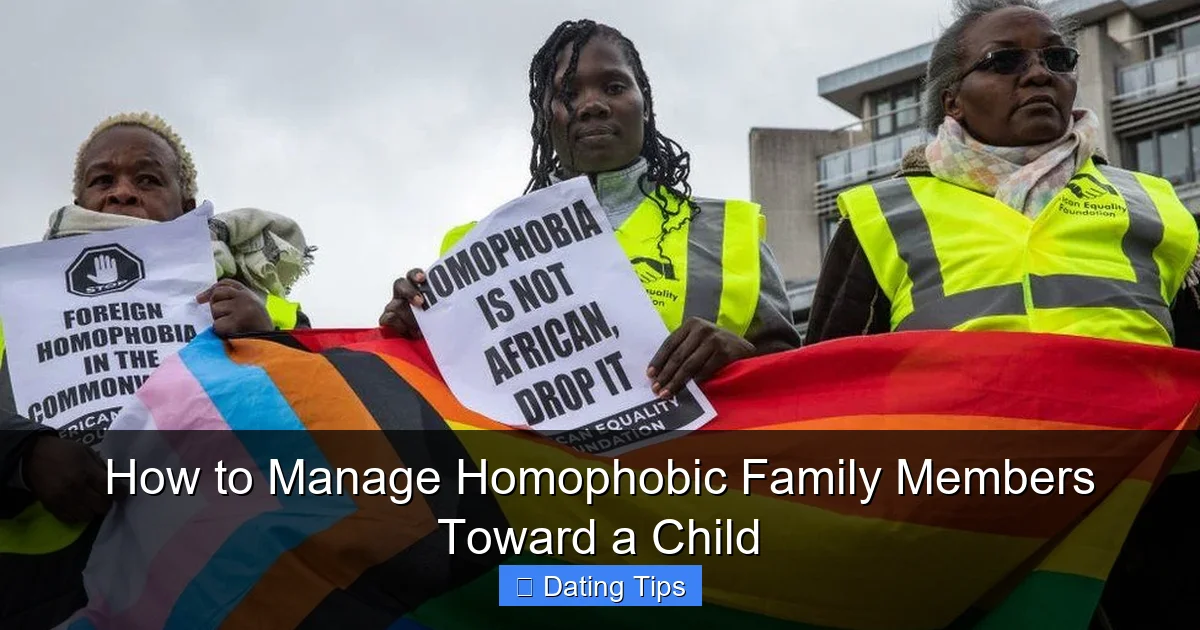
Visual guide about How to Manage Homophobic Family Members Toward a Child
Image source: ichef.bbci.co.uk
Many people harbor homophobia not from malice, but from ignorance. They’ve never met an openly gay person, heard personal stories, or understood that love is love regardless of gender. When managing homophobic family members toward a child, seize opportunities to educate gently.
Share age-appropriate books, documentaries, or articles that humanize LGBTQ+ experiences. The Trevor Project’s resources or PFLAG guides offer excellent starting points. Frame it as curiosity: “I came across this story about a trans teen who found community—want to watch it together?”
Avoid debates. If someone insists conversion therapy works, calmly reply: “That’s dangerous misinformation endorsed by no credible medical organization. Let’s look at what the American Psychological Association says instead.” Redirect to facts, not fights.
Most importantly, highlight shared values. Emphasize that you all want happiness, safety, and love for your child. Point out how rejecting someone contradicts Christian teachings of compassion or Jewish principles of *chesed* (loving-kindness). These common-ground appeals resonate far more than abstract rights arguments.
Cultivating Alternative Support Systems
Even when some relatives remain unsupportive, your child doesn’t need them. Build a village of affirming adults—teachers, mentors, friends’ parents, or local LGBTQ+ youth centers. Invite these positive influences into your child’s life. Arrange playdates with accepting cousins, enroll them in inclusive camps, or connect them with peer mentors through organizations like Big Brothers Big Sisters.
Consider professional counseling. Therapists trained in gender and sexual diversity provide safe spaces for processing grief over lost relationships or anxiety about future interactions. Many specialize in working with families navigating acceptance journeys. You’ll learn de-escalation techniques and gain tools to model resilience for your child.
Online communities also matter. Platforms like Reddit’s r/LGBTQ_parents or Facebook groups for parents of queer kids offer instant advice, venting outlets, and solidarity. Knowing you’re not alone reduces isolation dramatically.
Deciding How Much Contact Is Enough
Sometimes, despite best efforts, certain relatives refuse to change. They may send hurtful texts, exclude your child from weddings, or spread rumors. In such cases, evaluating contact frequency becomes essential. Ask yourself:
– Does this relationship lift my child up or drag them down?
– Are they modeling accountability or enabling harm?
– Will cutting ties cause greater pain than maintaining toxic contact?
There’s no universal answer. Some families slowly rebuild trust over years; others require permanent distance. If you decide to reduce contact, communicate clearly: “Until you can respect my child as my son/daughter/partner, we won’t be seeing each other regularly.” Be prepared for guilt—but remember, protecting your child’s mental health isn’t neglect; it’s love in action.
In extreme cases—such as physical threats or severe psychological abuse—consult a lawyer or domestic violence advocate. Legal measures like restraining orders may be necessary to ensure safety.
Nurturing Your Child’s Identity With Confidence
Amidst family strife, your unwavering support is your child’s greatest gift. Celebrate milestones proudly: rainbow birthdays, coming-out anniversaries, or first dates with someone special. Display photos of your child with their partner in your home. When relatives ask awkward questions, answer simply: “She makes me happy. That’s all that matters.”
Teach your child coping strategies too. Role-play responses to rude comments: “I hear you’re upset, but my pronouns are they/them. Can we talk about something else?” Or practice walking away gracefully. Remind them: their identity isn’t a phase—it’s authentic, valid, and worthy of celebration.
And don’t forget to care for yourself. Parenting a queer kid amid homophobia takes emotional labor. Schedule regular check-ins with friends, attend support groups, or seek therapy. When you’re centered, you radiate stability for your child.
Long-Term Strategies for Family Healing
Healing isn’t linear. Expect setbacks—a relative slipping back into old habits, holidays feeling tense, or social media posts that wound. Stay patient but consistent. Continue modeling respect in everyday interactions. Send cards for birthdays even if they haven’t apologized. These small acts signal that love persists beyond disagreement.
Consider family therapy facilitated by an LGBTQ+-competent clinician. Structured sessions create neutral ground for dialogue. Goals might include practicing active listening, learning inclusive language, or co-developing holiday traditions that honor everyone.
For intergenerational families, bridge-building starts with elders. Older relatives often hold cultural authority. Share stories from your child’s childhood—how they dreamed of dancing ballet or building rockets—to remind them who they’ve known all along. Human connection transcends ideology.
Ultimately, managing homophobic family members toward a child is about planting seeds of change. Not every seed sprouts immediately. But with time, compassion, and boundaries, many families find new paths forward—paths where love wins over judgment.
Frequently Asked Questions
How do I know if a family member’s homophobia is serious enough to limit contact?
If comments cause your child visible distress, involve slurs, or threaten their safety, it’s time to reevaluate contact. Trust your instincts—your child’s emotional well-being should guide decisions. Consulting a therapist can help clarify boundaries.
Can I ask my child to “come out” to homophobic relatives gradually?
No. Coming out belongs to your child. Never pressure them to educate others or soften reactions. Their timeline is sacred. Focus instead on preparing them for potential responses using role-play or counseling.
What if my spouse agrees with the homophobic views?
This creates complex dynamics. Seek couples counseling focused on LGBTQ+ inclusion. If they refuse to change, consider separate living arrangements temporarily. Your child needs two parents united in support—even if progress is slow.
Are there legal protections against homophobic remarks from family?
In most places, private family speech isn’t legally actionable unless it crosses into harassment (e.g., threatening calls). However, documenting patterns helps if you need evidence for school interventions or custody considerations.
How can I explain my child’s identity to younger cousins who don’t understand?
Keep it simple: “Their heart loves the same gender. We treat them with kindness and respect.” Provide age-appropriate books or videos. Encourage questions without judgment. Consistency reinforces acceptance.
Will my child resent me if I distance myself from homophobic relatives?
Most children understand that protecting them isn’t abandonment—it’s love. Reassure them frequently: “I’m choosing you. Our bond is stronger than anyone’s opinions.” Professional support can ease any lingering doubts.
