
Looking for the best career paths after earning your psychology degree? This guide covers the top jobs for psychology majors across multiple industries, including mental health, business, education, and healthcare. Whether you have a bachelor’s or master’s degree, these rewarding career options will help you turn your passion for understanding people into a thriving profession.
Key Takeaways
- Psychology degrees open doors beyond therapy: You can work in HR, marketing, education, social services, and many other fields.
- Salary potential varies widely: Entry-level positions start around $35,000, while specialized roles can exceed $100,000 annually.
- Many roles require advanced degrees: Clinical and counseling positions typically need a master’s or doctorate for licensure.
- Transferable skills are your superpower: Communication, empathy, critical thinking, and research skills apply across industries.
- Job growth is strong: Mental health and substance abuse roles are projected to grow much faster than average through 2032.
- Internships and experience matter: Hands-on experience during college significantly boosts your job prospects after graduation.
- Networking is essential: Building professional connections early can lead to job offers and mentorship opportunities.
📑 Table of Contents
- Why Psychology Majors Have Excellent Career Options
- Clinical and Counseling Psychology Careers
- Business and Corporate Career Paths
- Education and Research Opportunities
- Healthcare and Social Services Roles
- Emerging and Niche Career Options
- Comparison of Top Psychology Careers
- How to Maximize Your Psychology Degree
- Common Mistakes Psychology Majors Make
- Expert Insights for Psychology Graduates
- Final Thoughts on Psychology Career Paths
Why Psychology Majors Have Excellent Career Options
Earning a psychology degree gives you something truly special. You learn how people think, feel, and behave. This knowledge applies to almost every industry imaginable. The top jobs for psychology majors span healthcare, business, education, law enforcement, and beyond.
Many students worry their degree limits them to becoming a therapist. That is simply not true. Psychology graduates possess highly sought-after skills. Employers value their ability to understand human behavior, communicate effectively, and analyze data. These transferable skills make psychology majors competitive candidates for a wide range of positions.
According to the American Psychological Association, about 6% of psychology bachelor’s degree holders become psychologists. The rest pursue diverse career paths. They thrive in human resources, sales, marketing, social work, and management. Your psychology degree is a versatile foundation for many fulfilling careers.
Clinical and Counseling Psychology Careers
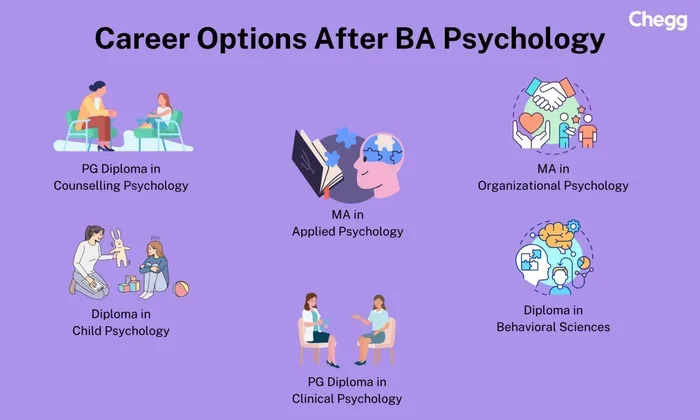
Visual guide about psychology career choices
Image source: cheggindia.com
Clinical Psychologist
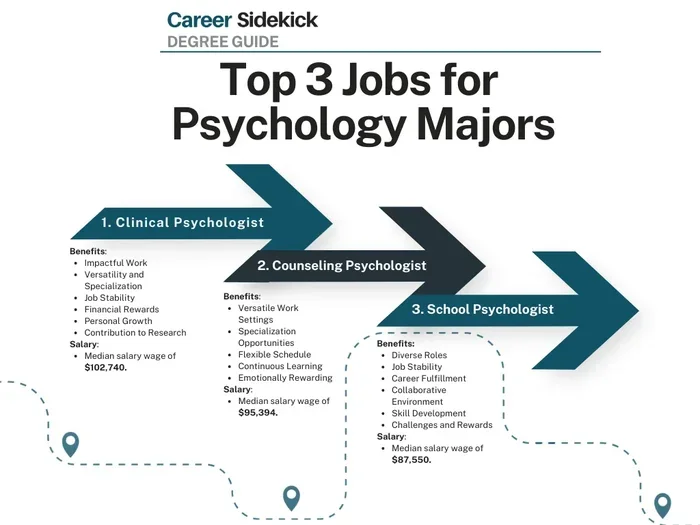
Clinical psychologists assess and treat mental health disorders. They work with patients experiencing depression, anxiety, trauma, and other conditions. This role requires a doctoral degree (Ph.D. or Psy.D.) and state licensure. The median salary for clinical psychologists is around $90,000 per year, with experienced professionals earning well over $120,000.
Licensed Counselor
Licensed counselors help people navigate life challenges. They work in private practices, hospitals, schools, and community agencies. Most positions require a master’s degree in counseling or a related field. The median salary is approximately $49,000 annually, and job growth is projected at 18% through 2032.
Marriage and Family Therapist
These therapists specialize in relationship dynamics. They help couples and families improve communication and resolve conflicts. A master’s degree and supervised clinical hours are required. The median salary is about $56,000, with strong demand expected to continue growing.
Substance Abuse Counselor
Substance abuse counselors help individuals overcome addiction. They work in rehabilitation centers, hospitals, and outpatient facilities. Requirements vary by state, but many positions accept a bachelor’s degree with certification. The median salary is around $48,000, and this field is growing rapidly due to increased awareness of addiction issues.
If you are passionate about mental health, understanding emotional patterns is crucial. Many people struggle with unexplained emotional responses, and learning about topics like why you might feel like crying for no reason can deepen your empathy and professional insight.
Business and Corporate Career Paths
Visual guide about psychology career choices
Image source: careersidekick.com
Human Resources Specialist
HR specialists recruit, interview, and place workers in organizations. They also handle employee relations, benefits, and training. Psychology majors excel in these roles because they understand human motivation and behavior. The median salary is about $64,000, and a bachelor’s degree is typically sufficient for entry-level positions.
Industrial-Organizational Psychologist
I-O psychologists apply psychological principles to workplace issues. They improve employee productivity, satisfaction, and organizational culture. This specialized field often requires a master’s degree. The median salary is impressive at around $139,000, making it one of the highest-paying psychology careers.
Market Research Analyst
Market research analysts study consumer behavior to help companies make informed decisions. They design surveys, analyze data, and interpret trends. Psychology majors bring valuable skills in research methodology and understanding human motivation. The median salary is approximately $68,000, and job growth is strong at 13% projected through 2032.
Training and Development Manager
These professionals design and implement employee training programs. They identify skill gaps and create educational materials to improve workforce performance. The median salary is around $120,000, and experience in organizational settings is highly valued.
Working in corporate settings often requires strong interpersonal skills. Understanding why it can be hard to speak up for yourself is valuable knowledge for HR professionals and managers who want to create inclusive workplace environments.
Education and Research Opportunities
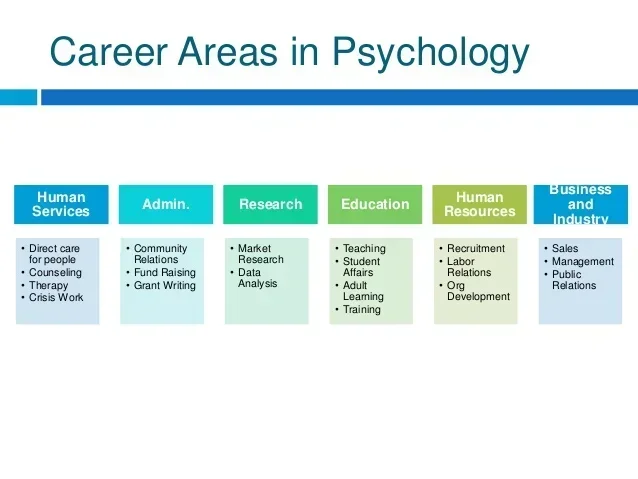
Visual guide about psychology career choices
Image source: image.slidesharecdn.com
School Psychologist
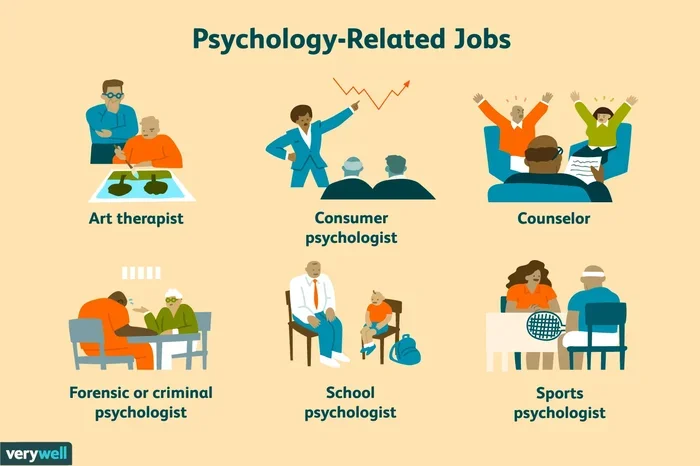
School psychologists support students’ academic and emotional well-being. They assess learning disabilities, provide counseling, and collaborate with teachers and parents. Most positions require a specialist degree (Ed.S.) or doctorate. The median salary is about $81,000, and demand is growing as schools prioritize mental health services.
Research Assistant
Research assistants work in universities, hospitals, and private research firms. They help design studies, collect data, and analyze results. This role is excellent for students considering graduate school. Entry-level salaries start around $35,000, with potential for growth as you gain experience.
Career Counselor
Career counselors help individuals make informed career decisions. They administer assessments, provide guidance, and assist with job search strategies. The median salary is approximately $60,000, and positions are available in colleges, government agencies, and private practices.
Special Education Coordinator
These coordinators oversee programs for students with disabilities. They ensure compliance with laws, develop individualized education plans, and support teachers. The median salary is around $62,000, and a master’s degree is typically required.
Healthcare and Social Services Roles
Social Worker
Social workers help individuals and families cope with challenges. They connect clients with resources, provide counseling, and advocate for vulnerable populations. Licensed clinical social workers (LCSWs) need a master’s degree. The median salary is about $55,000, with specialized roles earning significantly more.
Health Educator
Health educators teach people about behaviors that promote wellness. They develop programs, conduct workshops, and evaluate community health needs. The median salary is approximately $59,000, and job growth is strong at 7% projected through 2032.
Rehabilitation Specialist
Rehabilitation specialists help individuals with disabilities achieve independence. They develop treatment plans, coordinate services, and monitor progress. The median salary is around $38,000, though experienced specialists can earn over $60,000.
Child Welfare Specialist
These specialists protect children from abuse and neglect. They investigate cases, coordinate with families, and ensure child safety. The median salary is approximately $50,000, and positions are available through government agencies and nonprofit organizations.
Emerging and Niche Career Options
Forensic Psychologist
Forensic psychologists apply psychological principles to legal issues. They assess defendants, provide expert testimony, and consult on criminal cases. This fascinating field requires a doctoral degree. The median salary is around $75,000, with experienced forensic psychologists earning over $100,000.
User Experience (UX) Researcher
UX researchers study how people interact with products and technology. They conduct user tests, analyze behavior, and recommend design improvements. Psychology majors bring valuable research skills to this growing field. The median salary is approximately $95,000, and demand continues to rise as companies prioritize user-centered design.
Sports Psychologist
Sports psychologists help athletes improve performance and cope with pressure. They work with professional teams, Olympic athletes, and college programs. This specialized field requires a doctoral degree. The median salary ranges from $60,000 to $80,000, with elite consultants earning significantly more.
Art Therapist
Art therapists use creative expression to help clients process emotions and heal. They work in hospitals, schools, and private practices. A master’s degree and board certification are required. The median salary is around $52,000, and this unique field combines psychology with creative arts.
Understanding emotional resilience is important in any helping profession. Learning about the characteristics of people who don’t beat themselves up for mistakes can provide valuable insights for psychology professionals working with clients on self-compassion and growth.
Comparison of Top Psychology Careers
| Career | Education Required | Median Salary | Job Growth |
|---|---|---|---|
| Clinical Psychologist | Doctorate | $90,000 | 6% |
| HR Specialist | Bachelor’s | $64,000 | 6% |
| School Psychologist | Specialist/Doctorate | $81,000 | 5% |
| Market Research Analyst | Bachelor’s | $68,000 | 13% |
| Substance Abuse Counselor | Bachelor’s/Certification | $48,000 | 18% |
| I-O Psychologist | Master’s | $139,000 | 6% |
| UX Researcher | Bachelor’s/Master’s | $95,000 | 13% |
| Social Worker | Master’s | $55,000 | 7% |
How to Maximize Your Psychology Degree
Gain Practical Experience
Internships and volunteer work are essential. They provide hands-on experience and help you build professional connections. Look for opportunities in hospitals, mental health clinics, research labs, and nonprofit organizations. Even part-time work in related fields strengthens your resume.
Develop Specialized Skills
Consider learning additional skills that complement your psychology degree. Data analysis, statistical software (SPSS, R), and research methodology are highly valued. Certifications in areas like crisis intervention or substance abuse counseling can also boost your credentials.
Network Strategically
Join professional organizations like the American Psychological Association (APA) or the Association for Psychological Science (APS). Attend conferences, workshops, and networking events. Connect with alumni from your program who work in your areas of interest. Many jobs are filled through referrals and professional connections.
Consider Graduate School
While many careers are available with a bachelor’s degree, graduate education opens doors to higher-paying and more specialized roles. Research programs carefully, considering factors like accreditation, faculty expertise, and clinical training opportunities. Some employers offer tuition assistance for employees pursuing advanced degrees.
Common Mistakes Psychology Majors Make
Waiting too long to gain experience. Many students focus solely on academics and graduate without practical experience. Start volunteering or interning as early as your sophomore year.
Limiting your job search to traditional psychology roles. Your degree qualifies you for positions in business, technology, education, and healthcare. Cast a wide net when exploring career options.
Ignoring the power of networking. Building relationships with professors, professionals, and alumni can lead to job opportunities and mentorship. Attend events and stay connected with your professional community.
Underestimating transferable skills. Employers value your communication, critical thinking, and research abilities. Highlight these skills in your resume and interviews, even for non-psychology positions.
Expert Insights for Psychology Graduates
Dr. Sarah Mitchell, a career counselor specializing in psychology graduates, offers this advice: “The biggest advantage psychology majors have is versatility. You understand human behavior, which is relevant in every industry. Don’t feel pressured to follow a single path. Explore different fields, talk to professionals, and be open to unexpected opportunities.”
She also emphasizes the importance of self-reflection. “Take time to identify what energizes you. Do you prefer working directly with people, analyzing data, or developing programs? Your ideal career aligns with your natural strengths and interests.”
Final Thoughts on Psychology Career Paths
The top jobs for psychology majors offer something for everyone. Whether you are drawn to clinical work, business, research, or technology, your psychology degree provides a strong foundation. The key is to explore your options, gain practical experience, and remain open to diverse opportunities.
Remember that your career path does not have to be linear. Many psychology graduates transition between fields throughout their careers. Your degree equips you with adaptable skills that remain valuable across industries and roles. Take advantage of career services, mentorship opportunities, and professional development resources. Your psychology degree is the beginning of a rewarding professional journey.
Frequently Asked Questions
What can I do with a bachelor’s degree in psychology?
A psychology bachelor’s degree qualifies you for entry-level positions in human resources, social services, sales, marketing, and research. Many graduates also work as case managers, behavioral health technicians, or career counselors. While some advanced roles require graduate education, there are plenty of rewarding careers available with a four-year degree.
Do psychology majors make good money?
Yes, psychology majors can earn competitive salaries, especially in specialized fields. Industrial-organizational psychologists earn a median salary of $139,000, while clinical psychologists and UX researchers often earn over $90,000. Entry-level positions typically start around $35,000 to $45,000, with significant growth potential as you gain experience.
Is a psychology degree worth it?
A psychology degree is absolutely worth it if you are interested in human behavior and want versatile career options. Graduates work in healthcare, business, education, technology, and government. The degree develops transferable skills like communication, critical thinking, and research that employers value across industries.
What is the highest-paying job for psychology majors?
Industrial-organizational psychologists typically earn the highest salaries, with a median of $139,000 annually. Other high-paying options include clinical psychologists ($90,000), UX researchers ($95,000), and engineering psychologists ($120,000+). Salaries vary based on location, experience, and education level.
Can I become a therapist with a bachelor’s in psychology?
You cannot become a licensed therapist with only a bachelor’s degree. Most therapy roles require a master’s degree and supervised clinical hours. However, you can work as a behavioral health technician, case manager, or crisis counselor with a bachelor’s degree while pursuing graduate education.
What skills do psychology majors develop?
Psychology majors develop strong communication, research, critical thinking, and empathy skills. They learn to analyze data, understand human behavior, and apply evidence-based approaches to problem-solving. These transferable skills are valuable in virtually every professional setting.
