
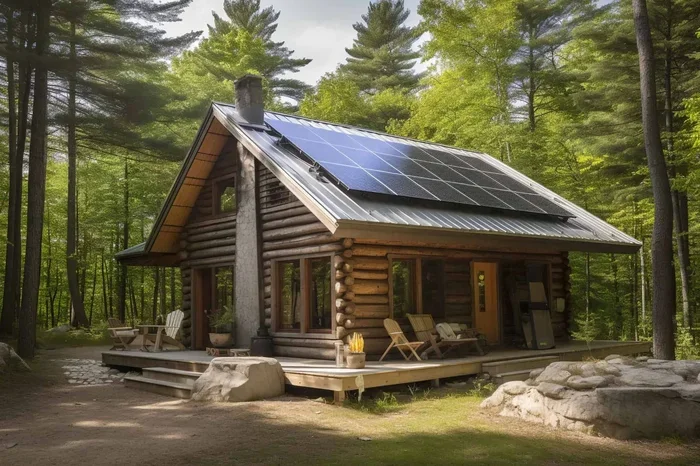
Off grid living sounds like a dream, but the challenges of off grid living are often hidden from beginners. You need to know about power systems, water sources, and the emotional toll of isolation. We break down the hard truths so you can decide if this lifestyle truly fits your life.
Many people dream of leaving the city behind. They picture a quiet cabin in the woods. They imagine fresh air and total freedom. Off grid living looks perfect on social media. But the challenges of off grid living are real. You need to know what you are signing up for.
This lifestyle is not just about camping. It is about building a new life from scratch. You will handle power, water, and waste on your own. You will also face weather, isolation, and hard work. We want to help you see the full picture. You deserve clear facts before you make a big move.
In this guide, we share the hard truths. We talk about daily tasks, hidden costs, and emotional shifts. We also share simple tips to make the transition smoother. Read on to learn what no one tells you about this path.
Key Takeaways
- Power Management: Generating your own electricity requires constant monitoring and backup plans.
- Water Security: You must secure a reliable water source and learn to maintain it yourself.
- Isolation Impact: Living remotely can strain relationships and affect your mental health.
- Skill Building: You need practical skills for repairs, food production, and emergency response.
- Financial Reality: Initial setup costs are high, and budgeting becomes a daily priority.
- Community Matters: Connecting with like-minded neighbors helps reduce loneliness and share knowledge.
- Preparation is Key: Researching thoroughly before moving prevents costly mistakes and stress.
📑 Table of Contents
- What Is Off Grid Living Really About
- Power Systems And Daily Energy Management
- Water Sources, Storage, And Conservation
- Isolation, Community, And Mental Wellbeing
- Food Production, Storage, And Seasonal Planning
- Financial Realities And Long Term Planning
- Common Challenges And How To Handle Them
- Final Thoughts Before You Make The Leap
What Is Off Grid Living Really About
Off grid living means you do not rely on public utilities. You create your own power. You manage your own water. You handle your own waste. Some people also grow their own food. This lifestyle gives you more control. It also gives you more responsibility.
Many people think it is all peace and quiet. That is only part of the story. You will spend a lot of time on maintenance. You will learn new skills fast. You will also make mistakes. That is normal. The key is to prepare for the work, not just the beauty.
If you are thinking about a big life change, you may also be looking at other personal shifts. Some people explore what it means when you dream about someone as they process major transitions. Big changes often bring deep reflection. That is a good thing. It helps you choose a path that fits your values.
The Freedom And The Responsibility
Freedom is the biggest draw. You choose your routines. You choose your pace. You choose how to use your land. But freedom comes with duty. If your system fails, you fix it. If your water runs low, you solve it. There is no landlord to call. There is no utility company to wait on.
This can feel empowering. It can also feel heavy. You need a realistic mindset. You do not need to know everything on day one. You do need a plan to learn. Start with small systems. Test your ideas. Grow your skills over time.
Power Systems And Daily Energy Management
Power is one of the biggest challenges of off grid living. You cannot flip a switch and expect endless energy. You need a system that fits your needs. Solar panels are common. Wind turbines and generators are also options. Each choice has pros and cons.
You also need batteries. Batteries store energy for cloudy days and night time. They cost money. They also need care. You must monitor charge levels. You must protect them from extreme weather. You must replace parts over time. This is not a one-time purchase. It is an ongoing project.
Matching Power To Your Lifestyle
Before you buy anything, look at your daily habits. How much power do you use now? Do you need a fridge, lights, tools, or internet? Write it all down. Then design a system that can handle that load. It is better to start small and add more later.
Quick Tips for Power Planning
- Track your current energy use for one week.
- Choose efficient appliances to lower demand.
- Keep a backup plan for long cloudy stretches.
- Learn basic troubleshooting before you move.
You may also want to think about your daily routine. If you value calm and focus, you might enjoy reading about how to stay healthy and positive in personal challenges. Living off grid can be rewarding, but it also asks a lot from you. A steady mindset helps you stay grounded.
Common Power Mistakes
One common mistake is underestimating energy needs. Another is buying cheap parts that fail quickly. Another is ignoring maintenance. Power systems are not magic. They work best when you treat them with care.
Common Mistakes to Avoid
- Assuming solar panels work the same in every season.
- Skipping battery maintenance and monitoring.
- Forgetting to plan for winter sun hours.
- Not learning how to repair basic issues.
Water Sources, Storage, And Conservation
Water is life. That is true anywhere. It is even more true when you live off grid. You need a reliable source. You also need a way to store it. Then you need a way to make it safe. This can be simple or complex, depending on your land.
Some people use wells. Some use rain collection. Some use streams or springs. Each option has rules. Each option needs testing. You should check water quality often. You should also plan for dry seasons. A good system includes backup storage.
Conservation Becomes A Habit
When water is limited, you change your habits. You take shorter showers. You fix leaks fast. You reuse water when you can. This is not about suffering. It is about awareness. Many people find that conservation becomes a natural part of life.
Practical Water Tips
- Test your source regularly for safety.
- Store more water than you think you need.
- Learn basic filtration and purification methods.
- Watch for seasonal changes in supply.
If you are moving to a remote place, you may also feel a big shift in your social life. Some people notice that silence and distance change how they think. If you ever wonder is it normal to dislike silence when you have ADHD, you are not alone. Quiet can be peaceful, but it can also feel intense at first. Give yourself time to adjust.
Isolation, Community, And Mental Wellbeing
One of the biggest surprises is the emotional side. Off grid living can be peaceful. It can also feel lonely. You may be far from friends. You may be far from stores and services. That distance matters. It changes how you live and how you feel.
Some people love the quiet. Others miss easy social contact. Both reactions are normal. The key is to plan for your emotional needs. You can build routines that support your mood. You can also seek out community, even from a distance.
Building Connection In A Remote Life
Community does not always mean a crowded street. It can mean a few trusted neighbors. It can mean online groups. It can mean shared skills and mutual help. Many off grid dwellers trade tools, advice, and spare parts. That support matters a lot.
If you are thinking about a major relationship change along with your move, it may help to reflect on your emotional needs. Some people read about emotional needs you should never ignore in a relationship before making a big shift. Strong relationships need attention, even when life gets busy.
Staying Balanced When Life Gets Tough
Hard days will happen. A storm may damage your setup. A pump may break. A crop may fail. These moments can feel frustrating. They can also teach resilience. You learn to solve problems step by step. You also learn to ask for help when needed.
Quick Tips for Mental Balance
- Keep a simple daily routine.
- Make time for hobbies that relax you.
- Stay in touch with supportive people.
- Celebrate small wins, not just big goals.
You may also find it helpful to explore broader life lessons while you adjust. Some readers like how happiness can be found even in the darkest of times when they are working through difficult changes. Perspective can make a hard season feel more manageable.
Food Production, Storage, And Seasonal Planning
Food is another major part of the lifestyle. Some people grow everything they can. Others keep a large pantry. Many do both. The goal is usually more control over what you eat. That control takes planning. Plants need care. Animals need daily attention. Storage needs space and organization.
Seasons matter a lot. You cannot expect the same harvest all year. You need to plan for winter, drought, pests, and weather shifts. You also need a backup plan if a crop fails. A resilient food system is diverse. It does not depend on one crop or one method.
Start Small And Learn Fast
If you are new to growing food, start with easy crops. Herbs, greens, and hardy vegetables are good first steps. Learn your soil. Learn your frost dates. Learn what thrives in your area. Gardening is a skill, not a guess. The more you observe, the better you get.
Food Planning Basics
- Choose crops that match your climate.
- Save seeds if you can learn the process.
- Store dry goods in a cool, dry place.
- Keep a backup supply for emergencies.
It also helps to think about your daily habits and stress levels. If you are changing your environment, your routines may change too. You might notice you get more irritable during busy seasons. If that happens, you are not failing. You may just be tired. Some people look into wondering why do I get so angry over little things when stress builds up. Understanding your triggers can help you respond with more patience.
Financial Realities And Long Term Planning
Money matters in every lifestyle. Off grid living is not automatically cheaper. In fact, the start-up costs can be high. Land, tools, power systems, water systems, and building materials all add up. Even if you build slowly, you need a plan.
Ongoing costs also exist. Batteries wear out. Pumps need repair. Fuel may be needed for backup generators. Tools break. Roads or access paths may need maintenance. A realistic budget helps you avoid stress later.
Budgeting For The Real Cost Of Independence
Do not plan only for the first year. Think three to five years ahead. Include repairs, replacements, and learning costs. Include travel if your land is far from town. Include medical access, internet, and transport. The more complete your plan, the smoother your move will be.
Budget Planning Checklist
- Estimate start-up costs before buying land.
- Set aside money for repairs and backups.
- Track every expense during the first year.
- Leave room for unexpected problems.
If you are making a big life change, it may also help to reflect on what you want to release before you move. Some people find it useful to read about three things you can let go of unburden your life. Letting go of old expectations can make room for a more honest new beginning.
Common Challenges And How To Handle Them
The challenges of off grid living are not just technical. They are also personal. You may face fatigue. You may face delays. You may face weather that disrupts your plans. That is part of the journey. The goal is not to avoid problems. The goal is to handle them with steadiness.
One helpful approach is to expect learning curves. You will not master everything at once. You will improve by doing. Another helpful approach is to keep your systems simple at first. Complexity grows over time. Start with what you can maintain.
Comparison: City Life And Off Grid Life
It helps to compare the two lifestyles side by side. This makes the trade-offs clearer.
Comparison Table
- City Life: Easier access to services, more convenience, less self-reliance.
- Off Grid Life: More independence, more hands-on work, more planning required.
- City Life: Faster response to repairs, more social options nearby.
- Off Grid Life: quieter surroundings, more personal control, more responsibility.
- City Life: Predictable utilities, less daily maintenance.
- Off Grid Life: Custom systems, ongoing upkeep, deeper connection to land.
Neither path is better for everyone. The right choice depends on your goals, your energy, and your support system. If you want more autonomy, off grid life can be deeply rewarding. If you want less hands-on work, it may not be the best fit.
Final Thoughts Before You Make The Leap
Off grid living is a big commitment. It asks for skill, patience, and flexibility. It also offers something rare: a life shaped by your own choices. You decide how to power your home. You decide how to use your land. You decide how to live each day.
The challenges of off grid living are real, but they are not impossible. You can prepare. You can learn. You can build slowly. You can also ask for help when you need it. That is not weakness. That is wisdom.
If you are ready, start with research. Visit the land if you can. Talk to people who already live this way. Test your ideas before you spend everything. A thoughtful start can save you years of stress.
This lifestyle is not a fantasy. It is work, learning, and growth. It can also be beautiful, steady, and deeply personal. If it calls to you, answer with clear eyes and a practical plan.
Frequently Asked Questions
What are the biggest challenges of off grid living?
The biggest challenges usually include power management, water security, maintenance, and isolation. You also need to plan for weather, repairs, and seasonal changes. Preparation makes these challenges much easier to handle.
Is off grid living cheaper than regular home life?
Not always. Start-up costs can be high, especially for land, power systems, and water setup. Over time, you may save on utility bills, but you will still have maintenance and replacement costs to manage.
How hard is it to live off grid alone?
It can be challenging, especially at first. You will need to learn many skills and handle problems on your own. Many people reduce the difficulty by building a support network and starting with simple systems.
What should I learn before moving off grid?
You should learn basic power system care, water testing, food storage, and simple repairs. It also helps to understand your local climate, seasonal changes, and emergency planning. Practical skills matter more than perfection.
Can you still have internet off grid?
Yes, many people use satellite or mobile-based internet, depending on location. Speed and reliability can vary, so it is important to check coverage before you move. Planning for offline backups is also smart.
How do I know if off grid living is right for me?
It may be a good fit if you value independence, enjoy hands-on work, and are willing to keep learning. It may not be the best choice if you want constant convenience or very little maintenance. Visiting a similar lifestyle setup can help you decide.