
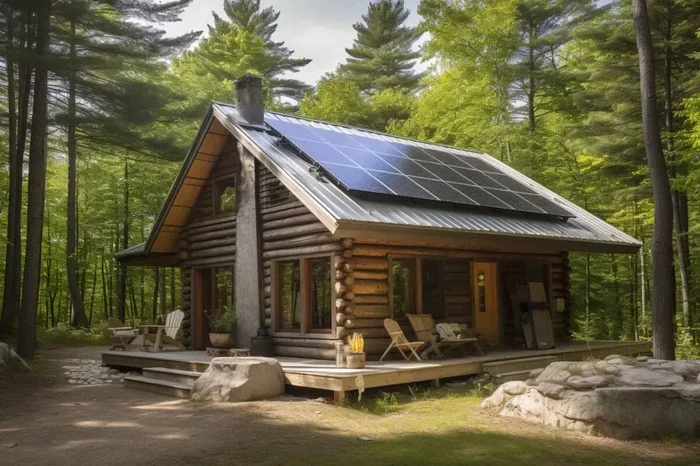
People who live off the grid are happier because they choose freedom over stress. They spend more time in nature and less time chasing money. This simple lifestyle builds strong communities and clear minds. You will learn the real reasons behind this joyful choice.
This is a comprehensive guide about People Who Live Off The Grid Are Happier Here Are Reasons Why.
Key Takeaways
- Less Stress: Off-grid living removes many daily pressures like bills and traffic.
- Nature Connection: Spending time outdoors boosts mental health and calm feelings.
- Self Reliance: Learning to grow food and make power builds confidence.
- Community Focus: Small groups often share resources and support each other.
- Simple Living: Owning less stuff means worrying less about losing it.
- Freedom of Choice: You decide your schedule without a boss watching you.
- Mindful Routine: Daily tasks become meaningful instead of just chores.
[FEATURED_IMAGE_PLACEHOLDER]
Have you ever wondered why people who live off the grid are happier? It is a question many ask when they feel tired of the rat race. Modern life moves fast. We wake up to alarms. We rush to work. We stare at screens all day. Then we go home and worry about bills. It feels like a never-ending loop.
Off-grid living breaks that loop. It changes how you see the world. You stop chasing things you do not need. You start valuing what you have. This shift brings peace. It brings joy. It brings a sense of control. In this article, we will explore the real reasons behind this happiness. We will look at the mental, physical, and social benefits. You will see why this path appeals to so many people.
The Freedom From Modern Stress
Stress is a major killer of joy. City life brings constant noise. Traffic jams cause anger. Emails demand instant answers. Off-grid living removes many of these triggers. When you live away from the grid, you set your own pace. You wake up with the sun. You work when you need to. You rest when you are tired.
Less Noise and Clutter
Noise pollution harms our health. It raises blood pressure. It ruins sleep. In the woods or on a farm, silence is common. Birds sing instead of cars honk. This quiet helps your brain relax. You also own less stuff. Clutter creates visual stress. When you have fewer things, you clean less. You worry less. You breathe easier.
Breaking The Cycle Of Consumerism
We are taught to buy more. Ads tell us we need new phones. They tell us we need bigger cars. This creates a hole that never fills. Off-gridders often reject this idea. They fix what they have. They grow what they eat. This saves money. It also saves mental energy. You stop comparing yourself to neighbors. You stop feeling poor because you lack the latest gadget.
If you struggle with the pressure to constantly buy things, you might find helpful insights in our article on why you get so angry over little things. Often, this anger comes from feeling out of control. Living simply gives you that control back.
Deep Connection With Nature
Nature is a powerful healer. Many studies show that green spaces reduce anxiety. Off-grid living puts you in those spaces all the time. You are not visiting a park for an hour. You are living in it. This changes your biology. Your cortisol levels drop. Your mood lifts.
Fresh Air And Physical Activity
City air can be heavy. It holds exhaust and dust. Rural air is cleaner. Breathing deep helps your lungs. It helps your brain. You also move more. You chop wood. You carry water. You walk to check fences. This is not gym exercise. It is functional movement. It feels purposeful. You sleep better after a day of real work.
Seasonal Awareness
In cities, every day feels the same. Lights stay on all night. In off-grid life, seasons matter. You notice the leaves changing. You feel the cold wind. You celebrate the warm sun. This connection grounds you. It reminds you that you are part of the earth. This feeling reduces loneliness. It creates a sense of belonging.
The Power Of Self Reliance
Dependence on systems can feel scary. What if the power goes out? What if the supply chain breaks? Off-grid living builds resilience. You make your own power. You collect your own water. You grow your own food. This creates a deep sense of safety. You know you can handle problems.
Building Confidence Through Skills
Learning new skills boosts self-esteem. When you fix a solar panel, you feel capable. When you preserve vegetables, you feel prepared. These wins add up. You stop feeling helpless. You start feeling strong. This confidence spills into other areas of life. You tackle challenges with a calm mind.
Financial Peace Of Mind
Money worries keep many people up at night. Off-grid living can lower costs. You do not pay huge utility bills. You do not need as much cash for food. This reduces financial stress. You might earn less money, but you need less money. This balance creates stability. You work to live, not live to work.
Stronger Community Bonds
People often think off-grid means alone. That is not always true. Many off-gridders live in small communities. They share tools. They share knowledge. They help during hard times. This creates strong bonds. In cities, neighbors often do not know each other. In rural groups, everyone knows everyone.
Shared Resources And Support
Sharing reduces waste. It also reduces cost. One person owns the tractor. Another owns the generator. You borrow what you need. This builds trust. Trust builds friendship. When you know your neighbors care, you feel safer. You feel less isolated. This social support is key for happiness.
Relationships thrive when there is less pressure. If you want to understand how to handle tough relationship dynamics, check out how to deal with people who have no gratitude. Gratitude is a big part of community living. It keeps the peace.
Collaboration Over Competition
City life can feel competitive. Who has the best lawn? Who has the best job? Off-grid life is different. You collaborate to survive. You work together to build a barn. You cook together during storms. This teamwork creates joy. Helping others releases happy chemicals in your brain. It gives you purpose.
Mindful Daily Routines
Happiness often comes from routine. But not a boring routine. A meaningful one. Off-grid life requires daily care. You must check the batteries. You must feed the animals. These tasks are not chores. They are rituals. They connect you to your home.
Purpose In Every Task
When you flip a switch, you do not think about power. When you live off-grid, you think about the sun. You think about the wind. You understand where things come from. This mindfulness makes life richer. You appreciate the light more. You appreciate the water more. Gratitude grows naturally.
Slowing Down Time
Time feels different in nature. It does not rush. You watch a fire burn. You watch clouds move. This slows your mind. You stop worrying about the future. You stay in the present. Living in the now is a key to happiness. It stops regret about the past. It stops fear of tomorrow.
Challenges And Realistic Expectations
It is important to be honest. Off-grid living is not always easy. It has hard parts. You need to know this before you start. Happiness comes from overcoming challenges, not avoiding them. But you must be ready for the work.
Hard Work Is Required
You cannot just sit back. You must maintain systems. You must clear snow. You must chop wood. This takes effort. If you hate physical work, this life may stress you. But if you enjoy work, it feels good. It feels honest. The sweat pays off in comfort.
Isolation Can Be Hard
Some places are very remote. You might not have internet. You might not have neighbors nearby. This can feel lonely. Humans need connection. You must plan for this. You need to travel to town. You need to call friends. Balance is key.
Loneliness can affect anyone, even in cities. If you feel disconnected, you might relate to why most people just seem happy on the outside. Many people hide their pain. Finding a tribe helps heal that.
Comparison: City Life vs. Off-Grid Life
To understand the difference, look at the facts. Both lives have pros and cons. But the source of happiness differs. City life offers convenience. Off-grid life offers autonomy. Here is how they compare on key happiness factors.
- Stress Levels: City life has high noise and traffic stress. Off-grid life has lower noise but higher physical work stress.
- Cost of Living: Cities cost more for housing and utilities. Off-grid costs less monthly but needs high startup money.
- Social Connection: Cities have many people but less deep connection. Off-grid has fewer people but often deeper bonds.
- Nature Access: Cities have parks but limited access. Off-grid life is immersed in nature daily.
- Control: You follow city rules and schedules. You make your own rules and schedules off-grid.
Expert Insights On Simple Living
Experts agree that simplicity helps mental health. Psychologists say less choice reduces anxiety. When you have too many options, you worry more. Off-grid life limits some choices. You eat what you grow. You wear what you have. This limitation frees your mind.
The Role Of Autonomy
Autonomy is a basic human need. We want to feel in charge. Jobs often remove this feeling. Bosses tell us what to do. Off-grid life gives control back. You decide when to work. You decide how to live. This freedom is a huge happiness booster. It aligns life with personal values.
Finding Joy In Small Things
Happy people notice small wins. A warm meal. A cool breeze. A quiet morning. Off-grid life highlights these moments. You do not rush past them. You stop to enjoy them. This practice trains your brain to seek joy. It becomes a habit.
Sometimes we forget why we feel good. If you wonder about the roots of your emotions, read why you feel like crying for no reason. Understanding your emotions helps you manage them better in any lifestyle.
Conclusion
So, why are people who live off the grid are happier? It comes down to choice. They choose peace over noise. They choose nature over concrete. They choose community over isolation. They choose purpose over routine. This lifestyle is not for everyone. But the principles apply to all. You can simplify anywhere. You can connect with nature anywhere. You can seek autonomy anywhere.
Happiness is not about having everything. It is about needing less. It is about valuing more of what matters. If you feel stuck in the grind, look at these reasons. Maybe it is time to slow down. Maybe it is time to live more intentionally. The grid is not the only way to live. Freedom is waiting for you.
Frequently Asked Questions
Is off-grid living actually happier?
Many people report higher happiness levels because they feel more in control. They experience less stress from bills and traffic. However, it depends on your personality and love for nature.
What are the main benefits of living off the grid?
The main benefits include lower living costs and a deeper connection to nature. You also gain independence from public utilities. This creates a strong sense of self-reliance and peace.
Does off-grid living save money?
It can save money on monthly bills like electricity and water. But you need money to set up the system first. Over time, the lower costs often lead to less financial stress.
Is it lonely to live off the grid?
It can be lonely if you live very far from others. Many people choose communities to avoid this. Staying connected with family and friends is still important for mental health.
What skills do I need to live off the grid?
You need basic skills like gardening, carpentry, and system maintenance. Learning to fix things yourself is very helpful. These skills build confidence and reduce dependency on others.
Can I still use technology off the grid?
Yes, many people use solar power to run laptops and phones. You can stay connected if you want to. The goal is to use tech mindfully, not to ban it completely.
