
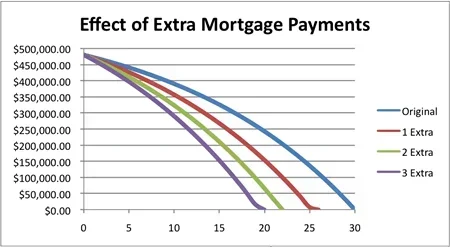
Adding an extra 500 each month to your home loan can change your financial future. This simple step reduces total interest, speeds up payoff, and builds home equity faster. We explain the math, the benefits, and when it makes sense. Read on to see if this strategy fits your budget and goals.
This is a comprehensive guide about If I Pay An Extra 500 On My Mortgage.
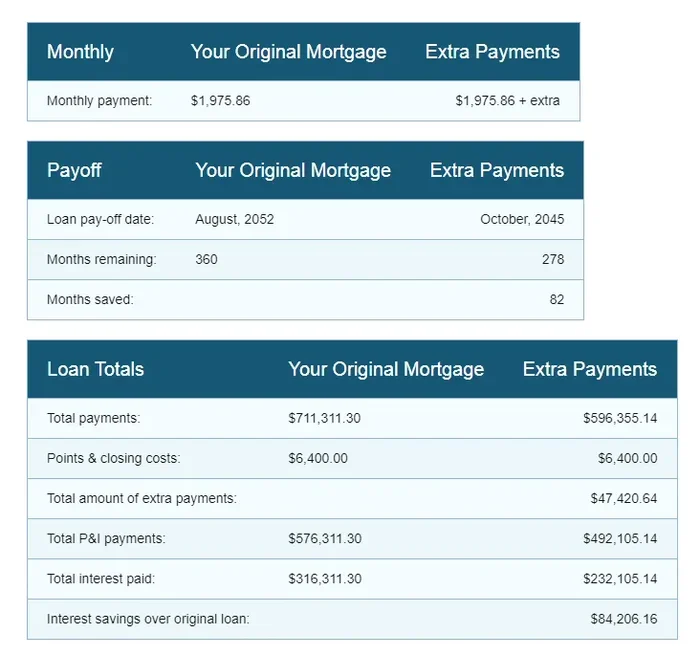
Visual guide about mortgage payment extra money
Image source: blog.embracehomeloans.com
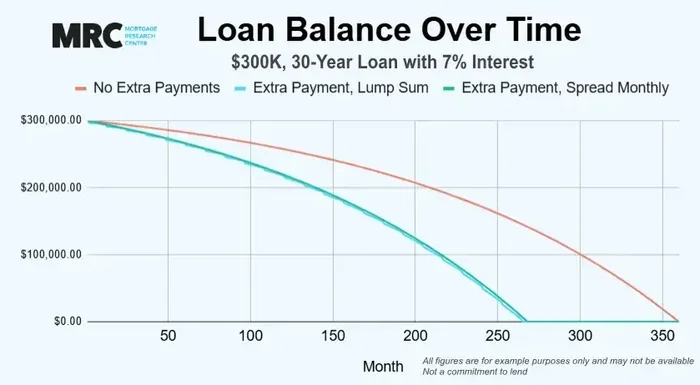
Visual guide about mortgage payment extra money
Image source: storage.googleapis.com
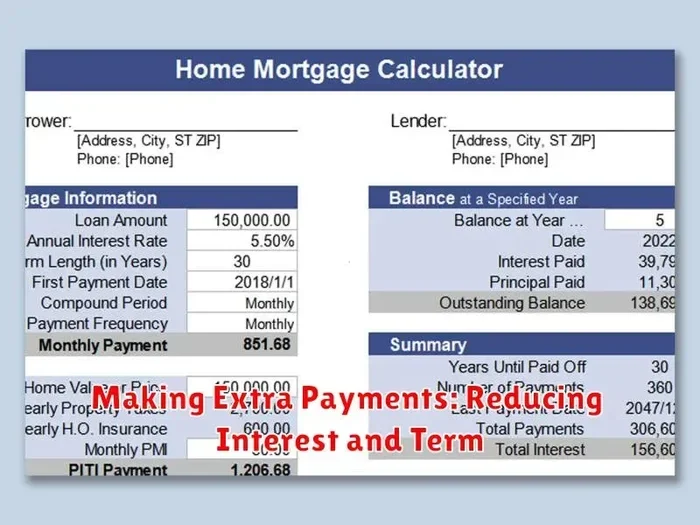
Visual guide about mortgage payment extra money
Image source: property.amalankomputer.com
Key Takeaways
- Interest savings: Paying extra reduces the principal faster, which cuts total interest paid over the life of the loan.
- Faster payoff: An extra 500 monthly can shave years off a standard 30-year mortgage.
- Equity growth: Extra payments build home equity quicker, giving you more financial flexibility.
- Budget check: Make sure you have an emergency fund before sending extra cash to your lender.
- Apply correctly: Tell your lender to apply the extra amount to principal, not future payments.
- Opportunity cost: Compare mortgage payoff with other goals like investing or paying off high-interest debt.
- Consistency matters: Regular extra payments work better than one-time lump sums for long-term savings.
[FEATURED_IMAGE_PLACEHOLDER]
Why Paying Extra 500 on Your Mortgage Matters
Many homeowners ask the same question: if I pay an extra 500 on my mortgage, what happens? The short answer is promising. That extra money goes straight to the principal. It lowers the balance you owe. It also reduces the interest that accumulates each month. Over time, these small changes add up to big results.
Mortgages are long-term loans. A typical home loan lasts 15 or 30 years. Interest costs can be huge. Even a modest extra payment can change the math. You save money. You gain freedom. You own your home sooner. This strategy works best when you understand how your loan works.
Let us break it down in simple terms. Your monthly payment covers two main things. First, it pays interest. Second, it pays down the principal. Early in the loan, most of your payment goes to interest. Later, more goes to principal. When you add an extra 500, you shift the balance faster. You move into the principal-heavy phase sooner. That is where the real savings begin.
This approach also helps your home equity grow. Equity is the part of the home you truly own. It equals the home value minus the loan balance. Higher equity gives you more options. You can refinance. You can borrow against the home. You can sell for a stronger profit. All of this starts with a simple extra payment.
Of course, every household is different. Some people carry credit card debt. Some have student loans. Some have little savings. The right move depends on your full financial picture. That is why we will look at the numbers, the timing, and the trade-offs. You will learn how to decide if this extra payment fits your life.
How an Extra 500 Payment Changes the Math
To see the impact, we need to look at a realistic example. Imagine a 30-year fixed mortgage. Suppose the loan amount is 300,000. The interest rate is 6 percent. Your regular monthly principal and interest payment is about 1,800. Now add an extra 500 each month. That brings your total to 2,300.
Here is what changes. The extra 500 goes to principal. The interest charge for the next month is lower because the balance is lower. Then more of your regular payment goes to principal. This creates a positive loop. The balance drops faster. The interest drops faster. The loan ends sooner.
The Interest Savings Over Time
Interest is the cost of borrowing money. It is calculated on the remaining balance. When you lower the balance, you lower the cost. With a 300,000 loan at 6 percent, the total interest over 30 years is large. Adding 500 each month can cut that total by a meaningful amount. It also shortens the loan term. You may finish years earlier than planned.
The exact savings depend on your rate and balance. Higher rates create bigger savings. Larger balances also increase the impact. If your rate is lower, the savings are smaller but still real. The key idea is simple. Extra principal payments reduce future interest charges.
Years Shaved Off the Loan
A 30-year loan does not have to take 30 years. Extra payments can turn it into a 25-year loan, or even less. The exact timeline depends on how early you start. Starting in year one gives the biggest benefit. Starting later still helps, but the effect is smaller. The earlier you begin, the more you save.
Think of it like a snowball rolling downhill. At first, the balance drop seems small. Over time, the effect grows. Each extra payment builds on the last one. The loan shrinks faster and faster. That is the power of consistency.
Where the Extra 500 Goes: Principal vs Interest
It is important to know how lenders apply extra payments. Some payments cover escrow. Some cover fees. Some cover interest. You want your extra 500 to hit the principal. That is where the savings happen. If the lender applies it to future payments, you do not get the same benefit.
How to Direct the Payment Correctly
Always tell your lender what you want. Write a note. Use the online portal. Select the option for principal-only payment. Keep a record. Check your statement next month. Make sure the balance dropped as expected. This step protects your progress.
The Role of Amortization
Amortization is the schedule that shows how each payment splits between interest and principal. Early on, interest gets most of the money. Later, principal gets more. An extra payment changes this schedule. It pushes you ahead. You skip ahead on the amortization curve. That means more of your regular payment goes to principal sooner.
This is a key concept. Many people think extra payments only help at the end. That is not true. They help from the first month. They change the path of the loan. They reduce the total cost. They accelerate ownership.
Is It Better to Pay Extra 500 or Invest Instead
This is a common question. Some people prefer to invest. They want to build a portfolio. They want to earn a higher return. Others want a guaranteed savings. They like the idea of a risk-free return equal to their mortgage rate. Both views have merit. The best choice depends on your goals and comfort level.
Comparing Guaranteed Savings vs Market Returns
Paying extra on your mortgage gives a guaranteed return. That return equals your interest rate. If your rate is 6 percent, you save 6 percent on the balance you pay down. There is no market risk. There is no waiting. The benefit is real and predictable.
Investing can offer higher returns over time. But returns vary. Some years are strong. Some years are weak. You also need a long time horizon. If you need the money soon, investing may not be the best fit. If you can wait, investing may build more wealth.
Other Debts and Emergency Savings
Before you pay extra on your home, check your other debts. High-interest credit cards usually cost more than a mortgage. Paying those off first often makes sense. Also, keep an emergency fund. Life brings surprises. Job changes, repairs, and medical bills happen. A solid cash buffer keeps you stable.
A balanced plan works well. Some people split their extra money. They pay a little extra on the mortgage. They invest a little for retirement. They keep some cash for safety. This approach covers multiple goals at once.
When Paying Extra 500 Makes the Most Sense
Extra payments are not right for everyone. They work best in certain situations. If your budget is steady, this strategy can be powerful. If your rate is high, the savings are stronger. If you plan to stay in the home long term, the payoff matters more.
Stable Income and Comfortable Cash Flow
You need room in your budget. Extra payments should not strain your life. If you can add 500 without stress, you are in a good spot. Consistency matters more than perfection. A steady extra payment beats an occasional large one.
High Interest Rate or Large Balance
Higher rates increase the benefit. A larger balance also increases the savings. If your loan is expensive, extra payments help more. If your rate is low, the savings are smaller. Still, paying down debt can bring peace of mind. That value matters too.
Long-Term Homeownership Plans
If you plan to stay in the home for many years, paying extra makes more sense. You will enjoy the interest savings. You will reach ownership faster. If you may move soon, the savings are smaller. In that case, focus on other priorities.
Common Mistakes When Making Extra Mortgage Payments
Extra payments are simple, but mistakes happen. A few common errors can reduce the benefit. Avoiding them keeps your plan on track.
Not Specifying Principal-Only
If you do not direct the money correctly, the lender may hold it for future payments. That delays the benefit. Always confirm how the payment is applied. Check your statement. Correct errors early.
Skipping Emergency Savings
Some people send every extra dollar to the mortgage. Then a surprise expense hits. They must borrow or use credit. That can undo progress. Keep a cash reserve first. Safety comes before speed.
Ignoring Higher-Cost Debt
Credit cards and personal loans often charge more than a mortgage. Paying those first can save more money. Compare rates. Choose the best order. A smart plan tackles the most expensive debt first.
Stopping Too Soon
Some people start strong, then stop. Life gets busy. Budgets change. But stopping early reduces the impact. If you can keep going, the results grow. Even a smaller extra payment helps if you stay consistent.
Quick Tips for Making Your Extra 500 Count
You can make this strategy easier and more effective. Small habits help a lot. Use these tips to stay organized and motivated.
- Set up automatic payments. Automation removes forgetfulness. You can schedule the extra 500 each month.
- Track your balance. Watch the principal drop. Seeing progress keeps you motivated.
- Review your statements. Confirm the extra amount goes to principal. Catch errors fast.
- Recheck your budget yearly. Income and expenses change. Adjust your extra payment if needed.
- Celebrate milestones. Every few months, look at your progress. Small wins matter.
- Keep notes. Save instructions and confirmations from your lender. Documentation helps if questions arise.
Key Takeaways for Your Mortgage Strategy
Paying extra on your home loan is a powerful habit. It lowers interest costs. It builds equity. It shortens the loan. But it works best when you plan carefully. Make sure your budget can handle it. Make sure the payment goes to principal. Compare it with other goals. Then choose the path that fits your life.
If you decide to move forward, start simple. Add an extra 500 each month. Watch the balance fall. Track your interest savings. Stay consistent. Over time, this small step can create real financial breathing room. That is the reward of a clear, steady plan.
Frequently Asked Questions
What happens if I pay an extra 500 on my mortgage each month?
Your extra payment reduces the principal balance faster. That lowers future interest charges and can shorten your loan term. Over time, you save money and build home equity more quickly.
Will paying extra 500 hurt my budget?
It can if you do not plan ahead. Make sure you keep an emergency fund and cover essential expenses first. If your cash flow is stable, the extra payment should feel manageable.
Do I need to tell my lender to apply the extra payment to principal?
Yes, in most cases. Specify that the extra amount should go to principal only. Then check your next statement to confirm the balance dropped as expected.
Is it better to pay extra on my mortgage or invest the money?
It depends on your rate, your goals, and your risk tolerance. Paying extra gives a guaranteed return equal to your interest rate. Investing may offer higher returns, but it also carries market risk.
Does paying extra 500 make sense if I plan to move soon?
Maybe not. If you sell in a few years, the interest savings are smaller. In that case, focus on other priorities like emergency savings or higher-interest debt.
Can I start with a smaller extra payment and increase it later?
Absolutely. Any extra principal payment helps. Starting small is better than not starting at all. If your budget grows later, you can increase the amount and save even more.