
Getting rid of mortgage escrow is possible but requires careful planning and lender approval. You must meet specific equity and credit requirements to cancel the account. This process lets you manage tax and insurance payments yourself. However, it also means taking on more financial responsibility. Read on to learn exactly how to navigate this process safely.
Owning a home comes with many financial responsibilities. One of the most common is the mortgage escrow account. Many homeowners wonder if they can manage these payments themselves. They want to know how to get rid of mortgage escrow effectively. This account holds money for taxes and insurance. It is collected monthly along with your principal and interest. While convenient, it reduces your cash flow control.
Some borrowers prefer to handle these bills directly. They want to earn interest on their own money. Others simply want to lower their monthly payment. Removing escrow is not always easy. Lenders have strict rules about this. You need to understand the process fully. This guide will walk you through everything. We will cover requirements, steps, and risks. You will learn if this move is right for you.
Key Takeaways
- Equity Requirements: Most lenders require at least 20% equity to cancel escrow.
- Lender Approval: You cannot cancel escrow without written permission from your lender.
- Payment Responsibility: You must pay property taxes and insurance directly on time.
- Potential Fees: Some lenders charge a fee for removing the escrow account.
- State Laws: Certain states prohibit escrow cancellation on specific loan types.
- Risk of Default: Missing payments can lead to foreclosure or force-placed insurance.
- Financial Discipline: Only cancel escrow if you are good at saving and budgeting.
📑 Table of Contents
Understanding Your Mortgage Escrow Account
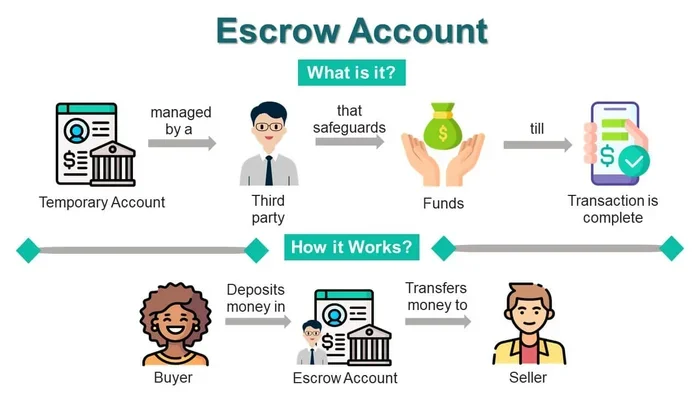
An escrow account acts like a savings account. Your lender manages it for you. Every month, you pay a portion of your property taxes. You also pay your homeowners insurance premium. The lender holds this money until the bills are due. This ensures the bills get paid on time. It protects the lender’s interest in the property.
Many people do not realize this is optional. Some loan types require it by law. Government-backed loans often mandate escrow. Conventional loans might allow cancellation. You need to check your original loan documents. Look for the escrow waiver clause. This document tells you if you are eligible. It also outlines the specific rules you must follow.
Understanding this structure is the first step. You need to know where your money goes. It helps you decide if cancellation is wise. Some people like the forced savings aspect. Others find it restrictive. Knowing your preference helps you move forward.
Why Lenders Require Escrow
Lenders want to protect their investment. If taxes go unpaid, the government can seize the home. If insurance lapses, damage goes uncovered. Both scenarios put the lender at risk. Escrow ensures these obligations are met. It reduces the chance of default on these specific bills.
It also simplifies the process for borrowers. You do not have to remember due dates. The lender handles the paperwork. They make the payments automatically. This convenience comes at a cost. You lose access to that cash until the bill is paid. You also lose potential interest earnings.
Requirements to Cancel Escrow
You cannot simply ask to remove escrow. You must meet specific criteria. Lenders assess your financial stability first. They want to ensure you can handle the payments. The most common requirement is home equity. You usually need at least twenty percent equity. This shows you have skin in the game.
Visual guide about Mortgage escrow account document
Image source: cdn.educba.com
Your loan history matters too. You must have a perfect payment record. Late payments suggest you might miss tax bills. Lenders look at your credit score as well. A high score indicates financial responsibility. They also check your debt-to-income ratio. You need to show you can afford the lump sums.
Loan type plays a huge role. FHA loans often require escrow for the life of the loan. VA loans have similar restrictions sometimes. Conventional loans are more flexible. Private lenders set their own rules. You must contact them directly. They will tell you exactly what they need.
Equity and Credit Standards
Equity is the value of your home minus what you owe. If your home is worth $300,000 and you owe $240,000, you have 20% equity. This is the typical threshold. Some lenders want more equity for safety. They might require 25% or more. Appreciation in home value helps you here.
Credit history is equally important. You need a track record of on-time payments. This applies to your mortgage and other debts. Lenders review your credit report thoroughly. Any recent late payments can disqualify you. They want to see consistency over time. This proves you are a low-risk borrower.
Steps to Remove Mortgage Escrow
Once you know you are eligible, you can start. The process begins with a formal request. You cannot do this over the phone usually. You need to send a written letter. This creates a paper trail for both parties. Include your loan number in the letter. State clearly that you want to cancel escrow.
Lenders often have a specific form for this. Ask your loan servicing department for it. Fill it out completely and accurately. Attach any required documentation. This might include proof of income or assets. They may want to see you have savings for taxes. Submit everything via certified mail. This ensures you have proof of delivery.
Wait for their response patiently. Processing can take several weeks. They will review your file internally. If approved, they will send you confirmation. Do not stop paying into the account yet. Wait until you get the official notice. This prevents accidental default on your loan.
Contacting Your Loan Servicer
Your loan servicer is the company you pay monthly. They are different from your original lender sometimes. Find their contact information on your statement. Call their customer service line first. Ask about their specific escrow cancellation policy. Get the name of the representative you speak with.
Follow up with an email or letter. Summarize what you discussed on the call. This avoids confusion later. Keep copies of all correspondence. You might need them if disputes arise. Being organized shows you are serious. It also helps you track the progress of your request.
Risks and Responsibilities of Self-Paying
Removing escrow shifts the burden to you. You are now responsible for tax bills. You must know the due dates in your area. Property taxes vary by county and state. Some are due annually, others semi-annually. You need to set reminders on your calendar. Missing these dates can lead to penalties.
Insurance payments are also your responsibility. Homeowners insurance premiums can be large. You might pay them once a year. You need to save monthly for this expense. Create a separate savings account for these bills. This mimics the escrow system but keeps you in control. You earn interest on the money while it sits there.
There is a risk of force-placed insurance. If your lender finds your insurance lapsed, they will buy a policy for you. This policy is usually very expensive. It offers less coverage than a standard policy. This protects the lender, not you. Avoiding this requires strict discipline. You must never miss a payment deadline.
Budgeting for Tax and Insurance Bills
You need to calculate the total annual cost. Add up your property tax bill. Add your homeowners insurance premium. Divide this total by twelve. This is the amount you must save monthly. Transfer this money to your savings account automatically. Treat it like a mandatory bill.
Keep a buffer in the account. Unexpected increases can happen. Tax assessments might go up. Insurance rates can rise after claims. Having extra money prevents stress. Review your budget every year. Adjust your savings amount if costs change. This keeps you prepared for any surprises.
Alternatives to Canceling Escrow
Full cancellation is not the only option. Some lenders allow partial escrow. You might pay taxes yourself but keep insurance in escrow. This reduces the lender’s risk slightly. It also reduces your administrative burden. You only manage one large bill instead of two. Ask if this hybrid model is available.
Another option is refinancing your loan. A new loan might have different escrow rules. If you switch to a conventional loan, you might gain flexibility. However, refinancing comes with closing costs. You need to calculate if the savings are worth it. Sometimes the fees outweigh the benefits. Talk to a mortgage broker about this.
You can also request an escrow analysis review. Lenders sometimes overestimate your tax or insurance costs. This leads to higher monthly payments. You can challenge these estimates. Provide proof of actual costs. This might lower your monthly payment without removing escrow. It keeps the convenience while reducing the cost.
Refinancing Options
Refinancing resets your mortgage terms. It is a chance to change loan structures. You might move from an FHA loan to a conventional one. This could allow escrow cancellation in the future. But remember, refinancing costs money. Appraisal fees and origination fees add up. Ensure the long-term savings justify the upfront cost.
Shop around for different lenders. Some are more flexible than others. A portfolio lender might have unique rules. They keep the loan on their books. They set their own guidelines. This can work in your favor. Compare offers from multiple institutions. Find one that aligns with your financial goals.
State Laws and Loan Types
Location matters when removing escrow. Some states have laws protecting escrow accounts. They might prohibit cancellation on certain properties. This is common in states with high tax risks. Lenders follow these laws strictly. You cannot override state regulations. Check with your local housing authority. They can tell you about specific restrictions.
Loan type dictates many rules. FHA loans are government-insured. They have strict guidelines for escrow. Usually, you cannot cancel them unless you refinance. VA loans also have specific requirements. Conventional loans offer the most freedom. Private lenders decide the terms here. Always read the fine print in your contract.
FHA and VA Loan Restrictions
FHA loans protect borrowers but limit flexibility. The Federal Housing Administration mandates escrow. This ensures taxes and insurance are paid. It protects the government’s investment too. Removing escrow on an FHA loan is very difficult. You usually need to refinance into a conventional loan. This is the most reliable path for FHA borrowers.
VA loans serve veterans and service members. They also often require escrow accounts. The Department of Veterans Affairs sets these rules. They aim to protect veteran homeowners. Waivers are rare and require special approval. You must prove exceptional financial stability. Even then, approval is not guaranteed. Know your loan type before proceeding.
Expert Insights on Escrow Management
Financial experts suggest caution with escrow. They recommend keeping it if you struggle with savings. Forced savings can be a good tool. It ensures you do not spend the money elsewhere. If you are disciplined, removing escrow can save money. You earn interest on your cash instead. This requires a high level of organization.
Consider your personality type. Are you good at managing bills? Do you forget due dates often? If you are forgetful, keep the escrow. The convenience is worth the cost. If you are highly organized, go for it. You can optimize your cash flow. Just make sure you have a system in place. Automation helps significantly here.
When to Keep the Escrow Account
Keep escrow if your income fluctuates. Freelancers or commission-based workers should be careful. Lump sum payments can be hard to manage. Escrow smooths out the cost over twelve months. This makes budgeting easier. It prevents large shocks to your cash flow. Stability is valuable for many households.
Also, keep it if you plan to move soon. Canceling escrow takes effort. If you sell the home, the account gets reconciled. You might get a refund at closing. The hassle of canceling might not be worth it. Short-term ownership favors keeping the status quo. Focus your energy on other financial goals.
Common Mistakes to Avoid
One big mistake is stopping payments too soon. You must continue paying until approved. Stopping early looks like default. This hurts your credit score. It can also trigger penalties from the lender. Wait for the written confirmation letter. Do not rely on verbal promises.
Another mistake is underestimating the costs. People forget about tax increases. They save too little for the bills. This leads to shortfalls when bills are due. Always overestimate slightly. It is better to have extra money. Review your tax assessments annually. Stay informed about local tax rates.
Ignoring Lender Communication
Do not ignore letters from your lender. They might send notices about escrow shortages. These require immediate attention. Ignoring them can lead to payment increases. It can also affect your loan status. Keep communication lines open. Respond promptly to any requests for information.
Also, do not assume rules are universal. Every lender is different. What works for one might not work for another. Do not rely on advice from friends blindly. Check your specific loan documents. Call your servicer for accurate info. Personalized advice is always best.
Conclusion
Deciding how to get rid of mortgage escrow is a big financial choice. It offers more control over your money. It also requires more responsibility from you. You must weigh the benefits against the risks. Equity and credit score are key factors. Lender approval is mandatory in almost all cases.
If you proceed, stay organized. Set up automatic savings for taxes and insurance. Keep track of all due dates. Never miss a payment deadline. This protects your home and your credit. If you are unsure, keep the escrow account. The peace of mind is valuable. Make the choice that fits your lifestyle best.
Frequently Asked Questions
Can I cancel my escrow account at any time?
No, you cannot cancel escrow at any time. You must meet specific lender requirements first. These usually include having sufficient equity and a good payment history.
Will removing escrow lower my monthly payment?
It might lower your monthly payment slightly. However, you still need to save for taxes and insurance. The total cost remains the same, but you control the cash.
Do FHA loans allow escrow cancellation?
FHA loans typically require escrow for the life of the loan. Cancellation is very rare and usually requires refinancing into a conventional loan.
What happens if I miss a tax payment after canceling escrow?
Missing a tax payment can lead to penalties and liens. Your lender may also purchase force-placed insurance or take legal action. It is a serious risk to your home ownership.
Is there a fee to remove escrow?
Some lenders charge a processing fee for this request. Others do not charge anything. You should ask your loan servicer about their specific fee structure.
Can I re-add escrow later if I change my mind?
Yes, you can usually request to add escrow back later. However, you will need to meet the requirements again. It is better to be sure before making the change.