

Many homeowners ask, “Can I pay my mortgage with cash?” The short answer is that most lenders do not want raw cash in an envelope. They want traceable payments from a bank account or certified funds. This guide explains why cash payments are tricky, what alternatives work best, and how to avoid common mistakes when you want to pay off your home faster.
Key Takeaways
- Most lenders do not accept plain cash because it is hard to track and easy to dispute.
- Certified checks, cashier checks, and money orders are safer cash-like options that lenders usually accept.
- Paying your mortgage early can save interest, but check for prepayment penalties first.
- Keep clear records of every payment so you can prove what you paid and when.
- Talk to your loan servicer before sending money to confirm the exact payment method they allow.
- Budget for taxes, insurance, and maintenance even if you plan to pay off your loan sooner.
- Choose a payment method that fits your goals, whether that is speed, safety, or simplicity.
📑 Table of Contents
- Understanding the Question: Can I Pay My Mortgage with Cash
- Why Lenders Rarely Take Raw Cash
- What You Can Use Instead of Plain Cash
- How Mortgage Payments Are Usually Processed
- When Cash-Like Payments Make Sense
- Risks of Trying to Pay With Cash
- Smart Ways to Pay Down Your Mortgage Faster
- How to Talk to Your Lender About Payment Options
- Comparing Payment Methods at a Glance
- Final Thoughts on Can I Pay My Mortgage with Cash
Understanding the Question: Can I Pay My Mortgage with Cash
People often ask a simple question. Can I pay my mortgage with cash and be done with it? It sounds easy. You have money. You want to send it to your lender. You hand over bills or coins. The loan goes away. In real life, it is not that simple. Mortgage payments are usually handled through bank systems. Lenders want a clear paper trail. They want to know the money came from you and went to the right account.
This matters because a mortgage is a long-term contract. Your payment history affects your credit. Your escrow account holds money for taxes and insurance. Your servicer needs to match every payment to the right month. If you walk in with a bag of cash, the office may not know how to record it. They may also refuse it for security reasons. That is why many people feel stuck. They want to use cash, but the system wants digital or certified payments.
The good news is that you still have options. You can often use cash to fund a secure payment method. You can also ask your lender about special rules. In this guide, we will break it down in plain language. We will look at why lenders prefer traceable payments. We will also look at what you can do instead. By the end, you will know how to move forward without confusion.
Why Lenders Rarely Take Raw Cash
Most mortgage companies do not want plain cash. There are good reasons for this. The first reason is safety. Large amounts of cash are a risk for employees and offices. The second reason is recordkeeping. Cash is hard to trace once it leaves your hands. If a payment is missing, it is harder to prove what happened. The third reason is accounting. Mortgage servicers use automated systems. They expect payments to come through channels that create a clear log.
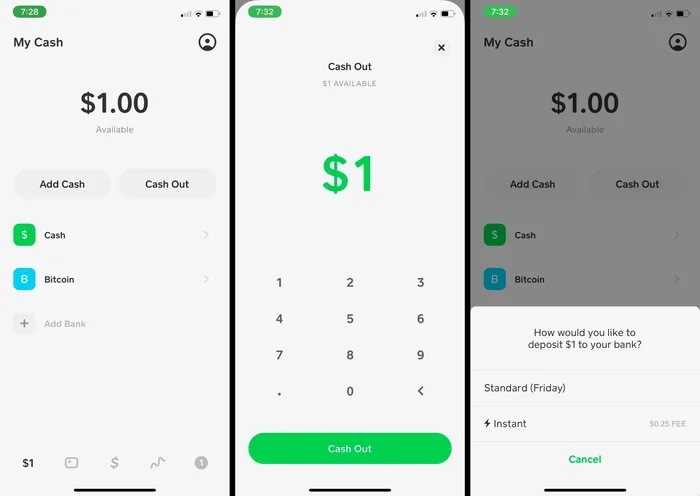
Visual guide about cash mortgage payment concept
Image source: lifewire.com
Think about how mortgage payments work behind the scenes. Your servicer must split your payment between principal, interest, and escrow. They must also post it to the correct loan number. A cash payment can slow that process. It may need manual entry. It may need extra verification. That can lead to delays or mistakes. Lenders want to avoid both.
There is also the fraud risk. Cash can be stolen or misplaced. It can be hard to track who handled it. For these reasons, many offices do not accept cash at all. Some may accept it only in very small amounts, and only with special approval. Even then, they may ask for identification and a receipt. If you are hoping for a quick in-person cash drop, do not assume it will work. Always check first.
Security and Traceability Matter
When you pay a mortgage, you want proof. You want a record that shows the date, amount, and loan number. That record protects you if the payment is late or misapplied. Cash does not create the same kind of proof. A receipt from a teller can help, but it is still not the same as a bank transfer or certified check. Traceability is one of the biggest reasons lenders prefer other methods.
Office Policy and Processing Rules
Every lender has its own rules. Some offices have strict no-cash policies. Others may allow cash only through a verified counter process. Some may require you to deposit the cash into a bank account first. That means the cash becomes a bank payment, not a raw cash payment. This is an important difference. The lender may accept the funds, but only after they move through a normal channel.
What You Can Use Instead of Plain Cash
If you want to use money you already have on hand, you still have practical choices. The goal is to turn that money into a payment your lender will accept. Here are common options that work better than raw cash.
Visual guide about cash mortgage payment concept
Image source: livewell.com
- Cashier’s check: This is a check drawn by a bank on its own funds. It feels like cash, but it is traceable and secure.
- Certified check: This is a personal check that the bank verifies and sets aside funds for. The bank stamp adds trust.
- Money order: This is a prepaid payment instrument. It is useful for smaller amounts, but confirm your lender accepts it.
- Bank transfer or ACH: This moves money from your account to the lender electronically. It creates a strong paper trail.
- Debit card or online payment: Some servicers let you pay through their portal or by card. Fees may apply, so read the terms.
These methods are often better than cash because they create a record. They also reduce the risk of loss. If you have cash sitting at home, you can deposit it into your bank account. Then you can pay the mortgage from that account. That is the simplest path for many people. It may feel less direct, but it is usually safer and easier to track.
Quick Tip: Turn Cash Into a Trackable Payment
If you really want to use cash, do it in a smart way. Bring the cash to your bank or credit union. Deposit it into your account. Let it clear. Then send the mortgage payment through a method the lender accepts. This keeps your payment clean and documented. It also gives you a bank record for your own files.
How Mortgage Payments Are Usually Processed
To understand your options, it helps to know the basic flow. Most homeowners pay through a servicer. The servicer collects the money and applies it to the loan. Many people use automatic payments. Others pay each month by hand. Either way, the payment usually travels through a system that can log it.
Visual guide about cash mortgage payment concept
Image source: aemind.com
A typical payment includes more than the loan balance. It may include interest, escrow for taxes, and escrow for insurance. Sometimes it includes fees or late charges. The servicer must sort all of that out. That is another reason they prefer structured payment methods. They need to know the payment is complete and correctly applied.
If you want to pay extra, the process matters even more. Extra money may go toward principal. It may go toward next month’s payment. It may go toward escrow. The result depends on your lender’s rules and your instructions. If you pay with a method that is hard to trace, it becomes harder to direct those funds the way you want.
Principal, Interest, and Escrow Basics
Your payment is not one lump sum in the lender’s system. It is usually split into parts. The principal reduces what you owe. The interest is the cost of borrowing. The escrow portion covers future tax and insurance bills. When you make a payment, the servicer assigns each part to the right bucket. A clear payment method makes that job easier.
Why Payment Method Affects Timing
Payment timing can change based on how you pay. Electronic payments may post quickly. Paper checks may take longer. Certified checks may need verification before posting. Cash, if accepted, may take even more time because it may need manual handling. If you are trying to avoid a late fee, choose the method with the most predictable timing.
When Cash-Like Payments Make Sense
There are situations where a cash-like payment is useful. Maybe you do not have a bank account. Maybe you have a large amount of physical money from a sale or savings. Maybe you want to pay a final balance and close the loan. In those cases, you may need a payment instrument that feels close to cash but still works within the system.
A cashier’s check is a strong choice in these moments. It is widely accepted. It is easy to trace. It is also harder to dispute than a personal check. A money order can work for smaller amounts. A bank branch can also help you move cash into a safe payment form. The key is to match the method to the amount and the lender’s rules.
There is another case where people think about cash. Sometimes a homeowner wants to pay off the loan in one move. That can be a smart financial step if the numbers make sense. But even then, the final payoff is usually handled through a formal payoff statement. The lender will tell you the exact amount and the exact method they want. Do not show up with cash and hope it works. Get the payoff instructions first.
Closing a Loan With a Final Payment
When you near the end of a mortgage, the process changes a little. The lender may request a payoff quote. This quote shows the exact amount needed to clear the balance. It may include interest through a certain date and any leftover escrow. The lender may ask for a wire, a certified check, or another secure method. This is not the time to guess. Follow the instructions exactly so the loan closes cleanly.
Large Payments and Documentation
Big payments need big paperwork. If you send a large amount, keep copies of everything. Save the receipt. Save the confirmation. Save the payoff letter if there is one. If the payment is from cash you deposited, keep the deposit record too. Good records help you prove the payment was made and applied correctly.
Risks of Trying to Pay With Cash
Paying with cash can create problems you do not want. The first risk is rejection. The office may simply refuse the cash. That wastes your time and delays your payment. The second risk is misapplication. If the payment is accepted through an unusual process, it may be recorded incorrectly. That can cause stress later. The third risk is loss. Cash can be lost, stolen, or misplaced. Once that happens, it is very hard to recover.
There is also a budgeting risk. Some people think of cash as free money in hand. But a mortgage is a serious obligation. If you use cash for the mortgage and leave nothing for other costs, you may strain your finances. Homeownership comes with repairs, taxes, insurance, and upkeep. A strong payment plan should leave room for those needs too.
Another risk is confusion about extra payments. If you send money and do not specify how it should be used, the lender may apply it in a default way. That might mean it goes toward future interest or next month’s payment instead of principal. If your goal is to reduce the balance faster, you need to be clear. A traceable payment method makes that conversation easier.
Common Mistakes to Avoid
- Showing up with unmarked cash: This is likely to be refused or delayed.
- Not checking the lender’s policy first: Rules vary, so always confirm before you go.
- Ignoring payoff instructions: Final payments need exact amounts and exact methods.
- Losing the receipt: Keep proof of every payment, especially if it involves cash deposits.
- Forgetting escrow and other costs: Paying the loan is important, but do not overlook taxes and insurance.
Smart Ways to Pay Down Your Mortgage Faster
If your real goal is to reduce debt, you do not need cash in your hand to make progress. You need a plan. Start by reviewing your loan terms. Check whether your loan has a prepayment penalty. Some loans limit early payoff or charge a fee. If yours does not, you may have more freedom to pay extra.
Next, decide how extra payments will work. You can make one larger payment each year. You can add a little each month. You can send a lump sum after a bonus or tax refund. Whatever you choose, be clear with the servicer. Tell them if the extra amount should go to principal. Ask how they will apply it. Then confirm it shows up correctly on your statement.
You can also look at your overall budget. A mortgage payoff works best when it fits your bigger financial picture. Keep an emergency fund. Keep money for home repairs. Keep up with insurance and taxes. Paying down the loan is a great goal, but it should not leave you exposed elsewhere.
Quick Tips for Extra Payments
- Confirm there is no prepayment penalty before you send extra money.
- Label extra payments clearly if your servicer allows notes or instructions.
- Check your statement after each extra payment to make sure it was applied correctly.
- Use a traceable payment method so you can prove what you sent and when.
- Keep a simple spreadsheet of payment dates, amounts, and balances.
How to Talk to Your Lender About Payment Options
The easiest way to avoid trouble is to ask directly. Call the servicer or check the online portal. Ask what payment methods they accept. Ask whether they accept cashier’s checks, money orders, or in-person payments. Ask where you should send funds if you want to pay early or make a large payment.
If you have cash you want to use, ask how to handle it safely. The representative may tell you to deposit it first. They may tell you to convert it into a certified instrument. They may tell you that cash is not accepted at all. Whatever the answer, you will know your next step. That is much better than guessing.
You can also ask about payoff procedures if you plan to finish the loan soon. Request a payoff quote in writing. Confirm the deadline for the quote. Confirm the accepted payment method. This keeps the final step smooth and avoids last-minute surprises.
Expert Insight: Choose the Path With the Best Paper Trail
When money is going toward a long-term loan, documentation is your friend. A payment method with a strong paper trail protects you. It also makes it easier to resolve questions later. If you have cash, use it to create a secure, traceable payment. That usually means deposit, certified check, or another verified method. The goal is not just to pay. The goal is to pay in a way you can prove and repeat.
Comparing Payment Methods at a Glance
Not every payment method works the same way. This simple table can help you compare the common choices. It shows how each option feels in practice and what to watch for.
| Payment Method | Traceable | Usually Accepted | Best For |
|---|---|---|---|
| Plain cash | Weak | Often no | Small in-person amounts, if allowed at all |
| Cashier’s check | Strong | Yes, widely | Large or final payments |
| Certified check | Strong | Yes, often | Secure payments from personal funds |
| Money order | Moderate | Sometimes | Smaller payments, if the lender allows it |
| Bank transfer/ACH | Strong | Yes, widely | Regular monthly payments |
| Online portal/debit | Strong | Yes, often | Fast payments, but watch for fees |
This comparison shows why cash is the outlier. It is the least traceable option. The other methods create records and fit better into normal mortgage systems. If you want the feel of cash without the problems, a cashier’s check or certified check is often the better bridge.
Final Thoughts on Can I Pay My Mortgage with Cash
So, can you pay your mortgage with cash? In many cases, not directly. Most lenders want a secure, traceable payment method. They want a clear record for accounting, safety, and proof. That does not mean your cash is useless. It means you should turn it into a payment the servicer can accept and track. A bank deposit, a cashier’s check, or a certified check can do that job well.
If your real goal is to reduce your loan or even pay it off, focus on the bigger picture. Check your loan terms. Ask your servicer what methods they accept. Keep good records. Make sure extra payments go where you want them to go. And remember that homeownership includes more than the monthly payment. A smart plan balances debt payoff with safety, savings, and everyday costs.
When you approach the question with a little planning, it becomes much easier. You do not need to carry cash to the office and hope for the best. You can choose a method that is safe, clear, and aligned with your goals. That is the most reliable way to move forward.
Frequently Asked Questions
Can I walk into my lender’s office and pay my mortgage with cash?
Usually not. Most lenders do not accept plain cash because it is hard to trace and creates security risks. You should call ahead and ask what payment methods they allow before you go.
What is the safest cash-like way to pay my mortgage?
A cashier’s check or certified check is often the safest choice. These instruments are traceable and widely accepted. They also give you a stronger record than raw cash.
If I have cash, should I deposit it before paying my mortgage?
In many cases, yes. Depositing the cash into your bank account first lets you pay through a normal, documented channel. That makes it easier to track the payment and prove it was made.
Can paying my mortgage early save me money?
It can save interest over time, but it depends on your loan terms. Check for prepayment penalties and confirm how extra payments are applied. If your loan allows it, extra payments can help reduce the balance faster.
What happens if my cash payment is refused or lost?
If cash is refused, your payment may be delayed, which could lead to a late fee. If cash is lost, it is very hard to recover. This is why traceable payment methods are safer for important bills.
How do I confirm the right way to make a final payoff payment?
Ask your servicer for a written payoff quote and follow their instructions exactly. They will tell you the exact amount and the exact payment method they want. Keep copies of everything you send.
