

Getting over a divorce after 25 years of marriage is a deeply personal journey that requires time, patience, and intentional self-care. You will learn how to process grief, rebuild your identity, and create a practical plan for emotional and financial recovery. This guide breaks down actionable steps to help you heal, avoid common mistakes, and move forward with confidence. Whether you feel stuck, overwhelmed, or unsure where to start, these strategies will give you a clear path toward peace and stability.
Ending a marriage after 25 years of marriage feels like losing a part of your life story. You built routines, shared homes, raised families, or simply grew old together. When it ends, the ground shifts. It is normal to feel lost, angry, sad, or even relieved all at once. This guide will walk you through practical steps to heal, rebuild, and find your footing again. You do not have to figure it out alone, and you do not have to do it perfectly.
Healing from a long-term split is not about forgetting the past. It is about learning how to carry it differently. You will need time, patience, and a plan that covers your emotions, your daily life, and your future goals. The steps below are simple, honest, and built for real life. Let us start with the most important truth: your feelings are valid, and your recovery is possible.
Key Takeaways
- Acknowledge the grief: Recognize that losing a 25-year partnership triggers real mourning, and give yourself permission to feel it without rushing the process.
- Rebuild your identity: Rediscover hobbies, friendships, and goals that may have faded during the marriage so you can define who you are now.
- Create a practical plan: Tackle finances, living arrangements, and daily routines step by step to reduce overwhelm and restore stability.
- Lean on support: Connect with trusted friends, support groups, or a therapist who understands long-term relationship loss and can guide your healing.
- Avoid major decisions early: Postpone big moves like relocating or entering new relationships until you have processed the initial emotional shock.
- Practice self-compassion: Replace guilt and self-blame with gentle accountability, focusing on what you can learn and control moving forward.
- Celebrate small wins: Track progress in tiny steps, like establishing a new routine or having a difficult conversation, to build momentum and confidence.
📑 Table of Contents
- Understanding the Emotional Impact of a Long-Term Split
- How to Get Over a Divorce After 25 Years of Marriage with a Daily Healing Plan
- Rebuilding Your Identity After Decades Together
- Practical Steps for Finances, Housing, and Daily Life
- Navigating Social Changes and Support Systems
- Avoiding Common Pitfalls After a Long Marriage Ends
- Moving Forward with Purpose and Self-Compassion
- Conclusion
Understanding the Emotional Impact of a Long-Term Split
When a partnership lasts decades, it becomes part of your identity. You likely shared holidays, habits, and hard moments. Losing that connection triggers grief that looks a lot like losing a loved one. You may feel shock, denial, anger, sadness, or confusion. These feelings can come in waves, and that is completely normal.
Why Two Decades Feels Different
A marriage that spans 25 years of marriage creates deep habits and shared memories. Your daily life probably revolved around another person’s schedule, preferences, and presence. When that ends, your brain has to relearn what normal looks like. That adjustment takes time. You might miss the small things, like morning coffee routines or who handles which chores. You might also miss the big things, like shared dreams or a sense of security.
It helps to name what you are feeling instead of pushing it away. Try journaling for ten minutes a day. Write what hurts, what confuses you, and what you hope for next. Naming emotions reduces their power and helps you process them step by step.
Common Emotional Stages
People often move through stages that overlap and repeat. You may notice:
- Shock and numbness: The first weeks can feel unreal, like you are watching life from a distance.
- Anger and frustration: You may question choices, blame yourself or the other person, or feel furious about the loss.
- Sadness and longing: Grief often surfaces in quiet moments, especially around milestones or familiar places.
- Acceptance and rebuilding: Slowly, the pain softens, and you start planning a life that feels like yours again.
These stages are not a checklist. You may loop back and forth. That is part of healing, not a sign that you are failing.
How to Get Over a Divorce After 25 Years of Marriage with a Daily Healing Plan
Big changes feel manageable when you break them into small daily actions. A simple routine gives your mind a place to rest and your body a reason to keep going. You do not need a perfect schedule. You need a steady one.
Visual guide about divorce after long marriage
Image source: lawexpression.com
Build a Gentle Morning Routine
Start your day with one or two grounding habits. Drink water, step outside for fresh air, or stretch for five minutes. Keep your phone away for the first half hour if you can. Mornings set the tone, and a calm start helps you handle the rest of the day.
Create Small Wins Throughout the Day
Divide your day into tiny, doable tasks. Make your bed. Wash one dish. Reply to one message. These small actions build momentum. When grief makes everything feel heavy, small wins remind you that you can still move forward.
Quick tips for daily healing:
- Keep meals simple: Focus on easy, nourishing food when cooking feels like too much.
- Move your body: A short walk can clear your head and lower stress.
- Limit isolation: Send one text to a friend or family member, even if you do not feel like talking.
- Protect your sleep: Try a consistent bedtime and a quiet wind-down routine.
Track Your Progress Without Pressure
Healing is rarely a straight line. Instead of measuring success by how you feel on a single day, look at the trend over weeks. Are you sleeping a little better? Are you handling one more task than before? Those are real signs of progress. Keep a simple note on your phone or a notebook. Write one sentence each evening about what went okay.
Rebuilding Your Identity After Decades Together
After a long marriage, it is easy to forget who you are outside of the partnership. You may have put your own interests, goals, or friendships on hold. Now is the time to rediscover them. Rebuilding your identity is not selfish. It is necessary.
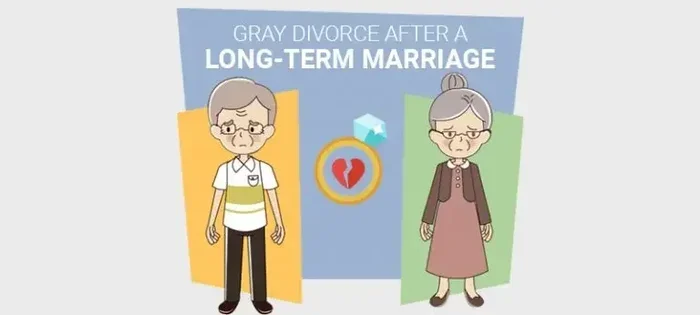
Visual guide about divorce after long marriage
Image source: survivedivorce.com
Rediscover What You Enjoyed Before
Think about hobbies, books, music, or activities you loved before the marriage or during quieter seasons. You do not need to become a completely new person. Start with what already feels familiar and comforting. Try one activity this week, even if it is small.
Try New Things at Your Own Pace
New experiences help your brain learn that life can still be full and interesting. Take a class, visit a local event, or explore a neighborhood you have not spent time in before. Keep the pressure low. The goal is curiosity, not perfection.
Helpful ways to rebuild your sense of self:
- List three values that matter to you now: Honesty, freedom, creativity, stability, or something else.
- Reconnect with old friends: Reach out to someone you trust and schedule a short catch-up.
- Set one personal goal: It could be fitness, learning, travel, or a creative project.
- Make space for solitude: Spend a little time alone without distractions so you can hear your own thoughts.
Let Go of Who You Thought You Would Be
It is common to grieve the life you expected to have. You may have imagined growing old together, celebrating certain milestones, or keeping a specific lifestyle. When reality changes, those dreams need to be rewritten. That does not mean the past was wasted. It means your story is still being written.
Practical Steps for Finances, Housing, and Daily Life
Emotional healing matters, but practical stability matters too. After a long marriage, you may face new financial realities, housing decisions, or household responsibilities. Tackling these step by step reduces overwhelm and helps you feel more in control.

Visual guide about divorce after long marriage
Image source: goldbergjones-or.com
Start with a Clear Financial Picture
Gather the basics first. List income, monthly expenses, debts, and any shared obligations. If you are unsure about accounts, statements, or legal details, ask a professional or a trusted person to help you review them. Clarity reduces fear.
A simple checklist can help:
- List monthly needs: Rent or mortgage, utilities, food, insurance, and transportation.
- Identify income sources: Paychecks, savings, support, or other reliable funds.
- Spot pressure points: High-interest debt, large payments, or unpredictable costs.
- Build a small buffer: Even a tiny emergency fund can reduce stress.
Make Housing and Living Decisions Carefully
Where you live affects how you heal. If you are staying in the same home, think about what changes would make it feel more like yours. If you are moving, consider what environment supports your peace of mind. Proximity to work, friends, and familiar routines can matter more than a perfect address.
Simplify Daily Responsibilities
You may suddenly be handling chores, errands, and decisions that were once shared. That can feel exhausting. Lower the bar where you can. Use grocery delivery if it helps. Batch errands into one trip. Keep your space functional instead of perfect. The goal is to reduce friction while you recover.
Navigating Social Changes and Support Systems
Long-term marriages often shape your social world. Friends may feel unsure how to help. Family dynamics may shift. Some people will step up, and others may drift away. That can be painful, but it is also a chance to build a support system that truly fits your needs.
Tell People What You Need
Friends and family usually want to help, but they may not know how. Be specific. Say, “I need a weekly check-in,” or “I would like someone to grab coffee with me,” or “I just need a quiet listener.” Clear requests make it easier for others to show up.
Find Support That Matches Your Situation
Sometimes the people closest to you cannot fully understand what you are going through. A support group, counselor, or therapist can offer a safe place to talk openly. If you are struggling with intense grief, anxiety, or sleep issues, professional support can make a real difference.
If you want more guidance on healing timelines and emotional recovery, you may find this resource helpful: how long it takes to get over a breakup. It explains why healing takes time and what to expect along the way.
Handle Social Events with Boundaries
Holidays, family gatherings, and mutual friend groups can feel awkward after a long marriage ends. Give yourself permission to skip events that feel too heavy. If you do attend, plan an exit time. Bring a supportive friend if that helps. Boundaries are not rude. They are protective.
Avoiding Common Pitfalls After a Long Marriage Ends
When you have shared decades with someone, the urge to rush can be strong. You may want relief, answers, or a new routine right away. That is understandable. Still, some habits can slow healing or create more stress. Knowing the pitfalls helps you avoid them.
Common Mistakes to Watch For
- Making big decisions too soon: Moving, quitting, or starting a new relationship immediately can add pressure before you are ready.
- Using avoidance to cope: Ignoring bills, emotions, or necessary conversations usually makes them harder later.
- Comparing your recovery to others: Everyone heals differently. Your timeline is yours alone.
- Isolating completely: Withdrawal can feel safe at first, but too much isolation can deepen loneliness.
- Bottling up anger or guilt: Unprocessed feelings often show up later as stress, exhaustion, or repeated patterns.
If you are dealing with a relationship that felt unhealthy or confusing before it ended, it may help to understand what made it hard to leave. You can read more in this guide on getting out of a sinful relationship. It offers perspective on stepping away from connections that no longer serve your well-being.
Expert Insight: Go Slow on Purpose
Experts often say that major transitions are easier when you create space between decisions. That does not mean doing nothing. It means choosing careful steps instead of impulsive ones. For example, wait before making permanent changes that are hard to reverse. Use that time to learn what you actually want next.
When to Seek Extra Help
Reach out for professional support if you notice signs like constant hopelessness, trouble functioning day to day, panic, or thoughts of harming yourself. You deserve help, and asking for it is a sign of strength, not weakness. If a child is involved and family tension is high, it can also be useful to learn how to manage difficult family dynamics toward a child, especially when protecting a young person’s emotional safety matters.
Moving Forward with Purpose and Self-Compassion
Healing does not mean returning to who you were before. It means building a life that fits who you are now. That life may look different, and different can still be good. Self-compassion is the glue that holds this process together. Talk to yourself the way you would talk to a friend in the same situation.
Create a Simple Vision for Your Next Chapter
You do not need a dramatic life plan. Start with a simple vision. Ask yourself what matters most right now. Is it peace? Independence? Closer friendships? Better health? A calmer home? Pick one or two priorities and let them guide your choices.
Replace Guilt with Learning
After a long marriage ends, it is easy to replay the past and ask what went wrong. Some reflection is useful. Endless self-blame is not. Focus on what you can learn, what you would handle differently, and what you want to protect in the future. That shift turns pain into wisdom.
Practical ways to move forward:
- Set boundaries that protect your energy: Decide what you will no longer tolerate from yourself or others.
- Celebrate small milestones: Acknowledge the first month, the first tough conversation handled well, or the first weekend you feel steadier.
- Keep building routines: Consistency creates safety when life feels uncertain.
- Stay open to new connections: Friendship, community, and eventually new love can all happen in their own time.
If you are wondering how to rebuild respect and confidence after intimacy changes or relationship shifts, this article on getting a guy to respect you after sleeping with him may offer useful insights about boundaries, self-respect, and communication.
A Note on Hope
It may feel impossible now, but many people do find peace after a long marriage ends. They learn to enjoy their own company, build stronger friendships, and create a life that feels honest and steady. You can too. The path is not fast, but it is real. Keep going, one kind step at a time.
Conclusion
Learning how to get over a divorce after 25 years of marriage is about patience, structure, and self-kindness. You are not starting from zero. You are starting from experience, resilience, and the chance to build a life that reflects who you are today. Give yourself permission to grieve, take practical steps to stabilize your daily life, and rebuild your identity at a pace that feels safe. Surround yourself with support, avoid rushed decisions, and celebrate the small signs of progress. Over time, the pain softens, the routines settle, and your future starts to feel possible again.
Frequently Asked Questions
How long does it take to heal after a divorce following 25 years of marriage?
Healing varies widely, but many people notice real relief over several months to a few years. The timeline depends on your support system, your coping habits, and how much practical stress you are managing. Focus on steady progress instead of a fixed deadline.
What should I do first after the divorce is final?
Start with the basics: rest, eat regularly, and gather important financial and legal information. Then build a simple daily routine that keeps you grounded. Small, consistent steps help you regain stability when everything feels uncertain.
How can I stop feeling guilty about the marriage ending?
Guilt often fades when you replace self-blame with honest reflection. Acknowledge what you learned, what you would do differently, and what you can control now. If guilt stays intense, talking with a counselor can help you process it more fully.
Is it okay to start dating again after a long marriage ends?
Yes, but only when you feel emotionally ready and not rushed by loneliness or pressure. Dating can be enjoyable, but it is often easier after you have had time to understand what you want next. Moving too quickly can make healing harder.
How do I rebuild my life when I feel completely lost?
Begin with tiny goals that restore a sense of control, like setting a bedtime, cleaning one area, or reconnecting with one friend. Then slowly add activities that remind you of your interests and values. Lost feelings usually ease as your routine and confidence return.
When should I consider therapy after a divorce?
Consider therapy if you feel stuck, overwhelmed, unable to function, or trapped in repeated negative thoughts. A therapist can help you process grief, set boundaries, and build healthier coping habits. Seeking help early is often easier than waiting until stress becomes unmanageable.