
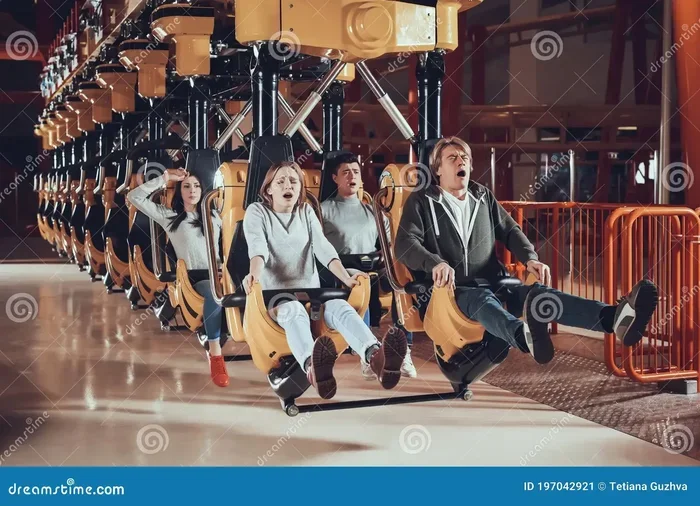
Coasterphobia, or the fear of roller coasters, affects millions of people worldwide and can prevent you from enjoying theme parks with friends and family. This comprehensive guide explores the root causes of roller coaster anxiety, common symptoms you might experience, and effective treatment options—from gradual exposure techniques to professional therapy—that can help you conquer your fear and reclaim the joy of riding.
[FEATURED IMAGE_PLACEHOLDER]
You’ve been invited to the biggest theme park trip of the year. Your friends are excited. The plans are set. But your stomach drops every time someone mentions the new mega-coaster opening next month. If this sounds familiar, you might be dealing with coasterphobia—and you’re far from alone.
Coasterphobia, also known as roller coaster phobia, is a specific phobia characterized by an intense, persistent fear of riding roller coasters and other amusement park rides. It’s more than just a preference for staying grounded. For those affected, the mere thought of strapping into a coaster seat can trigger overwhelming anxiety, physical symptoms, and a desperate desire to escape.
The good news? This fear is highly treatable. Whether you want to ride that record-breaking coaster with your partner or simply stop feeling left out at every theme park gathering, there are proven strategies to help you move forward. Let’s break down what causes this phobia, how it shows up in your body and mind, and most importantly, what you can do about it.
Key Takeaways
- Coasterphobia is a real phobia: It’s not just disliking rides—it’s an intense, irrational fear that triggers physical and emotional symptoms.
- Multiple causes exist: Fear of heights, loss of control, past trauma, or even vicarious experiences can trigger coasterphobia.
- Symptoms vary widely: From rapid heartbeat and sweating to full panic attacks, symptoms range from mild discomfort to severe anxiety.
- Gradual exposure works: Systematic desensitization is one of the most effective ways to overcome roller coaster fear.
- Professional help is available: Cognitive-behavioral therapy (CBT) and EMDR have high success rates for specific phobias.
- You don’t have to ride coasters: There are ways to enjoy theme parks without stepping on a single ride.
- Small steps matter: Even watching others ride or sitting near the park can be progress toward overcoming your fear.
📑 Table of Contents
- Understanding Coasterphobia: What Causes the Fear of Roller Coasters
- Common Symptoms of Roller Coaster Phobia
- How Coasterphobia Affects Your Life and Relationships
- Proven Solutions to Overcome Fear of Roller Coasters
- Theme Park Strategies for Anxious Visitors
- When to Seek Professional Help
- Building a Support System for Your Journey
- Comparing Treatment Options for Coasterphobia
- Conclusion: Your Fear Doesn’t Define You
Understanding Coasterphobia: What Causes the Fear of Roller Coasters
Before diving into solutions, it helps to understand why roller coasters trigger such intense fear in some people. Coasterphobia doesn’t have a single cause—it usually develops from a combination of psychological, physiological, and experiential factors. Understanding your specific triggers is the first step toward overcoming them.
Fear of Heights and Acrophobia
Many people who fear roller coasters also struggle with a fear of heights. When you’re climbing that first massive hill on a coaster, your brain perceives a genuine threat—even though you’re safely strapped in. This connection between coasterphobia and acrophobia is one of the most common underlying causes.
The higher the coaster climbs, the more intense the fear becomes for someone with height-related anxiety. Your visual system sends danger signals to your brain, and no amount of logical reasoning about safety statistics can override that primal response.
Loss of Control and Claustrophobia
Roller coasters take away your ability to stop, slow down, or get off whenever you want. For people who value control over their environment, this can be deeply unsettling. Add in the tight restraints, the locked harnesses, and the inability to move freely, and you’ve got a recipe for claustrophobic panic.
The feeling of being trapped on a ride with no escape route is a major trigger for many coasterphobic individuals. It’s not about the speed or the drops—it’s about surrendering control to a machine and trusting that everything will work perfectly.
Negative Past Experiences
A bad experience on a ride—even decades ago—can plant the seed for lasting coasterphobia. Maybe you got stuck on a ride as a child. Maybe a restraint felt loose. Maybe you watched someone get injured on the news. These experiences create powerful emotional memories that your brain associates with danger.
Vicarious trauma counts too. Watching videos of coaster accidents, hearing stories about ride malfunctions, or even seeing someone else panic on a ride can be enough to develop a phobia without ever having a negative personal experience.
General Anxiety and Sensory Sensitivity
People with generalized anxiety disorder (GAD), panic disorder, or sensory processing sensitivities often find roller coasters overwhelming. The combination of loud noises, wind, rapid movements, and visual stimulation can push an already sensitive nervous system into overdrive.
If you already experience heightened stress responses in other areas of life, it makes sense that the intense sensory environment of a roller coaster would trigger similar reactions.
Common Symptoms of Roller Coaster Phobia
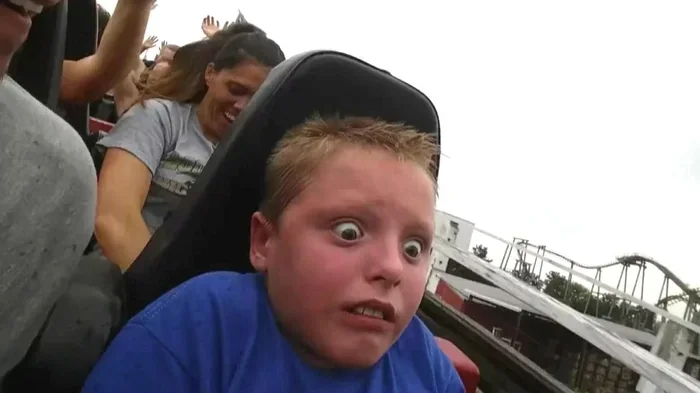
Visual guide about scared person roller coaster
Image source: i.ytimg.com
Coasterphobia manifests differently for everyone, but most people experience a combination of physical, emotional, and cognitive symptoms when confronted with the prospect of riding a roller coaster. Recognizing your specific symptoms can help you choose the right coping strategies.
Physical Symptoms
Your body’s fight-or-flight response kicks into high gear when you face a perceived threat. On a roller coaster—or even while waiting in line—you might experience:
- Rapid heartbeat: Your pulse races as adrenaline floods your system
- Shortness of breath: Breathing becomes shallow and difficult
- Sweating: Palms, forehead, and body perspire heavily
- Trembling or shaking: Hands, legs, or entire body may tremble
- Nausea or stomach distress: Queasiness, butterflies, or even vomiting
- Dizziness or lightheadedness: Feeling faint or unsteady
- Chest tightness: A sensation of pressure or pain in the chest
- Dry mouth: Difficulty swallowing or speaking
Emotional and Cognitive Symptoms
The mental and emotional aspects of coasterphobia can be just as debilitating as the physical ones:
- Intense dread: Overwhelming fear that something terrible will happen
- Catastrophic thinking: Imagining worst-case scenarios like derailment or equipment failure
- Feeling of unreality: Detachment from yourself or your surroundings (derealization)
- Overwhelming urge to escape: A desperate need to get away from the situation
- Anticipatory anxiety: Days or weeks of worry leading up to a theme park visit
- Shame or embarrassment: Feeling weak or childish for being afraid
Behavioral Symptoms
Coasterphobia often leads to avoidance behaviors that can impact your social life and relationships:
- Refusing to visit theme parks altogether
- Making excuses to avoid ride-related social events
- Feeling anxious for days before a planned park visit
- Leaving friends or family members to ride alone while you wait on the sidelines
- Experiencing relief only when you’ve successfully avoided the situation
How Coasterphobia Affects Your Life and Relationships

Visual guide about scared person roller coaster
Image source: t3.ftcdn.net
You might think, “So what if I don’t ride roller coasters? It’s not a big deal.” And in some ways, you’re right—you can absolutely live a full, happy life without ever setting foot on a coaster. But for many people, coasterphobia extends beyond the rides themselves and starts affecting their social connections, romantic relationships, and self-confidence.
Imagine your partner loves thrill rides. Every vacation destination with a major theme park becomes a source of tension. You either hold them back from doing what they love, or they go without you and you feel left out. Over time, these situations can create resentment, frustration, and feelings of inadequacy on both sides.
Children can also be affected when a parent’s coasterphobia prevents family participation in theme park activities. Kids may feel confused or disappointed when mom or dad won’t join them on rides. And parents may feel guilty for not being able to share those experiences.
The shame component is real too. Society often treats coasterphobia as something silly or irrational, which can make people feel embarrassed about their fear. This embarrassment can prevent them from seeking help or even talking openly about their struggles.
If you’re finding that your fear is limiting your experiences or causing stress in your relationships, it might be time to explore solutions. Learning how to find happiness even when facing your fears can be a transformative journey.
Proven Solutions to Overcome Fear of Roller Coasters

Visual guide about scared person roller coaster
Image source: img.freepik.com
Here’s where things get exciting. Coasterphobia is one of the most treatable specific phobias, and most people see significant improvement with the right approach. You don’t have to love roller coasters by the end of this process—the goal is simply to reduce your fear to a manageable level so it no longer controls your choices.
Gradual Exposure Therapy (Systematic Desensitization)
This is the gold standard for treating specific phobias, and it works by slowly and systematically exposing you to your feared situation in a controlled way. The key is starting so small that you barely feel any anxiety, then gradually working your way up.
Here’s a sample exposure hierarchy for coasterphobia:
- Step 1: Watch videos of roller coasters from a comfortable distance
- Step 2: Watch POV (point-of-view) coaster videos with sound
- Step 3: Visit a theme park and watch others ride coasters
- Step 4: Stand in a short coaster line, then leave before boarding
- Step 5: Ride a small, gentle kiddie coaster with a trusted companion
- Step 6: Ride a mid-sized family coaster with moderate drops
- Step 7: Progress to larger coasters with more intense elements
- Step 8: Ride the specific coaster that triggers your fear most
Take as much time as you need at each step. Some people spend weeks on a single step, and that’s perfectly okay. The goal is to move forward only when your anxiety at the current level has decreased by at least half.
Cognitive Behavioral Therapy (CBT)
CBT helps you identify and challenge the irrational thoughts that fuel your coasterphobia. A therapist will work with you to examine the evidence for and against your fears, develop more balanced thinking patterns, and build coping skills for managing anxiety.
Common cognitive distortions in coasterphobia include:
- Catastrophizing: “The coaster will definitely crash”
- Overgeneralizing: “One accident means all coasters are dangerous”
- Fortune telling: “I know something bad will happen if I ride”
- Emotional reasoning: “I feel scared, so the danger must be real”
CBT teaches you to replace these thoughts with more realistic alternatives: “Roller coasters have an excellent safety record. I’m safer on this ride than I was driving to the park today.”
Professional Therapy Options
If your coasterphobia is severe or self-help strategies aren’t enough, professional treatment can make a tremendous difference:
- Exposure therapy with a therapist: A trained professional guides you through graduated exposure in a safe, supportive environment
- EMDR (Eye Movement Desensitization and Reprocessing): Particularly effective if your phobia stems from a traumatic experience
- Virtual reality therapy: Some clinics offer VR coaster simulations that let you practice in a completely controlled environment
- Hypnotherapy: Can help reframe subconscious associations with roller coasters
- Medication: In some cases, anti-anxiety medication may be prescribed for short-term use during exposure therapy
Self-Help Techniques for Managing Coaster Anxiety
Not everyone needs professional treatment. If your fear is mild to moderate, these self-help strategies can help you make meaningful progress:
Breathing exercises: Practice deep, slow breathing to calm your nervous system. Try the 4-7-8 technique: inhale for 4 counts, hold for 7 counts, exhale for 8 counts.
Progressive muscle relaxation: Systematically tense and release muscle groups throughout your body to reduce physical tension.
Visualization: Imagine yourself calmly riding a coaster and feeling fine. Your brain often can’t distinguish between vividly imagined experiences and real ones.
Mindfulness meditation: Regular mindfulness practice helps you observe anxious thoughts without getting caught up in them.
Journaling: Write about your fears, track your progress, and celebrate small victories.
Positive self-talk: Replace “I can’t do this” with “I’m learning to manage my fear, one step at a time.”
Theme Park Strategies for Anxious Visitors
Whether you’re working on overcoming your phobia or simply want to enjoy a theme park despite your fear, these practical strategies can make your visit more comfortable.
Before You Go
- Research rides in advance: Know what to expect in terms of height, speed, and intensity
- Check safety records: Remind yourself of the statistics—your risk is incredibly low
- Visit during off-peak times: Shorter lines mean less time to anxiety-spiral while waiting
- Bring a supportive companion: Someone who understands your fear and won’t pressure you
- Set realistic expectations: You don’t have to ride anything you’re not ready for
- Download calming apps: Have guided meditations or breathing exercises ready on your phone
At the Park
- Start with gentle rides: Build confidence on merry-go-rounds, Ferris wheels, or slow-moving dark rides
- Use the buddy system: Never face your fears alone if you’re feeling anxious
- Take breaks: Step away when you feel overwhelmed—there’s no shame in pacing yourself
- Focus on the present: Notice your surroundings, the smells, the sounds—ground yourself in the moment
- Reward yourself: Celebrate every small step forward, even if it’s just standing in line
Alternative Theme Park Activities
Not riding coasters doesn’t mean missing out. Theme parks offer tons of experiences beyond thrill rides:
- Live shows and performances
- Interactive exhibits and attractions
- Water rides (often less intimidating than coasters)
- Arcade games and carnival-style games
- Themed dining experiences
- Character meet-and-greets
- Shopping and souvenir hunting
- Beautiful gardens and landscaping to explore
When to Seek Professional Help
While many people can manage mild coasterphobia on their own, there are times when professional help is the right choice. Consider reaching out to a mental health professional if your fear significantly impacts your daily life, relationships, or emotional well-being.
Signs that it’s time to seek help include:
- Your fear causes intense panic attacks
- You avoid social events, vacations, or relationships because of your phobia
- Self-help strategies haven’t produced meaningful improvement after several weeks
- Your anxiety is getting worse over time instead of better
- You experience depression, low self-esteem, or social isolation related to your fear
- Your fear extends beyond roller coasters to other areas of life
There’s absolutely no shame in seeking help. Specific phobias are among the most common anxiety disorders, and therapists have extensive training in treating them effectively. You don’t have to white-knuckle your way through life when proven treatments are available.
Remember that overcoming fear is a journey, not a destination. Some days will be harder than others, and setbacks are a normal part of the process. What matters is that you’re taking steps toward a life where your fear doesn’t make your decisions for you.
Building a Support System for Your Journey
Overcoming coasterphobia is easier when you have people in your corner. Whether it’s friends, family, or an online community, social support can make a huge difference in your progress.
Communicate openly with your loved ones about what you’re going through. Let them know that your fear is real to you, even if it seems irrational from the outside. Ask them to be patient and supportive rather than dismissive or pressuring.
If you’re in a relationship, consider involving your partner in your journey. They can accompany you to therapy sessions, practice exposure exercises with you, or simply provide a calming presence at the park. This shared experience can actually strengthen your bond.
Online communities and forums for people with phobias can also be incredibly validating. Reading about others’ experiences and sharing your own struggles reminds you that you’re not alone. Many people find comfort in knowing that their fear is shared by millions of others worldwide.
Comparing Treatment Options for Coasterphobia
Here’s a quick comparison of the most common approaches to treating roller coaster phobia:
| Treatment | Effectiveness | Time Commitment | Cost |
|---|---|---|---|
| Self-guided exposure | Moderate | Weeks to months | Free |
| CBT with therapist | High | 8-16 sessions | $$$ |
| Virtual reality therapy | Moderate-High | 4-8 sessions | $$ |
| EMDR therapy | High (for trauma-based) | 6-12 sessions | $$$ |
| Group therapy | Moderate | 8-12 weeks | $ |
| Medication (short-term) | Low-Moderate (alone) | Varies | $ |
Conclusion: Your Fear Doesn’t Define You
Coasterphobia is a real, valid fear that affects millions of people. But it doesn’t have to control your life or limit your experiences. Whether you choose to work toward riding roller coasters or simply want to feel less anxious at theme parks, there are effective strategies available to help you reach your goals.
Start small. Be patient with yourself. Celebrate every victory, no matter how minor it seems. And remember that seeking help is a sign of strength, not weakness. You deserve to enjoy life on your own terms—whether that includes screaming on the tallest coaster in the park or happily watching from the ground with a churro in hand.
Your journey with coasterphobia is uniquely yours. There’s no timeline you need to follow and no endpoint you must reach. The only goal that matters is living a life where fear doesn’t make your choices for you. And that’s absolutely within your reach.
Frequently Asked Questions
What is Fear Of Roller Coasters Coasterphobia?
Fear Of Roller Coasters Coasterphobia is an important topic with many practical applications.
