

The metaphysical meaning of finding your way through grief reveals that loss is not an end, but a profound spiritual transition. When you understand grief as a soul lesson, you can navigate pain with grace and emerge stronger. This journey invites you to release emotional attachments, trust the unseen process, and rebuild your life with deeper wisdom.
Grief touches every heart at some point. It arrives without warning and changes the way you see the world. Yet beneath the heavy clouds, something quiet and powerful begins to stir. The metaphysical meaning of finding your way through grief points to a deeper truth. Loss is not a punishment. It is a sacred passage. When you allow yourself to move through the pain with awareness, you uncover hidden strengths and renewed purpose.
Many people try to rush healing or bury their feelings. That approach often leaves the soul stuck. True recovery asks for patience, honesty, and gentle self-care. As you walk this path, you will notice shifts in your energy, your thoughts, and your daily habits. These changes are not random. They are signs that your spirit is recalibrating. This guide will walk you through the spiritual layers of mourning and offer practical steps to help you find your way forward.
Key Takeaways
- Grief is a spiritual transition: Loss opens a doorway to deeper self-awareness and soul growth.
- Energy shifts during mourning: Your emotional and spiritual energy recalibrates as you process pain.
- Letting go creates space: Releasing old attachments allows new purpose and joy to enter your life.
- Signs of healing appear subtly: Peace, clarity, and renewed curiosity signal your spirit is mending.
- Support accelerates recovery: Community, rituals, and mindful practices guide you through the darkest phases.
- Meaning emerges over time: The metaphysical meaning of finding your way through grief becomes clear as you integrate the experience.
- You are never truly alone: Spiritual guides, loved ones, and your own inner wisdom walk beside you.
📑 Table of Contents
- Understanding the Metaphysical Meaning of Finding Your Way Through Grief
- How Grief Transforms Your Energy and Spirit
- Practical Steps to Navigate Grief With Awareness
- Building Support and Creating Sacred Space
- Finding Meaning and Purpose After Loss
- Common Pitfalls and How to Avoid Them
- Key Takeaways for Your Healing Journey
Understanding the Metaphysical Meaning of Finding Your Way Through Grief
The metaphysical meaning of finding your way through grief begins with a simple idea. Everything in life carries energy. When someone or something important leaves your life, that energy does not vanish. It transforms. Your heart feels the shift. Your mind searches for answers. Your spirit seeks a new rhythm. This process can feel overwhelming, but it is also deeply purposeful.
Why Loss Feels So Heavy
Pain feels heavy because you are holding onto bonds that once defined you. Those bonds live in your memories, your routines, and your expectations. When they break, your nervous system reacts. You may feel numb, angry, or lost. These reactions are normal. They show that your body and soul are trying to adjust to a new reality.
From a spiritual view, heavy emotions are not enemies. They are messengers. They tell you what mattered to you. They also show you where you need to grow. When you listen with kindness, the weight begins to soften. You start to see that grief as a soul lesson is not about suffering. It is about learning to love in new ways.
The Spiritual Shift That Begins Healing
Healing starts when you stop fighting the process. You do not need to force positivity. You only need to stay present. Small moments of awareness create a spiritual shift. You might notice a quiet breath. You might feel a gentle release in your chest. These moments matter. They signal that your inner world is making room for change.
As you move through this phase, you may also notice that your priorities change. Things that once felt urgent may lose their power. Simple pleasures may feel brighter. This is a natural part of emotional energy shift. Your spirit is clearing old debris so new light can enter.
Quick Tip
Try sitting quietly for five minutes each day. Place a hand on your heart and breathe slowly. This simple practice helps you stay grounded while your emotions move through you.
How Grief Transforms Your Energy and Spirit
Mourning changes more than your mood. It reshapes your energy field. You may feel tired even after sleeping. You may feel sensitive to noise or light. These signs show that your system is processing a major transition. The spiritual healing journey asks for rest, not resistance.
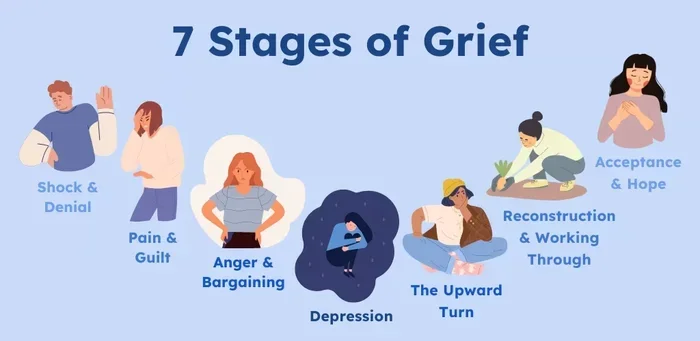
Visual guide about Healing journey through grief
Image source: morningstar.org.sg
The Role of Release in Spiritual Growth
Release is one of the most powerful tools in grief work. It does not mean forgetting. It means letting the pain move through you instead of staying trapped inside. When you cry, write, pray, or speak honestly, you create a channel for release. This channel allows old emotional pressure to leave your body.
Many people find that letting go of grief becomes easier when they create small rituals. You might light a candle, plant a flower, or write a letter you never send. Rituals give your spirit a focal point. They turn abstract pain into something you can honor and release with intention.
Signs Your Spirit Is Mending
Healing rarely arrives with a dramatic announcement. It usually shows up in quiet ways. You may notice these signs:
- You sleep a little easier.
- You feel moments of laughter without guilt.
- You regain interest in hobbies or nature.
- You speak about the loss with less tension.
- You feel curious about the future again.
These signs do not mean the pain is gone. They mean your spirit is finding its footing. The metaphysical meaning of finding your way through grief becomes clearer when you recognize these small victories. They are proof that your inner world is rebuilding.
Practical Steps to Navigate Grief With Awareness
Spiritual insight works best when paired with daily action. You do not need a perfect plan. You need gentle habits that keep you moving forward. The goal is not to erase pain. The goal is to walk through it with presence and care.
Visual guide about Healing journey through grief
Image source: raysofsunlight.com
Create a Daily Grounding Routine
Grounding helps you stay connected when emotions feel chaotic. A simple routine can include:
- Slow breathing for two minutes.
- Drinking water before coffee or tea.
- Stepping outside for fresh air.
- Writing three sentences about how you feel.
- Resting without guilt when your body asks for it.
These habits may seem small, but they build stability. When your days feel steady, your spirit can process grief without becoming overwhelmed. This is one of the most reliable grief recovery tips because it supports both body and soul.
Use Reflection to Find Meaning
Reflection helps you turn pain into understanding. You can ask yourself gentle questions such as:
- What did this relationship or situation teach me?
- What do I want to carry forward?
- What am I ready to release?
- How has my view of love or life changed?
Writing your answers can bring clarity. You may not find every answer right away. That is okay. The act of asking matters. It keeps your mind open and your heart honest. Over time, these reflections reveal the meaning after loss that is unique to your path.
Common Mistakes
Avoid rushing yourself to feel better. Avoid comparing your grief to someone else’s timeline. Avoid using busyness to silence your emotions. These habits can delay healing and leave unresolved pain buried inside.
Building Support and Creating Sacred Space
Grief can feel isolating, but you do not have to walk alone. Support can come from friends, family, counselors, support groups, or spiritual practices. The right support does not try to fix you. It simply stays with you while you heal.

Visual guide about Healing journey through grief
Image source: mikkiproffitt.com
Choosing People Who Hold Space Well
Some people offer advice too quickly. Others listen with patience. Look for the listeners. You want people who can sit with your pain without judging it. A good support person says things like, “I am here,” or “Tell me what today feels like.” These words create safety.
If your immediate circle feels distant, consider a grief group or a trusted mentor. Sometimes strangers who understand loss can offer the deepest comfort. Shared experience reduces shame and loneliness. It reminds you that healing after loss is a human journey, not a private failure.
Turning Your Environment Into a Healing Space
Your surroundings affect your spirit. A cluttered, noisy space can increase stress. A calm, gentle space can support rest. You do not need a major renovation. Small changes help:
- Clear one table or shelf for a simple ritual.
- Add a soft blanket, candle, or favorite photo.
- Keep a journal in a quiet corner.
- Reduce harsh lighting in the evening.
- Play soft music or silence when you need to decompress.
Sacred space is not about perfection. It is about creating a place where your heart can exhale. When your environment feels safer, your mind can relax enough to process deeper emotions.
Finding Meaning and Purpose After Loss
At some point, the question shifts from “Why is this happening?” to “What now?” This shift is natural. It marks a turning point in the spiritual healing journey. You are not leaving grief behind. You are learning how to carry it differently.
How Pain Can Become Purpose
Pain can sharpen your compassion. It can deepen your patience. It can also clarify what matters most to you. Many people discover that loss strips away trivial worries and reveals core values. You may care more about honesty, presence, kindness, or time with loved ones.
Purpose does not have to be grand. It can be simple. You might choose to support others who are mourning. You might create art, volunteer, or build a calmer life for yourself. The metaphysical meaning of finding your way through grief often shows up as a renewed commitment to live with more awareness and tenderness.
Rebuilding Your Identity With Care
Loss can shake your sense of self. You may wonder who you are without the person, role, or dream you lost. That question is painful, but it is also an invitation. You get to rebuild your identity with honesty. You do not need to become someone else. You only need to become more fully yourself.
Try noticing what feels authentic now. You may enjoy different music, different routines, or different boundaries. That is fine. Growth often changes taste and rhythm. Give yourself permission to evolve. Your new life does not erase the old one. It honors it by continuing forward.
Expert Insight
Many spiritual teachers suggest that grief is a teacher of presence. When everything familiar falls away, you are forced to meet the moment as it is. That meeting can awaken gratitude, courage, and a deeper trust in life’s unseen flow.
Common Pitfalls and How to Avoid Them
Even with good intentions, grief work can go off track. Awareness helps you notice when you are slipping into habits that slow healing. Below are common pitfalls and simple ways to counter them.
Pitfall 1: Suppressing Emotions to Stay “Strong”
Some people believe they must hide tears or keep everything together. This approach often creates more pressure. A better path is to name your feelings and allow them to move. Strength includes honesty.
Pitfall 2: Waiting for a Fixed End Date
Healing does not follow a strict calendar. It moves in waves. Some days feel lighter. Other days feel heavy again. That rhythm is normal. Instead of demanding a finish line, focus on steady care.
Pitfall 3: Isolating When You Need Connection
Withdrawal can feel protective, but too much isolation can deepen loneliness. You do not need a crowd. You need at least one safe connection. Reach out in small ways, even if it is just a short message or a quiet visit.
Pitfall 4: Using Quick Fixes Instead of Deep Healing
Distractions can help temporarily, but they do not replace processing. If you constantly fill every quiet moment, your emotions may stay locked inside. Balance distraction with reflection, rest, and honest expression.
Key Takeaways for Your Healing Journey
As you move forward, keep these truths close. They can anchor you when the path feels uncertain.
- The metaphysical meaning of finding your way through grief is about transformation, not erasure.
- Your emotions are valid and useful. They guide you toward deeper self-understanding.
- Small daily habits create stability during a turbulent season.
- Support and sacred space help your spirit feel safe enough to heal.
- Meaning often grows slowly, through reflection and gentle action.
- You can honor what you lost while still building a meaningful life ahead.
Healing is not a straight road. It is a living process that changes as you change. Some days you will feel strong. Some days you will simply survive. Both count. The important thing is to keep showing up for yourself with patience and compassion. When you do, the weight gradually becomes lighter, and the path becomes clearer.
The metaphysical meaning of finding your way through grief reminds us that pain can open a door to deeper wisdom. You do not have to rush. You do not have to pretend. You only have to keep walking, one honest step at a time. In that steady movement, you will find your way.
Frequently Asked Questions
What is the metaphysical meaning of grief?
Grief is often seen as a spiritual transition that helps the soul release old attachments and make room for new growth. It is not a sign that something is wrong with you. It is a natural response to deep love and meaningful loss.
How long does it take to find your way through grief?
There is no fixed timeline for healing. Some people feel shifts in weeks, while others need months or years to process deeply. The pace depends on your support, your coping habits, and the nature of the loss.
Can grief have a positive spiritual purpose?
Yes. Grief can deepen compassion, clarify values, and awaken a stronger sense of presence. Many people discover that pain teaches them how to love more honestly and live more intentionally.
What helps when grief feels stuck or endless?
Gentle routines, honest expression, and supportive connection often help the most. Writing, prayer, nature walks, and quiet rituals can also create space for emotions to move instead of staying trapped inside.
How do I know if I am healing from grief?
Healing often shows up as small moments of peace, better sleep, softer reactions, and a slow return of interest in daily life. You may still feel sadness, but it no longer rules every moment.
Should I seek professional help for grief?
If grief feels overwhelming, persistent, or isolating, support from a counselor or grief group can be very helpful. You do not need to wait until things become unmanageable. Support can make the journey safer and less lonely.
