
Does getting mortgage pre approval hurt your credit? Yes, but only slightly and temporarily. A hard inquiry usually drops your score by a few points. The impact fades fast, and multiple mortgage inquiries within a short window often count as one. Smart timing and clear communication with lenders keep your score healthy.
This is a comprehensive guide about Does Getting Mortgage Pre Approval Hurt Your Credit.
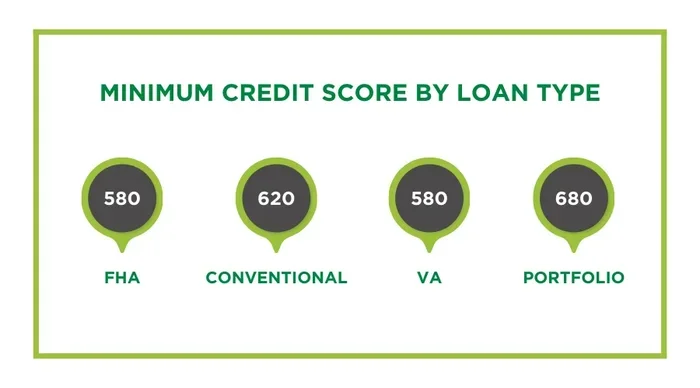
Visual guide about mortgage pre approval credit score
Image source: academybank.com

Visual guide about mortgage pre approval credit score
Image source: assurancemortgage.com
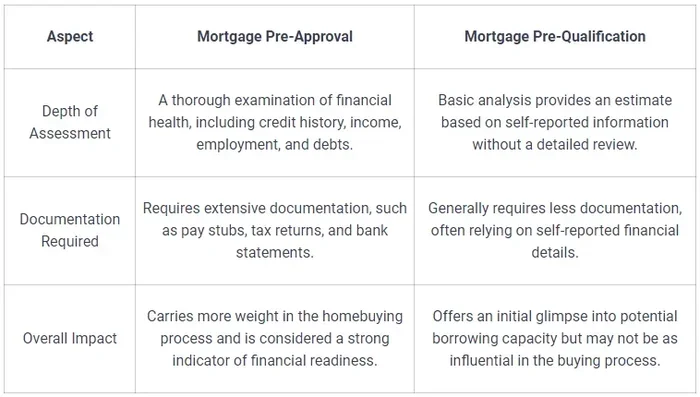
Visual guide about mortgage pre approval credit score
Image source: creditsecrets.com
Key Takeaways
- Hard pull impact: A mortgage pre approval triggers a hard credit inquiry, which may lower your score by a few points.
- Short window rule: Credit scoring models often treat multiple mortgage inquiries within 14 to 45 days as a single inquiry.
- Temporary dip: The score drop is small and usually recovers within a few months with on-time payments and low card balances.
- Soft vs hard: Pre-qualification often uses a soft pull, while pre approval typically requires a hard pull and documentation.
- Rate shopping matters: Apply with a few trusted lenders within a focused timeframe to compare rates without extra damage.
- Other factors count more: Payment history, credit utilization, and account age affect your score far more than one inquiry.
- Plan ahead: Avoid opening new cards or loans right before applying, and keep your debt-to-income ratio steady.
[FEATURED_IMAGE_PLACEHOLDER]
Many people ask the same question during home hunting: does getting mortgage pre approval hurt your credit? It is a smart concern. You want to shop for a home without lowering your score before you even make an offer. The good news is that the impact is usually small and short-lived. A pre approval does involve a closer look at your credit, but the score change is typically minor. With a little planning, you can compare lenders and still keep your score strong.
This guide breaks down what happens behind the scenes. You will learn the difference between a soft pull and a hard pull. You will see how scoring models treat multiple mortgage inquiries. You will also get simple steps to protect your score while you shop for the best rate. By the end, you will know exactly what to expect and how to move forward with confidence.
Does Getting Mortgage Pre Approval Hurt Your Credit?
The short answer is yes, but only a little. When a lender checks your credit for a pre approval, they usually place a hard inquiry on your report. A hard inquiry can lower your score by a few points. For most people, the drop is small and temporary. Your score often bounces back within a few months, especially if you keep your card balances low and pay bills on time.
It helps to understand why the dip happens. Scoring models see a new inquiry as a sign that you may take on more debt soon. That is why the model adds a small penalty. The key is context. One or two mortgage inquiries are not a big red flag. They show you are shopping for a loan, not wildly opening new credit lines. The scoring system is designed to reward responsible rate shopping.
Soft Pull vs Hard Pull
Not every credit check is the same. A soft pull happens when you check your own score or when a lender does a quick preview. Soft pulls do not affect your score. A hard pull happens when a lender reviews your file to make a lending decision. Pre approval for a mortgage usually requires a hard pull because the lender needs to verify your credit history and current debts.
Here is a simple way to think about it. Pre-qualification is often a soft process. It gives you a rough idea of what you might afford. Pre approval goes further. The lender confirms your income, assets, and credit. That step usually requires a hard inquiry. If you are unsure which one a lender uses, ask before you apply.
How Much Does a Hard Inquiry Drop Your Score?
The number varies by person. Many people see a drop of a few points. Some see no change at all. Others may see a slightly larger dip if their file is thin or if they have several recent inquiries. The effect is usually smaller for people with a strong payment history and low credit utilization. In other words, your overall credit habits matter far more than one new inquiry.
Think of your score like a battery. A hard inquiry uses a tiny bit of charge. Your daily habits recharge it. Paying on time, keeping card balances low, and avoiding new debt help your score recover quickly. The inquiry itself is a small event in the bigger picture of your credit profile.
How Rate Shopping and Credit Scoring Work
Mortgage shopping is a bit different from shopping for a credit card. Credit scoring models understand that people compare loan offers. So they often treat several mortgage inquiries as one, as long as they happen within a set window. This is called rate shopping protection. It helps you compare lenders without taking a fresh hit for every application.
The exact window can vary by scoring model. Some models look at a 14-day period. Others look at 45 days. The safe play is to keep your applications close together. If you apply with a few lenders within a couple of weeks, the model is more likely to count them as one inquiry. That keeps the impact lower and makes your shopping smarter.
Why Timing Matters
Timing is your friend here. If you spread out applications over several months, each one may register separately. That can add up. If you compress your shopping into a short span, the scoring model sees a single shopping event. This is one of the easiest ways to answer the question does getting mortgage pre approval hurt your credit with less worry. A focused window protects your score while you compare rates and fees.
A practical tip: pick a start date and a short deadline. Tell each lender when you plan to decide. This keeps everyone on the same page. It also helps you move fast, which matters in a busy housing market. You get the benefit of comparison without dragging the process out.
Multiple Inquiries and the Single-Inquiry Rule
Many people fear that every application will stack up. In mortgage lending, that is often not the case. Scoring models commonly group mortgage inquiries made within a short period. The goal is to reward smart shopping. You can ask lenders about their process and when they pull credit. Some pull early during pre approval. Others pull later during formal underwriting. Knowing this helps you plan your applications with less stress.
A simple comparison helps clarify the idea.
| Scenario | Typical Credit Impact | Why It Happens |
|---|---|---|
| One mortgage pre approval | Small, temporary dip | Single hard inquiry for a loan you are serious about |
| Several mortgage inquiries within a short window | Often treated as one inquiry | Rate shopping protection in many scoring models |
| Many credit card applications over months | Larger cumulative impact | Each card inquiry may count separately |
| Soft pull for pre-qualification | No score change | Preview check that does not affect the file |
This table shows why context matters. A single pre approval is a small event. A cluster of mortgage inquiries is usually treated as one event. Many card applications over time can add up. Soft checks do not move the needle. The pattern is what counts.
What Lenders See During Pre Approval
Pre approval is more than a quick glance. The lender looks at your credit score, payment history, current debts, and sometimes your employment. They want to confirm that you can handle a mortgage payment. This deeper review is why pre approval carries more weight than a simple online estimate. It also explains why a hard pull is common at this stage.
Your credit report tells a story. Lenders look for on-time payments, reasonable card balances, and a stable mix of accounts. They also check for recent late payments, collections, or high utilization. A clean report makes the process smoother. A few blemishes do not always block approval, but they can affect your rate. That is why it helps to review your own report before you apply.
Income, Debt, and Credit
Your credit score is only one piece. Lenders also review your debt-to-income ratio. They compare your monthly debt payments to your income. A strong score with a high debt load may still face limits. On the flip side, a solid income and modest debts can support a good outcome even if your score is average. The full picture matters more than any single number.
This is another reason the inquiry itself is not the main event. Your habits and balances carry more weight. If you keep card balances low and avoid new loans before applying, you present a stable profile. That stability matters more to lenders than one hard inquiry from a pre approval.
Why Documentation Helps
Pre approval often asks for pay stubs, tax forms, and bank statements. This step confirms what the credit report shows. It also helps the lender give you a clearer price range. When your paperwork is ready, the process moves faster. You also reduce the chance of surprises later. A smooth pre approval can save time when you find the right home.
A quick tip: gather your documents before you apply. Having recent pay stubs, a list of debts, and basic asset details ready makes the review cleaner. It also shows lenders that you are organized. That professionalism can only help.
How to Protect Your Credit While Shopping
You can shop smart and keep your score steady. The goal is to limit unnecessary checks and keep your credit habits stable. Start by asking lenders when they pull credit. Some do it at the pre approval stage. Others wait until you move forward with a full application. Knowing this helps you control the timing and reduce extra inquiries.
Next, keep your credit card balances low. High utilization can lower your score more than a single inquiry. Paying down balances before you apply can help. Also, avoid opening new cards or loans right before your mortgage application. New accounts can shorten your average account age and add more hard pulls. Stability is your friend during this window.
Smart Application Timing
Plan a short shopping window. Apply with a few trusted lenders within that window. Compare their rates, fees, and service. Then decide. This keeps your applications grouped and makes the most of rate shopping protection. It also helps you move quickly when you are ready to make an offer.
A simple checklist can keep you on track:
- Pick your lenders: Choose two to four reputable lenders to compare.
- Set a window: Keep applications within a couple of weeks.
- Ask about pulls: Confirm when each lender checks your credit.
- Keep balances low: Pay down cards before applying.
- Avoid new debt: Skip new cards or loans during this period.
- Monitor your score: Check your own report for errors and updates.
This approach answers the worry about does getting mortgage pre approval hurt your credit with a clear plan. You get the benefit of comparison while limiting the impact. You also show lenders that you are a careful borrower, which is always a good look.
Common Mistakes to Avoid
A few missteps can make the process harder than it needs to be. The first is spreading applications across many months. That can create several separate inquiries. The second is opening new credit right before you apply. That can change your utilization and account age. The third is ignoring your credit report. Mistakes happen, and errors can drag your score down for no good reason.
Another common mistake is focusing only on the interest rate. Fees, closing costs, and service matter too. A slightly higher rate with better terms may be a better fit. Look at the full picture. Also, do not assume every lender uses the same process. Ask questions early so you know what to expect.
Expert Insights on Pre Approval and Credit
Experts often say the same thing: one pre approval is not a big deal. The score dip is small, and the recovery is quick. What matters more is your overall credit behavior. On-time payments, low balances, and a stable debt load build a strong profile over time. A single hard inquiry is a tiny mark in comparison.
Experts also suggest being intentional about shopping. Pick a short window. Compare a few lenders. Ask when they pull credit. Keep your finances steady. These steps reduce stress and help you make a confident choice. If you want a deeper dive on how mental stress and money decisions connect, you may enjoy reading about what does energy have to do with mental health. It is a helpful reminder that calm, clear choices lead to better outcomes.
Another useful perspective is to think long term. A mortgage is a big step, but your credit journey is a marathon. One pre approval does not define your score. Your habits do. If you keep your payments steady and your balances manageable, your score will stay resilient. That resilience gives you more freedom when you are ready to buy.
Quick Tips for a Smooth Process
- Review your report first: Check for errors and dispute anything that looks wrong.
- Lower card balances: Aim for low utilization before you apply.
- Keep applications close: Group your mortgage inquiries within a short window.
- Ask lenders directly: Confirm when they pull credit and what they need.
- Stay steady: Avoid big financial changes during the shopping period.
- Compare the full offer: Look at rate, fees, and service, not just the number.
Conclusion
So, does getting mortgage pre approval hurt your credit? A little, but not in a way that should stop you. The hard inquiry may lower your score by a few points, and the effect is usually short-lived. When you shop within a focused window, scoring models often treat multiple mortgage inquiries as one. That makes rate shopping much safer than many people think.
The bigger story is your overall credit habits. Pay on time. Keep card balances low. Avoid new debt while you shop. Review your report for errors. Ask lenders when they pull credit and plan your applications with care. These steps help you compare offers and protect your score at the same time. With a calm, organized approach, you can move toward homeownership with confidence.
Frequently Asked Questions
Does getting mortgage pre approval hurt your credit score?
Yes, but usually only a little. A pre approval often triggers a hard inquiry, which may lower your score by a few points. The dip is typically temporary and fades as your on-time payments and low balances rebuild your score.
How long does a mortgage pre approval affect your credit?
The impact is short-term. A hard inquiry can affect your score for a few months, but the effect usually lessens quickly. Your payment history and credit utilization matter much more over time than one inquiry.
Will multiple mortgage pre approvals damage my credit more?
Often not, if they happen within a short window. Many scoring models treat several mortgage inquiries in a focused period as a single inquiry. That helps you compare lenders without taking a fresh hit for each application.
Does pre-qualification affect credit the same way as pre approval?
Not usually. Pre-qualification often uses a soft pull, which does not change your score. Pre approval usually involves a harder review and a hard inquiry, since the lender verifies your credit and finances more closely.
Should I check my credit before applying for pre approval?
Yes, it is a smart step. Checking your own report is a soft pull and will not hurt your score. Reviewing your file helps you spot errors, understand your standing, and fix issues before a lender checks your credit.
What can I do to protect my credit while shopping for a mortgage?
Keep your applications within a short window and ask lenders when they pull credit. Pay down card balances, avoid new loans, and keep your finances steady. Comparing a few trusted lenders in a focused timeframe helps you find a good rate with less impact.
Frequently Asked Questions
What is Does Getting Mortgage Pre Approval Hurt Your Credit?
Does Getting Mortgage Pre Approval Hurt Your Credit is an important topic with many practical applications.
