
Yes, you can transfer your mortgage to another bank through a process called refinancing. This move can help you secure a lower interest rate, reduce monthly payments, or access better loan terms. However, it requires careful planning, credit checks, and an understanding of closing costs. We will guide you through every step so you can make the best financial decision for your home.
Key Takeaways
- Transferring a mortgage is possible through refinancing with a new lender.
- Lower interest rates are the most common reason to switch banks.
- Closing costs and fees can impact your overall savings significantly.
- Your credit score plays a major role in qualifying for a new loan.
- Prepayment penalties on your current loan may affect the switch.
- Shopping around helps you find the best terms for your situation.
- Professional advice from a mortgage broker can simplify the process.
📑 Table of Contents
Can I Transfer My Mortgage to Another Bank
Many homeowners ask can I transfer my mortgage to another bank when they want better loan terms. The short answer is yes. You can move your home loan to a different lender through a process known as refinancing. This step allows you to replace your current mortgage with a new one from a new bank or lender.
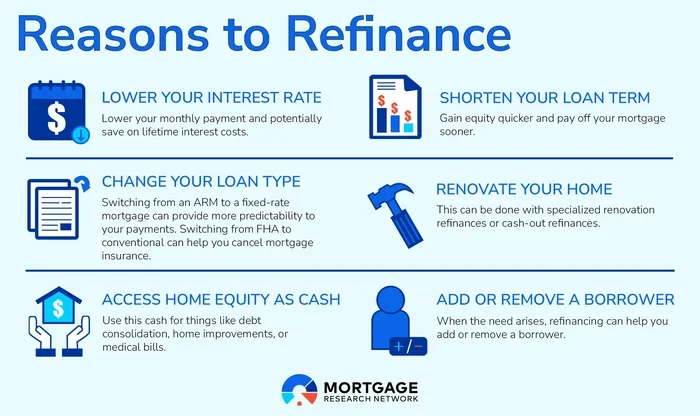
People usually consider this move to save money. A lower interest rate can reduce your monthly payment. It can also save you thousands over the life of the loan. Some homeowners also switch to get better customer service or to change their loan type. The process is common, but it requires careful thought and planning.
Why Homeowners Consider Switching Lenders
There are several reasons why someone might look into mortgage transfer options. The most common reason is to get a better interest rate. Rates change over time, and your original loan might no longer be the best deal. A lower rate can free up cash for other expenses.
Visual guide about mortgage refinancing documents
Image source: storage.googleapis.com
Another reason is to change the loan term. You might want to pay off your home faster. Or you might need lower monthly payments to ease your budget. Switching lenders can also help you move from an adjustable-rate mortgage to a fixed-rate one. This gives you more stability in your payments.
Some people switch because they are unhappy with their current lender. Poor customer service or confusing paperwork can be frustrating. A new bank might offer a smoother experience and better support. Whatever your reason, it is important to weigh the pros and cons before making a move.
Lower Interest Rates and Monthly Savings
Getting a lower rate is the biggest draw for most borrowers. Even a small drop in interest can make a big difference. For example, a one percent rate reduction on a three hundred thousand dollar loan can save you hundreds each month. These monthly savings add up quickly over time.
You should also look at the total cost of the loan. A lower payment is great, but you need to make sure the closing costs do not eat up your savings. Calculate how long it will take to break even. This helps you see if the switch is worth it for your situation.
Changing Loan Terms for Flexibility
Your current loan term might not fit your life anymore. If your income has grown, you might want a shorter term. This helps you build equity faster and pay less interest overall. On the other hand, if money is tight, a longer term can lower your monthly bill.
You can also change from an adjustable rate to a fixed rate. Fixed rates stay the same for the life of the loan. This protects you from future rate hikes. Many homeowners find this peace of mind worth the effort of switching lenders.
The Refinancing Process Step by Step
If you are wondering how to transfer mortgage to a new bank, the process is similar to applying for your first loan. You will need to gather documents, apply, and go through underwriting. Here is a simple breakdown of the steps involved.

Visual guide about mortgage refinancing documents
Image source: investopedia.com
First, check your current loan details. Look for your interest rate, remaining balance, and any prepayment penalties. Next, shop around with different lenders. Get quotes from at least three banks or credit unions. Compare their rates, fees, and terms carefully.
Once you pick a lender, submit your application. You will need to provide proof of income, assets, and employment. The lender will also check your credit. After approval, you will review the closing documents. Finally, you sign the new loan, and the new bank pays off your old one.
Gathering Your Financial Documents
Lenders need to see that you can repay the loan. You will typically need your W2 forms, tax returns, and recent pay stubs. Bank statements for the last two months are also common. If you are self-employed, you may need profit and loss statements.
Having these documents ready speeds up the process. It also shows the lender that you are organized and serious. Make sure your documents are current and accurate. Any errors can delay your approval or cause problems later.
Shopping Around for the Best Deal
Do not settle for the first offer you receive. Different lenders have different criteria and rates. Some banks specialize in certain types of loans. Others might offer better deals for existing customers. Shopping around gives you leverage and helps you find the best fit.
Ask about all fees, not just the interest rate. Origination fees, appraisal costs, and title fees can vary widely. A slightly higher rate with lower fees might be cheaper overall. Take your time to compare the full picture before you decide.
Costs and Fees to Watch For
Transferring your mortgage is not free. You will face closing costs similar to when you bought your home. These costs usually range from two to five percent of the loan amount. They can include appraisal fees, title insurance, and origination charges.
Visual guide about mortgage refinancing documents
Image source: i.etsystatic.com
Some lenders offer no-closing-cost loans. This sounds great, but the costs are often rolled into a higher interest rate. You pay less upfront, but you pay more over time. Make sure you understand how the lender is covering the costs.
You should also check for prepayment penalties on your current loan. Some loans charge a fee if you pay them off early. This penalty can reduce your savings from switching. Always read your current loan agreement before you apply for a new one.
Understanding Closing Costs
Closing costs cover the services needed to finalize your new loan. An appraisal confirms your home value. Title insurance protects against ownership disputes. Origination fees pay for the lender processing your application. These are standard parts of the process.
You can sometimes negotiate these fees. Ask your lender if any charges can be waived. You might also be able to shop for your own title company or appraiser. Saving even a few hundred dollars can improve your overall financial outcome.
Prepayment Penalties and Hidden Fees
A prepayment penalty is a fee for paying off your loan early. Not all loans have this, but you must check. If your current loan has a penalty, calculate whether your savings still outweigh the cost. In some cases, it might be better to wait until the penalty period ends.
Watch for other hidden fees too. Some lenders charge for rate locks or application processing. Ask for a full list of all potential charges before you commit. Being aware of these costs helps you avoid surprises at the closing table.
Impact on Credit and Timing
Applying for a new loan will affect your credit score. The lender will do a hard inquiry, which can drop your score slightly. This dip is usually small and temporary. However, multiple inquiries in a short time can have a bigger impact.
Fortunately, credit scoring models often treat multiple mortgage inquiries as one. This means shopping around within a short window is safe. Try to complete all your applications within fourteen to forty-five days. This minimizes the impact on your credit score impact.
Timing also matters for other reasons. You want to make sure your current loan is paid off smoothly. Coordinate the closing dates carefully. A gap in payments can lead to late fees or credit issues. Plan ahead to ensure a seamless transition.
How Hard Inquiries Affect Your Score
A hard inquiry happens when a lender checks your credit for a loan decision. It usually lowers your score by a few points. The effect fades over time and disappears after a year. One or two inquiries are rarely a major problem for most borrowers.
The bigger risk is applying for many different types of credit at once. This can signal financial trouble to lenders. Stick to mortgage shopping during this period. Avoid opening new credit cards or taking out car loans while you switch your mortgage.
Timing Your Switch for Maximum Benefit
The best time to switch is when rates are lower than your current rate. Keep an eye on market trends. If rates drop significantly, it might be worth acting fast. You should also consider how long you plan to stay in your home.
If you plan to move soon, the closing costs might not be worth it. You need enough time to recoup the expenses through your savings. For most people, staying in the home for at least two to three years makes refinancing worthwhile. Calculate your break-even point before you proceed.
When It Might Not Be Worth It
Switching lenders is not always the right choice. Sometimes the costs outweigh the benefits. If your current rate is already low, you might not find a better deal. High closing costs can also eat into your savings quickly.
Your financial situation matters too. If your credit has worsened since you got your first loan, you might not qualify for better terms. You could end up with a higher rate or face rejection. In this case, it might be better to wait and improve your finances first.
You should also consider how long you have left on your loan. If you are near the end of your term, most of your payment goes to principal. Refinancing at this stage might not save you much. It is important to look at the full picture before making a change.
High Closing Costs vs. Potential Savings
Compare your total closing costs to your monthly savings. Divide the costs by the monthly savings to find your break-even point. If it takes more than a few years to break even, the switch might not be worth it. You could lose money if you sell the home too soon.
For example, if closing costs are four thousand dollars and you save two hundred a month, it takes twenty months to break even. If you plan to move before then, you will lose money. Always run the numbers carefully before you sign anything.
Short Remaining Loan Terms
If you have only a few years left on your mortgage, refinancing might not help much. The interest portion of your payment is already small. A lower rate will not save you a significant amount. You might be better off putting extra money toward the principal instead.
Also, restarting a new thirty-year term can cost more in the long run. Even with a lower rate, you are extending the time you pay interest. Make sure you understand the long-term cost of resetting your clock. Sometimes staying put is the smarter financial move.
Tips for a Smooth Mortgage Transfer
To make the process easier, stay organized and communicate clearly. Keep track of all your documents and deadlines. Respond quickly to any requests from your lender. Delays often happen because borrowers are slow to provide information.
Work with a reputable lender or broker. A good professional can guide you through the steps and warn you about potential issues. They can also help you compare offers and negotiate better terms. Expert advice can save you time and money in the long run.
Finally, read all documents before you sign. Make sure the terms match what you were promised. Check the interest rate, monthly payment, and closing costs. Do not rush through the closing process. Taking your time protects you from mistakes and misunderstandings.
Working with Mortgage Brokers
A mortgage broker can help you find lenders that fit your needs. They have access to multiple loan products and can shop on your behalf. This saves you the effort of contacting many banks yourself. Brokers can also help you understand complex terms and fees.
However, brokers charge fees for their services. Make sure you understand how they are paid. Sometimes the lender pays the broker, and sometimes you do. Knowing this helps you compare the total cost of using a broker versus going direct to a bank.
Reading the Fine Print Before Signing
Never skip the fine print. It contains important details about your loan terms and conditions. Look for clauses about rate changes, penalties, or special fees. If something is unclear, ask the lender to explain it in plain language.
You have the right to review all documents before closing. Take them home if you need more time to read. Do not let anyone pressure you to sign quickly. Your home is a major investment, and you deserve to understand every part of the agreement.
Frequently Asked Questions
Can I transfer my mortgage to another bank without refinancing?
Generally, you cannot transfer a mortgage without refinancing. The new lender must issue a new loan to pay off the old one. Some banks may offer loan assumption, but this is rare and depends on the original loan terms.
Will switching lenders hurt my credit score?
Applying for a new loan causes a hard inquiry, which may lower your score slightly. However, the impact is usually small and temporary. Shopping around within a short period helps minimize the effect on your credit.
How long does it take to transfer a mortgage to a new bank?
The process typically takes thirty to forty-five days. It depends on the lender, your documents, and the complexity of your financial situation. Being prepared with all your paperwork can speed things up.
Are there penalties for paying off my current mortgage early?
Some mortgages have prepayment penalties if you pay them off early. You need to check your current loan agreement to see if this applies. If there is a penalty, factor it into your cost calculations before switching.
Can I switch to a different bank if I have bad credit?
It is possible, but you may not qualify for the best rates. Some lenders specialize in working with borrowers who have lower credit scores. You might also consider improving your credit before applying to get better terms.
What documents do I need to transfer my mortgage?
You will need proof of income, such as pay stubs and tax returns. Bank statements, employment verification, and your current loan details are also required. Having these ready helps the process go smoothly.