

Do you need a mortgage to buy a house? The short answer is no. You can purchase a home with cash, seller financing, or lease options. This guide explains your choices and helps you decide the best path for your budget and goals.
Many people grow up hearing that you need a loan to buy a home. That idea feels true because most buyers use one. But the truth is simpler. You do not need a mortgage to buy a house. You can buy with cash. You can use seller financing. You can also try a lease option. Each path has pros and cons. The best choice depends on your money, your risk tolerance, and your timeline.
This topic matters because buying a home is one of the biggest decisions you will make. If you can avoid loan fees, you may save a lot of money. If you cannot get approved for a loan, other paths may still work. If you want a faster closing, cash can help. If you want flexibility, creative deals may fit better. Understanding your options gives you more control. It also helps you ask better questions and make a smarter offer.
In this guide, we will walk through the main ways to buy a house without a traditional mortgage. We will look at cash buying, seller financing, lease options, and other creative paths. We will also cover the hidden costs, the risks, and the steps that help you stay safe. By the end, you will know what questions to ask and how to choose the right approach for your situation.
Key Takeaways
- You do not need a mortgage to buy a house. Cash purchases, seller financing, and lease options are real alternatives.
- Cash offers can make your bid stronger. Sellers often prefer buyers who skip lender delays.
- Seller financing can help if you have limited credit. The seller acts as the lender and sets the terms.
- Lease options let you rent first. You can lock in a future purchase price while saving more money.
- Buying without a loan still costs money. You need funds for the price, closing costs, taxes, and repairs.
- Compare all paths before you decide. Each option has different risks, fees, and timeline needs.
- Talk to a real estate agent and a tax pro. Good advice helps you avoid costly mistakes.
📑 Table of Contents
Do You Need a Mortgage to Buy a House?
The quick answer is no. A mortgage is a common tool, not a requirement. A mortgage is simply a loan secured by the home. If you have enough money or a different financing plan, you can skip the bank. That means no loan officer, no underwriting wait, and often fewer paperwork hurdles. It also means you carry the full risk yourself. So the real question is not whether you must use a mortgage. The real question is which path fits your goals and your budget.
Buying without a mortgage can sound ideal, but it still takes planning. You need enough money for the purchase price. You also need funds for closing costs, inspections, taxes, insurance, and repairs. Even if you avoid a loan, you should still shop carefully. A house is a big asset, and a bad deal can cost you more than a loan ever would. The good news is that once you understand the options, the process becomes much clearer.
Cash Purchases
A cash purchase is the simplest way to buy without a mortgage. You pay the full price at closing. The seller gets certainty fast. You avoid interest, loan fees, and many delays. This can make your offer very attractive, especially in a busy market. Cash buyers often close in a couple of weeks or less. That speed can matter a lot to sellers who want a clean deal.
Cash buying does have trade-offs. Your money is tied up in one asset. You also lose the leverage that a loan can provide. If the market dips, you may feel that loss more directly. Still, many people choose cash to keep things simple. If you have savings, a bonus, an inheritance, or proceeds from another sale, this path may make sense. Just be sure to keep some reserves for moving costs and repairs.
Seller Financing
Seller financing is another strong option. In this setup, the seller acts like the bank. You make payments to the seller over time, often with interest. The terms are negotiable. That can be a big advantage if you need a flexible plan. For example, you might agree on a lower down payment or a custom repayment schedule. This can help if your credit is limited or if you want to move quickly.
This path works best when the seller owns the home free and clear. It also helps if the seller is motivated and open to a creative deal. You should still use a written contract and clear terms. A good agreement covers the payment amount, interest rate, late fees, and what happens if you miss a payment. It should also explain how title transfers at the end. When done well, seller financing can feel simple and personal. When done poorly, it can create confusion, so clarity matters.
Lease Options
A lease option gives you another route. You rent the home first and get the right to buy it later. During the lease term, you can save more money or fix credit issues. Some parts of your rent may even count toward the future purchase price. This can be helpful if you need time before you buy. It also lets you test the home and the neighborhood before you commit.
Lease options are not the same as a regular rental. You need a clear contract that spells out the purchase price, the option fee, and the timeline. You should also know what happens if you decide not to buy. In some cases, you may lose the option fee if you walk away. That risk is real, so treat this choice carefully. A lease option can be a smart bridge to ownership, but only if the terms protect you.
Why Buyers Often Choose a Mortgage
Even though you can buy without a loan, many people still choose one. The main reason is leverage. A mortgage lets you control a large asset with a smaller amount of cash upfront. That can free up money for other goals. It can also help you buy sooner if you do not have enough savings for a full cash purchase. For many families, that trade-off feels worth it.
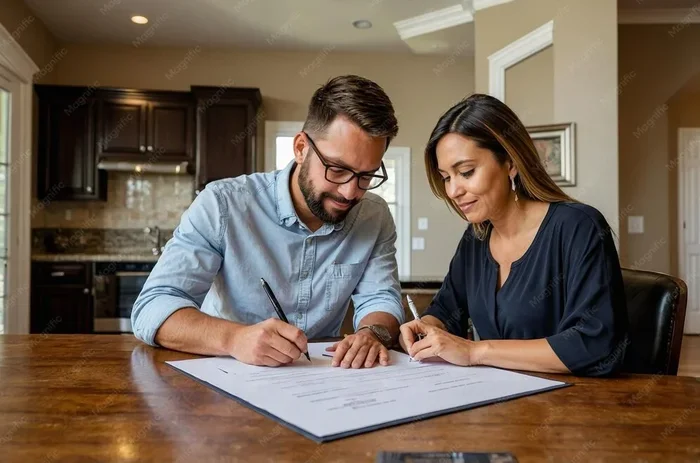
Visual guide about happy couple signing mortgage papers
Image source: img.freepik.com
Another reason is opportunity cost. Your cash can do many things. It can sit in an emergency fund, pay down high-interest debt, or support investments. If a mortgage lets you keep some cash free, that flexibility can matter. Of course, you pay interest and fees for that privilege. So the choice is really about balance. You are comparing the cost of borrowing with the value of keeping cash available.
Mortgages also offer structure. Fixed payments can make budgeting easier. Long terms can make monthly costs more manageable. And in some markets, homes appreciate over time, which can help offset borrowing costs. None of this means a loan is always better. It just means a mortgage can solve specific problems. If you want to buy now, keep cash reserves, and spread out payments, a loan may be the right tool.
Buying Without a Mortgage: Real Options That Work
If you want to avoid a traditional loan, you still have several practical paths. The best one depends on your savings, your credit, and how much risk you want to carry. Below are the most common alternatives and what they usually involve.

Visual guide about happy couple signing mortgage papers
Image source: img.freepik.com
Cash From Savings or Assets
Some buyers use savings, investments, or proceeds from another sale. This is the most direct route. You simply pay the full price and close quickly. The main challenge is having enough liquid money. You also want to keep a buffer for repairs, moving costs, and emergencies. If you drain every dollar, you may feel stressed later. A healthy reserve can make homeownership much easier.
Borrowing From Family or Friends
Some people borrow from someone they trust. This can be faster and cheaper than a bank loan. It can also be more flexible. But it can strain relationships if the deal goes wrong. If you try this, put everything in writing. Define the repayment schedule, interest, and what happens if payment is late. Clear terms protect both sides. A verbal promise is not enough for a big purchase.
Partnerships and Co-Buying
Another option is to buy with a partner. You can split the price, the down payment, and the ongoing costs. This can make a home more affordable. It can also help you buy in a better location. The key is a strong agreement. Decide how you will share expenses, handle repairs, and exit the deal if one person wants out. A clear plan prevents fights later.
Creative Seller Deals
Some sellers are open to more than one financing style. You might see a combination of down payment help, delayed payments, or a short-term note. These deals can be useful when a seller wants steady income or a faster sale. They can also help buyers who need a custom structure. The risk is complexity. If the deal is hard to understand, it may be hard to manage. Keep it simple when you can.
The Hidden Costs of Buying a House Without a Loan
People often focus on the purchase price and forget the rest. Even without a mortgage, buying a home costs more than the sticker price. You should plan for closing costs, title work, inspections, insurance, taxes, and moving expenses. You may also need money for immediate repairs or upgrades. A realistic budget helps you avoid surprises.

Visual guide about happy couple signing mortgage papers
Image source: c8.alamy.com
Without a loan, you may also lose some protections that lenders require. For example, a lender may force an appraisal or certain inspections. When you buy on your own, you still want those checks. Skipping them can be expensive. A good inspection can reveal roof issues, plumbing problems, or electrical concerns. Those fixes can cost a lot. So even if you avoid a mortgage, do not skip the basics that protect your money.
You should also think about ongoing costs. Property taxes can rise. Insurance can change. Maintenance is part of owning a home. A new heater, a leaking pipe, or a broken appliance can show up when you least expect it. If you buy with cash, you are fully responsible for these costs. That is why many buyers keep a repair fund after closing.
How to Decide Which Path Is Right for You
Choosing the right path starts with a clear picture of your finances. Ask yourself a few simple questions. How much cash do you have now? How much can you save before you buy? Do you need to keep some money for emergencies? Are you comfortable carrying all the risk yourself? Your answers will point you in the right direction.
Next, think about your timeline. If you need to move quickly, cash or a flexible seller deal may work well. If you can wait, a lease option or a partnership may give you time to prepare. If your credit needs work, seller financing or a creative deal may be more realistic than a bank loan. If you want the lowest stress, cash can be the cleanest route. If you want to preserve cash, a loan or a co-buying plan may fit better.
It also helps to compare the total cost of each option. Look beyond the monthly payment. Include fees, interest, taxes, insurance, and maintenance. Then think about the non-money factors too. Do you value speed? Do you value flexibility? Do you want to stay in the home for many years? The best choice is the one that matches your goals and your comfort level.
Quick Tips
- Keep a reserve. Do not spend every dollar on the purchase.
- Get inspections. They can save you from expensive surprises.
- Use clear contracts. Write down payment terms, deadlines, and exit rules.
- Compare total cost. Look at fees, taxes, insurance, and repairs, not just price.
- Ask for help. A good agent, attorney, or tax pro can spot risks early.
Common Mistakes
- Ignoring closing costs. These can add up fast.
- Skipping inspections. This can lead to big repair bills.
- Rushing into a creative deal. Complex terms can hide problems.
- Draining your savings. You may need cash after move-in day.
- Not planning an exit. Know what happens if you need to sell or step away.
Final Thoughts on Do You Need a Mortgage to Buy a House
So, do you need a mortgage to buy a house? No, you do not. You can buy with cash, use seller financing, or explore a lease option. You can also borrow from someone you trust or buy with a partner. Each path has tradeoffs. Some are faster. Some are cheaper. Some give you more flexibility. The right choice depends on your money, your risk comfort, and your goals.
The most important step is to look at the full picture. Do not focus only on the purchase price. Think about closing costs, repairs, taxes, insurance, and your future plans. If you buy without a loan, you still need a smart plan. Clear contracts, careful inspections, and a healthy reserve can make a huge difference. If you take your time and compare the options, you can make a decision that feels steady and informed.
Owning a home can be rewarding, whether you use a mortgage or not. What matters most is that the deal fits your life. When you understand the choices, you can move forward with confidence. That is the real goal: not just buying a house, but buying the right house in the right way.
Frequently Asked Questions
Can I buy a house without a mortgage?
Yes, you can buy a house without a mortgage. Many buyers use cash, seller financing, or lease options instead. The best choice depends on your savings, your timeline, and how much risk you want to carry.
Is buying a house with cash better than using a mortgage?
It depends on your goals. Cash can mean a faster closing and no loan interest. A mortgage can help you keep some cash free for other needs. The right option is the one that fits your budget and your long-term plan.
What is seller financing and how does it work?
Seller financing is when the seller lends you the money to buy the home. You make payments to the seller instead of a bank. The terms are negotiable, so this can work well when the seller wants a flexible or faster sale.
Are there risks to buying a home without a loan?
Yes, there are risks. You still need money for closing costs, repairs, taxes, and insurance. You also need strong contracts and inspections to avoid hidden problems. Without a loan, you carry more of the financial responsibility yourself.
Do I need good credit to buy a house without a mortgage?
Not always. Cash purchases do not depend on credit. Seller financing and lease options may also be more flexible than bank loans. Still, your credit can matter if you plan to use other financing later.
What costs should I plan for if I buy without a mortgage?
Plan for the purchase price, closing costs, inspections, title work, taxes, insurance, and moving expenses. You should also keep money for repairs and emergencies. A realistic budget helps you avoid stress after closing.
