
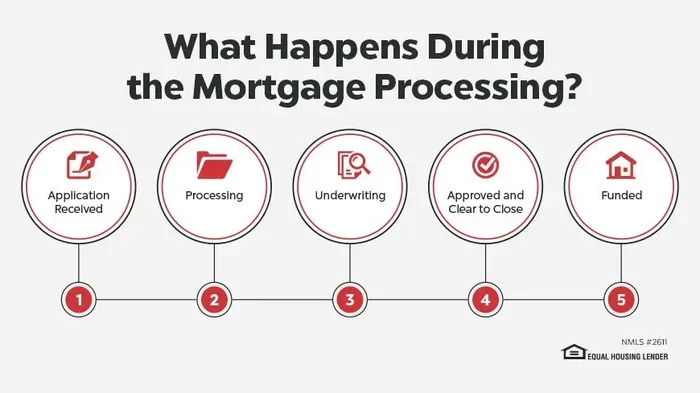
Getting a home mortgage loan approval mbdaysin can feel overwhelming, but the right preparation changes everything. You need to understand your credit, manage debt, and gather the right documents before applying. These five simple tips will help you navigate the process with confidence and avoid common pitfalls that delay financing.
Buying a home is one of the biggest financial steps you will ever take. It brings excitement, but it also brings a lot of paperwork and waiting. Many people feel stuck when they hear about strict lending rules. The good news is that you can take control of the process with a little planning.
When you understand what lenders look for, you can prepare your finances before you ever fill out an application. This approach saves time and reduces stress. It also helps you avoid surprises that could derail your dreams. You do not need perfect finances to get approved. You just need to show that you are a responsible borrower.
In this guide, we will walk through five practical tips that can improve your chances of success. These steps are simple, actionable, and based on what real lenders expect. Whether you are a first-time buyer or you have bought a home before, these insights will help you move forward with confidence.
Key Takeaways
- Check your credit score early: Lenders rely heavily on your credit history, so review your report months before applying.
- Lower your debt-to-income ratio: Pay down existing balances to show lenders you can handle a new monthly payment.
- Save for a larger down payment: A bigger down payment reduces lender risk and can improve your approval odds.
- Gather documents before applying: Tax returns, pay stubs, and bank statements speed up the underwriting process.
- Avoid major financial changes: Do not open new credit lines or change jobs during the approval window.
- Work with a trusted loan officer: A knowledgeable professional can guide you through specific lender requirements.
- Get pre-approved first: Pre-approval shows sellers you are serious and clarifies your budget before house hunting.
📑 Table of Contents
- Understand What Lenders Look For in a Home Mortgage Loan Approval Mbdaysin
- Prepare Your Finances Before You Apply
- Gather the Right Documents for a Home Mortgage Loan Approval Mbdaysin
- Avoid Common Mistakes That Delay Approval
- Work Closely With Your Loan Officer
- Get Pre-Approved to Strengthen Your Position
- Final Thoughts on a Home Mortgage Loan Approval Mbdaysin
Understand What Lenders Look For in a Home Mortgage Loan Approval Mbdaysin
Lenders do not make decisions based on a single number. They look at your whole financial picture. They want to know that you can repay the loan on time. This means they check your income, your debts, your employment history, and your past borrowing habits. When you know this, you can prepare the right way.
Credit History Plays a Big Role
Your credit report tells lenders how you have handled money in the past. They look at your payment history, your credit utilization, and the length of your credit history. A higher score usually means better terms. A lower score does not always mean a denial, but it can change your interest rate. You should check your report early so you have time to fix errors or pay down balances.
Many people wait until the last minute to look at their credit. That is a mistake. Errors on a credit report can take weeks to correct. If you find a mistake, you can dispute it and wait for the update. This small step can make a real difference in your final offer.
Stable Income Matters More Than You Think
Lenders want proof that your income is steady. They usually ask for recent pay stubs, tax returns, and sometimes bank statements. If you are self-employed, the process can take a little longer. You may need to show more documentation to prove that your business is stable. The key is consistency. Lenders feel more comfortable when they see regular deposits and a clear earnings pattern.
If you recently changed jobs, be ready to explain the transition. A new job is not a problem if it is in the same field and pays similar wages. But a sudden drop in income or a move into a very different industry can raise questions. Planning ahead helps you answer those questions with confidence.
Debt-to-Income Ratio Is a Key Factor
Your debt-to-income ratio, or DTI, shows how much of your monthly income goes toward debt payments. Lenders use this number to judge whether you can handle a new mortgage payment. A lower DTI is better. If your ratio is too high, you may need to pay down credit cards or delay a large purchase before applying.
You can improve your DTI by reducing monthly obligations. This might mean paying off a car loan, clearing a credit card balance, or avoiding new financing. Even small changes can help. The goal is to show that your existing debts are manageable and that a new mortgage will fit comfortably into your budget.
Prepare Your Finances Before You Apply
Preparation is the secret to a smooth approval process. When you organize your finances early, you reduce delays and show lenders that you are serious. This step also helps you understand what you can truly afford. Many buyers skip this stage and then face setbacks later. You can avoid that by taking a careful look at your budget first.
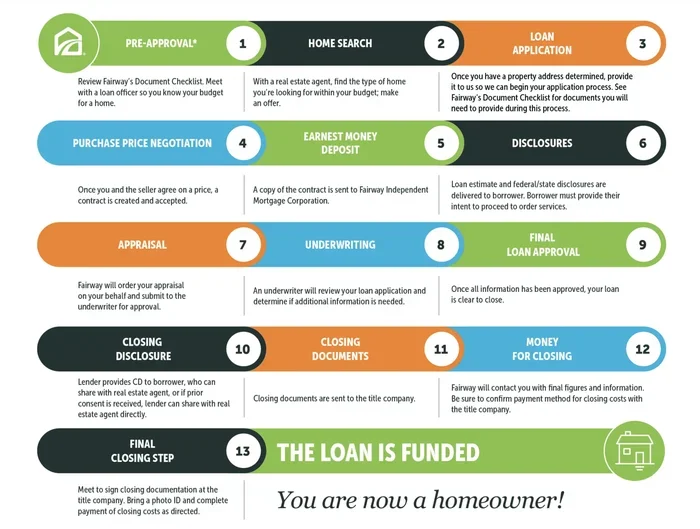
Visual guide about home mortgage approval process
Image source: fairwaymortgagecarolinas.com
Save for a Stronger Down Payment
A larger down payment can work in your favor. It lowers the amount you need to borrow and reduces the lender’s risk. It can also help you avoid certain fees or insurance requirements. You do not need a huge sum to buy a home, but every extra dollar helps. Start setting money aside as early as possible.
If saving feels difficult, look for small ways to cut costs. You can review your monthly subscriptions, reduce dining out, or pause nonessential spending for a while. These changes add up over time. The important part is to build a clear savings habit that supports your home buying goal.
Pay Down High-Interest Debt
High-interest debt can strain your budget and raise your DTI. Credit card balances are a common example. When you pay these down, you free up cash flow and improve your financial profile. This does not mean you must be completely debt-free before applying. It means you should focus on the debts that cost you the most.
Try to pay more than the minimum when you can. Even a few extra payments can lower your balance faster. This strategy also shows lenders that you are actively managing your money. That kind of responsibility is exactly what they want to see.
Build a Realistic Budget
A budget helps you see where your money goes each month. It also helps you figure out how much house you can comfortably afford. Many people focus only on the loan amount, but the real cost includes taxes, insurance, maintenance, and utilities. When you include these costs, you get a clearer picture of your future expenses.
Write down your current income and your fixed expenses. Then estimate the costs of homeownership. Compare that total to your income. If the numbers feel tight, you may want to adjust your target price or save a bit longer. A realistic budget protects you from financial stress after the purchase.
Gather the Right Documents for a Home Mortgage Loan Approval Mbdaysin
Documentation is one of the most important parts of the process. Lenders need proof of your income, your assets, and your identity. When you have these papers ready, the application moves faster. It also reduces the chance of missing information that could delay your approval. Think of this step as packing your bag before a long trip.
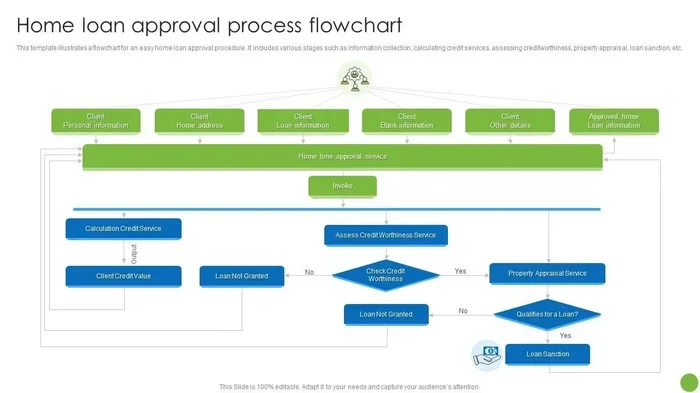
Visual guide about home mortgage approval process
Image source: slideteam.net
Income and Employment Records
Most lenders ask for recent pay stubs, W-2 forms, and tax returns. If you are employed, keep your pay stubs in a safe place and update them as you receive new ones. If you are self-employed, gather your business records and personal tax returns. The more organized you are, the easier it is for the lender to verify your income.
You may also need a letter from your employer if your job situation is unusual. For example, a recent promotion or a bonus structure might require extra explanation. Having these details ready shows that you are prepared and transparent.
Bank Statements and Asset Proof
Lenders often request bank statements to see your savings and checking balances. They want to confirm that you have enough funds for the down payment and closing costs. They may also look for large deposits that need explanation. If you recently received money from a family member or sold an item, be ready to document the source.
Keep your statements neat and complete. Avoid moving large sums of money right before you apply. Sudden changes can create questions and slow down the review. A steady, clear financial trail is much easier for lenders to understand.
Identification and Personal Information
You will need a valid ID, your Social Security number, and basic personal details. Lenders use this information to verify your identity and pull your credit report. Make sure your name matches across your documents. Inconsistent names can cause unnecessary delays.
If you have changed your name through marriage or another legal process, bring the supporting documents. This small step can save time later. The goal is to make the verification process as smooth as possible.
Avoid Common Mistakes That Delay Approval
Many applicants make simple mistakes that slow things down. Some of these errors come from good intentions, but they still create problems. When you know what to avoid, you can keep your application on track. A little caution goes a long way during this stage.
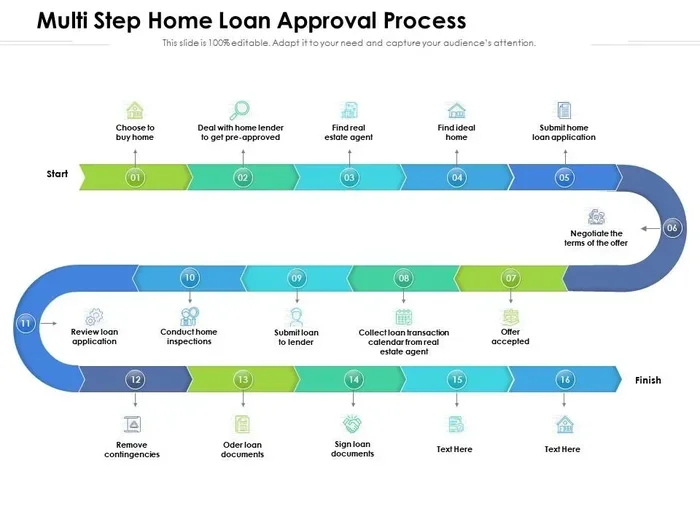
Visual guide about home mortgage approval process
Image source: slideteam.net
Do Not Open New Credit Lines
It may be tempting to apply for a new card or a car loan while your mortgage is in progress. Try to resist that urge. New credit can change your DTI and affect your credit score. It can also make lenders worry about your financial stability. The safest choice is to keep your credit profile steady until the loan closes.
If you need to make a purchase, wait until after the approval is complete. This includes furniture, appliances, and other large items. Even a small new balance can raise questions. Patience here can protect your approval.
Do Not Make Large Unexplained Deposits
Lenders look closely at your bank statements. A sudden large deposit can seem suspicious if it has no clear source. They may ask for documentation to prove where the money came from. If you cannot explain it, the funds may not count toward your down payment.
If you expect a gift or a bonus, talk to your lender early. They can tell you what paperwork you need. This avoids surprises later. Clear communication is always better than trying to explain things after the fact.
Do Not Change Jobs Without Planning
A job change can be fine, but it can also complicate your application. Lenders prefer stability. If you switch to a lower-paying role or move into a new field, they may ask for more proof. If you can, time your move carefully. If a change is unavoidable, be ready to provide extra documentation.
Talk to your loan officer before making big career moves. They can advise you on how the change might affect your file. This kind of guidance can save you from delays.
Work Closely With Your Loan Officer
A good loan officer can make the process much easier. They know what lenders want and can help you prepare the right way. They can also answer questions that seem small but matter a lot. Building a strong working relationship is one of the smartest things you can do.
Ask Questions Early
Do not wait until you are confused to speak up. If you are unsure about a document, a term, or a requirement, ask right away. Clear answers help you avoid mistakes. They also show that you are engaged and serious about the loan.
Write down your questions as they come up. This keeps you organized and makes your conversations more productive. A few minutes of clarification can prevent hours of backtracking later.
Be Honest About Your Financial Situation
Honesty matters at every stage. If you have a gap in employment, a past credit issue, or a unique income source, share it early. Lenders can often work with real-life situations when they understand them. Hiding details usually creates more problems than it solves.
Transparency builds trust. It also helps your loan officer find the best path forward. They can suggest ways to address concerns before they become obstacles.
Keep Communication Steady
Respond to requests quickly. If the lender asks for a document, send it as soon as you can. Delays in communication can push back your closing date. A steady flow of information keeps the process moving.
Set reminders for follow-ups and deadlines. This helps you stay on top of the process without feeling overwhelmed. Small habits like this make a big difference.
Get Pre-Approved to Strengthen Your Position
Pre-approval is a valuable step before you start house hunting. It shows sellers that you are serious and gives you a clearer budget. It also helps you spot potential issues early. When you know your price range, you can shop with confidence and avoid falling in love with a home that does not fit your finances.
Know Your Price Range
Pre-approval tells you how much a lender may be willing to lend you. That number is a helpful guide, but it is not a mandate. You should still choose a payment that feels comfortable. Just because you qualify for a certain amount does not mean you should spend that much.
Use the pre-approval amount as a starting point. Then factor in your monthly goals, savings, and lifestyle. This balance helps you buy a home you can enjoy without financial strain.
Show Sellers You Are Ready
In a competitive market, pre-approval can set you apart. Sellers want to know that the buyer can follow through. A pre-approval letter gives them that reassurance. It also speeds up the conversation because the financing piece is already underway.
Keep your pre-approval letter current. If your financial situation changes, let your lender know. An outdated letter can cause confusion later. Staying current keeps your offer strong.
Spot Issues Before They Become Problems
Pre-approval can reveal challenges early. You might find that your DTI needs improvement or that your credit report has an error. When you catch these issues sooner, you have time to fix them. That can make the final approval much smoother.
Treat pre-approval as a planning tool, not just a paperwork step. It gives you a chance to adjust your strategy and improve your position. That preparation can pay off when you find the right home.
Final Thoughts on a Home Mortgage Loan Approval Mbdaysin
A home mortgage loan approval mbdaysin is within reach when you approach it with preparation and patience. The process may seem detailed, but each step has a purpose. When you understand your credit, organize your documents, and avoid common mistakes, you give yourself a much better chance of success.
Remember that lenders want to see stability, honesty, and responsibility. You do not need a perfect financial history to move forward. You just need to show that you can manage the loan responsibly. Take the time to prepare, ask questions, and stay organized. Those habits will serve you well beyond the approval stage.
If you stay focused and work closely with your loan officer, you can navigate the process with less stress and more confidence. Homeownership is a big step, but it becomes much more manageable when you know what to expect. Use these tips as your guide, and you will be better prepared for the journey ahead.
Frequently Asked Questions
What credit score do I need for a home mortgage loan approval mbdaysin?
The score you need depends on the lender and the loan type. Many buyers do well with a solid mid-range score, but better rates often go to those with stronger credit. Check your report early so you can improve it if needed.
How can I improve my chances of a home mortgage loan approval mbdaysin?
You can improve your chances by lowering your debt, saving for a down payment, and gathering your documents early. Avoid new credit applications and keep your income steady during the process. Small financial adjustments can make a big difference.
Does a larger down payment help with a home mortgage loan approval mbdaysin?
Yes, a larger down payment can reduce the lender’s risk and may improve your terms. It also lowers the amount you need to borrow. Even a modest increase in your savings can help your application.
What documents should I prepare for a home mortgage loan approval mbdaysin?
You should prepare pay stubs, tax returns, bank statements, and a valid ID. If you are self-employed, gather extra business records. Having these ready speeds up the review and reduces delays.
Can I apply for a home mortgage loan approval mbdaysin if I am self-employed?
Yes, self-employed buyers can apply, but they may need more documentation. Lenders usually want to see stable income over time through tax returns and business records. Be prepared to explain your earnings clearly.
Should I get pre-approved before looking for a home?
Yes, pre-approval is a smart first step. It helps you understand your budget and shows sellers that you are serious. It can also reveal issues early so you can fix them before making an offer.