
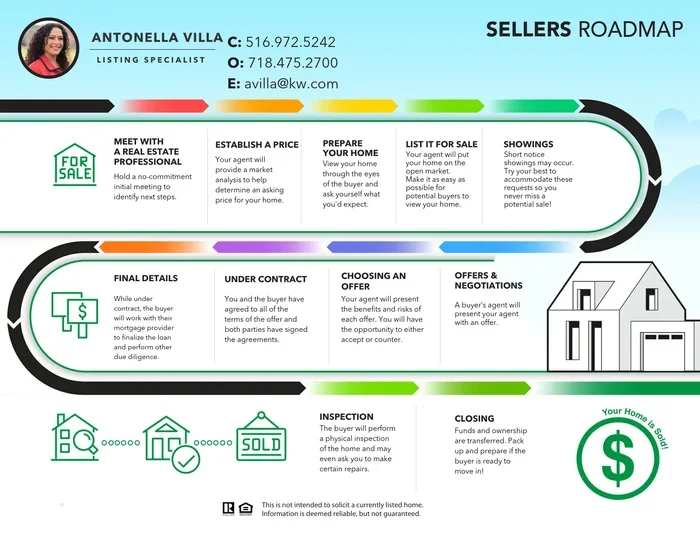
Yes, you can absolutely sell your house before paying off the mortgage. The sale proceeds first cover the remaining loan balance, and you keep any leftover equity. Understanding your home equity, closing costs, and sale timeline helps you avoid surprises and make smart financial moves. This guide breaks down exactly how the process works and what to watch for.
Can you sell your house before paying off the mortgage is one of the most common questions homeowners ask when life changes fast. The short answer is yes. You do not need to wait until the loan is completely gone. The sale process simply uses the money from the buyer to clear your remaining balance first. Then you keep what is left.
Many people worry that a mortgage ties them to a home forever. It does not. A mortgage is just a loan secured by the property. When you sell, the loan gets settled as part of the closing process. You can move, upgrade, downsize, or relocate for work without waiting for the final payment date. The key is understanding how equity, fees, and timing affect your final payout.
This guide walks you through the entire process in plain language. You will learn what happens to your mortgage at closing, how equity changes your outcome, and what costs to expect. We will also cover common mistakes, smart timing choices, and practical steps you can take before you list. If you are thinking about selling soon, this information will help you feel calm and prepared.
Key Takeaways
- You can sell anytime: There is no rule requiring you to finish paying your mortgage before listing your home.
- The loan gets paid at closing: Your mortgage balance is settled from the sale proceeds before you receive any money.
- Equity matters most: Positive equity means you walk away with cash. Negative equity means you may owe money at closing.
- Closing costs reduce your payout: Agent fees, title charges, and transfer taxes come out of the sale price.
- Timing affects your bottom line: Selling sooner can save on interest, but waiting may build more equity.
- Talk to your lender early: Confirm payoff amounts, prepayment rules, and any potential penalties.
- Plan your next move: Know where you will live and how you will handle moving costs before you sell.
📑 Table of Contents
Understanding How Selling Works With an Existing Mortgage
When you sell a home with a mortgage, the process looks a lot like a standard sale. The big difference is that your lender has a financial interest in the property until the loan is paid in full. That interest gets resolved at closing. You do not have to write a separate check to your lender on your own. The closing agent or title company handles the payoff as part of the final paperwork.
What Happens to Your Loan at Closing
At closing, the buyer’s funds are collected and distributed according to a clear order. First, the remaining mortgage balance is paid off. Next, closing costs, agent commissions, title fees, and any other agreed charges are covered. If money remains after all of that, you receive the difference. This leftover amount is your net proceeds. If the sale price is lower than what you owe, the situation becomes more complex, and you may need extra funds to close the gap.
Here is a simple way to think about it:
- Sale price: The amount the buyer agrees to pay.
- Mortgage payoff: The remaining loan balance plus any accrued interest or fees.
- Closing costs: Agent fees, title services, recording fees, and similar charges.
- Net proceeds: What you keep after the loan and costs are paid.
This order matters because it shows why equity is so important. Equity is the gap between what your home is worth and what you owe. More equity usually means more cash in your pocket after the sale. Less equity means a smaller payout, or in some cases, no payout at all.
Why People Consider Selling Early
Homeowners often think about selling before the mortgage is finished for many practical reasons. A job change may require a move to another city. A growing family may need more space. A shrinking household may call for a smaller, easier home. Some people want to lock in a strong market price before conditions shift. Others simply want to reduce financial stress or free up cash for other goals.
Selling early can also make sense if your current home no longer fits your budget or lifestyle. Carrying a mortgage, property taxes, insurance, and maintenance can add up quickly. If the numbers no longer work for you, selling may bring relief. The important part is to look at the full picture, not just the loan balance.
The Role of Home Equity in Your Sale
Equity is the centerpiece of any home sale. It tells you how much of the property you truly own. If your home is worth more than your mortgage balance, you have positive equity. If you owe more than the home’s value, you have negative equity. That difference shapes your options and your final result.
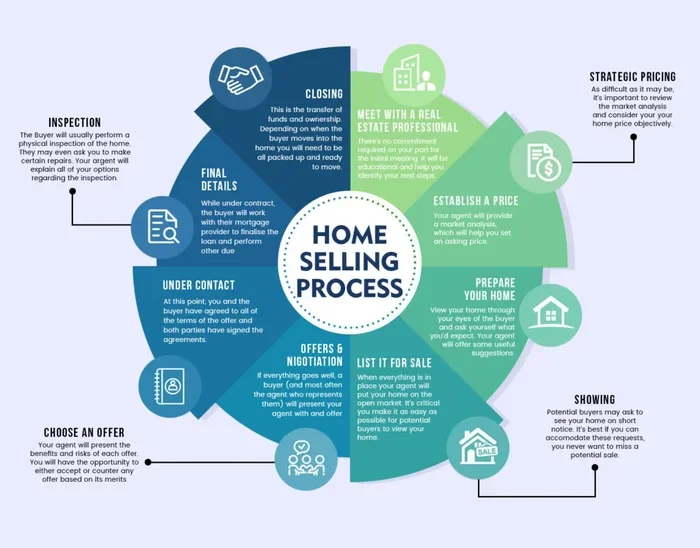
Visual guide about home selling process keys
Image source: elitepropertiesny.com
Positive Equity vs. Negative Equity
Positive equity is the ideal situation for most sellers. It means the sale price can cover the loan, the costs, and still leave something for you. For example, if your home sells for a strong price and your mortgage balance is lower, the payoff happens smoothly and you keep the remainder. This is the most common and simplest scenario.
Negative equity is trickier. It happens when the loan balance is higher than the market value. In that case, the sale may not cover the full payoff. You may need to bring cash to closing, negotiate with your lender, or explore other options. This is why it helps to know your numbers before you list. A clear picture of value and debt keeps you from facing surprises later.
A quick comparison can make this easier to see:
- Positive equity: Sale price is higher than the mortgage balance. You usually walk away with funds after costs.
- Break-even: Sale price roughly matches the loan and costs. You may have little left over.
- Negative equity: Sale price is lower than the loan balance. You may owe money at closing.
How to Estimate Your Equity Before Listing
You do not need a crystal ball to get a rough estimate. Start with a realistic market value. Look at recent sales of similar homes in your area. Check listing prices, but remember that list prices are not always sale prices. Then compare that estimate to your current mortgage balance. Your lender can give you a payoff amount that includes interest and any applicable fees.
Subtract the payoff amount and estimated closing costs from the expected sale price. The result is a rough idea of your net proceeds. This simple exercise helps you decide whether selling now makes sense. It also helps you set a practical listing price and avoid disappointment.
Costs and Fees That Affect Your Payout
Many sellers focus on the sale price and forget that several costs come out before they see any money. Those costs can shrink the final payout more than expected. Knowing them ahead of time helps you plan better and avoid stress.
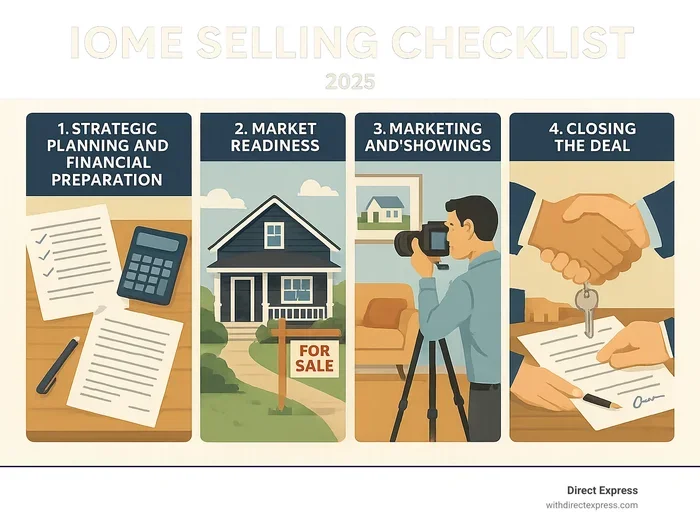
Visual guide about home selling process keys
Image source: images.bannerbear.com
Common Closing Costs to Expect
Closing costs vary by location, loan type, and transaction details. Still, some expenses show up often. Agent commissions are usually the largest line item. Title and escrow services also play a role. There may be recording fees, transfer taxes, or local charges too. If you have any prepaid items or prorations, those get sorted out at closing as well.
A few typical costs include:
- Real estate commissions: Paid to the agents who help with the sale.
- Title and escrow fees: Cover paperwork, record keeping, and fund handling.
- Transfer taxes or local fees: Depend on your city, county, or state rules.
- Payoff-related charges: May include interest, statement fees, or processing costs.
- Prorations and adjustments: Split property taxes, HOA dues, or similar items as of the closing date.
Prepayment Considerations and Lender Rules
Most mortgages allow you to sell and pay off the loan early. In many cases, there is no penalty for paying ahead of schedule. Still, it is smart to check your loan documents or call your lender. Some loans have special terms, and a few may include fees in certain situations. You also want to confirm the exact payoff amount, since the balance can change slightly from month to month.
Another point to keep in mind is timing. If you close before your next mortgage payment is due, the payoff may include fewer accrued interest charges. If you close later in the month, interest may be a bit higher. These differences are usually small, but they can matter when you are watching every dollar.
Timing Your Sale for the Best Outcome
When you sell can affect both your stress level and your financial result. Selling before paying off the mortgage is allowed, but it still helps to choose a time that works for your life and your budget. The right timing depends on your equity, the local market, and your personal plans.
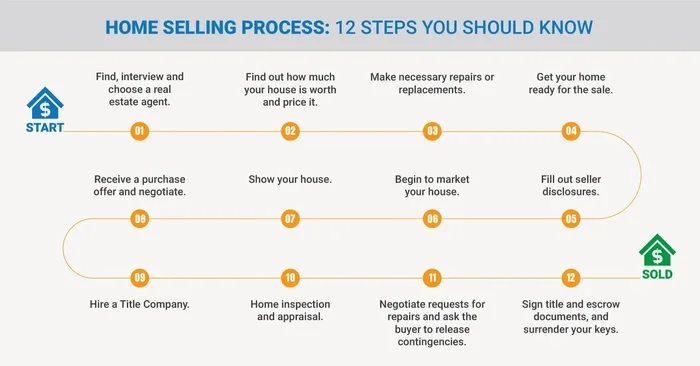
Visual guide about home selling process keys
Image source: homeia.com
Selling Now vs. Waiting
Selling now may make sense if you already have strong equity and a healthy market. It can also help if your current home is costing too much to maintain or carry. If you need to relocate for work or family reasons, waiting may not be practical. In those cases, moving forward can bring clarity and relief.
Waiting can be useful if you expect your home value to rise, or if you need more time to build equity. It may also help if you want to finish a few upgrades that could increase buyer interest. On the other hand, waiting too long can mean more mortgage payments, more upkeep, and more exposure to market changes. There is no perfect answer for everyone.
A simple decision checklist can help:
- Do you have enough equity? If yes, selling may be financially comfortable.
- Is the local market active? More buyer interest can support a stronger price.
- Do you need to move soon? Life events may make timing more important than market timing.
- Can you handle the costs? Make sure you understand commissions, fees, and payoff details.
- Do you have a plan for your next home? Know where you will live after the sale.
Practical Tips for a Smoother Sale
A little preparation goes a long way. Start by gathering your mortgage information, recent tax records, and any HOA details. Clean and declutter the home so it shows well. Fix small issues that could distract buyers, like leaky faucets, cracked tiles, or peeling paint. These fixes do not need to be major. Simple care often makes a strong first impression.
It also helps to price the home realistically. A price that fits the market can attract more showings and may lead to a faster sale. Overpricing can leave the home sitting for too long, which may create pressure later. If you are curious about how buyer interest develops, you may find it useful to read about signs your crush likes you 2 as a reminder that clear signals matter in many areas of life, including real estate. When buyers respond positively, that feedback can help you adjust your approach with confidence.
Common Mistakes to Avoid When Selling With a Mortgage
Even a straightforward sale can run into trouble if you rush or miss key details. The good news is that most mistakes are easy to avoid once you know what to watch for. A calm, organized approach protects your time and your money.
Mistakes That Can Cost You
One common mistake is guessing your payoff amount instead of confirming it. Your mortgage balance is not always the same as the amount needed to close the loan. Interest, fees, and daily accruals can change the final figure. Another mistake is underestimating closing costs. If you forget commissions, title charges, or local fees, your expected payout may look larger than it really is.
Some sellers also forget to plan for their next living situation. Selling is only one part of the move. You need a place to go, a moving budget, and a plan for deposits, rent, or a new down payment. Without that plan, the sale can create pressure instead of relief.
A few more pitfalls to avoid:
- Ignoring market value: Pricing without good data can slow the sale or reduce offers.
- Skipping lender communication: Confirm payoff details and any special requirements early.
- Overlooking repair and showings prep: Small issues can weaken buyer interest.
- Forgetting the full move timeline: Coordinate closing dates, moving help, and your next home.
- Assuming the sale is automatic: Even with equity, offers, inspections, and negotiations still matter.
Quick Tips for a Cleaner Process
Keep a simple folder with all the documents you may need. Include your mortgage statement, tax records, insurance details, and any HOA information. Ask your agent or closing professional to explain each cost line before you sign anything. If something looks unclear, pause and ask questions. A good explanation should make sense to you.
It can also help to stay flexible. Buyers may request repairs, ask for credits, or negotiate the closing date. These steps are normal. You do not have to accept every request, but it helps to respond thoughtfully. A calm negotiation often leads to a better outcome than a rushed one.
Expert Insights and Key Takeaways
Experienced sellers and real estate professionals often say the same thing: know your numbers first. The mortgage does not stop you from selling. It simply becomes part of the closing math. If your equity is solid and your costs are clear, the sale can move forward smoothly. If your equity is thin, you may still sell, but you need a more careful plan.
Experts also recommend keeping your focus on the total financial picture, not just the loan. That means looking at commissions, transfer costs, repair needs, moving expenses, and your next housing plan. When you treat the sale as a full project, you make better decisions. You also reduce the chance of last-minute surprises.
Here are the most important points to remember:
- You can sell before the mortgage is paid off. The loan is settled at closing from the sale proceeds.
- Equity drives your result. More equity usually means more money left after costs.
- Closing costs matter. Commissions, title fees, and local charges reduce your payout.
- Confirm the payoff amount. Do not rely on the balance alone.
- Time the sale with your life, not just the market. Your needs matter as much as market conditions.
- Plan your next step. Know where you will live and how you will move.
If you are thinking about a sale, start with a clear estimate of value, debt, and costs. Then decide whether the timing feels right. Selling before the mortgage is gone is normal, common, and often practical. With the right preparation, you can move forward with confidence.
For some homeowners, the emotional side of selling can feel just as important as the financial side. Letting go of a home can bring mixed feelings, especially if you have lived there for a long time. If you want a broader perspective on releasing something that no longer serves you, you may appreciate three things you can let go of unburden your life. That mindset can make it easier to focus on your next chapter instead of looking back.
If questions about timing, relationships, or life changes are also on your mind, it can help to read practical guidance from other angles. For example, if you are weighing big life decisions with a partner, can you marry someone you dont love 2 offers a thoughtful look at a different but related kind of decision. Even though it is not about real estate, it reminds us that major choices are easier when we understand our true priorities.
If you want to keep learning about smart next steps after a sale, you can also explore dating tips you should know by the time you hit your 20s 2 for a fresh take on building confidence in new chapters. Different topics, same idea: preparation and clarity make transitions smoother.
Conclusion
So, can you sell your house before paying off the mortgage? Yes, you can. The mortgage does not lock you in until the final payment. It simply gets settled during closing, using the money from the sale. If you have enough equity, the process can leave you with cash after commissions and fees. If your equity is limited, you may need a more careful plan, but the sale can still move forward.
The best approach is simple. Check your home’s likely value. Confirm your payoff amount. Estimate your closing costs. Think about your next home and your moving budget. Then decide whether now is the right time. When you understand the full picture, selling becomes less stressful and much more manageable.
If you take one thing from this guide, let it be this: you do not have to wait for a mortgage to end before you move on. With the right preparation, you can sell with confidence and use the next chapter to your advantage.
Frequently Asked Questions
Can you sell a house if you still owe money on the mortgage?
Yes, you can sell a house even if the mortgage is not fully paid. At closing, the sale proceeds are used to pay off the remaining loan balance first. If there is money left after costs and payoff, you receive it as net proceeds.
Will I get money back after selling my house with a mortgage?
You may get money back if your home sells for more than the mortgage balance and closing costs. That leftover amount is your net proceeds. If the sale price is too low to cover the loan and costs, you might not receive anything, or you may need to bring funds to closing.
Do I need my lender’s permission to sell my home before the mortgage is paid off?
You usually do not need special permission to sell, because the loan is secured by the property and gets paid at closing. However, it is still important to contact your lender for the payoff amount and to confirm any loan-specific requirements or fees.
What happens if my home sells for less than I owe on the mortgage?
If the sale price is lower than your mortgage balance, the sale may not cover the full payoff. In that case, you may need to bring cash to closing, negotiate with your lender, or consider other options. This situation is more complicated, so it helps to understand your numbers early.
Are there penalties for paying off a mortgage early when I sell?
Many mortgages do not charge a penalty for early payoff, but some loans can have special terms. The safest step is to review your loan documents or ask your lender directly. You should also request a current payoff statement so you know the exact amount needed to close the loan.
What should I do first if I want to sell my house before the mortgage is paid?
Start by estimating your home’s market value and requesting a payoff amount from your lender. Then estimate your closing costs so you can see your likely net proceeds. After that, make a plan for your next home, moving costs, and the timing of the sale.