

Wondering if your crush feels the same way? This comprehensive guide reveals 25+ subtle signs that go beyond simple flirting. From how they look at you to how they talk about their plans, we’ll help you decode their signals so you can respond with confidence.
You’ll learn practical tips for recognizing genuine interest versus casual friendliness, plus actionable steps to build a stronger connection. Whether you’re at school, work, or in a social setting, these insights will empower you to understand what your crush truly thinks of you.
Have you ever caught yourself wondering, *”Does my crush actually like me back?”* That fluttery feeling in your chest every time they smile at you? The way time seems to slow down when they’re near? We’ve all been there—navigating those confusing waters of unspoken feelings. Figuring out whether your crush likes you can feel like trying to read someone else’s mind, but here’s the good news: people often give away their true feelings through subtle behaviors. In this article, we’ll explore over 25 undeniable signs your crush likes you—from body language tells to digital clues—so you can finally stop guessing and start understanding what’s really going on.
Whether you’re crushing hard on a classmate, a coworker, or someone you met at a party, recognizing the signs early can save you from awkward misunderstandings. You don’t need to be an expert in psychology to notice when someone pays extra attention to you or goes out of their way to include you in group activities. Often, the most telling signals are so natural they slip under your radar—until now. By learning to recognize these behaviors, you’ll gain confidence in interpreting your crush’s actions and decide how to respond appropriately. Remember, everyone expresses interest differently, so while some might drop obvious hints, others will do so quietly. Let’s dive into the world of crushes and uncover what really matters: honest communication disguised as everyday moments.
Key Takeaways
- Eye contact is powerful: When someone maintains eye contact, especially during conversations, it often indicates romantic interest. Look for prolonged glances that aren’t just brief exchanges.
- Physical proximity matters: If your crush finds excuses to sit near you, stand close, or touch your arm casually, they’re likely signaling attraction through spatial awareness.
- They remember small details: People who like you pay attention—they recall things you mentioned weeks ago, like your favorite snack or weekend plans, showing real investment in getting to know you.
- Playful teasing shows comfort: Lighthearted banter with smiles and laughter suggests they feel safe around you and enjoy your company on a deeper level than just friendship.
- Social media engagement speaks volumes: Likes, comments, and stories shared specifically to get your attention are clear digital breadcrumbs pointing to romantic interest.
- Nervous habits reveal excitement: Fidgeting, hair touching, or lip-biting when you’re nearby often means they’re feeling flustered by your presence—a common sign of being “into” someone.
- They initiate contact consistently: Regular texts, calls, or messages throughout the day show effort and genuine desire to stay connected beyond surface-level interactions.
📑 Table of Contents
- 1. They Make Eye Contact With You
- 2. They Find Excuses To Be Near You
- 3. They Remember Small Details About You
- 4. They Use Playful Teasing
- 5. They Initiate Conversations Regularly
- 6. They Include You In Their Plans
- 7. They Show Nervous Habits Around You
- 8. They Compliment You Frequently
- 9. They Mirror Your Body Language
- 10. They Engage With Your Social Media Presence
- 11. They Seek Physical Touch (Respectfully)
- 12. They Ask Personal Questions
- 13. They Laugh At Your Jokes
- 14. They Protect Or Defend You
- 15. They Talk About Future Plans Involving You
- Conclusion
1. They Make Eye Contact With You
One of the most universal signs your crush likes you is consistent eye contact. When someone maintains steady gazes during conversation, it usually means they’re interested in what you have to say—and maybe even more. Unlike fleeting glances, prolonged eye contact creates intimacy and shows emotional investment. For instance, imagine sitting across from your crush during lunch; if they keep looking up from their phone to meet your eyes without seeming awkward or forced, that’s a strong indicator. According to relationship experts, sustained eye contact activates the brain’s reward system, making both parties feel good about the interaction. So next time you notice them glancing at you mid-conversation, take it as a positive sign.
However, context matters—occasional glances happen in any normal conversation. The difference lies in frequency and duration. If your crush always checks in with you visually, especially when sharing something personal or funny, they’re likely using eye contact to build rapport. Additionally, pupils dilating slightly when you enter the room can signal subconscious attraction. Just remember not to stare too intensely! Overdoing it may come off as creepy instead of confident. Instead, practice balanced eye contact: hold their gaze for a few seconds, then gently shift focus before returning. This technique shows respect while still conveying interest. Over time, you’ll become more comfortable reading these nonverbal cues in real-time.
How Long Should Eye Contact Be?
Most psychologists suggest holding eye contact for 3–7 seconds at a time before breaking away naturally. Anything shorter feels dismissive; anything longer might make either party uncomfortable. If your crush consistently holds your gaze within this range, especially during meaningful exchanges, it’s worth noting. For example, if they lean forward and lock eyes while asking about your weekend plans, they’re signaling deep engagement. On the flip side, if they avoid eye contact entirely or glance away frequently, they may lack confidence or genuine interest. Pay attention to patterns rather than isolated incidents—consistency is key when interpreting body language.
What About Pupil Dilation?
Pupil size changes are involuntary responses tied to emotions like attraction or stress. When someone is drawn to another person, their pupils often widen slightly due to increased blood flow. While you can’t control your own pupils, noticing yours dilate when your crush approaches could confirm mutual interest. Conversely, if their pupils constrict (narrow) when you speak, they might feel uneasy or uninterested. Of course, lighting conditions affect pupil size, so consider environmental factors before jumping to conclusions. Still, combined with other signs like smiling or leaning in, pupil dilation adds valuable context to your observations.
2. They Find Excuses To Be Near You
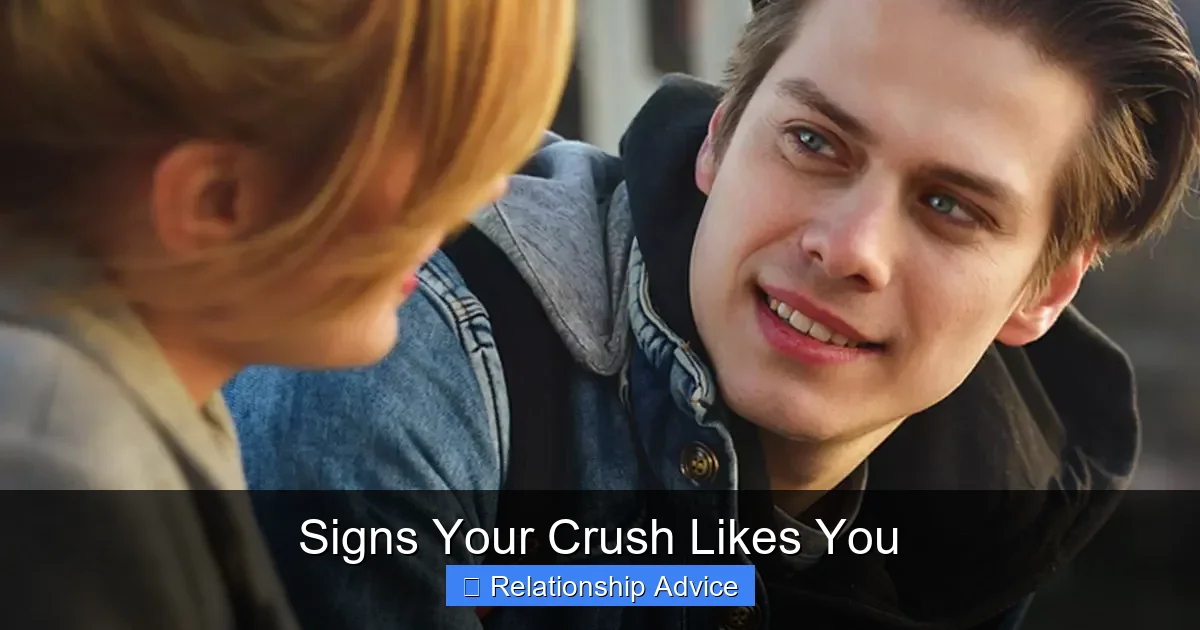
Visual guide about Signs Your Crush Likes You
Image source: cdn2.momjunction.com
Physical proximity is another major clue that your crush likes you. Humans naturally gravitate toward those they find attractive or compatible with—it’s a basic survival instinct rooted in social bonding. If your crush consistently positions themselves close to you during group settings, classes, or events, they’re probably testing boundaries and seeking opportunities to interact. For instance, sitting beside you in lecture, joining your study group, or volunteering to share a workspace at the office all suggest deliberate efforts to increase closeness. This behavior isn’t coincidental—it reflects intentional attraction.
Research shows that people unconsciously mirror each other’s movements when they feel connected, further strengthening the illusion of compatibility. So if your crush subtly mimics your gestures—like crossing legs or tilting their head—it’s a subconscious sign of alignment. Moreover, standing near you even when space is available elsewhere demonstrates prioritization. Think about it: why would they choose to stand right next to you if they weren’t genuinely interested? These small choices add up over time and create a pattern worth recognizing. As long as their proximity feels respectful and consensual, it’s safe to assume they’re drawn to your presence.
Examples Of Strategic Proximity
Consider these scenarios where distance plays a role:
– Choosing seats adjacent to you even when distant ones are open.
– Walking slightly behind or beside you during shared activities.
– Using “accidental” shoulder touches while reaching for books or coffee.
– Positioning themselves near you at parties or gatherings, even if crowded.
Each instance shows awareness of your location and willingness to bridge gaps between you. Importantly, these actions should never feel invasive or unwanted. If your crush respects your personal space while still seeking closeness, that’s a healthy balance worth celebrating. Trust your instincts—if you feel comfortable and welcomed, those signals are likely genuine.
Mirror Neurons At Work
Mirror neurons fire when we observe others performing actions similar to our own, creating empathy and rapport. When your crush mirrors your posture or speech patterns, it’s not just coincidence—they’re subconsciously building emotional connection. This neurological response makes interactions smoother and more enjoyable, reinforcing positive associations with your presence. Over time, repeated mirroring can deepen feelings of familiarity and trust, laying groundwork for romance. Keep an eye out for mirrored behaviors like nodding when you do, leaning forward simultaneously, or adopting similar hand gestures during discussions.
3. They Remember Small Details About You
People rarely remember insignificant facts unless they care deeply about the speaker. If your crush recalls tiny tidbits from previous conversations—like mentioning your love for sushi last month or complaining about traffic yesterday—they’re definitely paying attention. This trait distinguishes genuine interest from casual politeness. For example, greeting you with “Hey! How was your dentist appointment?” weeks after you brought it up proves active listening and memory retention. Such attentiveness shows they value your experiences enough to revisit them later. In fact, studies show that remembering personal details correlates strongly with perceived sincerity and emotional investment.
Moreover, referencing past chats builds continuity and makes interactions feel personalized. Imagine bumping into your crush at the grocery store and hearing them say, “Oh! You said you needed organic milk—here’s a coupon!” That kind of follow-through isn’t random; it’s evidence of thoughtful consideration. It also opens doors for deeper conversations since shared history creates instant rapport. When someone invests mental energy into recalling specifics, they signal readiness to engage on a meaningful level. So next time your crush brings up a detail you forgot all about, take it as a green light to explore mutual interests further.
Why Detail Recall Matters
Recalling small details serves multiple psychological purposes:
– Demonstrates active listening skills.
– Builds trust through reliability.
– Encourages reciprocity (you’ll want to return the favor).
– Signals respect for your thoughts and memories.
These qualities are foundational for healthy relationships, whether platonic or romantic. If your crush exhibits them consistently, they’re likely assessing compatibility beyond surface-level attraction. Combine this habit with other signs like smiling or initiating contact, and you’ve got a solid case for mutual interest. Just remember to reciprocate by remembering their preferences too—relationships thrive on symmetry!
4. They Use Playful Teasing
Lighthearted teasing is a classic flirtation tactic because it tests boundaries while keeping things fun and non-threatening. When your crush playfully ribs you about something harmless—like calling you “obsessed” with cats or joking that you’re “too serious”—they’re signaling comfort and attraction. The key distinction between friendly banter and genuine teasing is tone and reaction: if they laugh along with you and seem genuinely amused, it’s a positive sign. Avoid taking jokes personally—these exchanges are meant to strengthen bonds, not criticize.
For instance, if they smirk while saying, “Wow, you really committed to that outfit choice today,” and immediately smile when you roll your eyes, they’re engaging in mutual humor. This dynamic creates chemistry and lowers inhibitions, making deeper connections easier to form. However, tread carefully—teasing crosses into disrespect when it targets sensitive topics or feels one-sided. Always gauge their reactions: if they blush, giggle uncontrollably, or counter-joke back enthusiastically, they’re enjoying the exchange. Conversely, if they shut down or seem hurt, pull back and adjust your approach. Healthy teasing fosters joy and intimacy, two hallmarks of budding romance.
Types Of Flirtatious Jokes
Common examples include:
– Calling you by a cute nickname derived from your name or hobbies.
– Mocking your quirks in a loving way (e.g., “Still wearing mismatched socks?”).
– Pretending to be surprised by your achievements (“No way you aced that test!”).
– Suggesting silly hypotheticals (“If we were stranded on an island, would you trade me for a coconut?”).
These jokes work because they’re low-stakes and reversible—unlike harsh criticism, they allow easy retreat if needed. Plus, they invite participation, making you both feel included in the joke. Over time, consistent teasing becomes a shorthand for affection, letting you communicate without words. Just ensure the tone stays warm and inclusive, never mean-spirited or exclusionary.
5. They Initiate Conversations Regularly
Consistent communication is a cornerstone of any budding relationship. If your crush texts you first, starts conversations at work, or greets you with cheerful hellos daily, they’re actively investing time and energy into connecting with you. Unlike sporadic messages or passive acknowledgments (“Hey, how’s it going?”), regular initiation shows initiative and enthusiasm. For example, sending memes related to your shared interests or checking in after a busy week demonstrates ongoing concern. This behavior stands out because most people wait to be approached—your crush is doing the opposite, which speaks volumes about their intentions.
Moreover, frequent initiations create momentum and reduce ambiguity. When someone consistently reaches out, it eliminates guesswork about their feelings and sets expectations for continued interaction. Whether it’s a quick “Good morning!” text or a lengthy discussion about weekend plans, these exchanges build familiarity and ease tension. As noted in relationship psychology, initiation patterns reveal emotional availability and desire for connection. So if your crush makes the effort to start conversations regularly, consider it a promising sign of mutual interest. Of course, quality matters as much as quantity—empty messages won’t foster lasting bonds. But combined with other positive behaviors, consistent initiation strengthens the case for romance.
Practical Tips For Responding
To encourage reciprocity, respond promptly and thoughtfully. A simple “Thanks for texting!” or “Love that idea—let’s plan soon!” reinforces appreciation and invites further dialogue. Avoid ghosting or delayed replies, as these discourage future attempts. Instead, aim for balanced exchanges where both parties contribute equally. Over time, mutual initiation becomes second nature, paving the way for deeper conversations. Remember, communication isn’t just about frequency—it’s about authenticity and consistency. Your crush will appreciate your engagement and feel validated by your interest.
6. They Include You In Their Plans
When your crush extends invitations or mentions future events involving you, they’re signaling inclusion and value. Saying something like, “Want to grab dinner Friday?” or “My friends are throwing a game night—come join us!” shows they see you as part of their inner circle. This behavior differs from generic group invites because it specifically names you or suggests one-on-one time. Even casual mentions count—if they bring up plans and immediately ask, “Would you be free?”, they’re prioritizing your presence. Inclusion is a powerful indicator because it reflects trust and comfort in your company.
Additionally, planning activities centered around shared interests increases bonding opportunities. Whether it’s a movie night tied to your favorite genre or hiking trips based on your outdoor preferences, these choices demonstrate attentiveness and willingness to align schedules. Of course, acceptances should never feel obligatory—always prioritize your comfort and boundaries. But if invitations feel genuine and mutually enjoyable, they’re worth considering. Combined with other signs like smiling or remembering details, planned inclusions strengthen the argument for romantic potential. After all, why waste time inviting someone if you don’t genuinely want them there?
Red Flags To Watch For
Be cautious if invitations feel rushed, conditional, or followed by disinterest. For example, declining last-minute if work gets busy suggests low priority. Similarly, vague plans like “Maybe sometime?” lack commitment and may mask hesitation. Healthy invitations are specific, enthusiastic, and reciprocal. If your crush consistently follows through on promises and shows excitement about spending time together, that’s a clear sign of sincerity. Trust your gut—if something feels off, address it openly rather than ignoring red flags.
7. They Show Nervous Habits Around You
Subtle nervous behaviors often accompany attraction because excitement triggers physiological responses beyond conscious control. When your crush fidgets, touches their hair, bites their lip, or adjusts clothing repeatedly around you, they might be experiencing butterflies or heightened awareness. These habits aren’t always obvious—they could manifest as tapping feet, playing with pens, or avoiding direct eye contact momentarily. Importantly, nervousness doesn’t negate interest; it simply reflects the intensity of their emotions. Many people exhibit similar tics when flustered, regardless of intention.
For instance, if they suddenly become hyper-aware of their appearance after seeing you enter the room—checking pockets, smoothing clothes, or practicing smiles—they’re likely trying to impress you subconsciously. This behavior is especially telling if paired with blushing, stammering, or laughing nervously during conversations. While occasional fidgeting happens to anyone, persistent patterns around you suggest emotional significance. Of course, cultural norms and personality traits influence expression styles, so interpret behaviors within context. Still, consistent nervous habits paired with positive cues (smiling, leaning in) point toward genuine attraction. Just remember to approach gently—overanalyzing minor tics can create pressure and discomfort.
Common Nervous Tics During Attraction
Typical signs include:
– Lip-biting or chewing while talking to you.
– Hair-twirling or finger-drumming under the table.
– Excessive throat-clearing or coughs.
– Sudden interest in surroundings when you approach.
– Overcompensating with exaggerated gestures or silence.
These behaviors stem from adrenaline surges associated with social anxiety or exhilaration. If your crush displays several consistently, they’re probably overwhelmed by positive emotions—not negative ones. Encourage relaxation through calm tones and relaxed body language, which can ease their nerves and deepen connection. Mutual comfort reduces tension and fosters authentic interaction.
8. They Compliment You Frequently
Compliments are verbal affirmations that validate your worth and attractiveness—two essential ingredients for romantic interest. If your crush praises your appearance, intelligence, humor, or accomplishments regularly, they’re signaling admiration and desire. For example, commenting on your new hairstyle, expressing awe at your presentation skills, or laughing heartily at your jokes all serve as indirect compliments. The key distinction lies in specificity and sincerity: genuine praise references concrete qualities, while generic remarks (“You’re so cool!”) feel hollow. Pay attention to recurring themes—are they highlighting strengths you value? That’s a good sign.
Moreover, compliments build confidence and reinforce self-esteem, which encourages vulnerability and intimacy. When someone repeatedly acknowledges your positive attributes, they’re essentially saying, “I see you, and I appreciate what makes you unique.” This validation fosters mutual respect and emotional safety, prerequisites for deepening relationships. Of course, over-the-top flattery can feel manipulative, so balance is crucial. Ideally, compliments should feel earned and authentic, not rehearsed or excessive. If your crush strikes this sweet spot consistently, combine it with other positive behaviors for a compelling case.
Types Of Meaningful Compliments
Effective praise includes:
– Appearance-based: “Your jacket looks amazing on you!”
– Skill-focused: “You handled that client call perfectly!”
– Personality-driven: “I love how passionate you get about your projects.”
– Humor-related: “You always crack me up—how do you do that?”
Each type addresses different aspects of identity, showing comprehensive appreciation. Notice which categories your crush emphasizes—do they value your intellect, style, or wit most? That insight helps tailor future interactions and deepen connection. Reciprocate by complimenting them too; mutual admiration strengthens bonds significantly.
9. They Mirror Your Body Language
As mentioned earlier, mirroring is a subconscious way humans synchronize during rapport-building. When your crush subtly adopts your posture, gestures, or speech patterns, they’re signaling alignment and comfort. For example, if you slouch slightly during conversation and they follow suit, or if you cross arms and they mimic the pose, it’s a telltale sign of emotional connection. This phenomenon occurs because mirror neurons fire during observed actions, creating empathy and bonding. Over time, mirrored behaviors become automatic, fostering seamless interaction and reducing friction.
Importantly, mirroring shouldn’t feel forced or obvious—natural synchrony feels effortless and fluid. If your crush leans forward when you do, nods along with your statements, or adopts similar facial expressions, they’re building rapport without realizing it. This neurological response lowers defenses and increases trust, making deeper conversations easier. Combined with other signs like smiling or initiating contact, mirroring confirms mutual interest and compatibility. Just remember: healthy mirroring enhances connection, while excessive imitation feels artificial. Aim for balance and authenticity in all interactions.
Why Mirroring Works
Mirror neurons facilitate understanding by simulating others’ experiences internally, enabling empathy and cooperation. When your crush mirrors you, they’re essentially saying, “I relate to you,” which strengthens interpersonal bonds. This process accelerates relationship development by creating shared emotional states and synchronized rhythms. Research shows that couples who mirror each other develop stronger attachments faster than those who don’t. So next time you notice mirrored gestures, take it as encouragement to continue building meaningful dialogue.
10. They Engage With Your Social Media Presence
In today’s digital age, online behavior offers rich insights into romantic intentions. If your crush likes, comments on, or shares your posts regularly, they’re digitally signaling interest and maintaining visibility. For instance, liking photos from years ago, commenting thoughtfully on status updates, or tagging you in relevant content all indicate active engagement. Unlike passive scrolling, deliberate interactions show emotional investment and curiosity about your life. Platforms like Instagram, TikTok, or Facebook become extensions of real-world behavior, reflecting how they view you offline.
Moreover, timing matters—frequent logins and quick responses suggest eagerness to connect. If they leave heart-eye emojis, write lengthy captions, or reply immediately to stories, they’re prioritizing your content. Of course, privacy settings and generosity vary among individuals, so interpret cautiously. Still, consistent digital involvement paired with offline behaviors (smiling, initiating chats) creates a cohesive picture of attraction. Use this knowledge wisely: respect boundaries while acknowledging positive signals. After all, social media is just one facet of modern romance—don’t let algorithms overshadow real-life cues.
Privacy Considerations
Always consider platform-specific norms and cultural differences when analyzing online activity. Some people share heavily publicly; others prefer private circles. Respect their choices—if they limit interactions, don’t pressure them to change. Instead, focus on organic growth of both online and offline connections. Healthy relationships thrive on mutual consent and comfort, not surveillance or coercion. Trust your instincts and communicate openly whenever possible.
11. They Seek Physical Touch (Respectfully)
Gentle physical contact—like brushing arms, patting shoulders, or playful nudges—can convey warmth and intimacy without crossing boundaries. If your crush initiates soft touches respectfully, they’re likely signaling comfort and attraction. For example, resting a hand near yours while walking or giving a reassuring tap on the back during stressful moments demonstrates protective instincts and familiarity. The key is consent and context: these actions should feel welcome, not forced or invasive. Observe their reactions—do they smile, relax, or lean into the touch? Positive responses confirm mutual enjoyment.
Moreover, appropriate touch builds trust and lowers inhibitions, facilitating deeper conversations. Studies show that light physical contact releases oxytocin, the “bonding hormone,” enhancing emotional connection. However, always respect personal space limits—if your crush pulls away or seems uncomfortable, apologize and withdraw immediately. Healthy touch fosters closeness while honoring autonomy. Combined with other signs like smiling or mirroring, respectful touches strengthen the case for romantic interest. Just remember: boundaries exist for a reason, and consent is non-negotiable.
Safe Ways To Test Comfort Levels
If unsure about touch boundaries, use subtle cues like shoulder bumps during group walks or accidental hand brushes while passing objects. Note their reactions—do they stiffen, step back, or reciprocate warmly? Gradually increasing proximity allows both parties to assess comfort levels safely. Never assume permission—when in doubt, verbally confirm (“Mind if I walk closer?”). Open communication prevents misunderstandings and builds trust over time.
12. They Ask Personal Questions
Curiosity drives human connection, and when your crush asks probing questions about your life, they’re signaling genuine interest. Questions about family, dreams, fears, or childhood memories go beyond surface-level chatter—they invite vulnerability and intimacy. For instance, asking, “What made you choose that career path?” or “Do you ever regret moving here?” reveals emotional depth and willingness to understand you holistically. These inquiries differ from casual “how was your day?” exchanges because they seek meaningful answers and personal revelations.
Moreover, personal questions demonstrate active listening and respect for your experiences. When someone invests time in learning about your past, present, and future, they’re building a foundation for lasting relationships. Of course, oversharing too quickly can feel overwhelming, so pace discussions naturally. If your crush balances curiosity with patience and empathy, they’re likely assessing long-term compatibility. Pair this behavior with other positive cues (smiling, remembering details), and you’ve got a strong indicator of romantic potential. Remember: the best relationships thrive on mutual discovery and honest dialogue.
How To Respond Gracefully
When asked personal questions, answer honestly but briefly at first. Share enough to spark interest without oversharing prematurely. For example, “I chose journalism because I love storytelling” invites follow-ups like “What’s your favorite story to cover?” Gradually deepen conversations as trust grows. Avoid deflecting or shutting down curiosity—openness fosters stronger bonds over time.
13. They Laugh At Your Jokes
Laughter is a powerful social lubricant that signals enjoyment and approval. If your crush laughs genuinely at your jokes—even the simplest ones—they’re signaling comfort and attraction. Unlike polite chuckles or forced smirks, hearty laughter indicates they find you entertaining and relatable. For instance, if they erupt in giggles during a quiet moment or replay funny videos specifically for your amusement, they’re prioritizing joy and connection. This behavior differs from mocking humor because it’s reciprocal and enthusiastic.
Moreover, shared laughter releases endorphins, creating positive associations with your presence. Over time, this biochemical reward reinforces bonding and lowers stress, making interactions lighter and more enjoyable. Of course, joke quality varies, but consistent laughter regardless of content suggests they value your company above entertainment value alone. Combine this trait with other signs like smiling or initiating contact, and you’ve got a compelling case. Just remember: humor styles differ—what amuses you might not land with them. Stay authentic and adaptable, adjusting your approach based on their reactions.
Types Of Laughter Indicators
Watch for these specific signs:
– Full-body laughter including shoulders shaking.
– Repeated retelling of jokes with added embellishments.
– Sharing memes or videos exclusively with you.
– Laughing during awkward silences to break tension.
Each example shows active engagement and emotional investment in shared moments. Celebrate these victories—they’re small wins that build momentum toward deeper connection.
14. They Protect Or Defend You
Protective instincts arise when someone values another person enough to shield them from harm or ridicule. If your crush intervenes when others tease you, defends your reputation, or steps in during conflicts, they’re signaling loyalty and care. For example, correcting someone who misremembers your name or standing up for you against unfair criticism demonstrates emotional investment. This behavior differs from general politeness because it involves advocacy and risk-taking—putting themselves on the line for your benefit.
Moreover, protection builds trust and安全感, creating safe spaces for vulnerability. When someone consistently champions your wellbeing, they’re essentially saying, “I’ve got your back,” which fosters deep attachment. Of course, healthy boundaries matter—defense shouldn’t become controlling or aggressive. Still, gentle advocacy paired with other positive behaviors (remembering details, initiating contact) confirms genuine interest. If your crush shows up for you in meaningful ways, consider it a green light to explore mutual feelings further.
Red Flags To Avoid
Beware of excessive jealousy or possessiveness disguised as protection. If they isolate you from friends, monitor your interactions, or react angrily to harmless contact, they’re crossing ethical lines. True protection respects autonomy while offering support—never undermines independence. Address concerns openly and compassionately, prioritizing mutual respect over ego.
15. They Talk About Future Plans Involving You
Dreaming together is a hallmark of serious relationships. If your crush mentions hypothetical scenarios or actual plans that include you—“We should visit Iceland someday,” or “Let’s adopt a cat next year”—they’re envisioning shared futures. This behavior transcends casual friendship because it implies long-term commitment and mutual investment. For instance, discussing vacation ideas, career moves, or homeownership goals while subtly including you reveals emotional depth and ambition. Of course, not all future-talk is romantic—some people plan generously without romantic intent. But when combined with other signs (compliments, physical touch), it strengthens the case for romance.
Moreover, future-oriented conversations create emotional intimacy by aligning visions and aspirations. When someone imagines you as part of their journey, they’re signaling compatibility and hopefulness. Use this opportunity to share your own dreams too—mutual planning fosters collaboration and trust. Just ensure expectations remain flexible; unrealistic timelines can cause disappointment. Balance optimism with realism, focusing on achievable milestones together.
Practical Steps To Deepen Connection
Schedule regular check-ins to discuss goals, values, and fears openly. Create vision boards or lists of shared interests to visualize common paths. Celebrate small progressions toward mutual dreams—each step reinforces commitment and joy. Remember: love isn’t just passion—it’s partnership.
Conclusion
Navigating the complexities of unrequited or ambiguous feelings can feel overwhelming, but armed with these signs, you’re better equipped to interpret your crush’s intentions. From eye contact and physical proximity to social media engagement and future planning, each clue contributes to a larger picture of mutual interest. Remember, no single behavior guarantees romance—context, consistency, and consent matter most. Use this guide as a starting point for honest self-reflection and open communication. Whether you decide to act on your feelings or maintain friendship, clarity empowers you to move forward confidently. And who knows? Maybe one day you’ll look back on this moment as the beginning of something beautiful. After all, recognizing love in its early stages requires courage—and you’ve got that in spades.
Frequently Asked Questions
How do you know if a guy likes you without him saying anything?
If he makes eye contact frequently, remembers small details about your life, or finds excuses to be near you physically, these subtle behaviors often indicate hidden interest. Consistent initiation of conversations and playful teasing also suggest attraction without explicit confession.
What are subtle signs a girl likes you?
Subtle signs include blushing around you, mirroring your body language, initiating physical contact like shoulder taps, and engaging deeply with your social media posts. She may also ask personal questions or laugh enthusiastically at your jokes, signaling genuine emotional investment.
Can you tell if someone likes you just by their body language?
Yes, body language provides strong clues: leaning in during conversation, maintaining steady eye contact, and mirroring your gestures often signal attraction. However, combine these with verbal cues like compliments or future-planning talk for accuracy.
Why does my crush always text me first?
Initiating texts usually reflects eagerness to connect and emotional availability. If she messages you consistently—regardless of topic—she’s likely invested in maintaining contact and exploring mutual interest.
Is playful teasing a sign of attraction?
Yes, lighthearted teasing with smiles and laughter typically indicates comfort and attraction. Genuine teasing focuses on harmless quirks and invites reciprocation, unlike mean-spirited jokes that push boundaries.
How long does it take for someone to develop feelings?
Emotional development varies by individual and situation—some bond quickly through shared experiences, while others need more time. Look for consistent patterns of attention rather than isolated incidents to gauge true interest.
