
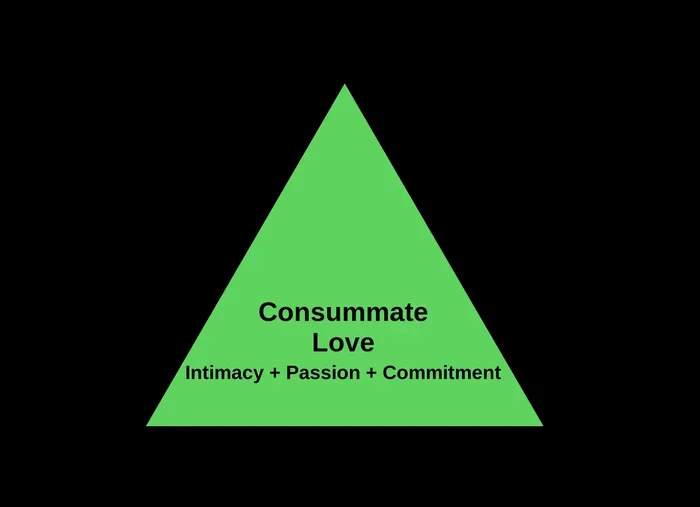
Sternberg’s Triangular Theory of Love breaks down love into three core components: intimacy, passion, and commitment. When these three elements combine in different ways, they create eight distinct types of love. Understanding this powerful psychological framework can help you identify what’s missing in your relationship and take actionable steps toward building deeper, more fulfilling connections with your partner.
Have you ever wondered why some relationships feel electric but fizzle out quickly? Or why some couples stay together for decades but seem to have lost that spark? The answer might lie in a groundbreaking psychological framework that has shaped how we understand romantic connections for over 40 years. Sternberg’s Triangular Theory of Love offers a simple yet profound way to understand the complex world of human relationships.
Developed by psychologist Robert Sternberg in 1986, this theory suggests that love isn’t just one thing. Instead, it’s made up of three fundamental components that interact in fascinating ways. Whether you’re single and curious about what to look for, in a relationship wanting to deepen your bond, or trying to understand why a past relationship failed, this theory provides incredible clarity. Let’s break it down in a way that’s easy to understand and immediately applicable to your love life.
Key Takeaways
- Three Core Components: Sternberg’s theory identifies intimacy, passion, and commitment as the building blocks of all love experiences.
- Eight Types of Love: Different combinations of the three components create eight unique relationship dynamics, from empty love to consummate love.
- Consummate Love is the Goal: The ideal form of love combines all three components and requires ongoing effort to maintain.
- Love Evolves Over Time: Relationships naturally shift between different types of love as the balance of components changes.
- Self-Awareness Matters: Understanding which components are strong or weak in your relationship helps you address issues proactively.
- Actionable Growth: Each component can be intentionally strengthened through specific behaviors and communication strategies.
- Universal Application: The theory applies to all romantic relationships regardless of duration, background, or relationship stage.
📑 Table of Contents
- What Is Sternberg’s Triangular Theory of Love?
- The Eight Types of Love According to Sternberg
- How the Components Change Over Time
- Practical Ways to Strengthen Each Component
- Common Mistakes That Weaken Love Components
- Applying Sternberg’s Theory to Your Relationship
- Comparison Table: The Eight Types of Love at a Glance
- Expert Insights on Sternberg’s Theory
- Why Understanding Love Types Matters for Your Relationship
- Conclusion
What Is Sternberg’s Triangular Theory of Love?
At its core, Sternberg’s Triangular Theory of Love proposes that all love experiences are built from three essential elements. Think of these as the three corners of a triangle. When you have all three corners fully developed, you get the most complete form of love. But when one or two corners are missing or underdeveloped, you get different types of love, each with its own characteristics and challenges.
The beauty of this theory is its simplicity. Instead of trying to define love as one mysterious, unexplainable force, Sternberg broke it down into measurable, understandable parts. This means you can actually assess your relationship and identify what needs work. It takes the guesswork out of understanding why you feel the way you do about your partner.
The Three Components Explained
Let’s look at each component individually so you can start recognizing them in your own relationships.
Intimacy refers to the emotional closeness you share with your partner. It’s about feeling connected, understood, and valued. Intimacy includes things like sharing your deepest thoughts, feeling comfortable being vulnerable, and knowing your partner truly gets you. It’s the warmth and bond that makes you feel like you’re on the same team.
Passion is the physical and romantic attraction component. It includes sexual desire, excitement, and that butterflies-in-your-stomach feeling. Passion is what drives physical affection and romantic interest. It’s often the first thing people notice in a new relationship, and it’s typically the most intense during the early stages.
Commitment involves the decision to love someone and maintain that love over time. It has two parts: the short-term decision that you love this person, and the long-term dedication to preserve that love. Commitment is what keeps couples together during difficult seasons when passion fades or emotional distance creeps in.
The Eight Types of Love According to Sternberg
Here’s where things get really interesting. Depending on which combination of the three components you have, Sternberg identified eight distinct types of love. Each type creates a completely different relationship experience. Understanding these types can help you identify exactly where your relationship stands and what might be missing.
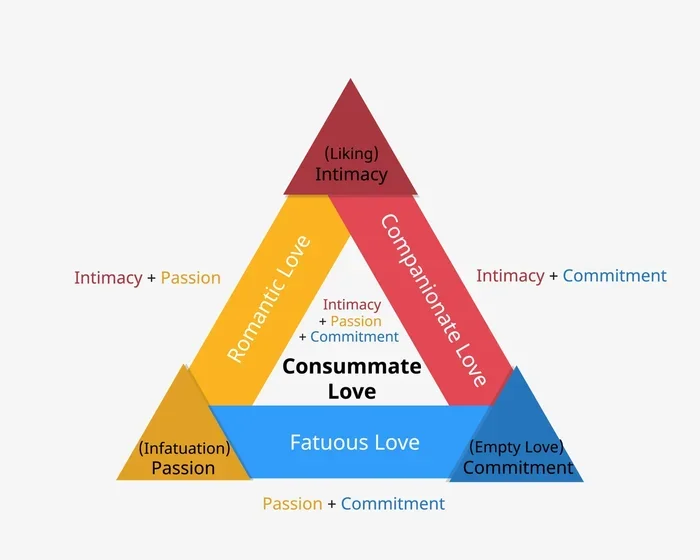
Visual guide about love triangle concept
Image source: simplypsychology.org
1. Non-Lack (No Love)
This is the absence of all three components. It describes relationships where there’s no intimacy, no passion, and no commitment. Think of casual acquaintances or people you interact with but feel nothing for. There’s no emotional connection, no attraction, and no desire to maintain the relationship. This is the baseline from which all other forms of love emerge.
2. Liking (Intimacy Only)
When you have intimacy without passion or commitment, you get liking. This is what happens in close friendships. You feel connected to the person, you enjoy their company, and you share personal thoughts. But there’s no romantic attraction or long-term commitment to a romantic future. Many strong friendships fall into this category, and it’s a beautiful form of love in its own right.
3. Infatuation (Passion Only)
Passion without intimacy or commitment creates infatuation. This is that intense, overwhelming attraction you might feel for someone you barely know. It’s the crush stage, the butterflies, the obsessive thinking. But without emotional connection or commitment, infatuation burns hot and fast. It’s exciting but rarely sustainable on its own. We’ve all experienced this, and it can feel incredibly powerful even though it lacks depth.
4. Empty Love (Commitment Only)
Commitment without intimacy or passion results in empty love. This often describes relationships that have lost their spark but continue out of obligation, habit, or external pressure. The couple stays together, but the emotional connection and physical attraction have faded. Sometimes empty love exists at the beginning of arranged marriages too, where commitment comes first and the other components hopefully develop over time.
5. Romantic Love (Intimacy + Passion)
When intimacy and passion combine without commitment, you get romantic love. This is the stuff of movies and novels. There’s deep emotional connection and intense physical attraction, but the couple hasn’t made a long-term commitment. Many dating relationships fall into this category. It feels wonderful and consuming, but without commitment, it can feel uncertain and unstable.
If you’re trying to understand the difference between genuine connection and surface-level attraction, exploring signs you found true love can help you distinguish between romantic love and something deeper.
6. Companionate Love (Intimacy + Commitment)
Intimacy and commitment without passion create companionate love. This is the love you see in long-term marriages or partnerships where the sexual spark has dimmed but deep affection and dedication remain. The couple feels like best friends who are committed to each other for life. While passion may be low, the emotional bond is incredibly strong. Many couples in their later years experience this type of love, and it can be deeply satisfying.
7. Fatuous Love (Passion + Commitment)
Passion and commitment without intimacy produce fatuous love. This is when a couple rushes into commitment based on intense physical attraction without truly knowing each other emotionally. Think of whirlwind romances that lead to quick marriages. The passion is there, the commitment is there, but the deep emotional connection is missing. This type of love often struggles because the couple hasn’t built the foundation needed to weather life’s challenges together.
8. Consummate Love (Intimacy + Passion + Commitment)
This is the gold standard. Consummate love combines all three components at full strength. It’s the complete package: deep emotional intimacy, intense physical passion, and unwavering commitment. Sternberg believed this was the ideal form of love, but he also noted that it’s incredibly difficult to maintain. It requires constant effort, communication, and intentionality from both partners.
Many people chase consummate love without understanding that it’s not a destination you arrive at and stay at forever. It’s more like a garden that needs regular tending. The passion might dip during stressful life seasons. The intimacy might need rebuilding after conflicts. The commitment might be tested by external pressures. The key is recognizing when a component is weakening and taking action to restore it.
How the Components Change Over Time
One of the most important insights from Sternberg’s theory is that love is dynamic, not static. Your relationship today might look completely different from what it was five years ago or what it will be five years from now. This is normal and expected.
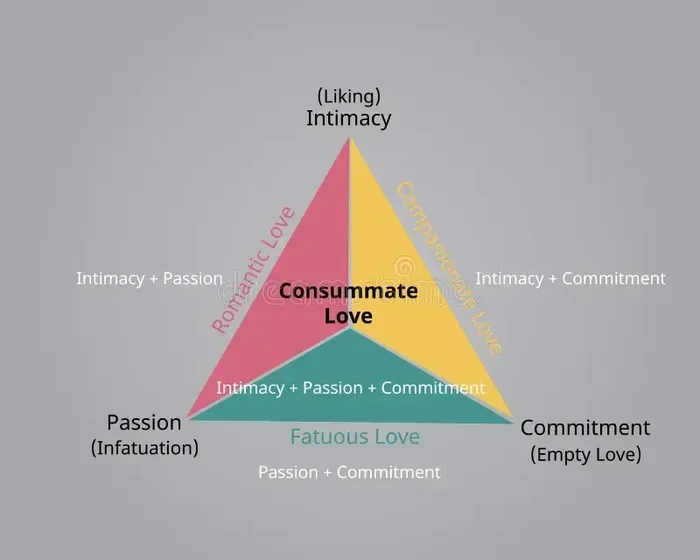
Visual guide about love triangle concept
Image source: thumbs.dreamstime.com
The Natural Evolution of Love
In most relationships, passion peaks early. Those first few months or years are often characterized by intense physical attraction and excitement. This is the infatuation stage, and it feels incredible. But research shows that this intense passion naturally begins to decline after about 12 to 18 months.
Meanwhile, intimacy tends to grow over time as couples share experiences, navigate challenges together, and learn each other’s inner worlds. Commitment also typically strengthens as the relationship progresses and both partners invest more in the partnership.
This means a relationship might start as romantic love (intimacy + passion) and gradually evolve into companionate love (intimacy + commitment) if passion isn’t actively maintained. Or it might begin as fatuous love (passion + commitment) and develop into consummate love as emotional intimacy deepens.
Quick Tip: Don’t Panic When Passion Dips
It’s completely normal for passion to fluctuate. Life stress, health changes, busy schedules, and parenting can all temporarily reduce physical desire. The key is maintaining intimacy and commitment during these seasons so that passion can naturally return. Couples who understand this are far less likely to panic and make destructive decisions during low-passion periods.
Practical Ways to Strengthen Each Component
Now that you understand the three components, let’s talk about how to actively build and maintain each one. This is where Sternberg’s theory becomes truly actionable. You’re not just learning about love conceptually. You’re getting a roadmap for improving your relationship.
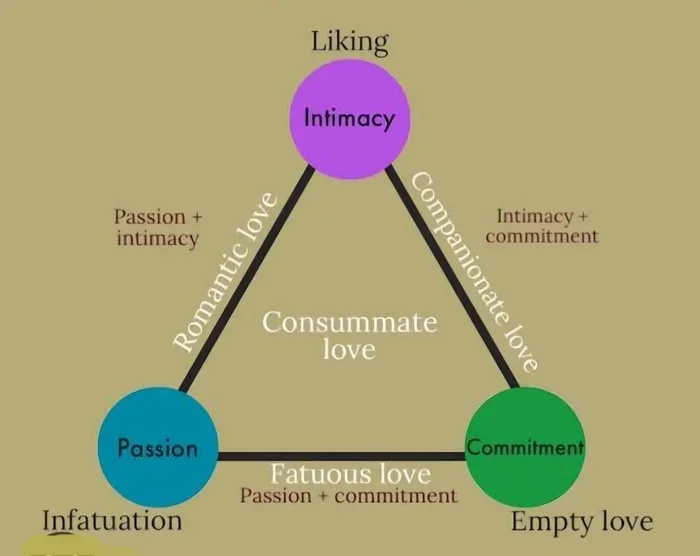
Visual guide about love triangle concept
Image source: blogger.googleusercontent.com
Building Intimacy
Intimacy grows through vulnerability, quality time, and deep communication. Here are some practical ways to strengthen the emotional connection in your relationship:
- Practice active listening: Put down your phone, make eye contact, and truly hear what your partner is saying without planning your response.
- Share your inner world: Talk about your fears, dreams, and feelings, not just surface-level daily updates.
- Create rituals of connection: Regular date nights, morning coffee together, or evening walks can create consistent opportunities for bonding.
- Show appreciation daily: Express gratitude for the small things your partner does. Feeling valued builds emotional closeness.
- Be vulnerable: Share your insecurities and struggles. Vulnerability is the gateway to deep intimacy.
Understanding how to communicate effectively is essential for building intimacy. Many couples struggle not because they don’t care, but because they express care differently. Learning how to deal with miscommunication and different love languages can dramatically accelerate your emotional connection.
Maintaining Passion
Passion requires intentional effort, especially in long-term relationships. Here’s how to keep the spark alive:
- Prioritize physical affection: Hug, kiss, hold hands, and cuddle regularly, not just when you’re initiating sex.
- Try new experiences together: Novelty triggers dopamine, the same chemical involved in early-stage romance. Take a cooking class, explore a new city, or try a new hobby together.
- Maintain your own attractiveness: Taking care of your physical health and appearance shows your partner you still care about the attraction between you.
- Flirt with each other: Don’t stop dating just because you’re committed. Send flirty texts, compliment each other, and maintain the courtship energy.
- Keep mystery alive: You don’t have to share everything. Maintaining some independence and personal space can actually increase attraction.
If you’re feeling like the passion has completely disappeared, it might help to explore ways to rekindle your love life with proven strategies that have helped countless couples reconnect physically and romantically.
Deepening Commitment
Commitment isn’t just about staying together. It’s about actively choosing your partner every day. Here’s how to strengthen this component:
- Make shared goals: Plan for the future together. Whether it’s buying a home, traveling, or building a life vision, shared goals reinforce commitment.
- Weather storms together: Every relationship faces challenges. Choosing to work through difficulties rather than walking away builds unshakeable commitment.
- Renew your vows: This doesn’t have to be a formal ceremony. Regularly remind your partner why you chose them and why you continue to choose them.
- Invest in the relationship: Time, energy, and resources signal commitment. Couples who invest in their relationship through counseling, retreats, or quality time show they’re serious about the partnership.
- Create a strong foundation: Build trust through consistency, honesty, and reliability. Trust is the bedrock of lasting commitment.
Common Mistakes That Weaken Love Components
Understanding what can damage each component is just as important as knowing how to build them. Here are some common pitfalls to avoid:
Mistakes That Destroy Intimacy
- Stonewalling: Shutting down during conflict creates emotional distance faster than almost anything else. When you refuse to engage, your partner feels abandoned and unheard.
- Taking each other for granted: Assuming your partner knows how you feel without expressing it leads to emotional disconnection.
- Constant criticism: Nothing kills emotional safety faster than feeling judged by the person who’s supposed to be your safe haven.
- Emotional affairs: Sharing your deepest thoughts and feelings with someone other than your partner diverts intimacy away from your relationship.
Mistakes That Kill Passion
- Letting routine take over: When every day looks exactly the same, passion has no room to breathe.
- Neglecting physical health: While attraction goes far beyond physical appearance, completely abandoning self-care signals that you’ve stopped trying.
- Using sex as a weapon: Withholding physical affection as punishment creates resentment and kills desire.
- Unresolved resentment: Past hurts that haven’t been addressed create an emotional wall that blocks physical closeness.
Mistakes That Erode Commitment
- Threatening to leave: Even casual mentions of breakup or divorce weaken the sense of security in the relationship.
- Keeping score: Treating the relationship as a transactional arrangement rather than a partnership undermines dedication.
- Avoiding difficult conversations: Sweeping problems under the rug doesn’t make them disappear. It makes them grow.
- Comparing your partner to others: Social media makes this especially dangerous. No one wants to feel like they’re not enough.
Sometimes relationship patterns become toxic without us realizing it. If you’re wondering whether your relationship dynamics are healthy, recognizing signs of a toxic boyfriend or partner can help you identify red flags that erode all three components of love.
Applying Sternberg’s Theory to Your Relationship
Now let’s get practical. How do you actually use this theory to improve your relationship? Here’s a step-by-step approach you can start using today.
Step 1: Assess Your Current Triangle
Rate each component on a scale of 1 to 10. Be honest with yourself. Where does your relationship currently stand?
- Intimacy score: How emotionally connected do you feel? Can you share your deepest thoughts? Do you feel understood?
- Passion score: How strong is the physical and romantic attraction? Do you desire each other? Is there excitement?
- Commitment score: How dedicated are you to the long-term future? Do you both actively choose this relationship?
Step 2: Identify Your Love Type
Based on your scores, which of the eight types of love best describes your current relationship? Are you in a companionate phase where passion needs attention? Are you in a fatuous stage where intimacy needs development? Or are you enjoying a period of consummate love that you want to maintain?
Step 3: Create an Action Plan
Focus on the weakest component first. If intimacy is low, prioritize vulnerability and quality time. If passion has faded, schedule date nights and increase physical affection. If commitment feels shaky, have honest conversations about your future together and make shared plans.
Step 4: Reassess Regularly
Love isn’t a one-time fix. Set a monthly or quarterly check-in with your partner to discuss how each component is doing. This keeps you both accountable and prevents small issues from becoming major problems.
Comparison Table: The Eight Types of Love at a Glance
| Type of Love | Intimacy | Passion | Commitment | Common Example |
|---|---|---|---|---|
| Non-Love | No | No | No | Acquaintances |
| Liking | Yes | No | No | Close friends |
| Infatuation | No | Yes | No | Crushes |
| Empty Love | No | No | Yes | Staying together out of obligation |
| Romantic Love | Yes | Yes | No | Dating relationships |
| Companionate Love | Yes | No | Yes | Long-term marriages |
| Fatuous Love | No | Yes | Yes | Quick marriages based on attraction |
| Consummate Love | Yes | Yes | Yes | Ideal partnership |
Expert Insights on Sternberg’s Theory
Relationship experts and psychologists have built extensively on Sternberg’s framework over the decades. One key insight from researchers is that consummate love is not a permanent state. It’s more accurate to think of it as a peak that couples reach periodically rather than a plateau they live on permanently.
Dr. John Gottman, one of the most respected relationship researchers, has found that successful couples aren’t those who maintain perfect balance at all times. Instead, they’re the ones who notice when a component is weakening and take action to restore it. They repair ruptures quickly, reconnect after distance, and continuously invest in all three areas.
Another important insight is that different couples may prioritize different components at different life stages. New parents might experience a natural dip in passion while their commitment and intimacy remain strong. Empty nesters might find passion returning as they rediscover each other. Neither scenario is wrong. They’re just different seasons of love.
The theory also highlights why so many relationships fail. Couples often don’t realize that love requires active maintenance. They assume that if love is “real,” it will sustain itself. Sternberg’s framework shows us that even the strongest love needs intentional nurturing across all three dimensions.
Why Understanding Love Types Matters for Your Relationship
You might be wondering why any of this matters. Can’t you just love someone without analyzing it? Of course you can. But understanding Sternberg’s Triangular Theory of Love gives you something incredibly valuable: a shared language for discussing your relationship.
Instead of vague complaints like “something feels off” or “we’re not connecting anymore,” you can pinpoint exactly what’s happening. “I feel like our intimacy has decreased because we haven’t been talking deeply lately” is far more actionable than “I feel distant from you.”
This framework also removes blame. When you understand that passion naturally fluctuates or that intimacy requires vulnerability from both partners, you stop seeing relationship challenges as personal failures. Instead, you see them as normal dynamics that can be addressed together.
Perhaps most importantly, this theory gives you hope. If your relationship is currently in an empty or companionate phase, that doesn’t mean it’s doomed. It means you know exactly what to work on. Love isn’t something that just happens to you. It’s something you build, maintain, and grow together.
Conclusion
Sternberg’s Triangular Theory of Love remains one of the most practical and insightful frameworks for understanding romantic relationships. By breaking love into three components, intimacy, passion, and commitment, it gives us a clear picture of what makes relationships thrive and what causes them to struggle.
The eight types of love show us that there’s no single “right” way to love someone. Different combinations create different experiences, and relationships naturally evolve between types over time. The goal isn’t to achieve consummate love and stay there forever. It’s to understand where you are, appreciate what you have, and intentionally nurture the components that need attention.
Whether you’re in the exciting infatuation phase, the comfortable companionate stage, or working toward consummate love, remember that every component can be strengthened. Intimacy grows through vulnerability and deep communication. Passion thrives on novelty and intentional effort. Commitment deepens through shared goals and weathering life together.
Take a moment today to assess your own love triangle. Where are you strong? Where do you need growth? And most importantly, what’s one small step you can take today to strengthen each component? Love isn’t just a feeling. It’s a practice. And with Sternberg’s framework as your guide, you have everything you need to build the relationship you truly want.
Frequently Asked Questions
FAQS ===
What are the three components of Sternberg’s Triangular Theory of Love?
The three components are intimacy (emotional closeness and connection), passion (physical attraction and romantic desire), and commitment (the decision to love someone and maintain that love long-term). Different combinations of these three elements create eight distinct types of love experiences.
What is consummate love according to Sternberg?
Consummate love is the complete form of love that includes all three components: intimacy, passion, and commitment. It represents the ideal relationship where partners feel deeply connected emotionally, maintain strong physical attraction, and are fully dedicated to their shared future together.
Can a relationship move between different types of love?
Absolutely. Relationships naturally evolve between different types of love as life circumstances change. A couple might start with romantic love, transition to companionate love during busy parenting years, and work back toward consummate life as priorities shift. This evolution is completely normal.
Which component of love fades first in most relationships?
Passion typically fades first and most noticeably. Research shows that intense romantic passion naturally peaks within the first 12 to 18 months of a relationship and then gradually declines. However, intimacy and commitment often grow stronger over time, which can compensate for reduced passion.
How can I improve intimacy in my relationship?
Build intimacy through active listening, sharing your inner thoughts and feelings, creating quality time together, expressing daily appreciation, and practicing vulnerability. Small consistent actions like asking meaningful questions and being fully present during conversations create deeper emotional bonds over time.
Is it possible to have a good relationship without passion?
Yes. Companionate love, which combines intimacy and commitment without strong passion, can be deeply satisfying. Many long-term couples experience periods where passion is low but maintain a strong, loving partnership through emotional connection and shared dedication to each other.
