

Have you ever watched a situation unfold and assumed someone else would step in? This common psychological phenomenon is known as the bystander effect. Understanding the bystander effect definition examples is crucial, especially when it comes to dating and relationships. When groups of people witness something wrong, individuals often fail to intervene, assuming others will take action. In this article, we explore how this social psychology concept impacts your love life, why it happens, and how you can break the cycle to protect yourself and your friends.
Imagine you are at a loud party. You see someone looking uncomfortable while another person invades their personal space. You look around, expecting someone to say something. But nobody does. You assume the group thinks the situation is fine. So, you stay quiet too. This is the bystander effect in action. It is not just about big emergencies. It plays out in our dating lives every single day. From ignoring a friend’s toxic relationship to staying silent about bad date behavior, this psychological trap affects us all. Let us break down why it happens and how to stop it.
Key Takeaways
- Core Definition: The bystander effect occurs when the presence of others discourages an individual from intervening in an emergency situation.
- Diffusion of Responsibility: The larger the crowd, the less personal responsibility each person feels to take action.
- Dating Dynamics: This effect explains why friends often ignore red flags in a toxic relationship.
- Pluralistic Ignorance: People assume the group has the correct information, so they stay quiet even if they feel something is wrong.
- Breaking the Cycle: You can overcome this effect by taking personal responsibility and speaking up when you see something wrong.
- Digital Age Impact: Social media and dating apps have amplified the bystander effect, making it easier to scroll past bad behavior.
- Empowerment: Recognizing this psychological trap empowers you to be the one who steps up in your love life and friendships.
📑 Table of Contents
- What Is the Bystander Effect? The Core Definition
- Bystander Effect Definition Examples in Everyday Life
- How the Bystander Effect Shows Up in Dating and Relationships
- Why the Bystander Effect Happens in Love and Dating
- How to Overcome the Bystander Effect in Your Love Life
- Quick Tips to Break the Cycle
- Common Mistakes People Make
- Bystander Effect vs. Proactive Helping
- The Digital Age: The Online Bystander Effect
- Expert Insights on Overcoming Inaction
- Why Breaking the Cycle Matters
What Is the Bystander Effect? The Core Definition
The bystander effect is a social psychological phenomenon where individuals are less likely to offer help to a victim when other people are present. The greater the number of people present, the less likely it is that any one of them will help. This concept is a cornerstone of social psychology, showing how group dynamics can override our natural altruism and moral responsibility.
When you are alone, the weight of responsibility falls entirely on your shoulders. You feel a strong urge to act. But when you are in a crowd, that weight is shared. Suddenly, you feel less accountable. This shift in mindset is exactly why understanding the bystander effect definition examples is so vital for our daily lives.
The Psychology Behind the Phenomenon
Why do we freeze when others are around? The answer lies in two main psychological concepts.
First, there is diffusion of responsibility. This means that when others are present, the personal obligation to act is divided among the crowd. You think, “Someone else will call for help,” or “Someone else is more qualified to handle this.”
Second, there is pluralistic ignorance. This happens when everyone in a group looks to others to see how to react. If everyone else looks calm, you assume the situation must not be an emergency. You mistakenly believe the group knows something you do not.
The Infamous Kitty Genovese Case
No discussion of the bystander effect definition examples is complete without mentioning the case that sparked its study. In 1964, Kitty Genovese was attacked in New York. Initial reports claimed that 38 witnesses watched the attack and did nothing. While later investigations proved the number of witnesses and their inaction were exaggerated, the case captured public attention.
Psychologists Bibb Latané and John Darley used this tragedy to study human behavior. Their experiments confirmed that the presence of others severely inhibits helping behavior. This historical case remains a powerful reminder of how quickly people can fail to act in a crowd.
Bystander Effect Definition Examples in Everyday Life
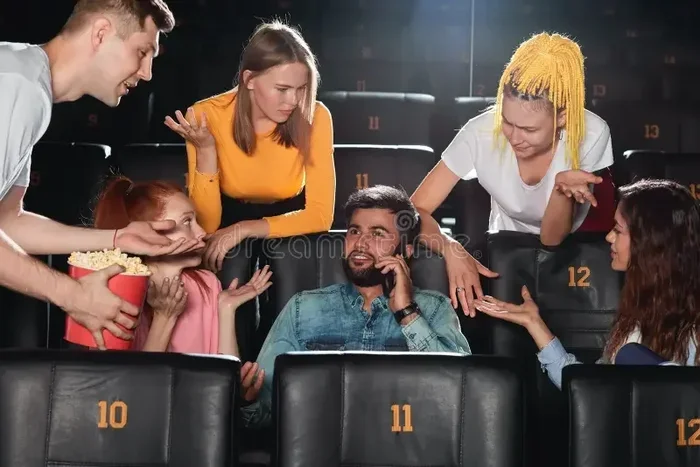
Visual guide about crowd ignoring person
Image source: thumbs.dreamstime.com
This phenomenon is not limited to violent crimes. It happens in subtle ways every day. Recognizing these bystander effect definition examples helps us see how deeply this psychology runs in our social fabric.
Public Emergencies and Social Settings
Think about someone dropping a stack of papers in a busy hallway. If the hallway is crowded, people often step over the papers. They assume someone else will help pick them up. But if the hallway is empty, the first person who sees it immediately stops to help.
The same applies to public disturbances. If someone is shouting aggressively on a packed subway train, passengers often put in their headphones. They assume someone else will handle the confrontation. This is the bystander effect at work.
Workplace and School Dynamics
In a meeting, if a colleague makes a wildly inappropriate joke, people often stay silent. Everyone looks around the table, wondering if they are the only one offended. Because no one speaks up, the group assumes the joke was acceptable.
In schools, bullying often happens in groups. Kids stand and watch, but rarely intervene. They fear becoming the next target. Or they simply assume an adult will step in. The bystander effect thrives in these environments where social anxiety overrides our desire to do good.
How the Bystander Effect Shows Up in Dating and Relationships

Visual guide about crowd ignoring person
Image source: c8.alamy.com
Now, let us bring this closer to home. The bystander effect definition examples are incredibly relevant to dating and relationships. Love and friendship are deeply social experiences, which makes them prime targets for this psychological trap.
Ignoring Red Flags in Group Settings
Have you ever been on a double date and your friend’s partner was rude to the server? You felt uncomfortable, but your friend laughed it off. Because the rest of the table stayed quiet, you swallowed your discomfort. You assumed you were overreacting.
This is pluralistic ignorance in dating. If the group ignores the red flag, you are likely to ignore it too. But staying silent allows bad behavior to continue. If you are wondering Signs He Is Not The One From God 2, staying quiet in a group setting might blind you to the truth right in front of you.
When Friends Don’t Intervene in Toxic Relationships
This is one of the most painful bystander effect definition examples. You watch your best friend date someone who is emotionally manipulative. You see them lose their spark. But when you bring it up, other friends say, “It is none of our business.”
The group’s silence creates a false sense of security. Your friend feels isolated, and the toxic partner faces no outside accountability. Often, friends stay silent because they do not want to ruin the friendship. But silence is a form of endorsement. Understanding this dynamic is the first step toward learning Why Stonewalling Is The Most Overlooked Form Of Emotional Abuse, as silence can be just as damaging as active cruelty.
The “Someone Else Will Ask Her Out” Mentality
In friend groups, attraction can be complicated. You might really like someone in your social circle, but you assume your friend is going to make a move. So you do nothing. Then, nobody makes a move.
The bystander effect kills romantic momentum. Everyone assumes someone else will take the risk of rejection. This leaves great connections unexplored simply because of a diffusion of responsibility.
Why the Bystander Effect Happens in Love and Dating
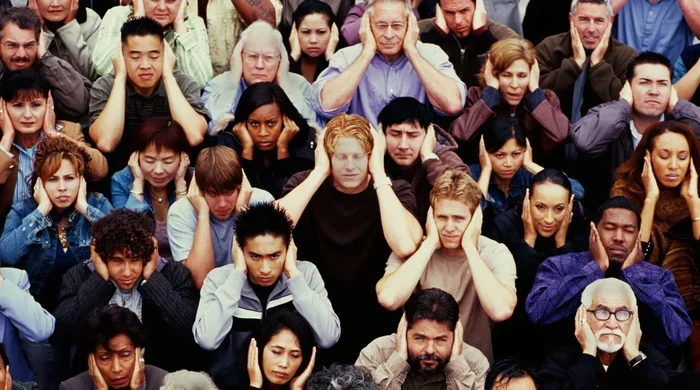
Visual guide about crowd ignoring person
Image source: resourceumc.org
To truly overcome this effect, we must understand why it is so powerful in our romantic lives. Dating dynamics are inherently vulnerable. We fear judgment, and we fear making things awkward.
Diffusion of Responsibility in Social Circles
When you are part of a tight-knit group, it is easy to assume that someone else will handle the problem. If your friend is dating a cheater, you might think, “Her sister will tell him off,” or “Her other friend will talk to her.”
Because the responsibility is spread across the group, no one feels the urgent need to act. This is why intervention is so rare in social circles. Everyone is waiting for someone else to go first.
Pluralistic Ignorance and Dating Norms
We often look to our peers to determine what is normal in dating. If your friends tolerate bad behavior from their partners, you might lower your own standards. You think, “Maybe I am being too sensitive.”
This is pluralistic ignorance. The whole group might secretly hate the bad behavior, but because no one speaks up, everyone fakes acceptance. This creates a toxic dating culture where poor treatment is normalized. Learning Healthy Ways To Deal With The Stress Of Peer Pressure is essential to breaking this cycle.
How to Overcome the Bystander Effect in Your Love Life
Knowing about the bystander effect is only half the battle. You must actively work against it. Overcoming this psychological trap requires courage and intentionality. Here is how you can be the person who steps up.
Take Personal Responsibility
The most powerful way to defeat the bystander effect is to refuse to diffuse responsibility. When you see something wrong, assume you are the only one who will act. Tell yourself, “If not me, then who?”
If you see someone being harassed at a bar, be the one to step in. If your friend is being mistreated, be the one to speak up. Do not wait for the crowd to validate your feelings.
Speak Up for Your Friends
It is hard to confront a friend about their toxic partner. But true friendship requires honesty. If you see your friend suffering, pull them aside privately. Use “I” statements. Say, “I feel worried when I see him talk to you that way.”
You might face resistance. They might be defensive. But you will have planted a seed. Your voice might be the one that finally breaks the spell of pluralistic ignorance.
Be the One Who Acts
In dating, be the person who makes the move. Do not wait for the group to give you permission. If you like someone, ask them out. If you see a red flag, address it directly.
Social proof is powerful. When one person breaks the silence, others often follow. By acting, you give other people permission to act, too.
Quick Tips to Break the Cycle
- Trust your gut: If a situation feels wrong, it probably is. Do not let the calm faces of the crowd override your instincts.
- Make direct eye contact: If you need help in an emergency, point to one specific person and give them a direct command. “You, in the red shirt, call 911!” This breaks their diffusion of responsibility.
- Check on your friends: Regularly ask your friends how their relationships are going. Create a safe space where they can share red flags without judgment.
- Address bad behavior immediately: If a date is rude, speak up in the moment. Silence is interpreted as acceptance.
- Educate yourself: Understanding psychological phenomena like the bystander effect makes you less likely to fall victim to them.
Common Mistakes People Make
Even when we know about the bystander effect, we still fall into these traps:
- Assuming someone else is more qualified: You might think a better friend or a family member will handle it. But they might be thinking the same thing about you.
- Fear of embarrassment: We stay silent because we do not want to cause a scene. But causing a small scene is better than allowing harm to happen.
- Waiting for consensus: You want everyone to agree before you act. But consensus rarely happens in a crowd. You must be willing to act alone.
- Minimizing the situation: Telling yourself, “It is not that bad,” is a classic way to justify inaction.
Bystander Effect vs. Proactive Helping
To fully grasp the bystander effect definition examples, it helps to contrast it with proactive helping. The table below highlights the key differences in mindset and action.
| Bystander Effect Mindset | Proactive Helping Mindset |
|---|---|
| “Someone else will help.” | “I will be the one to help.” |
| “The group seems calm, so it must be fine.” | “I trust my instincts, even if others look calm.” |
| “It is not my place to intervene.” | “It is my moral responsibility to intervene.” |
| “I do not want to cause a scene.” | “I would rather cause a scene than allow harm.” |
| “I will wait and see what others do.” | “I will act immediately and directly.” |
The Digital Age: The Online Bystander Effect
Today, the bystander effect has moved online. Social media and dating apps have created new avenues for this phenomenon.
When you see a friend posting cryptic, sad messages about their relationship, do you reach out? Often, we scroll past. We assume their other 500 friends will comment or check on them. This digital diffusion of responsibility is incredibly strong.
On dating apps, people often ignore toxic profiles or red flag behaviors because they assume the platform will ban the person, or that other daters will report them. But if everyone thinks that way, bad actors remain on the app. Overcoming the bystander effect in the digital age means actively reporting bad behavior and reaching out to friends who seem to be struggling.
Expert Insights on Overcoming Inaction
Psychologists emphasize that the bystander effect is not a character flaw. It is a natural human reaction to group dynamics. Knowing this takes the shame out of inaction.
However, experts also note that we can train ourselves to overcome it. The key is to practice making small decisions to help in low-stakes situations. Hold the door for someone. Pick up litter. Give a genuine compliment. By building the muscle of helping behavior in everyday life, you prepare yourself to act when the stakes are much higher.
Furthermore, experts suggest that we reframe our fear of embarrassment. We worry about looking foolish if we intervene and it turns out to be nothing. But the cost of not intervening when it is something is far greater than the cost of a little embarrassment.
Why Breaking the Cycle Matters
Understanding the bystander effect definition examples is about more than just psychology trivia. It is about building a better, safer, and more loving world.
When we refuse to be passive bystanders, we protect the people we love. We create a culture where bad behavior is not tolerated. We empower ourselves to take control of our dating lives instead of leaving our fate to the crowd.
Every time you speak up, you break the cycle of silence. You prove that moral responsibility is stronger than social anxiety. You become the person others can rely on.
Frequently Asked Questions
What is the simple definition of the bystander effect?
The bystander effect is a social phenomenon where people are less likely to help someone in need when other people are present. The larger the crowd, the less likely any single person is to step in and offer assistance.
How does diffusion of responsibility relate to the bystander effect?
Diffusion of responsibility is the primary driver of the bystander effect. It means that when a group of people witness an emergency, the responsibility to act is shared among the crowd. Because the burden is shared, each individual feels less personal obligation to intervene.
Can the bystander effect happen in dating?
Yes, absolutely. The bystander effect frequently occurs in dating and relationships. For example, friends might ignore red flags in a toxic relationship because they assume someone else will speak up, or a person might not ask someone out because they assume a friend will make the move first.
What is pluralistic ignorance?
Pluralistic ignorance happens when people privately disagree with a norm or situation but assume everyone else accepts it. In the context of the bystander effect, if a crowd looks calm, individuals assume there is no emergency, even if they personally feel uneasy.
How can I stop myself from being a bystander?
You can overcome the bystander effect by taking personal responsibility. Assume you are the only person who will act. If you need help, point to a specific person and give them a direct command. Practice helping in small, everyday situations to build your confidence for bigger moments.
Does social media make the bystander effect worse?
Yes, social media and dating apps amplify the bystander effect. When we see a friend struggling online or a toxic profile on an app, we assume the hundreds of other viewers will take action. This digital crowd creates a massive diffusion of responsibility, making it easier to scroll past problems.
=== CONCLUSION ===
The bystander effect is a powerful force, but it does not have to control your life. By understanding the bystander effect definition examples, you can spot this psychological trap before it catches you. Whether you are at a loud party, sitting in a meeting, or watching a friend suffer in a toxic relationship, you have the power to break the silence.
Do not wait for the crowd to act. Take personal responsibility. Speak up for the people you love. Trust your instincts, and be the person who steps up. When you refuse to be a passive bystander, you change the dynamics of your relationships and your community for the better. Choose action over apathy, and watch how your love life transforms.
