
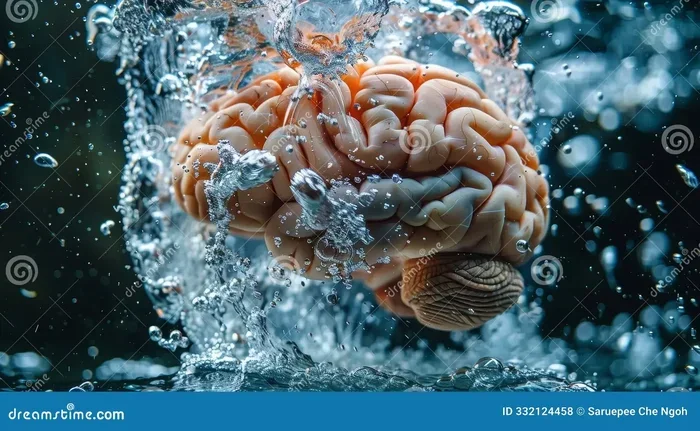
Thirst is primarily processed by the hypothalamus, a small but powerful region deep within your brain. This article explores how your brain detects dehydration, triggers thirst signals, and maintains fluid balance. Understanding this process helps you recognize when your body needs water and why ignoring thirst can harm your health.
[FEATURED IMAGE_PLACEHOLDER]
Have you ever wondered why your mouth feels dry on a hot summer day? Or why you suddenly crave water after eating something salty? The answer lies deep inside your brain. Thirst is a survival mechanism that keeps your body functioning properly. But what part of the brain actually processes this critical signal?
The answer is more fascinating than you might think. Your brain has an entire network dedicated to monitoring fluid levels and triggering thirst. This system involves several working parts that communicate constantly. When you understand how it works, you can take better care of your body and mind.
Let’s dive into the science behind thirst and discover why this simple sensation matters more than you realize.
Key Takeaways
- The hypothalamus is the brain’s thirst center, monitoring blood concentration and triggering the urge to drink water.
- Multiple brain regions work together, including the subfornical organ and OVLT, to regulate fluid balance and homeostasis.
- Osmoreceptors detect dehydration by sensing when blood becomes too concentrated with salts and minerals.
- Chronic dehydration impairs brain function, affecting mood, focus, memory, and decision-making abilities.
- Thirst signals can weaken with age, making older adults more vulnerable to dehydration without realizing it.
- Stress and mental health affect hydration, as the body’s stress response can alter thirst perception and fluid needs.
- Listening to your body’s thirst cues is essential for maintaining optimal physical and cognitive performance.
📑 Table of Contents
- The Hypothalamus: Your Brain’s Thirst Command Center
- Beyond The Hypothalamus: The Circumventricular Organs
- The Science Behind Thirst Signals
- Why Thirst Processing Matters For Your Health
- Practical Tips For Staying Properly Hydrated
- Common Myths About Thirst And Hydration
- The Connection Between Thirst And Overall Wellness
- When Thirst Signals Go Wrong
- Expert Insights On Thirst And Brain Health
- Conclusion
The Hypothalamus: Your Brain’s Thirst Command Center
The hypothalamus is the primary brain region responsible for processing thirst. This almond-sized structure sits at the base of your brain, above the pituitary gland. Despite its small size, it controls many essential functions. These include body temperature, hunger, sleep cycles, and fluid balance.
How The Hypothalamus Detects Dehydration
Your hypothalamus contains specialized cells called osmoreceptors. These tiny sensors monitor the concentration of your blood. When you lose water through sweat, breathing, or urination, your blood becomes more concentrated. The osmoreceptors detect this change immediately.
Once activated, these receptors send signals throughout the brain. They trigger the conscious sensation of thirst. They also prompt your kidneys to conserve water. This dual response helps restore fluid balance quickly.
The Role Of The Pituitary Gland
The hypothalamus works closely with the posterior pituitary gland. When dehydration is detected, the hypothalamus signals the pituitary to release antidiuretic hormone. This hormone, also called vasopressin, tells your kidneys to reabsorb more water. The result is more concentrated urine and reduced water loss.
This system operates automatically. You don’t have to think about it. Your brain handles the complex calculations needed to keep your body hydrated.
Beyond The Hypothalamus: The Circumventricular Organs
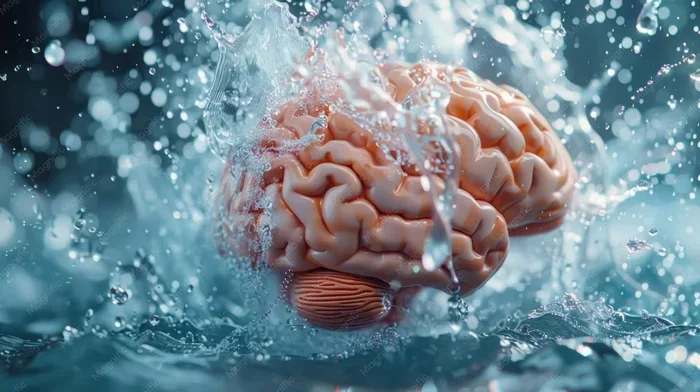
Visual guide about brain water concept
Image source: img.freepik.com
While the hypothalamus is the main thirst processor, it doesn’t work alone. Your brain contains special structures called circumventricular organs. These regions lack the typical blood-brain barrier. This unique feature allows them to directly sample blood contents.
The Subfornical Organ (SFO)
The subfornical organ sits near the center of your brain. It detects hormones related to fluid balance, particularly angiotensin II. This hormone rises when blood volume drops. The SFO then communicates with the hypothalamus to intensify thirst signals.
The Organum Vasculosum Of The Lamina Terminalis (OVLT)
The OVLT is another critical structure for thirst regulation. It monitors blood osmolarity directly. It also integrates signals from the SFO and other brain regions. Together, these organs create a comprehensive picture of your body’s hydration status.
The Science Behind Thirst Signals
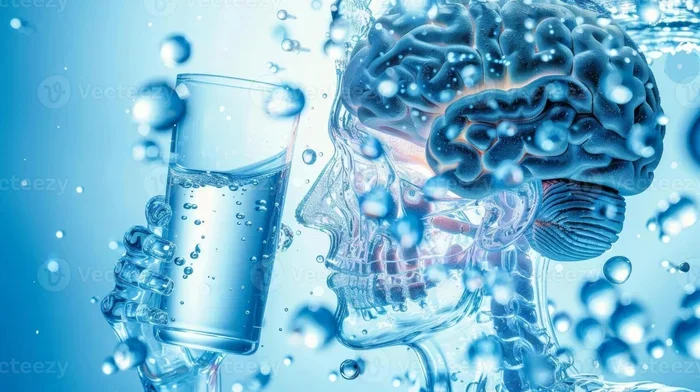
Visual guide about brain water concept
Image source: static.vecteezy.com
Understanding what part of the brain processes thirst requires looking at the chemical signals involved. Your body uses multiple pathways to communicate hydration needs.
Blood Osmolarity And Osmotic Thirst
Osmotic thirst occurs when blood concentration increases. This happens after eating salty foods or losing water through sweat. The osmoreceptors in your hypothalamus shrink slightly when surrounded by concentrated blood. This physical change triggers electrical signals that reach your conscious awareness.
Volumetric Thirst And Blood Pressure
Volumetric thirst responds to low blood volume. This type of thirst activates when you bleed or experience significant fluid loss. Baroreceptors in your blood vessels detect pressure drops. They signal the brain through the vagus nerve and other pathways.
The hormone angiotensin II plays a key role here. When blood volume drops, your kidneys release renin. This enzyme triggers a cascade that produces angiotensin II. This hormone stimulates the SFO and creates a powerful urge to drink.
Why Thirst Processing Matters For Your Health
Visual guide about brain water concept
Image source: img.freepik.com
Knowing what part of the brain processes thirst isn’t just academic. This knowledge has real implications for your daily health and wellbeing.
Cognitive Function And Hydration
Even mild dehydration affects your brain. Studies show that losing just 1-2% of body water impairs concentration, memory, and mood. Your brain is approximately 75% water. When fluid levels drop, neural communication slows down.
You might notice difficulty focusing or feel irritable. These symptoms often stem from inadequate hydration. By the time you feel thirsty, you’re already mildly dehydrated. This is why regular water intake matters more than waiting for thirst signals.
Stress, Mental Health, And Thirst
Your mental state influences hydration needs. Stress activates your body’s fight-or-flight response, which increases fluid loss through rapid breathing and sweating. Chronic stress can disrupt normal thirst signals.
Many people mistake thirst for hunger or anxiety. Learning to recognize genuine thirst helps you respond appropriately. Managing stress through healthy habits supports proper hydration. If you’re exploring healthy ways to deal with the stress of peer pressure, remember that stress management directly impacts your body’s hydration balance.
Age-Related Changes In Thirst Perception
As you age, your thirst mechanism becomes less sensitive. Older adults often don’t feel thirsty even when dehydrated. This puts them at higher risk for heat exhaustion, urinary tract infections, and kidney problems.
The hypothalamus and circumventricular organs change over time. Osmoreceptors become less responsive. The brain’s ability to concentrate urine also declines. These changes make proactive hydration essential for older adults.
Practical Tips For Staying Properly Hydrated
Now that you understand what part of the brain processes thirst, how can you use this knowledge? Here are practical strategies to maintain optimal hydration.
Listen To Your Body’s Signals
Don’t ignore thirst when it appears. Your brain is telling you something important. Keep water accessible throughout the day. Drink before you feel intensely thirsty.
Signs you need more water include:
- Dark yellow urine
- Dry mouth or lips
- Headaches
- Fatigue or dizziness
- Difficulty concentrating
Establish Regular Hydration Habits
Your brain thrives on routine. Drinking water at consistent times supports optimal function. Start your morning with a glass of water. Drink before each meal. Keep a water bottle at your desk.
Adjust For Activity And Environment
Hot weather, exercise, and illness increase fluid needs. Your brain processes these demands through the mechanisms described above. Pre-hydrate before physical activity. Replace electrolytes after heavy sweating.
Support Your Brain’s Hydration System
Certain nutrients support healthy brain function. Omega-3 fatty acids, found in fish and walnuts, maintain cell membranes. B vitamins support energy production in brain cells. Antioxidants protect against oxidative stress.
Just as your brain manages thirst signals, it also responds to overall wellness practices. Learning to let go of habits that burden your life can improve both mental clarity and physical hydration. When you reduce unnecessary stress, your body’s regulatory systems function more efficiently.
Common Myths About Thirst And Hydration
Misinformation about hydration is widespread. Let’s clear up some common misconceptions.
Myth: Eight Glasses Daily Is The Rule
Water needs vary by individual, activity level, and climate. Some people need more. Others need less. Your thirst mechanism generally guides appropriate intake. However, waiting for thirst alone isn’t always sufficient.
Myth: Coffee And Tea Dehydrate You
While caffeine has mild diuretic effects, moderate consumption doesn’t cause dehydration. These beverages still contribute to your daily fluid intake. Your brain’s thirst system accounts for various fluid sources.
Myth: Clear Urine Means Perfect Hydration
Pale yellow urine indicates good hydration. Completely clear urine might suggest overhydration. Your body needs some concentration to eliminate waste products properly.
The Connection Between Thirst And Overall Wellness
Understanding what part of the brain processes thirst reveals how interconnected your body systems are. Hydration affects everything from kidney function to skin health. It influences energy levels, digestion, and immune function.
Hydration And Energy Levels
Dehydration reduces blood volume. Your heart works harder to pump oxygen and nutrients. This extra effort leaves you feeling tired. Proper hydration supports sustained energy throughout the day.
Your brain’s energy management connects to hydration status. The hypothalamus regulates both thirst and sleep-wake cycles. Disrupted hydration can affect sleep quality, creating a cycle of fatigue.
Hydration And Emotional Balance
Water intake influences neurotransmitter production and function. Even mild dehydration increases cortisol levels. This stress hormone affects mood and anxiety levels.
Maintaining hydration supports emotional stability. When your brain has adequate water, it produces serotonin and dopamine more efficiently. These neurotransmitters regulate mood and motivation.
The relationship between mental health and physical wellness is profound. Just as energy levels connect to mental health, hydration status directly impacts your emotional and cognitive wellbeing. Your brain cannot produce energy efficiently without proper fluid balance.
When Thirst Signals Go Wrong
Sometimes the thirst mechanism malfunctions. Understanding these conditions helps you recognize when something isn’t right.
Diabetes Insipidus
Despite its name, this condition has nothing to do with blood sugar. Diabetes insipidus involves insufficient antidiuretic hormone. The kidneys cannot concentrate urine properly. Patients experience extreme thirst and produce large amounts of dilute urine.
Psychogenic Polydipsia
This condition involves compulsive water drinking. Patients feel excessive thirst without physiological cause. It’s sometimes associated with mental health conditions or certain medications.
Adipsia And Hypodipsia
Some people have reduced or absent thirst sensation. This can result from hypothalamic damage or tumors. These patients must consciously monitor their fluid intake to prevent dangerous dehydration.
Expert Insights On Thirst And Brain Health
Neuroscientists continue studying how the brain processes thirst. Recent research reveals fascinating details about this essential function.
Real-Time Brain Imaging Studies
Advanced fMRI studies show brain activity during thirst. Researchers found that the anterior cingulate cortex activates strongly when thirsty. This region processes the unpleasant sensation of thirst. Drinking water quickly reduces this activity.
The Gut-Brain Connection
Your stomach and intestines also communicate with the brain about hydration. Stretch receptors signal when fluid enters the digestive system. This helps the brain predict future hydration status. It explains why drinking water relieves thirst before absorption completes.
Future Research Directions
Scientists are exploring how thirst circuits relate to other motivations. Hunger, thirst, and temperature regulation share neural pathways. Understanding these connections could lead to treatments for metabolic disorders and obesity.
Conclusion
The hypothalamus serves as the primary brain region for processing thirst. Supported by the subfornical organ and OVLT, this system maintains your body’s fluid balance with remarkable precision. Understanding what part of the brain processes thirst empowers you to make better health decisions.
Your brain constantly monitors blood concentration, volume, and pressure. It triggers thirst when intervention is needed. It also coordinates kidney function and hormone release. This complex system keeps you alive and functioning.
The next time you reach for a glass of water, appreciate the sophisticated neuroscience behind that simple act. Your brain has already done extensive work to create that sensation. Listen to your body. Stay hydrated. Your brain will thank you with better focus, improved mood, and sustained energy.
Remember that hydration connects to every aspect of your health. From cognitive performance to emotional balance, water is essential fuel for your brain. By understanding and respecting your thirst signals, you support your overall wellbeing every single day.
Frequently Asked Questions
What is What Part Of The Brain Processes Thirst?
What Part Of The Brain Processes Thirst is an important topic with many practical applications.
