
Giving someone the silent treatment may seem like a quick way to express anger or frustration, but it actually says more about your emotional maturity than your partner’s behavior. This passive-aggressive tactic often damages trust and creates distance rather than solving problems. True strength lies in choosing healthy communication over silent punishment.
Giving someone the silent treatment might feel powerful in the moment—like you’re maintaining control by refusing to engage. But here’s the uncomfortable truth: this passive-aggressive strategy rarely works in your favor. In fact, consistently using silence as punishment often reveals more about your character than your partner’s actions ever could.
When you choose to withdraw communication instead of addressing issues directly, you’re essentially telling your partner that their feelings don’t matter enough to respond to. This sends a clear message that you prioritize your own comfort over their emotional well-being. Over time, these small moments of silence add up, creating emotional distance that’s difficult to bridge.
The reality is that relationships thrive on connection, not isolation. Every meaningful partnership requires vulnerability, honesty, and the courage to work through disagreements together. Choosing silence as a default response to conflict undermines all three of these foundations.
Key Takeaways
- The silent treatment reflects poor emotional regulation: When you withhold communication as punishment, it shows difficulty managing strong emotions constructively.
- It damages relationship trust: Repeated use of silence creates insecurity and makes partners feel unsafe expressing themselves.
- Healthy alternatives exist: Expressing feelings directly with “I” statements often resolves conflicts more effectively than silent withdrawal.
- Silence can be misinterpreted: Your partner may assume you’re angry when you’re actually hurt, leading to unnecessary misunderstandings.
- Emotional maturity matters: Choosing open dialogue over silent punishment demonstrates respect for both yourself and your relationship.
- Long-term effects accumulate: Chronic use of the silent treatment erodes intimacy and can become a relationship pattern that’s hard to break.
- Self-reflection is crucial: Understanding your motivations behind using silence helps identify deeper emotional needs or fears.
📑 Table of Contents
Why the Silent Treatment Hurts More Than You Think
The immediate gratification of giving someone the silent treatment feels satisfying because it avoids uncomfortable conversations. However, this short-term relief comes at a steep long-term cost. Each instance of silent treatment creates ripples that affect the entire relationship dynamic.
Think about it this way: if someone cuts you off in traffic, you don’t just stop communicating with them forever. You might honk once, exchange a look, or move on—but you don’t abandon all future interaction because of one minor incident. Relationships should work similarly. Instead, we often treat our partners like they’ve committed an unpardonable sin worthy of permanent punishment.
Research from the Journal of Social and Personal Relationships shows that couples who frequently use the silent treatment report lower relationship satisfaction and higher levels of anxiety. The study found that even when partners eventually reconcile after periods of silence, those who experienced repeated silent treatments were more likely to interpret neutral comments as hostile afterward.
What makes the silent treatment particularly damaging is how easily it gets normalized. We tell ourselves, “I’m just tired,” or “They need to cool down too.” But these small withdrawals accumulate until suddenly you realize your partner no longer feels safe sharing their thoughts with you. That safety is what keeps relationships strong during inevitable conflicts.
The Psychology Behind Withholding Communication
Understanding why people use the silent treatment requires looking at both conscious choices and unconscious patterns. Often, it’s not about wanting to punish someone specifically—it’s about avoiding the discomfort of confrontation while still feeling like you’re “winning.”
Some people believe that staying silent makes others feel guilty or responsible for fixing things. This creates a power imbalance where one person holds all the emotional cards while the other scrambles to regain connection. But here’s the catch: this approach usually backfires spectacularly. Most people recognize silent treatment as manipulative, not persuasive.
Other times, the silence stems from fear—fear of saying the wrong thing, fear of escalating conflict, or fear of needing to compromise. These fears are valid, but they shouldn’t dictate how you handle disagreements. Learning to express your needs clearly without blaming your partner takes practice, but it’s absolutely possible.
Then there are those who genuinely struggle with emotional expression. They might know what they want to say but freeze up when confronted with anger or disappointment from their partner. Rather than working through these communication blocks together, they retreat into silence hoping the problem will resolve itself.
How Silent Treatment Reveals Your Character
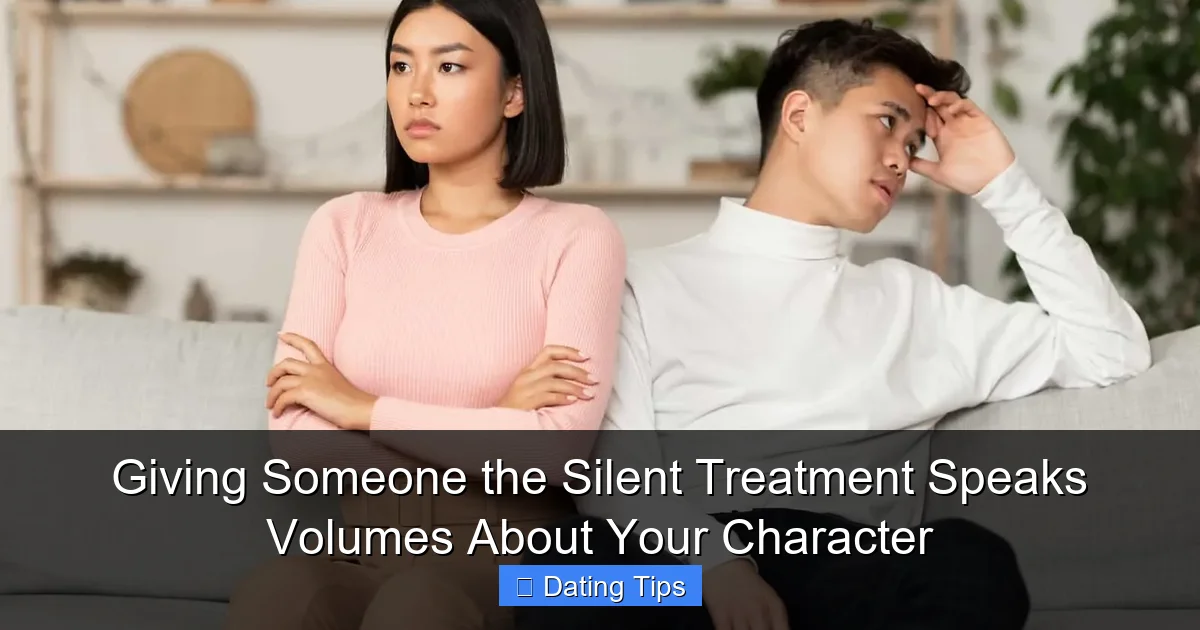
Visual guide about Giving Someone the Silent Treatment Speaks Volumes About Your Character
Image source: herway.net
Your response to conflict says volumes about your character far more than your words ever could. When you choose silent treatment over direct communication, several personality traits become apparent:
First, you demonstrate low emotional intelligence. Emotionally mature people recognize that everyone experiences strong feelings sometimes and that the goal isn’t to suppress emotions but to express them constructively. Choosing silence because you don’t know how to handle your own anger suggests you haven’t developed adequate coping strategies.
Second, you show poor impulse control. The decision to withdraw communication happens instantly—often before you’ve had time to process what actually triggered your reaction. Someone with better self-regulation would pause, take a breath, then choose a healthier response.
Third, you reveal whether you view relationships as transactional. If you expect your partner to read your mind and apologize for every perceived slight, you’re operating from a place of entitlement rather than partnership. Healthy relationships require mutual effort, including making your needs and feelings clear.
Finally, consistent use of silent treatment indicates unresolved personal issues. Are you using silence to avoid dealing with your own insecurities? To maintain control in situations where you feel powerless? To punish others for your bad day? These questions point toward areas where you might benefit from personal growth outside the relationship context.
Real-Life Examples: When Silence Backfires
Consider Sarah and Mark’s situation: After Sarah forgot their anniversary dinner reservation, Mark gave her the silent treatment for three days. During that time, Sarah assumed he was genuinely upset and tried apologizing repeatedly. Meanwhile, Mark felt increasingly frustrated that she didn’t understand how much the date meant to him.
The irony? Both were right and wrong. Sarah genuinely hadn’t realized the significance of the occasion, while Mark did care deeply. But because Mark chose silence instead of explaining why the memory mattered, Sarah couldn’t address his real concern. Eventually, Mark snapped and explained everything anyway—but by then the damage was done.
Another example involves David and Lisa. Whenever Lisa criticized David’s parenting style, he would simply stop responding to her texts about the kids. This taught Lisa two things: first, that her opinions weren’t welcome, and second, that she had to walk on eggshells around him to avoid triggering his withdrawal. Over time, she stopped discussing important topics altogether, which created a huge rift between them.
These stories aren’t outliers—they represent common patterns in relationships where one partner uses silence as a weapon. The result? Gradual erosion of trust, intimacy, and willingness to share vulnerable moments.
Healthy Alternatives to Silent Treatment
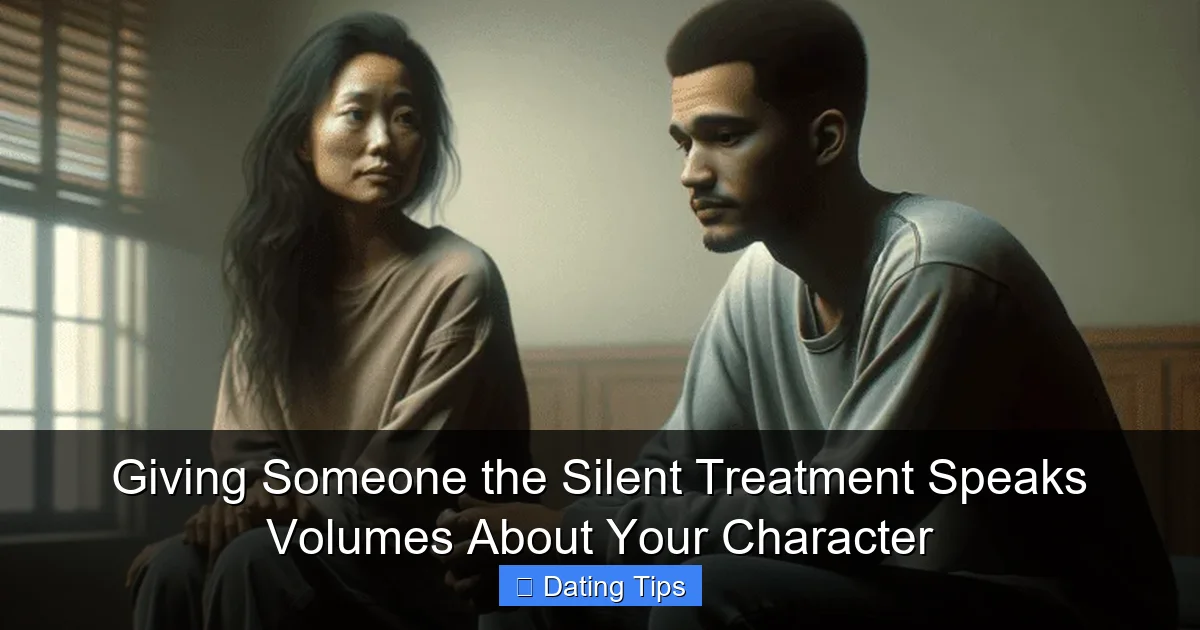
Visual guide about Giving Someone the Silent Treatment Speaks Volumes About Your Character
Image source: attractiondiary.com
Instead of reaching for silence when conflict arises, try these evidence-based approaches:
**Use “I” statements:** Instead of saying “You always ignore me,” try “I feel hurt when I don’t get responses to my messages.” This focuses on your experience rather than attacking their character.
**Schedule conflict talks:** Pick a calm time to discuss issues instead of letting resentment build. Say something like, “Can we talk about what happened yesterday? I’d really appreciate understanding your perspective.”
**Practice active listening:** When your partner expresses concerns, focus completely on understanding rather than preparing your rebuttal. Nod, ask clarifying questions, and summarize what you hear.
**Take temporary breaks:** If emotions run too high, agree to pause the discussion for 20-30 minutes while you both cool down. Just make sure you revisit the topic afterward.
**Seek professional help:** Couples counseling provides neutral ground for working through communication challenges with trained guidance.
Remember, healthy communication isn’t about winning arguments—it’s about building mutual understanding. Every time you choose dialogue over silence, you strengthen your ability to handle future conflicts constructively.
Practical Tips for Breaking the Silence Habit
Changing ingrained patterns takes conscious effort, but it’s absolutely achievable. Start small by catching yourself mid-withdrawal and asking: “Am I choosing this because I truly need space, or because I’m avoiding something?”
Keep a journal tracking when you feel tempted to go silent and what actually triggered that urge. Over time, you’ll spot recurring themes—maybe work stress, sleep deprivation, or specific triggers related to your partner’s behavior.
Practice assertive communication daily. Role-play difficult conversations with friends or record yourself talking through tough topics. The more comfortable you become expressing needs clearly, the less likely you’ll reach for silence as a default.
Most importantly, forgive yourself when old habits surface. Recovery isn’t linear, and setbacks are normal. What matters most is returning to healthy communication choices once you recognize the pattern.
The Long-Term Impact on Relationships
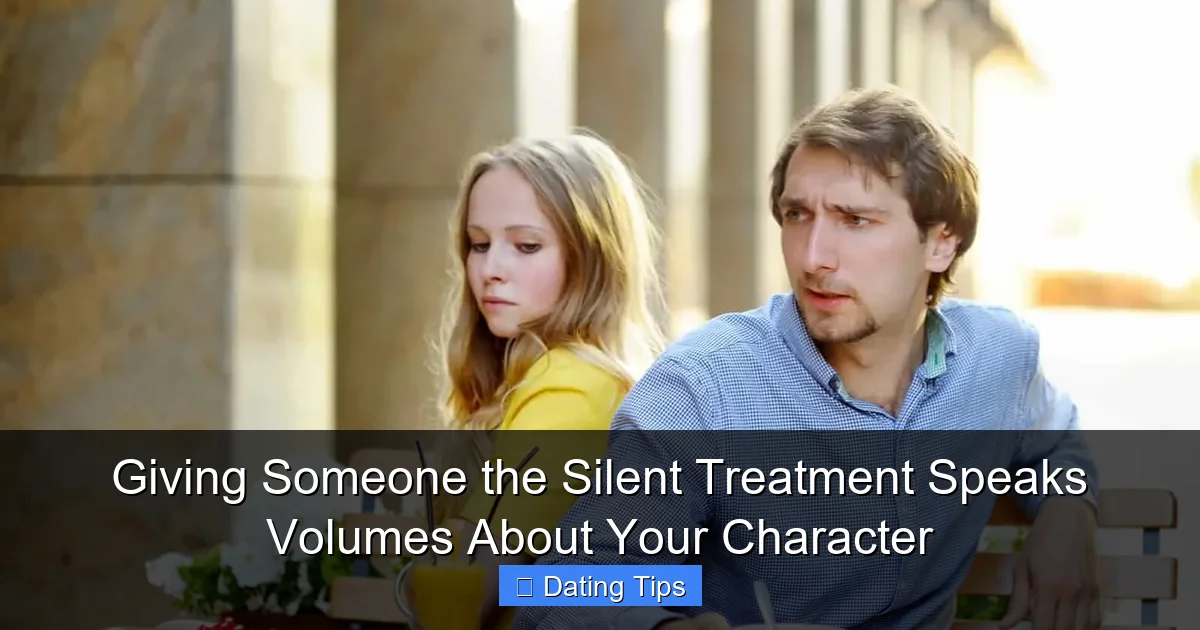
Visual guide about Giving Someone the Silent Treatment Speaks Volumes About Your Character
Image source: herway.net
Couples who regularly use the silent treatment often find themselves stuck in cycles of resentment and misunderstanding. Partners learn to anticipate withdrawal rather than seek resolution, which teaches children (if applicable) that conflict avoidance equals peacekeeping.
In marriages where one partner consistently withholds communication, studies show increased rates of depression, anxiety, and physical health problems. The constant uncertainty about whether your partner is mad at you creates chronic stress that affects sleep, appetite, and overall well-being.
Children raised in homes where silent treatment is common may develop similar communication styles themselves. They learn that expressing strong feelings leads to withdrawal, so they suppress emotions to avoid triggering that response. This creates intergenerational patterns of emotional suppression that can persist for decades.
Even friendships suffer under this dynamic. Imagine trying to maintain a close bond with someone who disappears whenever disagreements arise. Eventually, most people naturally gravitate toward those who communicate openly, creating social circles where honesty reigns.
The good news? These patterns can change. It starts with recognizing that silence isn’t a solution—it’s merely postponing problems until they explode in ways that cause greater harm.
When Is Temporary Silence Actually Okay?
While chronic silent treatment is problematic, brief pauses in communication can serve valuable purposes:
**Processing overwhelming emotions:** Sometimes you need 15-20 minutes to collect your thoughts before having a difficult conversation. This prevents saying things you’ll regret later.
**Respecting personal boundaries:** If your partner explicitly asks for space, honoring that request shows respect for their needs without demanding immediate resolution.
**Avoiding dangerous situations:** In cases of domestic abuse, temporary separation might be necessary for safety. But even then, professional support should guide next steps rather than relying solely on silence.
**Celebrating peaceful moments:** Not every interaction requires deep discussion. Sometimes enjoying quiet companionship without pressure to perform or explain yourself is perfectly healthy.
The key distinction lies in intention and duration. If silence serves to protect either party’s well-being temporarily, that’s different from using it as punishment. Context matters tremendously.
Building Emotional Maturity Through Honest Communication
Developing emotional maturity means learning that expressing anger doesn’t equate to losing respect for yourself or others. It’s entirely possible to stand firm in your convictions while remaining open to hearing your partner’s perspective.
Start by identifying your core values regarding communication. Do you believe honesty outweighs politeness? That growth matters more than comfort? Once you clarify these principles, you’ll have a compass to guide difficult conversations.
Practice vulnerability regularly—even in safe settings like therapy groups or trusted friendships. The more you share authentic feelings without fear of judgment, the easier it becomes to do the same with romantic partners.
Learn to distinguish between constructive criticism and personal attacks. Addressing specific behaviors (“I get frustrated when plans change last minute”) carries far more weight than general accusations (“You’re never reliable”).
Most importantly, cultivate empathy. Try putting yourself in your partner’s shoes during conflicts. Ask: “What might they be feeling right now?” rather than assuming you know exactly why they acted certain ways.
These practices won’t eliminate conflict entirely—but they’ll transform how you navigate disagreements together. Instead of retreating into silence hoping problems disappear, you’ll build skills to face challenges head-on.
Creating Safe Spaces for Difficult Conversations
Successful conflict resolution depends on creating environments where both parties feel psychologically safe. Here’s how to establish those conditions:
**Choose appropriate timing:** Never initiate tough talks during stressful periods like late nights or right after work. Pick calm moments when you’re both rested and distraction-free.
**Set ground rules:** Agree upfront that neither person will interrupt, name-calling, or storm out. Remind yourselves that the goal is understanding, not winning.
**Use nonverbal cues:** Maintain eye contact, nod encouragingly, and keep an open posture. These signals show you’re engaged despite difficult content.
**Validate feelings:** Even if you disagree, acknowledge your partner’s emotions. Say things like, “I can see why you’d feel upset about that” before offering your perspective.
**Take breaks when needed:** If tensions rise unexpectedly, agree to pause and resume when calmer. Consistency in handling setbacks models healthy coping strategies.
With practice, these techniques become second nature. Soon, you’ll find that difficult conversations actually bring you closer rather than pushing you apart.
Conclusion: Choose Connection Over Control
Every time you opt for silent treatment instead of honest communication, you’re choosing control over connection. While that might feel empowering initially, the long-term costs far outweigh any temporary benefits. True strength lies in facing discomfort head-on rather than withdrawing into isolation.
Relationships aren’t about avoiding conflict—they’re about growing through it together. By replacing silence with vulnerability, you create space for deeper intimacy, trust, and mutual respect. Those investments pay dividends far beyond any momentary sense of control.
Remember, your character is revealed not by how you handle easy days, but by how you navigate difficult ones. Choose wisely, knowing that every conversation you approach with openness strengthens your capacity to love more fully.
—
Frequently Asked Questions
Is it okay to give someone the silent treatment sometimes?
Occasional brief pauses can help you cool down during heated moments, but using silence as regular punishment damages trust. Focus on expressing feelings directly instead of withholding communication.
Why do people use the silent treatment if it doesn’t work?
Many resort to silence because they lack healthy conflict-resolution skills or fear saying the wrong thing. It’s often a learned pattern rather than a calculated strategy, which makes breaking the habit challenging but possible.
How can I tell if my partner uses silent treatment?
Watch for patterns like sudden withdrawal after disagreements, unexplained coldness, or making you feel like you’re “walking on eggshells.” Open communication about your observations usually reveals whether this is happening.
Can couples overcome a history of silent treatment?
Yes, with commitment and professional support. Therapy helps both partners understand underlying triggers and develop new communication patterns. Patience and consistent effort yield significant improvements over time.
What’s the difference between taking space and giving silent treatment?
Taking space involves clear communication about needing temporary distance for processing emotions. Silent treatment implies punishment or avoidance without explanation. The former respects boundaries; the latter violates them.
How does silent treatment affect children in the home?
Children may mimic this pattern in their own relationships and struggle with emotional expression. They also learn that conflict avoidance equals peacekeeping, potentially suppressing feelings to prevent triggering withdrawal behaviors.
