
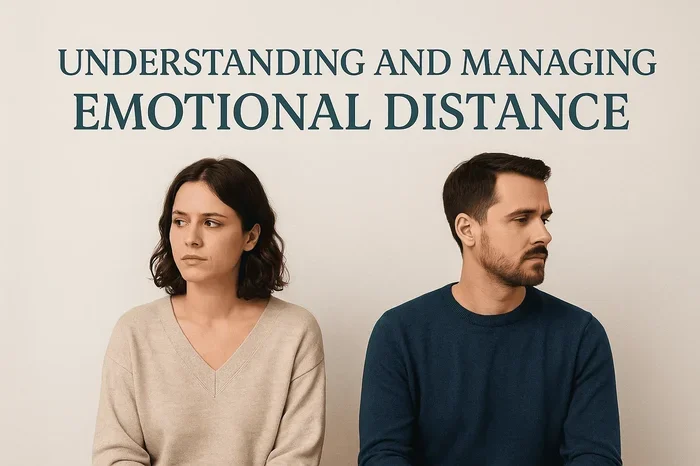
Avoidants crave deep connection but fear it at the same time. Understanding what do avoidants want in a relationship starts with recognizing their need for emotional safety and personal space. This guide breaks down the hidden desires of avoidant partners and gives you practical steps to build a stronger, healthier bond.
Have you ever wondered why your partner pulls away just when things start to feel real? You are not alone. Many people find themselves confused by a partner who seems to want love but also fights against it every step of the way. Understanding what do avoidants want in a relationship is the first step toward building a connection that actually lasts.
Avoidant attachment is one of the most common attachment styles identified in modern psychology. It shapes how people show love, handle conflict, and respond to emotional closeness. The truth is, avoidants deeply desire meaningful bonds. But their fear of losing themselves in someone else creates a painful push-pull cycle. This article will walk you through exactly what avoidants want, why they behave the way they do, and how you can create a secure relationship with them.
Key Takeaways
- Avoidants want closeness but fear vulnerability: They desire deep bonds but protect themselves through emotional distance.
- Personal space is non-negotiable: Giving an avoidant partner room to breathe builds trust and reduces their defensiveness.
- Consistency and reliability win their heart: Avoidants need steady, predictable behavior to feel safe opening up.
- Pushing too hard backfires: The more you chase an avoidant, the more they pull away from the relationship.
- Self-awareness accelerates healing: Understanding your own attachment style helps you navigate avoidant dynamics with patience.
- Small steps create big progress: Tiny moments of emotional honesty matter more than grand gestures for avoidant partners.
- Professional support can help both partners: Therapy and emotional needs work improve avoidant relationship outcomes significantly.
📑 Table of Contents
- What Is an Avoidant Attachment Style?
- What Do Avoidants Really Want in a Relationship?
- Why Avoidants Push People Away
- How to Build Trust with an Avoidant Partner
- Signs You Are Dating an Avoidant
- Can Avoidants Change? What You Need to Know
- Common Mistakes People Make with Avoidant Partners
- Final Thoughts on What Avoidants Truly Want
What Is an Avoidant Attachment Style?
Before we dive into what avoidants want, let us understand where they come from. Attachment theory explains how early childhood experiences shape our adult relationship patterns. People develop different styles based on how their caregivers responded to their emotional needs as children.
An avoidant attachment style forms when a child learns that depending on others is unsafe. Maybe their caregiver was emotionally unavailable. Perhaps they were told to “toughen up” or “stop crying.” Over time, the child adapts by suppressing their emotional needs. They learn to self-soothe and rely on themselves instead of others.
In adulthood, this shows up as emotional independence that looks like strength on the surface. But underneath, avoidants often carry deep attachment wounds. They long for connection but have learned to protect themselves through emotional walls. Understanding this background helps you see that avoidant behavior is not about not caring. It is about being afraid of what caring too much might cost them.
The Two Types of Avoidant Attachment
Not all avoidants are the same. There are two main types you should know about.
- Dismissive avoidant: This person values independence above almost everything else. They may seem cold or detached. They genuinely prefer spending time alone and often downplay the importance of romantic bonds.
- Fearful avoidant: Also called disorganized attachment, this type wants closeness but fears it at the same time. They experience intense intimacy issues and often oscillate between wanting to be near someone and wanting to run away.
Both types share a core fear: losing their sense of self in a relationship. This fear drives many of the behaviors that frustrate their partners. Recognizing which type your avoidant partner is can help you respond with more empathy and patience.
What Do Avoidants Really Want in a Relationship?
Here is the surprising truth. What do avoidants want in a relationship? They want almost the same things everyone else does. They want love, safety, and connection. But the way they go about seeking these things looks very different from what most people expect.
Emotional Safety Without Pressure
Avoidants crave a partner who makes them feel safe without being overwhelming. They do not want someone who constantly checks in or demands emotional proof of love. Instead, they want a steady, calm presence that respects their need for space. When they feel pressured to share feelings before they are ready, they shut down.
Think of it this way. Imagine someone gently leaving a door open for you. You can walk through it whenever you are ready. You are never forced. That is what emotional safety feels like for an avoidant partner. It is the opposite of being pushed through a door that feels too narrow and scary.
Respect for Their Independence
Avoidants deeply value their autonomy. They want a partner who understands that needing time alone is not a rejection. When you respect their emotional independence, you signal that you trust them. This trust is the foundation of everything an avoidant needs to feel secure.
Many partners misunderstand this need for space. They take it personally and respond with anxiety or pursuit. This only confirms the avoidant’s belief that closeness leads to losing themselves. Giving genuine respect for their alone time is one of the most powerful things you can do.
Honest, Low-Pressure Communication
Avoidants do not want heavy emotional conversations that feel like interrogations. They prefer low-pressure communication where they can share at their own pace. Small, honest check-ins work far better than intense heart-to-heart sessions.
For example, instead of asking “What are you feeling right now about us?” try something lighter like “I enjoyed our time together today.” This kind of message opens the door without forcing the avoidant partner to walk through it before they are ready. Regular gentle check-ins can also create a rhythm of emotional honesty that feels safe over time.
A Partner Who Does Not Chase
This might sound counterintuitive, but avoidants want a partner who does not chase them. When you pursue an avoidant too aggressively, they interpret it as a threat to their autonomy. The more you push, the more they retreat into their self-protection mode.
What they actually want is a partner who is secure enough to let them breathe. Someone who has their own life, interests, and emotional needs. This kind of balance creates the healthy relationship dynamics that allow an avoidant to slowly let their guard down.
Why Avoidants Push People Away
If avoidants want love and connection, why do they so often sabotage it? The answer lies in their deep-rooted fear of vulnerability. Understanding this pattern is essential if you want to know what do avoidants want in a relationship on a deeper level.
The Fear of Losing Control
Avoidants associate emotional closeness with a loss of control. When they start to feel deeply connected to someone, their brain triggers a warning signal. They fear that depending on another person will make them weak or exposed. So they create distance as a form of emotional regulation.
This distance is not a strategy to hurt you. It is a survival mechanism that developed long before you entered the picture. The avoidant partner is simply replaying an old pattern. They do not even always realize they are doing it.
The Push-Pull Cycle
Many avoidant relationships follow a predictable cycle. The avoidant partner moves closer during the early stages of bonding. The excitement and novelty feel safe. But as the relationship deepens and real emotional intimacy enters the picture, the avoidant starts to pull away.
This push-pull pattern can be incredibly painful for the other partner. It often leaves the non-avoidant feeling confused, rejected, and anxious. Understanding that this cycle is driven by fear, not by a lack of love, can help you respond with compassion instead of frustration.
How Past Relationships Reinforce Avoidant Behavior
Every relationship an avoidant has reinforces their existing beliefs. If a past partner was too clingy or controlling, the avoidant learns that closeness equals danger. If a past partner violated their boundaries, they become even more guarded. Over time, these experiences build thick emotional walls that feel impossible to break through.
This is why patience is so critical. You cannot dismantle years of self-protection overnight. But consistent, respectful behavior can slowly chip away at those walls. The key is to never take the retreat personally.
How to Build Trust with an Avoidant Partner
Building trust with an avoidant partner requires a specific approach. Traditional relationship advice often does not work because it assumes both partners are comfortable with high emotional intensity. Here is what actually works.
Lead with Consistency
Avoidants are hyper-aware of inconsistency. If your behavior is unpredictable, they will interpret it as unsafe. Being consistent in your words and actions is the single most powerful trust-building tool you have. Show up when you say you will. Follow through on promises. Be reliable without being demanding.
Over time, this consistency proves to the avoidant that you are a safe presence. It slowly rewires their belief that depending on others leads to disappointment or control.
Practice Active Listening Without Fixing
When an avoidant partner does open up, your response matters enormously. Resist the urge to fix their problems or offer solutions right away. Instead, practice active listening. Reflect back what you hear. Validate their feelings without judgment.
This approach signals that you can handle their emotions without trying to change them. For someone with an avoidant attachment style, this is profoundly healing. It shows them that vulnerability does not equal burden.
Set Healthy Bound Together
Boundaries are essential in any relationship, but they are especially important with avoidant partners. Work together to define what each of you needs in terms of space, communication, and emotional expression. When boundaries are mutual and respected, avoidants feel emotionally secure enough to gradually open up.
Healthy boundaries also protect you from burnout. You can show up for your avoidant partner without losing yourself in the process. This balance is what makes long-term relationship success possible.
Signs You Are Dating an Avoidant
Recognizing avoidant behavior early can save you a lot of heartache. Here are common signs that your partner may have an avoidant attachment style.
- They pull away when things get serious: Just as the relationship deepens, they start creating distance or finding reasons to spend time apart.
- They rarely share deep emotions: Conversations tend to stay surface-level. When you try to go deeper, they deflect or change the subject.
- They value independence above all else: They pride themselves on not needing anyone and may criticize partners who do have needs.
- They seem fine when you are upset: Avoidants often appear emotionally detached during conflict. This is not because they do not care. It is because they have learned to suppress their emotional responses.
- They have a history of short relationships: Many avoidants have a pattern of ending relationships just before they become too emotionally intimate.
If you recognize these signs in your partner, remember that their behavior is not a reflection of your worth. It is a reflection of their internal emotional landscape and past experiences. Understanding this distinction is crucial for maintaining your own emotional health while supporting your partner.
Can Avoidants Change? What You Need to Know
The short answer is yes, avoidants can change. But change requires awareness, effort, and the right kind of support. Simply hoping your partner will change is not a strategy. Understanding the process gives you realistic expectations and protects you from disappointment.
The Role of Self-Awareness
Change begins when the avoidant partner recognizes their patterns. Many avoidants do not realize they have an attachment style that causes problems. Once they become self-aware, they can start to notice when they are pulling away and choose a different response.
Self-awareness is not something you can force on someone. You can model it by being open about your own feelings and needs. Over time, this modeling can inspire your partner to reflect on their own behavior.
Why Therapy Helps
Therapy is one of the most effective tools for addressing avoidant attachment patterns. A skilled therapist can help the avoidant partner explore their attachment wounds in a safe environment. They can learn new ways to relate to emotional closeness without feeling threatened.
If your partner is willing to try therapy, it is a very positive sign. It shows they are taking the relationship seriously and are committed to personal growth. Even individual therapy can create meaningful shifts in how an avoidant relates to their partner.
What You Can Do While Waiting
While your partner works on their growth, you have a role too. Focus on your own emotional regulation and healing. Understand your own attachment style and how it interacts with your avoidant partner’s. The more secure you become within yourself, the less triggered you will be by their distance.
Working on yourself also models healthy emotional behavior. Sometimes seeing a partner who is confident, grounded, and emotionally honest inspires the avoidant to mirror that energy. Change often happens through example rather than instruction.
Common Mistakes People Make with Avoidant Partners
Navigating a relationship with an avoidant is challenging, and many well-meaning partners make mistakes that push them further away. Here are the most common ones to avoid.
- Chasing them when they pull away: This triggers their fear of losing autonomy and makes them retreat even more.
- Taking their distance personally: Remember, their behavior is about their internal world, not about your value as a partner.
- Over-explaining or over-sharing: Flooding an avoidant with emotional demands creates pressure and resistance.
- Ignoring your own needs: Sacrificing your emotional health to accommodate an avoidant partner leads to resentment and burnout.
- Assuming they do not care: Avoidants often express love in subtle ways. Learning to recognize their unique love language can shift your perspective.
Avoiding these mistakes does not mean being passive. It means being strategic about how you show love and set boundaries. The goal is to create a relationship where both partners feel respected and valued.
Final Thoughts on What Avoidants Truly Want
So what do avoidants want in a relationship? They want what everyone wants. They want to be seen, heard, and loved. But they need it delivered in a way that respects their fear of vulnerability. They need a partner who is patient, consistent, and secure enough to give them breathing room.
Understanding what do avoidants want in a relationship transforms your entire approach to love and connection. Instead of reacting to their distance with anxiety, you can respond with compassion. Instead of feeling rejected by their walls, you can see them as protection that is slowly coming down.
The journey with an avoidant partner is not always easy. But it can be deeply rewarding for both people. When you learn to meet them where they are, you build a bond rooted in genuine trust and mutual respect. And that kind of connection has the power to heal old wounds for both partners. If you are struggling with relationship uncertainty, remember that not knowing what to do is completely normal. Growth takes time for both of you.
Start by taking care of your own emotional needs first. You cannot pour from an empty cup. And if you ever feel lost, know that understanding your partner’s attachment style is one of the most powerful gifts you can give your relationship. The path forward is not about changing your partner. It is about creating a space where both of you can feel safe enough to be fully yourselves.
Frequently Asked Questions
What do avoidants want most in a relationship?
Avoidants want emotional safety, personal space, and a partner who does not pressure them to be vulnerable before they are ready. They desire deep connection but need it to unfold at their own pace. Consistency and reliability from their partner matter more than grand romantic gestures.
Why do avoidants pull away when things get serious?
Avoidants pull away because emotional closeness triggers their fear of losing independence or control. This behavior comes from early childhood experiences where depending on others felt unsafe. It is not a reflection of how they feel about you. It is a protective response rooted in their attachment style.
Can an avoidant partner become more emotionally open over time?
Yes, avoidants can become more open with patience, consistency, and self-awareness. Therapy is especially helpful for addressing deep attachment wounds. When the avoidant partner feels genuinely safe and not pressured, they gradually lower their emotional walls.
How should you respond when an avoidant partner goes silent?
Resist the urge to chase or demand answers. Instead, give them space without withdrawing your warmth. Send a brief, caring message that shows you are available but not forcing a conversation. This approach respects their need for emotional regulation while keeping the door open.
What is the difference between an avoidant and someone who is just not interested?
An avoidant often shows mixed signals. They may initiate contact one day and withdraw the next. Someone who is not interested tends to show consistent disconnection and lack of effort. Avoidants want the relationship but struggle with the emotional intensity it brings.
How long does it take to build trust with an avoidant partner?
There is no fixed timeline. Building trust with an avoidant partner takes months or even years of consistent, patient behavior. Small daily actions matter more than big declarations. The process cannot be rushed, but the results are deeply meaningful when both partners commit to growth.
