
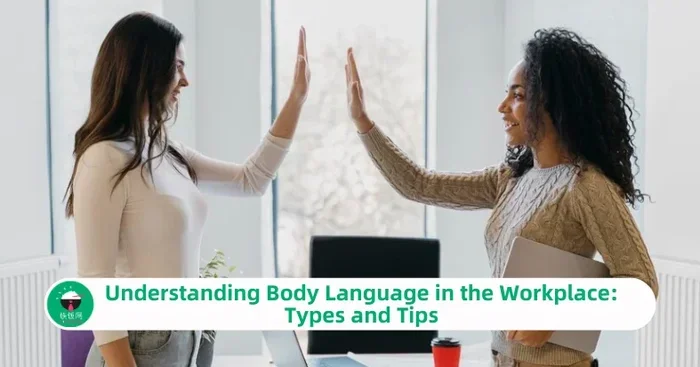
Your body speaks before you do. Understanding female body language at the work place dos and donts helps you project confidence, build trust, and navigate professional spaces with ease. This guide breaks down simple habits that make a big impact. You will learn what to do, what to avoid, and how small shifts in posture and gestures can change how colleagues and leaders perceive you.
Have you ever walked into a meeting and felt like everyone already had an opinion about you before you spoke? That is the power of female body language at the work place dos and donts. Your posture, gestures, and facial expressions send quiet signals long before your first sentence. The good news is that you can learn to control these signals. You do not need to act like someone else. You just need to show up as a calm, clear, and confident version of yourself.
Many professionals worry about coming across as too soft, too stiff, or too intense. These worries are common. The truth is simpler. People respond to warmth, clarity, and steady presence. When your body matches your words, you build trust faster. When your body fights your words, people get confused. This guide walks you through the everyday habits that help you look prepared, approachable, and ready to contribute.
Think of this as a practical playbook, not a rigid rulebook. You will find clear dos and donts, real workplace examples, and quick fixes you can use today. Whether you are new to an office, leading a team, or simply wanting to feel more at ease in meetings, these tips will help you show up with more confidence and less second-guessing.
Key Takeaways
- Posture matters: Stand tall with relaxed shoulders to signal confidence and openness.
- Eye contact builds trust: Hold gaze for 3-5 seconds, then naturally look away to avoid staring.
- Hands show intent: Keep palms visible and use calm, controlled gestures to appear honest and focused.
- Personal space counts: Respect boundaries and mirror comfortable distances to create rapport.
- Avoid closed signals: Crossed arms, fidgeting, and constant phone checking can read as disinterest or stress.
- Match the room: Adjust your energy and gestures to fit meetings, casual chats, and formal presentations.
- Practice daily: Small, consistent tweaks beat big changes. Record yourself or ask a trusted colleague for feedback.
📑 Table of Contents
- Why Female Body Language At The Work Place Dos And Donts Matter
- The Core Dos For Confident Workplace Presence
- The Common Donts To Avoid Mixed Signals
- How To Read The Room And Adjust In Real Time
- Body Language For Meetings, Presentations, And One-On-Ones
- Building A Habit That Feels Natural And Authentic
- Common Mistakes And How To Fix Them
- Expert Insights And Key Takeaways
- Conclusion
Why Female Body Language At The Work Place Dos And Donts Matter
Your body is part of your professional brand. Before you share an idea, your stance, gaze, and hand movements shape how people receive you. This is why female body language at the work place dos and donts matter so much. They help you avoid mixed signals and create a steady, positive impression.
Workplaces are social spaces. We read each other all day long. A nod says “I follow.” A smile says “I am open.” A slouched seat can say “I am tired or checked out.” None of these signals are good or bad on their own. Context matters. A relaxed lean can feel friendly in a casual chat, but the same lean may look too casual in a formal review. Learning the difference helps you adapt without losing your authenticity.
There is also a practical side. Clear body language reduces friction. When you look engaged, people are more likely to listen. When you look calm, tense moments cool down faster. When you use open gestures, coworkers feel safer sharing their own ideas. Over time, these small moments add up to better relationships and more opportunities to contribute.
The Hidden Messages You Send Every Day
Every movement carries a hint. Here are a few common signals people notice right away:
- Posture: Upright and relaxed reads as alert and confident. Slouching can read as low energy or discomfort.
- Gaze: Steady, friendly eye contact shows attention. Constant staring feels intense. Looking away too often can seem distracted.
- Hands: Open palms suggest honesty and ease. Hidden hands or rapid fidgeting can suggest nervousness.
- Face: A soft expression and small smiles make you approachable. A tight jaw or constant frown can create distance.
- Space: Respecting personal distance shows social awareness. Leaning in too close too fast can make others uncomfortable.
These signals do not define your worth or your skills. They simply shape first impressions and everyday interactions. The goal is not perfection. The goal is clarity.
How Nonverbal Cues Shape First Impressions
People form quick judgments, and that is normal. In the first few seconds, they notice whether you seem comfortable, whether you are paying attention, and whether you feel safe to approach. That is why female body language at the work place dos and donts are so useful. They help you align your nonverbal cues with the message you actually want to send.
Imagine two people entering a conference room. One walks in with steady steps, a neutral-to-warm face, and hands resting naturally. The other rushes in, keeps eyes on the table, and crosses arms tightly. Both may be equally talented. But the first person feels easier to talk to. The second may seem guarded or rushed, even if that is not the case.
You can shift this dynamic with small changes. Stand with your weight balanced. Keep your shoulders soft. Make room for natural eye contact. These choices are simple, but they change how others experience you.
The Core Dos For Confident Workplace Presence
Now let’s get practical. Here are the dos that help you look calm, capable, and open. These habits work in offices, remote calls, client meetings, and casual hallway chats.
Stand And Sit With Grounded Posture
Good posture is not about stiffness. It is about balance. When you stand, place your feet comfortably apart and keep your weight even. Let your shoulders drop, not rise toward your ears. When you sit, choose the back of the chair and keep your spine tall without forcing it. This tells people you are present and ready.
A grounded posture also helps you feel more steady. When your body is balanced, your voice tends to sound clearer. You breathe better. You think clearer. That matters when you need to answer a tough question or share an idea in a noisy room.
Use Calm, Open Hand Gestures
Hands can support your message when they stay relaxed and purposeful. Try these habits:
- Keep your hands visible when you can. Hidden hands can make people wonder what you are holding back.
- Use slow, clear movements to emphasize a point. Fast, random motion can distract.
- Rest your hands when you are listening. You do not need to keep moving to seem engaged.
- Avoid pointing directly at people in a sharp way. A gentle open-hand gesture feels more collaborative.
Open gestures make you seem more approachable. They also help you sound less rehearsed and more conversational.
Maintain Friendly, Balanced Eye Contact
Eye contact is one of the fastest ways to build connection. You do not need to stare. You just need to show attention. A good rhythm is to look at the person, listen, then glance away naturally as you think or speak. Come back to their eyes again in a steady, relaxed way.
If direct gaze feels uncomfortable at first, try this: look at the space between the eyes or near the nose bridge. From the other person’s view, it still feels like eye contact. This small trick can help you stay calm while still connecting.
Smile With Purpose, Not Pressure
A smile can warm up a room. It says you are friendly and open to interaction. But a smile works best when it feels natural. Forced grinning can feel odd and exhausting. Instead, aim for a soft, genuine expression that matches the moment. A small smile during a greeting, a nod during a good point, and a relaxed face during serious topics all work well.
Remember that warmth is not the same as agreement. You can be kind and still hold a clear boundary. Your face can show respect without saying yes to everything.
Mirror the Room Without Copying It
Mirroring means matching the general energy of the space in a subtle way. If the team is quiet and focused, you do not need to be loud and animated. If the mood is lively and informal, you can relax your tone and gestures a bit. This helps you fit in without losing yourself.
The key is subtlety. Small adjustments in pace, volume, and posture can make you feel more in sync with the group. That sense of fit often makes people more comfortable around you.
The Common Donts To Avoid Mixed Signals
Even well-meaning people send unclear signals sometimes. These donts are not about being perfect. They are about avoiding habits that confuse people or make you seem distant, tense, or distracted.
Do Not Lock Your Body Into Closed Positions
Crossed arms, hunched shoulders, and turned-away hips can read as defense, even when you are just comfortable or cold. If you tend to cross your arms while thinking, try resting your hands in your lap or on the table instead. If you need to hold something, hold it loosely and keep your upper body facing the group.
Closed positions are not always a problem. Sometimes people need a bit of physical comfort. The issue is when closed positions become your default in every meeting. That can make you look unavailable, even if you are not.
Do Not Fidget Or Over-Gesture
Small movements are normal. Constant motion is different. Clicking a pen, shaking a leg, touching your face again and again, or waving your hands without pause can pull attention away from your words. It can also signal stress, even when you feel fine internally.
If you notice restless habits, give your hands a job. Hold a notebook. Rest your hands on the table. Use one clear gesture per idea. This creates a calmer rhythm for you and the people watching you.
Do Not Check Your Phone Or Screen Constantly
Nothing says “I am elsewhere” faster than repeated phone checks. Even a quick glance every few minutes can make people feel ignored. If you are waiting for an urgent message, say so at the start. Then keep the phone out of sight as much as possible.
On video calls, the same rule applies. Looking at other tabs too often breaks the sense of presence. If you need to take notes, let people know. That way, your gaze shifts feel intentional, not dismissive.
Do Not Use Sharp Or Aggressive Gestures
A sudden chop of the hand, a loud tap on the table, or a pointed finger can feel confrontational. Even if you are simply excited or passionate, strong sharp motions can raise tension. Try smoother movements instead. Keep your pace steady. Let your voice carry the emphasis, not your hands.
This does not mean you cannot be firm. You can be clear and strong with calm gestures and a steady tone. Power does not have to look aggressive to be effective.
Do Not Ignore Personal Space And Cultural Cues
Personal space is not the same for everyone. Some people like to stand close during a chat. Others need more room. Some cultures use more touch or closer distance in normal conversation. Others prefer more distance. The safest approach is to start with a respectful distance, then adjust slowly based on the other person’s comfort.
If you are unsure, watch for signs. If the person leans back, crosses arms, or steps away, give a bit more space. If they lean in and stay relaxed, you can stay where you are. This kind of awareness is a big part of female body language at the work place dos and donts because it helps you read the room without guessing.
How To Read The Room And Adjust In Real Time
Good body language is not a fixed pose. It is a response. The best professionals notice what is happening and adjust in small ways. This section shows you how to stay flexible without feeling fake.
Notice Group Energy Before You Speak
When you enter a space, pause for a moment. Look at the pace of the conversation. Is it fast or slow? Is the mood serious or light? Are people leaning in or sitting back? These clues tell you how to place yourself.
If the room is tense, lower your speed a little and keep your face calm. If the room is casual, you can relax your shoulders and use a warmer tone. Matching the energy helps you connect faster.
Watch For Comfort Signals From Others
People show comfort in simple ways. They may face you directly, nod, mirror your posture, or keep a relaxed gaze. They may also show discomfort by looking away often, shrinking back, or creating distance. Use these clues as gentle feedback, not as a verdict.
If you see discomfort, do not panic. Just adjust. Step back a little. Soften your voice. Reduce your hand motion. Give the other person room to breathe. Small corrections often fix the vibe quickly.
Use Micro-Adjustments Instead Of Big Changes
You do not need to overhaul your whole style in one day. Try tiny shifts:
- Lower your shoulders by one notch.
- Slow your speech by one beat.
- Rest your hands for five seconds before moving again.
- Make one extra second of eye contact, then look away naturally.
These micro-adjustments are easier to sustain. They also feel more natural because they are subtle. Over time, they become habits that support your confidence.
Body Language For Meetings, Presentations, And One-On-Ones
Different settings call for different signals. A boardroom, a team huddle, and a private check-in all have their own rhythm. Here is how to adapt while staying authentic.
In Group Meetings
Group settings can feel busy. People talk over each other. Ideas move fast. Your body can help you stay clear and included.
- Sit or stand where you can see the whole group, not just one person.
- Turn your torso toward the speaker when listening.
- Use small nods to show you follow the conversation.
- When you speak, look around the room, not just at one friendly face.
- Keep your hands relaxed on the table or in your lap when you are not emphasizing a point.
If you want to speak up but feel overshadowed, use a steady posture and a clear voice. You do not need to rush. A calm start often earns more attention than a hurried one.
During Presentations
Presentations ask for a bit more presence. You are leading the room, even if only for a few minutes. That means your body should say “I know where I am going.”
Start with a grounded stance. Keep your feet stable. Use open gestures to invite people into your ideas. Move with purpose, not pacing. If you use slides, face the audience often instead of talking to the screen. When you need to think, pause and breathe instead of shuffling or fidgeting.
A useful habit is to practice your opening minute. The first moments set the tone. If you begin with steady eye contact and a clear voice, the rest usually feels easier.
In One-On-One Conversations
Private chats allow more intimacy and more focus. Here, your body should say “I am with you.” Face the person directly. Keep your gaze soft and attentive. Avoid multitasking gestures like checking a watch or glancing at your laptop too often.
If the conversation gets sensitive, slow down. Give a little more space between your words. Keep your hands still. This signals respect and helps the other person feel safe enough to speak honestly.
If you are the one delivering feedback, stay calm and even. A relaxed face and steady tone make hard messages easier to hear. That is one of the most useful parts of female body language at the work place dos and donts: it helps you handle tough moments with more grace.
Building A Habit That Feels Natural And Authentic
The best body language is the kind you do not have to think about all day. You want habits that feel like you, only a little clearer and more confident. Here is how to build them without turning into a robot.
Start With One Or Two Changes
Do not try to fix everything at once. Pick one do and one dont. For example, you might work on open hands and reduce phone checking. Or you might focus on grounded posture and softer eye contact. Small wins build momentum.
After a week, notice what feels easier. Then add another tiny habit. This slow approach works better than a big overnight makeover.
Practice In Low-Stakes Moments
You do not need a big presentation to practice. Try your new habits in a coffee run, a quick check-in, or a team chat. Low-pressure moments are perfect because mistakes matter less. You can experiment and learn without stress.
If you want a stronger practice loop, record yourself on a video call once in a while. Watch your posture, gaze, and hand movement. You will notice things you miss in the moment. That feedback is gold.
Keep Your Authentic Voice In The Room
Body language should support your personality, not erase it. If you are quiet by nature, you do not need to become loud. If you are expressive, you do not need to flatten yourself. Aim for alignment. Let your body carry the same message as your words.
Authenticity builds trust. People can sense when you are performing. They can also sense when you are simply showing up with care and clarity. That is the real goal.
Quick Tips To Keep In Mind
- Breathe first: A slow breath lowers tension and smooths your movement.
- Uncross often: If you catch yourself closed off, open up a little.
- Slow down: A steadier pace makes you look more confident.
- Face people: Turning toward the speaker shows respect and attention.
- Use pauses: A brief pause feels strong, not awkward.
Common Mistakes And How To Fix Them
Even with good intentions, it is easy to slip into habits that send the wrong message. Here are a few common mistakes and simple fixes.
Mistake: Appearing Stiff Or Over-Controlled
Some people overcorrect and become too rigid. That can make you look tense, not confident. The fix is to soften. Drop your shoulders. Loosen your grip on objects. Let your hands rest between gestures. Confidence can be calm.
Mistake: Overdoing Friendliness
Warmth is great, but too much can blur boundaries. If you smile constantly, nod too much, or lean in too far, people may not know when you are serious. The fix is variety. Use a relaxed face for normal moments and a more neutral face for serious ones.
Mistake: Reading Body Language Too Harshly
Do not turn every glance away into a personal rejection. People look away when they think, when they are tired, or when they are distracted. Context matters. Instead of assuming the worst, look for patterns. If someone is consistently distant, adjust your approach or ask a direct, kind question later.
Mistake: Ignoring Your Own Comfort
Your body language should not come at the cost of your comfort. If you are in pain, exhausted, or anxious, your signals will reflect that. Take care of the basics first. Sit in a supportive chair. Take breaks. Drink water. A more comfortable body usually sends clearer signals.
Expert Insights And Key Takeaways
Experts in communication often say the same thing: people believe what they see before they hear what you say. That is why female body language at the work place dos and donts are not about performance. They are about alignment. When your posture, gaze, and gestures match your intent, people understand you faster.
Here are the most important points to carry with you:
- Open and grounded beats perfect: You do not need flawless posture. You need steady, relaxed presence.
- Small signals matter: A nod, a pause, or a softer gaze can change the tone of a conversation.
- Context is king: Adjust to the room without losing your core style.
- Avoid extremes: Too closed feels guarded. Too animated can distract. Aim for balanced.
- Practice beats pressure: Build habits in low-stakes moments, then carry them into bigger ones.
If you want a little extra support, you can explore related topics like dos and donts on first date tips for reading social cues, or how to deal with miscommunication and different love languages when you want to strengthen everyday connection. These resources can help you understand how people send and receive signals in different settings.
You can also look into the meaning of platonic friendship and why it matters if you want to build healthier professional relationships, or why stonewalling is the most overlooked form of emotional abuse if you want to recognize when silence becomes harmful instead of healthy.
Conclusion
Mastering female body language at the work place dos and donts is really about learning to show up with clarity. You do not need to be loud, perfect, or someone else. You need to be present, open, and aware. Stand tall without stiffness. Make friendly eye contact without staring. Use calm hand gestures. Avoid the habits that make you look distracted or closed off. Adjust to the room, but keep your authentic voice.
The best part is that this skill grows with practice. Start small. Notice what works. Tweak one habit at a time. Over time, your body will start to support your goals instead of fighting them. That is when you will feel the real shift: less guessing, more confidence, and stronger connections at work.
Frequently Asked Questions
What are the most important female body language dos at work?
Focus on grounded posture, open hands, steady eye contact, and a warm but natural face. These signals help you appear calm, confident, and easy to work with.
What body language mistakes make me look unapproachable?
Crossed arms, constant phone checking, fidgeting, and a tight or distracted expression can make you seem closed off or disinterested. Small adjustments like uncrossing your arms and slowing your movements can help a lot.
How much eye contact is too much in professional settings?
Aim for a balanced rhythm. Hold gaze long enough to show attention, then look away naturally when you think or speak. If staring feels uncomfortable, soften your focus and break gaze briefly between thoughts.
Should I change my body language on video calls?
Yes, but keep it simple. Sit tall, look at the camera when you speak, and reduce distractions around you. On camera, small facial expressions and steady gaze matter even more than in person.
How can I look confident without seeming aggressive?
Use calm posture, smooth gestures, and a steady voice. Confidence does not need sharp movements or a hard expression. You can be firm and still remain respectful and warm.
How long does it take to improve my workplace body language?
You can notice small changes right away, especially if you focus on one habit at a time. Real consistency usually takes a few weeks of practice in everyday meetings and conversations.
