

Paying just $100 extra on your mortgage monthly can save you thousands in interest over time. This simple strategy reduces your principal balance faster and helps you own your home sooner. Small changes often lead to big financial freedom results.
Many homeowners dream of being debt-free. They want to own their homes outright. One common question arises often. People ask, if I pay 100 extra on my mortgage, will it matter? The short answer is yes. It matters a lot. Small amounts add up over time. This strategy is called principal prepayment. It helps you save money. It also helps you finish paying sooner.
You might feel stuck with a thirty-year loan. That feels like a long time. Life changes often happen too. Jobs change. Families grow. You might want to free up cash flow. Paying extra helps with that. It reduces your monthly burden eventually. You gain financial freedom faster. Let us explore how this works. We will look at the math. We will look at the benefits. You will learn if this fits your budget.
Key Takeaways
- Principal Reduction: Extra payments go directly toward the loan balance, not interest.
- Interest Savings: Paying down principal early reduces total interest paid over the loan life.
- Shorter Term: Consistent extra payments can shave years off your mortgage timeline.
- Equity Building: You build home equity faster with additional principal contributions.
- Flexibility: You can usually stop extra payments anytime without penalty.
- Budget Check: Ensure you have an emergency fund before committing extra cash.
- Lender Rules: Confirm your lender applies extra funds to principal, not future interest.
📑 Table of Contents
Understanding How Mortgage Payments Work
To understand the benefit, you must know the basics. A mortgage payment has parts. It is not just one thing. Most payments cover four areas. These are principal, interest, taxes, and insurance. This is often called PITI. The principal is the loan amount. The interest is the cost of borrowing. Taxes and insurance go into escrow.
In the beginning, most of your money goes to interest. This is how amortization works. The bank gets paid first. Your balance goes down slowly at first. Later, more money goes to principal. This shift happens over many years. Making extra payments changes this schedule. You force the balance down faster. This saves you money on interest.
The Role of Principal vs. Interest
Think of your loan like a tree. The principal is the trunk. The interest is the leaves. You want to cut the trunk. If you pay only the minimum, you trim leaves. The trunk stays big for a long time. Extra payments chop at the trunk. A smaller trunk means less interest grows. This is the core benefit. You reduce the base amount owed.
Interest calculates on the remaining balance. If the balance is lower, the interest is lower. This creates a snowball effect. Your next payment has even less interest. More of your regular payment goes to principal. Then your extra payment hits the balance again. It works together nicely. You build equity quicker this way.
The Math: If I Pay 100 Extra on My Mortgage
Let us look at the numbers. Numbers help us see the truth. Imagine a standard loan amount. Say you owe $300,000. The interest rate is 6 percent. The term is 30 years. Your normal principal and interest payment might be around $1,800. This does not include taxes or insurance.
Visual guide about mortgage payment calculator
Image source: sourcecodester.com
Now add $100 to that payment. Your total becomes $1,900. You specify this extra $100 goes to principal. The lender applies it immediately. This reduces the balance right away. Over one year, you pay $1,200 extra. Over ten years, that is $12,000 extra. This sounds good, but the interest savings are better. You stop interest from growing on that $12,000.
Over the life of the loan, the savings grow. You might save tens of thousands of dollars. You also finish paying years earlier. Maybe you finish 3 or 4 years early. That is 36 to 48 months of freedom. You stop paying the bank entirely. You keep that $1,800 for yourself. You can invest it or spend it.
Example Calculation Scenario
Here is a simple breakdown. Suppose you start in year one. You pay an extra $100 every month. By year five, your balance is lower than expected. By year ten, the gap is wider. By year twenty, you are ahead significantly. The exact numbers depend on your rate. Higher rates mean bigger savings. Lower rates mean smaller savings. But savings still exist.
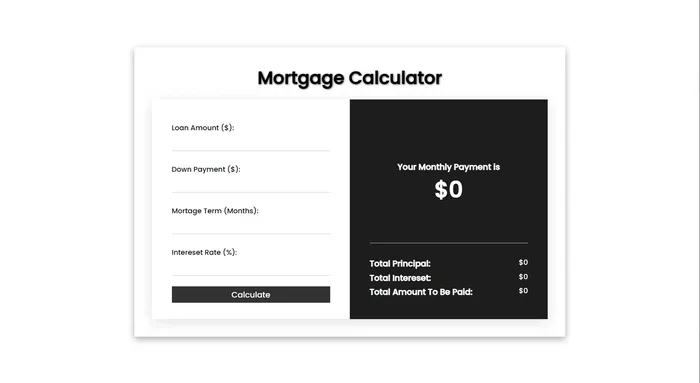
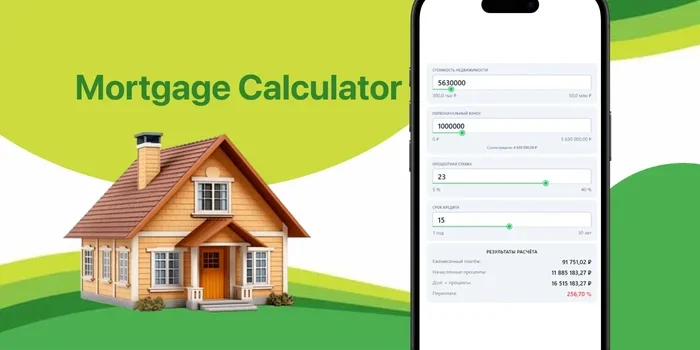
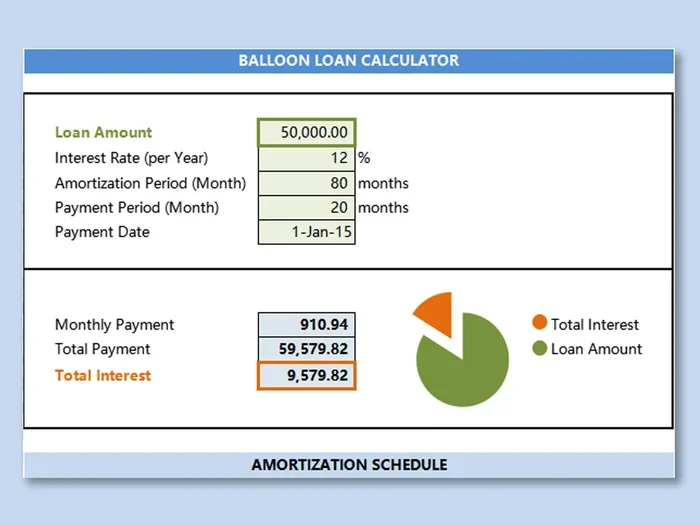
You can use an online calculator. Many banks offer these tools. You input your loan details. You add the extra payment amount. The tool shows your new payoff date. It also shows total interest saved. This helps you visualize the goal. Seeing the date motivates you. It makes the effort feel worth it.
Benefits of Paying Extra on Your Loan
There are many good reasons to do this. The biggest reason is interest savings. Interest is money you never get back. It is a cost of living in a home. Reducing this cost keeps money in your pocket. This improves your net worth. You own more of the home sooner.
Visual guide about mortgage payment calculator
Image source: repository-images.githubusercontent.com
Another benefit is psychological. Debt feels heavy. It causes stress for many people. Paying extra gives you control. You feel active in your financial life. You are not just waiting thirty years. You are taking steps now. This reduces anxiety. It builds confidence in your budget.
You also protect yourself against rate changes. Some loans have variable rates. If rates go up, your payment might rise. If you pay extra now, your balance is lower. A lower balance means less risk. You have more equity buffer. This helps if you need to sell later. You are more likely to profit from the sale.
Building Equity Faster
Equity is your ownership share. It is the home value minus the loan. High equity gives you options. You can borrow against it if needed. You can use it for renovations. You can use it for retirement. Building equity faster secures your future. It makes you more financially stable. Lenders like borrowers with high equity too.
If you face hard times, equity helps. You might need to refinance. High equity makes approval easier. It gets you better terms. It acts as a safety net. Paying extra builds this net quickly. You do not have to wait decades. You can build it in ten or fifteen years. This is powerful for family security.
Things to Consider Before You Start
You should check your budget first. Extra payments require cash flow. You must have money left over. Do not skip essentials to pay extra. Food and utilities come first. Emergency savings come next. If you have no savings, build those first. A mortgage is long-term debt. Emergencies are immediate needs.
Visual guide about mortgage payment calculator
Image source: newdocer.cache.wpscdn.com
Check your loan agreement too. Some loans have prepayment penalties. This is rare nowadays. Most modern loans allow extra payments. But you must verify this. Call your lender. Ask them specifically about principal payments. Ensure they do not just pre-pay the next month. You want the balance reduced now.
Also consider your other debts. Do you have credit card debt? That usually has higher interest. Mortgage rates are often lower. Credit cards might be 20 percent. Mortgages might be 6 percent. Mathematically, pay the credit card first. Then focus on the mortgage. This maximizes your total savings. Prioritize high-interest debt always.
Emergency Fund Priority
Life is unpredictable. Cars break down. People get sick. Jobs are lost. You need cash ready for these events. If all your extra money goes to the house, you might struggle. You could end up using credit cards. This undoes your good work. Keep a stash of three to six months. This keeps you safe. Then use extra cash for the mortgage.
Think of your money as a team. Some members protect you. Some members grow wealth. Your emergency fund protects you. Your mortgage payment grows wealth. You need both teams playing. Do not let one team starve. Balance is key to financial health. This ensures long-term success for you.
How to Make Extra Payments Correctly
You must tell the lender what to do. Do not just send more money. They might apply it to next month. You want it on the principal. Write a note with your check. Select the option online if paying digitally. Choose principal reduction specifically. Confirm the application on your statement. Check your next statement carefully.
Set up a system for consistency. You can automate this. Schedule the extra $100 with your payment. This makes it habit. You do not have to think about it. Automation removes friction. It ensures you do not forget. Consistency matters more than amount. Even small amounts help over time.
Review your progress annually. Check your amortization schedule. See how much you saved. Celebrate the milestones. This keeps you motivated. Maybe increase the amount later. If you get a raise, pay more. If you pay off a car, pay more. Adjust as your life changes. Stay flexible with your strategy.
Common Mistakes to Avoid
One mistake is forgetting to specify principal. The bank might just push your due date forward. This does not save interest. It just gives you a break next month. You want to reduce the debt. Always confirm the application. Another mistake is skipping payments later. Do not stop paying extra if you can help it. Consistency builds the biggest savings.
Do not ignore higher interest debts. As mentioned before, credit cards cost more. Pay those off first. Do not sacrifice retirement savings either. Contribute to your 401k if there is a match. That is free money. Capture the match first. Then attack the mortgage. Order your financial steps wisely. This maximizes your overall wealth growth.
Comparing Strategies: Lump Sum vs. Monthly
You have choices on how to pay. You can pay $100 every month. Or you can save up and pay once a year. A lump sum payment also works. Maybe you get a tax refund. You could put that toward the loan. Both methods reduce principal. The monthly method is easier to manage. It spreads the cost out.
A lump sum might save more interest initially. It hits the balance hard at once. But monthly payments are consistent. They change your habits. You learn to live on less. This helps long-term budgeting. Choose the method that fits your life. Consistency is the most important factor. Pick the one you will stick with.
Quick Tips for Success
- Automate payments to ensure consistency.
- Verify application to ensure principal reduction.
- Prioritize high-interest debt before extra mortgage payments.
- Maintain an emergency fund for unexpected costs.
- Review annually to track progress and adjust.
- Celebrate milestones to stay motivated.
- Communicate with lender to avoid processing errors.
Expert Insights on Mortgage Prepayment
Financial experts often suggest this strategy. They call it debt acceleration. It is a safe way to invest. Your return is the interest rate you save. If your rate is 6 percent, you earn 6 percent. This is a guaranteed return. Stock markets fluctuate. Mortgage savings are certain. This makes it a low-risk move.
However, experts also warn about liquidity. Money in the house is hard to access. You cannot spend home equity easily. You need to sell or refinance. Cash in the bank is liquid. It is available anytime. Balance your extra payments with liquid savings. Do not tie up all your cash. Keep some freedom in your budget.
Consider your life stage too. If you are near retirement, pay it off. Being debt-free in retirement is wonderful. It lowers your monthly needs. If you are young, invest more maybe. Younger people have time for growth. Older people have less time. Adjust your strategy to your age. There is no one-size-fits-all answer.
Key Takeaways for Your Decision
Deciding to pay extra is personal. Look at your full financial picture. Compare your mortgage rate to investment returns. If you can earn more investing, do that. If not, pay the mortgage. Consider the peace of mind too. Some people value being debt-free highly. Others value liquidity more. Know what you value most.
Start small if you are unsure. Try $50 instead of $100. See how it feels. Adjust your budget accordingly. You can always increase later. The goal is progress. Any extra payment helps. Do not wait for perfect conditions. Start where you are. Use what you have. Make the move today.
Conclusion
Asking if I pay 100 extra on my mortgage is a smart question. It shows you care about your financial future. The answer is clear. Yes, it helps significantly. You save on interest. You build equity faster. You finish paying years earlier. These benefits improve your life. They give you more freedom.
Remember to check your budget first. Ensure you have savings for emergencies. Make sure your lender applies the money correctly. Compare this to other debts you have. Make the choice that fits your goals. Small steps lead to big results. Your home is a major asset. Managing it well pays off. Start your plan today. Your future self will thank you.
Frequently Asked Questions
Does paying extra on my mortgage reduce my monthly payment?
No, it usually does not reduce your monthly payment. It reduces the total loan term instead. Your required monthly payment stays the same. You just pay off the loan faster. You must request recasting to lower payments.
Will I pay less interest if I pay 100 extra?
Yes, you will pay significantly less interest. Interest calculates on the remaining balance. Lower balance means less interest charged. Over time, this saves thousands of dollars. It is a guaranteed return on your money.
Can I stop paying extra if I need the money?
Yes, you can stop anytime. There are no penalties for stopping. You simply resume your normal payment. This flexibility is a big benefit. Just ensure you specify principal each time.
Should I pay extra or invest the money instead?
It depends on your interest rate. If your mortgage rate is low, investing might yield more. If your rate is high, paying extra is better. Compare the guaranteed savings to potential market gains. Consider your risk tolerance too.
How do I ensure the extra money goes to principal?
You must instruct your lender clearly. Write a note with your payment. Select the principal option online. Check your statement to confirm. Do not assume they will do it automatically.
Is it better to pay monthly or once a year?
Both methods work well for reducing debt. Monthly payments are easier to budget. Annual lump sums might save slightly more interest. Choose the method you will stick with consistently. Consistency matters most for success.
