
Yes, you can absolutely pay more than your monthly mortgage. Making extra payments reduces your loan balance faster and saves you thousands in interest. This simple strategy helps you build equity sooner and gain financial freedom. Learn how to do it smartly without hurting your budget.
Key Takeaways
- Extra payments reduce principal: Paying more lowers your loan balance directly.
- Interest savings are significant: You pay less interest over the life of the loan.
- Check for prepayment penalties: Some lenders charge fees for early payoff.
- Specify extra payment allocation: Tell your lender to apply extra funds to principal.
- Budget carefully: Ensure you have emergency savings before paying extra.
- Shorter loan term: Extra payments can help you pay off the mortgage years early.
- Tax implications exist: Deducting interest may change if you pay less interest.
📑 Table of Contents
Can You Pay More Than Your Monthly Mortgage
Owning a home is a big dream for many people. It brings stability and pride. But mortgage payments can feel heavy. Many homeowners wonder if they can speed things up. Can you pay more than your monthly mortgage? The short answer is yes. Most lenders allow extra payments. This move can change your financial future.
Paying extra is not just about being debt-free. It is about saving money. Interest adds up over time. Reducing the principal early stops interest from growing. This means more money stays in your pocket. It also builds equity faster. Equity is the part of the home you truly own.
This guide explains how it works. We will look at the benefits. We will also cover the risks. You need to know the rules before you start. Let us dive into the details of paying extra on mortgage loans.
Benefits of Paying Extra on Your Mortgage
Why would someone pay more than required? The reasons are strong. Extra payments offer clear financial advantages. Here are the top benefits of extra mortgage payments.
Visual guide about mortgage principal payment
Image source: nfmlending.com
Save Thousands in Interest
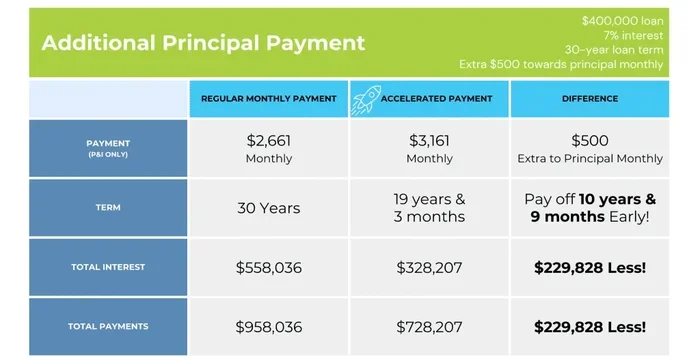
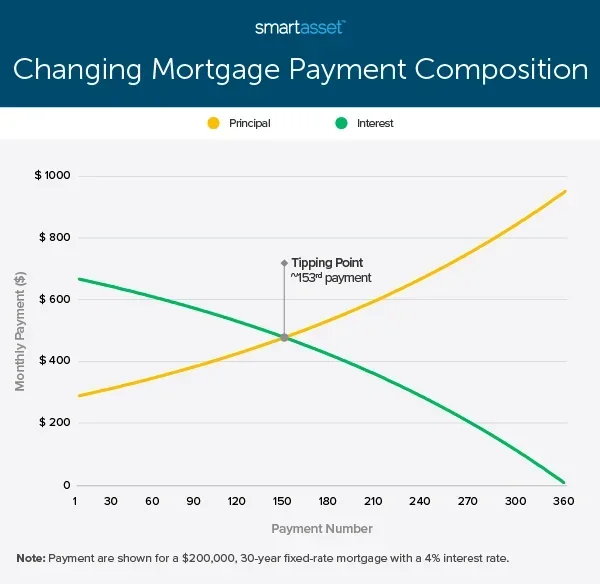
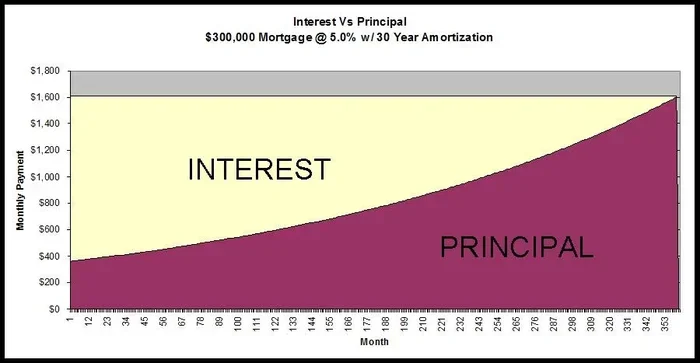
Interest is the cost of borrowing money. Over 30 years, this cost is huge. A large part of your early payments goes to interest. Only a small part reduces the loan balance. When you pay extra, you target the balance directly. This lowers the total interest charged.
For example, a $300,000 loan at 4% interest costs a lot over time. Paying an extra $100 each month can save tens of thousands. The exact amount depends on your rate and term. But the savings are real. This is one of the best mortgage payoff strategies available.
Build Equity Faster
Equity is your home’s value minus what you owe. As you pay down the loan, equity grows. Extra payments speed up this growth. Higher equity gives you more security. It also gives you more options later.
You might want to sell or refinance. High equity makes these moves easier. It can also help if you need cash. You could take out a home equity line of credit. But remember, paying off mortgage early reduces your debt load. This is often safer than taking on new debt.
Reduce Loan Term
Most mortgages last 15 or 30 years. Extra payments can shorten this time. You might finish in 20 years instead of 30. This means fewer monthly payments overall. You own the home sooner. This freedom is valuable.
Imagine having no mortgage payment in your 50s. That money can fund retirement. It can also pay for travel or hobbies. Mortgage principal reduction is the key to this timeline. Every extra dollar chips away at the end date.
Improve Cash Flow Later
Once the mortgage is gone, your monthly costs drop. You keep more of your income. This improves your cash flow. You have more flexibility in your budget. This is helpful during retirement or emergencies.
Many people aim for debt-free homeownership. It reduces stress. You do not worry about rising rates or job loss affecting your home. The peace of mind is worth the effort.
How to Make Extra Mortgage Payments
Knowing you can pay extra is one thing. Doing it correctly is another. You need a plan. Here is how to handle paying extra on mortgage accounts properly.
Visual guide about mortgage principal payment
Image source: smartasset.com
Check Your Loan Terms
Not all loans are the same. Some have rules about extra payments. Look at your original documents. Search for prepayment penalties. These are fees for paying off the loan early. They are rare now but still exist.
Also check if your loan is adjustable. If rates change, your payment might change. Extra payments still help, but the math shifts. Understand your mortgage loan options before committing. Call your lender if you are unsure.
Specify Where the Money Goes
This is a critical step. When you send extra money, the lender must know what to do. Do they apply it to next month’s payment? Or do they reduce the principal? You want the latter.
If the lender holds the extra for next month, you lose interest savings. You must instruct them to apply it to mortgage principal reduction. Write this on the check or in the online portal. Keep a record of your instruction. Follow up to confirm it was done.
Choose Your Payment Method
There are several ways to pay extra. You can increase your monthly payment. You can make one extra payment per year. You can also make lump-sum payments when you have extra cash.
- Monthly Extra: Add $50 or $100 to every payment. This is consistent and easy to budget.
- Annual Extra: Make one full extra payment each year. This often aligns with bonuses or tax refunds.
- Lump Sum: Use inheritance or windfalls to pay down the balance. This creates a big drop in principal.
Pick the method that fits your cash flow. Consistency matters most for mortgage payoff strategies.
Automate the Process
Willpower fades. Automation helps you stay on track. Set up automatic transfers for the extra amount. Treat it like a mandatory bill. This ensures you do not skip extra payments.
Many online banking tools allow this. You can schedule recurring transfers. Just make sure the extra portion is labeled correctly. Automation makes paying extra on mortgage loans a habit.
Risks and Considerations Before Paying Extra
Extra payments are not always the best choice. You must look at the whole picture. There are risks to consider. Balance your goals before you start.
Visual guide about mortgage principal payment
Image source: i.sstatic.net
Emergency Fund Priority
Life is unpredictable. Cars break down. Jobs are lost. Medical bills happen. You need cash ready for these events. Do not drain your savings to pay the mortgage.
Keep three to six months of expenses in savings. This is your safety net. If paying extra leaves you with no buffer, stop. Financial stability comes first. A paid-off house does not help if you cannot buy food.
Prepayment Penalties
As mentioned, some loans charge fees. These penalties protect the lender’s interest income. If your loan has this clause, extra payments might cost you. Read the fine print.
If a penalty exists, calculate the cost. Sometimes the penalty outweighs the interest savings. In that case, wait until the penalty period ends. This is a key part of understanding mortgage loan options.
Tax Deductions
Mortgage interest is often tax-deductible. This reduces your taxable income. If you pay less interest, your deduction shrinks. This might increase your tax bill slightly.
For many people, the standard deduction is higher now. So itemizing interest might not matter. But check with a tax pro. Paying off mortgage early could change your tax situation. It is usually a small effect, but it exists.
Opportunity Cost
Money used for the mortgage cannot be used elsewhere. Could you invest that extra cash instead? If your mortgage rate is low, investing might yield more.
For example, a 3% mortgage rate is low. The stock market might average 7% returns. In that case, investing wins mathematically. But investing carries risk. Paying off debt is a guaranteed return. Weigh your mortgage payoff strategies against investment goals.
Strategies for Paying More Than Your Monthly Mortgage
Ready to start? Here are specific strategies. These methods help you maximize the impact. Choose what fits your life.
The Biweekly Payment Plan
Instead of monthly payments, pay half every two weeks. There are 52 weeks in a year. This creates 26 half-payments. That equals 13 full payments. You make one extra payment per year without feeling it.
This is a popular mortgage payoff strategy. It aligns with many paycheck schedules. Ask your lender if they offer this service. Some charge a fee for processing biweekly plans. You can also do it yourself manually.
Round Up Your Payment
Look at your monthly payment. If it is $1,450, round it to $1,500. That extra $50 adds up. Over years, it reduces the term significantly. This is a painless way to start.
You hardly notice $50 in your budget. But the mortgage principal reduction is real. This works well for people who want a simple approach. No complex calculations are needed.
Use Windfalls Wisely
Got a tax refund? A bonus? A gift? Put it toward the mortgage. These lump sums make a big dent. They reduce the balance immediately.
This is great for debt-free homeownership goals. You do not have to change your monthly budget. You just use extra money when it arrives. Make sure to specify it goes to principal.
Refinance to a Shorter Term
If your income grew, consider refinancing. Switch from 30 years to 15 years. Your payment will go up. But the interest rate is often lower. You will pay off the loan much faster.
This is a aggressive form of mortgage principal reduction. It requires higher monthly cash flow. But it saves the most interest. Compare the costs of refinancing too. Closing costs can eat into savings.
Common Mistakes to Avoid
Many people make errors when paying extra. Avoid these pitfalls to stay on track.
Not Specifying Principal Application
This is the biggest mistake. Lenders often default to holding extra funds. They apply it to the next month’s bill. This does not save interest. Always write “apply to principal” on your payment.
Ignoring Other Debts
Mortgage debt is often cheap. Credit card debt is expensive. If you have high-interest debt, pay that first. Extra mortgage payments should not come before clearing credit cards. Prioritize high-interest obligations.
Overextending Your Budget
Do not stretch yourself too thin. If you struggle to pay bills, do not pay extra. Stress is not worth it. Focus on stability first. Financial stability allows you to pay extra later.
Stopping Too Soon
Some people pay extra for a year and stop. Consistency is key. The biggest savings come from long-term extra payments. Commit to a plan you can keep. Paying off mortgage early takes time and discipline.
Expert Insights on Mortgage Payoff
Financial experts have different views. Some say invest instead. Others say get debt-free. Here is a balanced view.
Dave Ramsey suggests paying off the home early. He believes debt is a risk. Being debt-free brings peace. Others suggest keeping the mortgage. They argue low rates are good leverage. You can invest the difference.
Both views have merit. It depends on your risk tolerance. If debt worries you, pay it off. If you want max growth, invest. There is no single right answer. Your mortgage payoff strategies should match your personality.
Also consider your age. Younger people might invest more. Older people might want less debt. Think about your life stage. Debt-free homeownership looks different for everyone.
Key Takeaways
Let us recap the main points. Paying extra is a powerful tool. It saves interest and builds equity. But you must do it wisely.
- Verify loan terms: Check for penalties first.
- Direct extra funds to principal: This is essential for savings.
- Maintain emergency savings: Do not risk your safety net.
- Compare investment options: Ensure paying extra is the best use of cash.
- Stay consistent: Regular extra payments yield the best results.
Can you pay more than your monthly mortgage? Yes, and it can be a smart move. Just ensure it fits your overall financial plan.
Frequently Asked Questions
Can I pay more than my monthly mortgage without penalty?
Most modern loans allow extra payments without fees. However, you must check your loan documents for prepayment penalties. Some older or specific loan types may charge a fee for early payoff.
Will paying extra reduce my monthly payment?
No, extra payments do not lower your required monthly payment. They reduce the loan balance and term. Your mandatory payment stays the same unless you refinance.
How much can I save by paying extra on my mortgage?
Savings depend on your interest rate and loan size. Even small extra amounts can save thousands over the loan life. Use an online calculator to see your specific numbers.
Should I pay extra on my mortgage or invest?
It depends on your interest rate and risk tolerance. If your mortgage rate is low, investing might yield higher returns. If you value security, paying off debt is a guaranteed win.
Do I need to tell my lender I am paying extra?
Yes, you should instruct them to apply the extra amount to the principal. Otherwise, they might hold it for the next month’s payment. This would not save you any interest.
Can paying extra help me pay off my mortgage years early?
Yes, consistent extra payments can shorten a 30-year loan significantly. Adding just one extra payment per year can cut years off your term. This helps you achieve debt-free homeownership faster.