
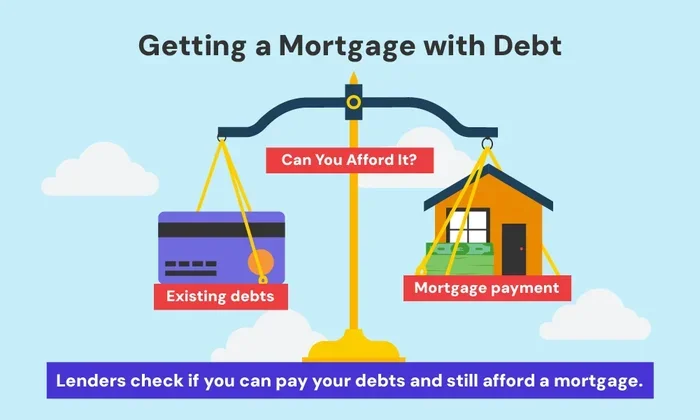
Can I get a mortgage with unpaid collections? The short answer is yes, but it depends on several factors. Lenders look at your full financial picture, not just one past debt. Small collections often cause less trouble than large or recent ones. You can still qualify by showing stable income, a solid down payment, and a plan to handle the debt. This guide explains what lenders check, how to prepare, and simple steps to boost your approval odds.
Key Takeaways
- Collections do not automatically block a mortgage. Many lenders still approve buyers with past-due accounts on their credit report.
- The size and age of the debt matter. Older and smaller collections usually hurt less than new, large balances.
- Payment history on other accounts counts a lot. On-time rent, utilities, and loan payments show you can manage money well.
- A larger down payment can help. Putting more cash down lowers the lender risk and may offset credit concerns.
- Paying or settling collections can improve your profile. Some lenders want proof that you handled the debt before closing.
- Shop multiple lenders. Different banks and loan programs have different rules about collections and credit issues.
- Keep documents ready. Pay stubs, tax forms, bank statements, and a clear explanation of the collection help the process.
Can I Get a Mortgage with Unpaid Collections?
Visual guide about mortgage application unpaid debt
Image source: moneysavingguru.co.uk
Many people worry that a collection account will stop them from buying a home. The good news is that a past-due debt does not always mean a denied loan. Lenders look at the whole picture. They check your income, your savings, your job stability, and your credit habits. A single collection is just one part of that story. If the rest of your finances look strong, you may still get approved.
It helps to understand how lenders think. They want to know if you can make the monthly payment on time. They also want to see that you handle debt in a responsible way. A collection shows a past problem, but it does not prove you will miss future payments. That is why context matters. A small medical bill from years ago is different from a large credit card balance that went to collections last month. The more recent and larger the debt, the more questions a lender may ask.
You can also take steps before you apply. Review your credit report for errors. Check that the collection is yours and that the amount is correct. If something looks wrong, dispute it. If the debt is yours, consider a plan to deal with it. Some buyers pay it off, while others set up a payment plan. Either way, showing action can help your case. It tells the lender you are serious about fixing the issue.
The loan type matters too. Some programs are more flexible than others. A conventional loan may have stricter rules, while a government-backed loan might allow more room for past credit problems. Each lender also has its own guidelines. One bank may say no, while another may say yes. That is why it pays to talk to more than one lender. You can compare options and find a path that fits your situation.
How Lenders View Collections
Lenders use credit reports to understand your borrowing habits. A collection account appears when a debt is sent to a third party for collection. This can happen with medical bills, credit cards, utilities, or other obligations. The lender will note the balance, the date it went to collections, and whether you have made any payments since then. They also look at how many collections you have. One old account is usually less of a concern than several recent ones.
Credit scores also play a role. A collection can lower your score, but the impact fades over time. A score that is just below a lender cut-off may still be acceptable if other strengths stand out. For example, a steady job, low debt-to-income ratio, and extra savings can balance a weaker credit score. Lenders often weigh the full application, not just one number. That is why a collection does not always end the process.
Some lenders also look at the type of debt. Medical collections are sometimes treated more gently because they are often unplanned. Credit card collections may raise more concern because they can suggest spending issues. Utility or phone bill collections may be seen as smaller, isolated problems. None of this is a guarantee, but it shows that details matter. The more you know about how lenders read your report, the better you can prepare.
What Factors Matter Most
Several parts of your application carry heavy weight. Your income stability is one of them. Lenders want to see that your job and earnings are reliable. A long work history or consistent self-employment income can help. They also look at your debt-to-income ratio. This is the share of your monthly income that goes toward debt payments. A lower ratio is better because it shows you have room for a mortgage payment.
Your down payment is another big factor. A larger down payment reduces the amount you borrow. It also shows the lender that you have saved and can manage money. This can offset some credit concerns. If you can put more cash down, you may improve your chances. It also lowers the lender risk, which can matter when a collection is on your report.
Your recent payment history matters too. On-time rent, utility bills, and loan payments show good habits. If you have rebuilt your credit since the collection, that is a strong sign. Lenders like to see a positive trend. They also want to know that the collection is not part of a bigger pattern. If you have several open late accounts, that may be a red flag. If the collection is a one-time issue and the rest of your history is clean, you have a better story to tell.
Steps to Improve Your Approval Odds
You can take clear steps before you apply. Start by checking your credit reports from all three major bureaus. Look for errors in the collection details. Make sure the balance, date, and account type are correct. If you find a mistake, file a dispute. Removing an incorrect item can help your score and your application.
Next, decide how to handle the collection. Some buyers pay it in full. Others negotiate a settlement for less than the full amount. Either choice can show responsibility. Keep proof of any payment or agreement. Save receipts, letters, and updated account statements. Lenders may ask for this paperwork during underwriting. Having it ready can speed up the process.
You can also work on your overall credit profile. Pay current bills on time. Keep credit card balances low. Avoid opening new accounts right before you apply. These moves help your score and show stable habits. If possible, build a small emergency fund as well. Extra savings can reassure a lender that you can handle surprises without missing payments.
Another useful step is to talk to a lender early. You do not have to wait until you find a house. A lender can review your credit and explain what they look for. They may tell you what amount of collection balance is acceptable. They may also suggest a loan program that fits your situation. This early conversation can save time and reduce stress later.
Loan Options That May Fit
Different loan programs have different rules. A conventional loan usually has stricter credit standards. It may still work if your collection is small and old, and the rest of your finances are strong. A government-backed loan can be more flexible in some cases. These loans are designed to help a wider range of buyers. They may allow more room for past credit problems if your income and down payment are solid.
There are also loan paths that focus more on recent behavior than old mistakes. Some lenders weigh your current payment record heavily. They may be more interested in your last twelve months of on-time payments than in a collection from several years ago. This is why it helps to ask questions. You want to know which program matches your credit story.
A comparison table can make this clearer. The table below shows general differences, not exact rules. Lender guidelines can change, so always confirm the details with a professional.
| Loan Type | Typical Collection Flexibility | Common Strengths | Common Concerns |
|---|---|---|---|
| Conventional | Moderate; smaller and older collections may be okay | Strong income, low debt ratio, larger down payment | Stricter credit score rules, more paperwork |
| Government-Backed | Often more flexible for past credit issues | Lower down payment options, broader eligibility | Mortgage insurance costs, property requirements |
| Portfolio Loans | Varies by lender; can be custom fit | Tailored review, may consider full context | Higher rates or fees in some cases |
Common Mistakes to Avoid
One common mistake is ignoring the collection and hoping it goes away. It usually will not. A lender will likely see it during underwriting. If you do nothing, the issue may slow down approval or lead to a denial. It is better to face it early and make a plan.
Another mistake is applying with many lenders all at once without a strategy. Too many hard inquiries can affect your score. It can also create confusion if each lender asks for the same documents again and again. Instead, pick a few lenders, compare their rules, and choose the one that fits best.
Some buyers also forget to save their paperwork. If you pay a collection, keep the proof. If you get a settlement letter, save it. If your credit report updates, save a copy. Missing documents can delay the review. A smooth process often comes down to good organization.
Finally, do not assume one denial means no chance. A lender may say no based on their own guidelines, not because the loan is impossible. Another lender may see the same application differently. The key is to learn why the first decision happened and then adjust your approach.
When to Talk to a Professional
If your credit report has more than one collection, it may help to get advice. A loan officer can explain how different programs view your file. A credit counselor can also help you understand your options for handling debt. This is especially useful if you are not sure whether to pay, settle, or dispute the account. A professional can help you choose a path that fits your budget and your goals.
You should also ask questions before you sign anything. Ask how the collection affects your rate, your down payment needs, and your closing timeline. Ask what documents they want. Ask whether they need proof of payment before approval. Clear answers can help you avoid surprises. They can also help you feel more confident as you move toward buying a home.
Quick Tips for a Smoother Process
- Check your credit reports early. Fix errors before you apply.
- Keep your income records organized. Pay stubs, tax forms, and bank statements help a lot.
- Save for a larger down payment if you can. More cash down can reduce lender worry.
- Pay current bills on time. Recent good behavior matters.
- Be ready to explain the collection. A short, honest note can help.
- Compare at least two or three lenders. Different rules can lead to different outcomes.
Real-Life Example
Consider a buyer named Maya. She had a small collection from a medical bill a few years ago. She never missed a rent payment, and she had a steady job. She also saved enough for a decent down payment. When she applied, the lender asked about the collection. Maya showed that she had settled the debt and provided the proof. The lender also saw her strong recent payment history. In the end, she moved forward with the loan. Her case shows that a collection is not always a full stop. It is often just one detail in a bigger story.
Another example is David. He had a larger collection and several late payments on other accounts. His application was not as strong. He waited, paid down some balances, and built a better payment record over several months. When he reapplied, his profile looked much better. This shows that timing matters. Sometimes the best move is to pause, improve the file, and try again.
Final Thoughts on Approval
So, can you get a mortgage with unpaid collections? In many cases, yes. The process may take more care, more documents, and more planning. But a collection does not have to end your home buying dreams. Focus on what you can control. Strengthen your income story, save where possible, and handle the collection in a clear way. Then work with a lender who understands your situation.
The most important thing is to stay proactive. Do not wait for the problem to disappear on its own. Review your credit, gather proof, and ask good questions. A thoughtful plan can turn a shaky credit moment into a manageable step. With the right approach, you can move closer to the home you want.
Visual guide about mortgage application unpaid debt
Image source: moneysavingguru.co.uk
Visual guide about mortgage application unpaid debt
Image source: investopedia.com
Frequently Asked Questions
Will a collection always stop me from getting a mortgage?
No, a collection does not always block a mortgage. Lenders review your full financial picture, including income, down payment, and recent payment history. A small or older collection may be less of a problem than a large, recent one.
Should I pay off the collection before I apply?
It can help to pay or settle the collection before applying, but it depends on the lender and loan program. Some lenders want to see the debt handled before closing. Keep proof of any payment or agreement in case they ask for it.
Does the type of debt matter?
Yes, the type of debt can matter. Medical collections are sometimes viewed more gently than credit card collections. Utility or phone collections may be seen as smaller issues. The context, age, and size of the debt also affect how a lender sees it.
Can a larger down payment help if I have collections?
A larger down payment can help because it lowers the amount borrowed and reduces lender risk. It shows savings and commitment. This can be useful when a collection is on your credit report, especially if the rest of your finances are strong.
How many lenders should I talk to?
It is smart to talk to at least two or three lenders. Different lenders have different guidelines, and one may be more flexible than another. Comparing options can help you find a loan path that fits your credit situation.
What documents should I have ready?
Have pay stubs, tax forms, bank statements, and any proof related to the collection. If you paid or settled the debt, save receipts, letters, and updated account records. A clear explanation of the collection can also help during underwriting.