
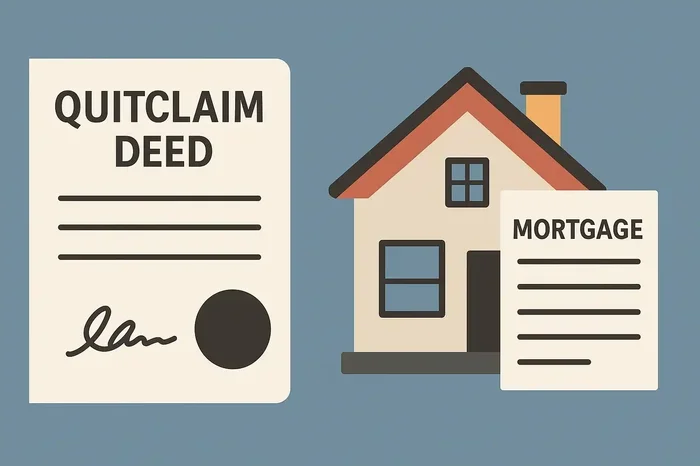
You can quit claim a house with a mortgage, but the debt does not disappear. The original borrower remains fully liable for the loan even after the title transfers. This move can trigger due-on-sale clauses and create serious financial exposure. Always talk to a lawyer and your lender before filing any deed.
Key Takeaways
- The mortgage stays with the borrower: Transferring title does not remove your loan obligation.
- Lenders can call the loan due: Many mortgages contain a due-on-sale clause that activates on transfer.
- You keep the risk: If payments stop, your credit and finances suffer even if you no longer own the home.
- Title and debt are separate: A quitclaim deed changes ownership, not the promissory note.
- Assumable loans are rare: Most modern mortgages are not assumable without lender approval.
- Get professional help: Consult a real estate attorney and review the loan documents first.
- Plan for the future: Consider refinancing, sale, or a formal assumption instead of a bare quitclaim.
📑 Table of Contents
- Can You Quit Claim a House with a Mortgage
- Understanding Quitclaim Deeds and Mortgages
- Can You Quit Claim a House with a Mortgage Without Lender Approval
- The Big Risk: Liability Stays With the Original Borrower
- Alternatives That Protect Both Parties
- Steps to Take Before Filing a Quitclaim Deed
- Common Mistakes to Avoid
- Expert Insights and Best Practices
- Key Takeaways
- Key Takeaways
- Conclusion
Can You Quit Claim a House with a Mortgage
Many people ask the same question when life changes fast. A divorce, a family gift, or a quick transfer often leads to one big question. Can you quit claim a house with a mortgage on it? The short answer is yes. You can file a quitclaim deed even when a loan sits on the property. But the deed only moves the title. It does not move the debt. That gap creates real risk for the person who signed the note.
This guide explains how the process works. It also shows what can go wrong and how to protect yourself. You will learn why lenders care, what clauses may trigger, and which steps make sense before you sign anything. We keep the language simple. We focus on clear facts you can use right away.
Understanding Quitclaim Deeds and Mortgages
A quitclaim deed is a simple legal tool. It transfers whatever interest one person has in a property to another person. It does not guarantee that the title is clean. It does not promise that the grantor owns the property free and clear. It simply passes along the current interest, if any.
A mortgage is different. A mortgage is a loan secured by the property. The borrower signs a promissory note. That note is a personal promise to repay. The lender also records a lien against the home. The lien gives the lender the right to foreclose if the loan goes unpaid.
When people ask, can you quit claim a house with a mortgage, they often mix up title and debt. The deed changes who holds the title. The note stays with the original borrower unless the lender agrees otherwise. That is the core issue. Ownership and liability are not the same thing.
What a Quitclaim Deed Actually Does
A quitclaim deed does a few simple things. It identifies the grantor and the grantee. It describes the property. It states that the grantor gives up any claim to the property. Then it gets signed, notarized, and recorded with the county.
This deed works well in certain situations. It can move property between family members. It can fix a title error. It can transfer interest in a trust. It is fast and low cost in many places. But it offers no warranties. The grantee receives only what the grantor actually has.
What the Mortgage Actually Does
The mortgage creates a secured debt. The home acts as collateral. If the borrower misses payments, the lender can take the property through foreclosure. The promissory note creates personal liability. That means the borrower can be sued for a deficiency in some states if the sale does not cover the balance.
This is why the question can you quit claim a house with a mortgage matters so much. The deed may say one thing about ownership. The note says another thing about who must pay. Both documents matter. You need to understand both before you file anything.
Can You Quit Claim a House with a Mortgage Without Lender Approval
The simple answer is yes in most cases. You can record a quitclaim deed without asking the lender first. The county will usually accept the filing if it meets local form and fee rules. The problem is not the recording. The problem is what happens next.
Many mortgages include a due-on-sale clause. This clause lets the lender demand full repayment if the property transfers without approval. The clause exists to protect the lender. The lender wants to keep the loan terms it originally approved. If ownership changes, the lender may worry about the new owner’s credit, income, or plans.
People often search can you quit claim a house with a mortgage because they hope to avoid this clause. Some think the transfer is invisible. It is not. The lender may learn about it through a title check, tax records, or insurance changes. Once the lender knows, the clause may be enforced.
Due-on-Sale Clauses and What They Mean
A due-on-sale clause is a standard contract term. It says the full loan balance becomes due if the property is sold or transferred. This can happen even if the new owner promises to make payments. The lender does not have to keep the old rate or terms. The lender can call the loan.
This clause matters for anyone asking can you quit claim a house with a mortgage. If the deed triggers the clause, the lender may send a notice. The borrower then has to pay the balance or negotiate a solution. That can be stressful and expensive. It can also disrupt a family plan or a divorce settlement.
When Transfers May Slip Under the Radar
Some transfers do not immediately alert the lender. A gift between spouses may not change insurance or tax billing right away. A transfer into a living trust may be allowed under federal rules. Some lenders do not check every county recording every day. Still, relying on silence is a bad plan. It creates false comfort.
If you are weighing can you quit claim a house with a mortgage, do not count on staying hidden. The safer path is to check the loan documents. Look for the due-on-sale language. Call the lender if you are unsure. Ask what notice they require. Get the answer in writing if possible.
The Big Risk: Liability Stays With the Original Borrower
This is the heart of the issue. The quitclaim deed moves title. It does not remove the borrower from the note. If the new owner stops paying, the lender looks to the original borrower. Late payments hurt the original borrower’s credit. Default can lead to foreclosure and a deficiency judgment in some states.
So when people ask can you quit claim a house with a mortgage, they need to hear the hard truth. You can transfer the deed, but you may still carry the debt risk. That risk remains until the loan is paid off, refinanced, or formally assumed with lender approval. This is why a friendly transfer can turn into a financial problem later.
Credit and Collection Consequences
Missed payments show up on the original borrower’s credit report. The lender may send the debt to collections. The lender may sue on the note. The property may be foreclosed. The original borrower can lose the home, the credit score, and money. All of this can happen even if the grantor no longer lives there.
This is why the question can you quit claim a house with a mortgage should come with a warning. Do not assume the new owner’s promise to pay is enough. A promise is not a release. Only the lender can release the original borrower from the note in most cases.
Divorce, Family Gifts, and Other Common Scenarios
Many transfers happen during life changes. A divorcing couple may want one spouse to keep the house. Parents may want to gift a home to a child. Siblings may want to move a property into one name. These plans can make sense. They still need careful handling.
In a divorce, a quitclaim deed often appears in the settlement. The decree may say who pays the mortgage. But the lender is not a party to the divorce. The lender still holds the original borrower on the note. If the keeping spouse stops paying, the other spouse can still be on the hook. That is a common surprise.
This is why people keep asking can you quit claim a house with a mortgage during family transitions. The deed solves the title question. It does not solve the loan question. A solid plan addresses both.
Alternatives That Protect Both Parties
There are better ways to handle a mortgaged property in many cases. The best option depends on the loan, the goal, and the people involved. The main idea is to align title and debt. You want the person who owns the home to also carry the payment duty, or you want the lender to approve the change.
People exploring can you quit claim a house with a mortgage often benefit from these choices:
- Sell the home and pay off the loan. This removes the debt and clears the title. It is the cleanest path when the market allows it.
- Refinance in the new owner’s name. The new owner gets a fresh loan. The old loan is paid off. The original borrower is released.
- Seek a formal assumption. Some loans can be assumed with lender approval. The new owner takes over payments and the lender reviews qualification.
- Use a loan modification or workout. If trouble is ahead, talk to the lender early. Options may exist to keep the loan current.
- Document the agreement carefully. If a family member takes over payments, write down the plan. Clarify who pays, when, and what happens if they cannot.
Refinancing as the Cleanest Exit
Refinancing replaces the old loan with a new one. The new loan is in the new owner’s name. The old loan is paid in full. The original borrower is no longer liable. This solves the debt problem directly.
Refinancing is not always easy. The new owner must qualify. Rates and costs matter. Timing matters too. But for many people asking can you quit claim a house with a mortgage, this is the safest long-term answer. It aligns ownership and debt in a clear way.
Assumable Loans and Lender Approval
Some government-backed loans can be assumed. Some conventional loans cannot. An assumption means the new owner takes over the existing loan with the lender’s okay. The lender checks credit, income, and other factors. If approved, the original borrower may be released.
This route can preserve a low rate in some cases. It can also avoid a new closing from scratch. But it still needs lender consent. That is the key point for anyone wondering can you quit claim a house with a mortgage. Without consent, the loan terms may not change in a protected way.
Steps to Take Before Filing a Quitclaim Deed
Do not rush to the county recorder. Take a few careful steps first. These steps reduce surprise and protect everyone involved.
- Read the loan documents. Find the due-on-sale clause. Check for any transfer rules. Note the contact info for the loan servicer.
- Call the lender. Ask what happens if title transfers. Ask whether the loan is assumable. Ask what notice or approval they need.
- Talk to a real estate attorney. Laws vary by state. A lawyer can explain liability, foreclosure rules, and divorce implications.
- Review insurance. Make sure the policy matches the new ownership plan. Insurers may need to know about the transfer.
- Plan for payments. Decide who will pay and how. Set up a clear method. Keep records of every payment.
- Consider a release or indemnity. In some family cases, a written agreement can help clarify expectations, even if the lender is not bound.
Questions to Ask Your Lender
Good questions save time and stress. Ask these directly:
- Does my loan have a due-on-sale clause?
- Will a quitclaim deed trigger that clause?
- Is the loan assumable by a family member or buyer?
- What paperwork do you need for a transfer?
- How will I be removed from the loan if the new owner takes over?
These questions matter because the answer to can you quit claim a house with a mortgage is not just about the deed. It is about the contract behind the deed. The contract controls much of the risk.
When a Quitclaim Deed Still Makes Sense
A quitclaim deed can still be useful. It can move title quickly in a family gift. It can support a trust plan. It can fix a name on the deed. It can be part of a larger strategy. The key is to pair it with a plan for the loan.
If you still decide to file after asking can you quit claim a house with a mortgage, do it with eyes open. Keep making payments if you are still liable. Track the new owner’s payments if you can. Keep copies of everything. Stay in touch with the lender. Do not assume silence means safety.
Common Mistakes to Avoid
People often make the same errors when they move a mortgaged home. Avoiding these mistakes can save money and heartache.
- Thinking the deed kills the debt. It does not. The note remains unless the lender releases it.
- Relying on a handshake deal. Verbal promises are hard to enforce. Put the plan in writing.
- Ignoring the due-on-sale clause. This clause can change everything. Read it first.
- Letting insurance lapse or mismatch. Wrong insurance can cause claims problems after a transfer.
- Forgetting taxes and bills. Transferring title can affect tax billing and responsibility. Check local rules.
- Skipping legal advice. A lawyer can spot state-specific issues that generic advice misses.
Expert Insights and Best Practices
Experts usually say the same thing. Match the title transfer with a clear debt plan. If the goal is to remove liability, refinancing or a lender-approved assumption is better than a bare quitclaim. If the goal is to keep a low rate, check whether the loan is assumable. If the goal is a family gift, understand that the gift may still leave the giver exposed until the loan is handled.
Experts also warn against secrecy. Lenders have tools to learn about transfers. County records are public. Insurance changes can reveal ownership shifts. A hidden transfer can turn into a sudden demand for payment. That is why the question can you quit claim a house with a mortgage should be answered with honesty and planning.
A Simple Decision Framework
Use this quick checklist before you act:
- What is the goal? Remove debt, keep a rate, gift the home, or divide property?
- Who will pay the mortgage each month?
- Does the loan allow assumption or transfer without penalty?
- Can the new owner qualify for a refinance?
- What is the worst-case plan if payments stop?
This framework helps you move from a vague question to a clear plan. It also makes the answer to can you quit claim a house with a mortgage more useful. You stop asking only if it is possible. You start asking how to do it safely.
Key Takeaways
Key Takeaways
- Title and debt are separate: A quitclaim deed moves ownership, not the loan obligation.
- Lenders may enforce due-on-sale: Transfers can trigger a demand for full repayment.
- Original borrowers stay liable: Missed payments can hurt the person who signed the note.
- Refinancing is often cleaner: A new loan in the new owner’s name can release the original borrower.
- Assumable loans are limited: Lender approval is usually required for a true assumption.
- Get advice early: Read the note, call the lender, and talk to a lawyer before filing.
- Plan for the worst: Have a backup plan if the new owner cannot pay.
Conclusion
The answer to can you quit claim a house with a mortgage is yes, but that answer comes with a big warning. The deed can change the title. The loan can stay with the original borrower. The lender may enforce a due-on-sale clause. The original borrower can still face credit damage, collection actions, and foreclosure risk if payments stop.
That is why a quitclaim deed should never be a shortcut around the debt. Treat the title transfer and the loan as two separate problems. Solve both. Read the loan documents. Ask the lender what happens. Consider refinancing or a formal assumption. Use a lawyer when the stakes are high. Keep records. Keep communication open.
If you handle the transfer with care, you can protect yourself and the other party. If you rush, you can create a mess that is hard to fix. The safest move is simple. Align the deed with the debt, or get the lender involved. That is the best way to answer can you quit claim a house with a mortgage with confidence.
Frequently Asked Questions
Can you quit claim a house with a mortgage on it?
Yes, you can file a quitclaim deed even if the home has a mortgage. The deed transfers title, but the loan remains with the original borrower unless the lender agrees otherwise. This means you can still be liable for the debt after the transfer.
Does the mortgage go away after a quitclaim deed?
No, the mortgage does not go away. The promissory note is a separate contract from the deed. The original borrower usually stays responsible for repayment until the loan is paid off, refinanced, or formally assumed with lender approval.
Will the lender find out if I quit claim the property?
Often, yes, or at least the risk is high. Title records are public, and lenders may check them or learn through insurance or billing changes. If the loan has a due-on-sale clause, the lender may demand full repayment once it learns about the transfer.
Can a family member take over my mortgage after a quitclaim?
A family member can make the payments, but that does not automatically remove you from the loan. To transfer the loan properly, the lender usually must approve an assumption or the new owner must refinance. Without that, you may remain legally liable.
Is a quitclaim deed safe during a divorce if the house has a mortgage?
It can be part of a divorce settlement, but it is not fully safe on its own. The divorce decree can say who pays, yet the lender is not bound by that decree. If the keeping spouse stops paying, the other spouse may still be responsible on the note.
What is the best way to remove my name from a mortgaged house?
The cleanest way is usually to sell the home and pay off the loan, or to refinance the mortgage in the new owner’s name. A lender-approved assumption may also work if the loan allows it. These options can remove your liability far better than a quitclaim deed alone.