
Removing an escrow account from your mortgage can lower your monthly payment and give you more control over your finances. However, lenders have strict rules about when you can cancel escrow. This guide explains exactly how to get rid of escrow on my mortgage, what qualifications you need, and the potential risks involved. Read on to learn if you qualify and how to make the right choice for your home loan.
If you own a home, you likely see an escrow account on your mortgage statement each month. This account holds money for property taxes and homeowners insurance. Your lender collects these funds and pays the bills when they are due. Many homeowners wonder if they can stop this arrangement. They want to know how to get rid of escrow on my mortgage and keep that extra cash in their own pocket.
Removing escrow is possible in some cases, but it is not always simple. Lenders protect their interest in your home by keeping these accounts active. They want to make sure taxes and insurance get paid on time. If you miss a tax bill or let insurance lapse, the lender could face big problems. That is why they set strict rules for canceling escrow.
You can still take steps to remove the account if you meet the requirements. This article walks you through everything you need to know. We will cover eligibility, the application process, loan type differences, and what happens after you remove escrow. By the end, you will have a clear plan and the confidence to make the right move for your finances.
Key Takeaways
- Understand escrow: Escrow accounts hold funds for property taxes and insurance, paid by your lender on your behalf.
- Check eligibility: Most lenders require at least 20% equity and a solid payment history to remove escrow.
- Loan type matters: Conventional loans often allow escrow removal, while FHA and VA loans usually require it.
- Prepare for costs: You must pay taxes and insurance directly, which can mean large annual bills.
- Follow lender steps: Submit a written request, provide proof of coverage, and wait for approval.
- Weigh the risks: Removing escrow means you handle payments, and missed bills can lead to penalties or foreclosure.
- Consider alternatives: If you cannot remove escrow, you can still shop for better insurance rates to lower your monthly costs.
📑 Table of Contents
Understanding Escrow and Why Lenders Use It
Before you learn how to get rid of escrow on my mortgage, you need to understand what escrow actually does. An escrow account is a separate holding account managed by your lender or loan servicer. Each month, a portion of your mortgage payment goes into this account. The lender then uses those funds to pay your property taxes and homeowners insurance when the bills arrive.
This setup protects both you and the lender. Property taxes are a legal obligation tied to your home. If taxes go unpaid, the local government can place a lien on your property or even foreclose. Homeowners insurance protects the home from fire, storms, and other damage. Without insurance, a major loss could leave the lender with a damaged or worthless asset. By collecting funds upfront, the lender reduces these risks.
For many borrowers, escrow brings peace of mind. You do not have to remember tax deadlines or shop for insurance renewals every year. The lender handles it all. However, some homeowners prefer to manage these expenses themselves. They want to earn interest on their money, avoid lender fees, or simply have more control over their budget. That desire leads many to ask how to get rid of escrow on my mortgage in the first place.
How Escrow Affects Your Monthly Payment
Your monthly mortgage payment usually has three or four parts. The first part covers principal and interest. The second part goes to escrow for taxes and insurance. If you have private mortgage insurance, that is a third part. When you remove escrow, your monthly payment drops because you no longer pay the tax and insurance portion through the lender.
The trade-off is that you must pay those bills on your own. Property taxes often come once or twice a year. Homeowners insurance is usually paid annually or semi-annually. You will need to set aside money each month in a personal savings account so you are ready when the bills arrive. If you forget or spend the money elsewhere, you could face late fees or coverage gaps.
Common Reasons Homeowners Want to Remove Escrow
People choose to cancel escrow for several reasons. Some want to stop the lender from earning interest on their money. Others want to shop for cheaper insurance without lender restrictions. A few simply prefer to handle their own finances and keep full control. Whatever your reason, it helps to know the rules before you make a move.
How to Get Rid of Escrow on My Mortgage: Basic Requirements
The first step in how to get rid of escrow on my mortgage is checking whether you qualify. Lenders do not let every borrower remove escrow. They set clear conditions to protect their loan. If you meet these conditions, you can submit a request and move forward. If you do not, you may need to wait or look at other options.
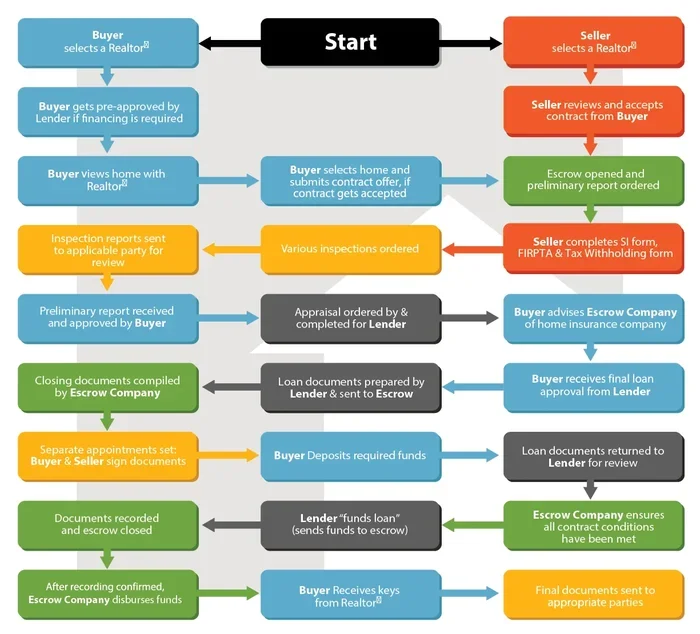
Visual guide about mortgage escrow removal process
Image source: a-listescrow.com
Equity and Loan Balance Rules
Most lenders require you to have at least 20% equity in your home before they allow escrow removal. Equity means the difference between your home value and what you still owe on the mortgage. If your home is worth $300,000 and you owe $240,000, you have 20% equity. Some lenders want even more equity, such as 25% or 30%, before they approve an escrow cancellation.
Your loan balance also matters. Lenders often prefer loans that are far enough along in their repayment schedule. If you just bought the home and have a small principal balance, they may deny the request. They want to see that you have a stable payment history and enough stake in the property to manage taxes and insurance on your own.
Payment History and Account Standing
A strong payment record is another common requirement. Lenders want to see that you have paid your mortgage on time for at least one to two years. Late payments, defaults, or escrow shortages can hurt your chances. If your account has any negative marks, the lender may keep escrow in place until your record improves.
You should also check that your taxes and insurance are current. If you have unpaid tax bills or a lapse in coverage, the lender will not remove escrow. They need proof that all obligations are up to date before they trust you to handle them yourself.
Loan Type Differences You Should Know
Not all loans follow the same rules. Conventional loans usually offer the most flexibility. If you have a conventional mortgage and meet the equity and payment requirements, you can often request escrow removal. Government-backed loans work differently. FHA loans typically require escrow for the life of the loan. VA loans also usually keep escrow in place, though some lenders may allow changes under specific conditions. USDA loans have their own guidelines as well.
If you are unsure which loan type you have, check your original loan documents or call your servicer. Knowing your loan type helps you understand how to get rid of escrow on my mortgage and what hurdles you might face.
Step-by-Step Process to Remove Escrow
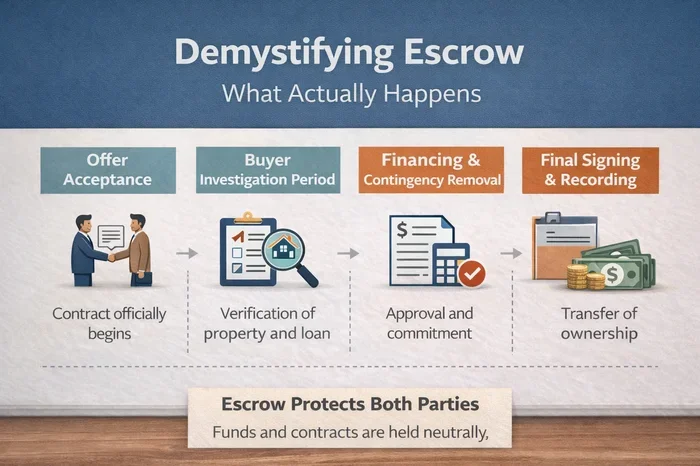
Once you know you may qualify, the next part of how to get rid of escrow on my mortgage is the actual process. Each lender has its own forms and procedures, but the general steps stay similar across most companies. Follow this roadmap to move through the process smoothly.
Visual guide about mortgage escrow removal process
Image source: cdn.lofty.com
Step 1: Review Your Loan Documents and Lender Policy
Start by reading your mortgage agreement and any escrow-related addendums. Look for sections that discuss escrow cancellation, removal, or waiver. Some lenders include specific language about when escrow can be removed. You can also check your lender website or call customer service to ask about their policy. Write down any requirements they mention, such as minimum equity, payment history, or loan age.
Step 2: Contact Your Loan Servicer
Reach out to your loan servicer and ask for an escrow cancellation request. Some companies let you submit the request online. Others require a written letter or a specific form. Be clear about your goal and ask what documents they need. Common items include proof of homeowners insurance, recent property tax statements, and proof of equity.
Step 3: Gather Required Documents
Collect everything the lender asks for before you submit your request. This saves time and reduces back-and-forth. Typical documents include:
- A written request or completed escrow cancellation form
- Proof of homeowners insurance with adequate coverage
- Recent property tax bills or assessment notices
- An appraisal or broker price opinion, if the lender requires proof of equity
- Account statements showing a clean payment history
Make copies of everything you send. Keep a record of dates, names, and reference numbers in case you need to follow up later.
Step 4: Submit the Request and Wait for Approval
Send your request through the preferred channel your lender provides. Some servicers process requests quickly, while others take several weeks. During this time, the lender reviews your loan, checks your equity, and verifies your insurance and tax status. They may also run an internal risk assessment. If anything is missing or unclear, they will contact you for more information.
Stay patient and responsive. If the lender asks for an updated insurance declaration or a new tax statement, provide it as soon as possible. Quick action can help move the process along.
Step 5: Confirm the Change and Adjust Your Budget
If your request is approved, the lender will send confirmation. They will explain when the escrow account closes and how your future payments will change. Your monthly mortgage payment will drop, but you will now be responsible for taxes and insurance on your own. Set up a separate savings plan right away so you are ready for those bills.
If your request is denied, ask why. The lender should explain which requirement you did not meet. You may be able to fix the issue and try again later. For example, you might need to build more equity, improve your payment history, or wait until your loan ages further.
What Happens After You Remove Escrow
Removing escrow changes how you manage your home expenses. It also changes your monthly cash flow. Understanding these changes helps you decide if how to get rid of escrow on my mortgage is the right move for you.
Visual guide about mortgage escrow removal process
Image source: images.tely.ai
Your New Payment Responsibility
Once escrow is gone, you pay property taxes and insurance directly. Property taxes may be due annually or semi-annually, depending on your local government. Homeowners insurance is usually paid every year or every six months. You will need to track these dates carefully. Missing a tax payment can lead to penalties, interest, or even a tax lien. Letting insurance lapse can leave you unprotected and put the lender at risk.
To stay organized, create a simple calendar or set reminders for each due date. Consider opening a dedicated savings account and depositing a set amount each month. This way, the money is there when the bills arrive.
Budgeting for Large Annual Bills
Many homeowners underestimate how much they need to save for taxes and insurance. A good rule is to divide the annual cost by twelve and set that amount aside each month. If your property taxes are $3,600 a year and your insurance is $1,200, you would save $400 a month. Adjust this number if your taxes or insurance change over time.
You can also review your insurance policy each year. Shopping for better rates may lower your annual cost and reduce the amount you need to save. Just make sure any new policy meets your lender requirements for coverage.
Potential Risks and How to Avoid Them
Removing escrow gives you freedom, but it also adds responsibility. The biggest risks are missed payments and coverage gaps. If you forget a tax bill, you may face late fees and interest. In serious cases, a tax lien can threaten your home. If your insurance lapses, the lender may force-place insurance, which is usually more expensive and offers less protection.
You can reduce these risks by staying organized and proactive. Set up automatic payments for taxes if your local government allows it. Keep your insurance policy active and review it annually. Maintain a cushion in your savings account so unexpected increases do not catch you off guard.
Common Mistakes When Trying to Remove Escrow
Many borrowers make avoidable errors when they pursue how to get rid of escrow on my mortgage. Learning from these mistakes can save you time and frustration.
Assuming All Loans Allow Escrow Removal
Some homeowners believe any mortgage can lose its escrow account. That is not true. Government-backed loans often require escrow. Even with conventional loans, lenders may keep escrow if your equity is too low or your payment history is weak. Always verify your loan type and lender rules before you start.
Not Shopping for Insurance Before Applying
Lenders want proof that you have adequate homeowners insurance. If your current policy is expensive or does not meet their standards, your request may stall. It helps to review your insurance first. Compare quotes, check coverage limits, and make sure the policy satisfies lender requirements. A strong insurance package can smooth the approval process.
Underestimating Tax and Insurance Costs
Some borrowers remove escrow and then struggle to pay the annual bills. They forget to budget for the full amount or assume the costs will stay flat. Property taxes can rise, and insurance premiums can change after claims or market shifts. Build a realistic savings plan and review it each year to avoid surprises.
Skipping the Paperwork or Follow-Up
Incomplete forms, missing documents, and poor follow-up can delay or derail your request. Treat the process like an important financial task. Double-check every document, keep copies, and follow up if you do not hear back within the expected timeframe. A little organization goes a long way.
Expert Insights and Smart Alternatives
Financial experts often advise careful planning before removing escrow. They suggest weighing the convenience of automatic payments against the responsibility of managing bills yourself. For some homeowners, the small monthly savings are not worth the extra effort and risk. For others, the freedom and control are worth it.
When Keeping Escrow Makes Sense
Escrow can be a good fit if you prefer a hands-off approach. It helps if you do not want to track tax deadlines or insurance renewals. It also makes sense if your budget is tight and you would rather not save for large annual bills on your own. In these cases, keeping escrow may be the simpler and safer choice.
When Removing Escrow Makes Sense
Removing escrow may be a smart move if you have strong financial habits and want more control. It can help if you want to earn interest on your money instead of letting the lender hold it. It may also appeal to you if you like shopping for insurance and managing your own tax payments. If you are disciplined and organized, escrow removal can work well.
Smart Alternatives to Full Escrow Removal
If you cannot remove escrow, you still have options. You can ask your lender about lowering your escrow payment by shopping for a cheaper insurance policy. You can also review your property tax assessment for possible errors or exemptions. Some homeowners set up their own savings system alongside escrow so they are better prepared for future changes. These steps can reduce your costs without removing the account.
If you are also navigating relationship or life changes that affect your finances, you may find it helpful to read about how to tell your spouse you want to separate or how to help your grown daughter through her divorce. Major life shifts often bring financial questions, and it is wise to plan carefully.
Final Thoughts on Removing Escrow
Learning how to get rid of escrow on my mortgage is mostly about knowing the rules, checking your eligibility, and following the right steps. If you have enough equity, a strong payment history, and a conventional loan, you may be able to cancel the account. If you have an FHA or VA loan, escrow removal may not be allowed. Either way, it helps to understand the trade-offs before you decide.
Removing escrow can lower your monthly payment and give you more control. It also means you must handle property taxes and insurance on your own. That responsibility requires planning, discipline, and good record-keeping. If you are ready for that challenge, the process can be worthwhile. If you prefer simplicity, keeping escrow may be the better path.
Take your time, review your loan documents, and talk to your servicer. Ask clear questions and get answers in writing when possible. With the right preparation, you can make a confident choice that fits your financial goals and your lifestyle.
Frequently Asked Questions
Can I remove escrow from any mortgage?
No, not every mortgage allows escrow removal. Conventional loans often permit it if you meet equity and payment requirements, but FHA and VA loans usually require escrow to stay in place.
What equity do I need to cancel escrow?
Many lenders require at least 20% equity, though some want more. Check your loan agreement and ask your servicer for their exact threshold before you apply.
Will removing escrow lower my monthly payment?
Yes, your monthly payment will usually drop because you stop paying taxes and insurance through the lender. However, you must pay those bills directly when they come due.
Do I still need homeowners insurance after escrow is removed?
Yes, you must keep adequate homeowners insurance at all times. Your lender can require force-placed insurance if your coverage lapses, which is often more expensive.
How long does escrow removal take?
It varies by lender, but many requests take a few weeks to process. Respond quickly to any document requests to help speed up the review.
What if my lender denies my escrow removal request?
Ask why you were denied and which requirement you did not meet. You may be able to build more equity, improve your payment history, or reapply later.