
When you pay off your mortgage, your escrow account does not vanish instantly. The lender will close the account, review any remaining funds, and send you a refund for the surplus. Understanding what happens to escrow when you pay off mortgage helps you avoid surprises and manage closing costs wisely.
Key Takeaways
- Escrow closes after payoff: Once your mortgage is fully paid, the lender stops collecting monthly escrow payments.
- Leftover funds get refunded: Any remaining balance in the escrow account is typically returned to you within a few weeks.
- Future bills become your responsibility: Property taxes, homeowners insurance, and other escrow items are now paid directly by you.
- Timing matters: The refund and account closure can take time, so plan for upcoming tax and insurance deadlines.
- Keep records: Save your payoff statement, refund check, and closing documents for future reference.
- Watch for fees: Some lenders may charge a small processing fee, so review your final statement carefully.
- Set up a new system: Create a simple budget or calendar to handle taxes and insurance on your own.
📑 Table of Contents
- What Happens to Escrow When You Pay Off Mortgage
- How Escrow Works Before Payoff
- What Happens to Escrow When You Pay Off Mortgage: The Closing Process
- Your New Responsibility: Paying Taxes and Insurance Directly
- How Long the Refund Takes and What to Watch For
- Common Mistakes to Avoid
- Quick Tips for a Smooth Transition
- Comparison Table: Escrow Before and After Payoff
- Expert Insights: What to Keep in Mind
- Key Takeaways for the Escrow Payoff Process
- Conclusion
What Happens to Escrow When You Pay Off Mortgage
Paying off a mortgage is a huge milestone. You finally own your home free and clear. But many people still wonder what happens to escrow when you pay off mortgage. The answer is simple, yet it affects your finances in a few important ways.
Escrow exists to hold money for future expenses. It covers property taxes, homeowners insurance, and sometimes other costs. While you have a mortgage, your lender collects a portion of these costs each month. When the loan is gone, the lender no longer needs to manage those payments for you. That means the escrow account must be closed and any extra money returned to you.
This guide explains the full process in plain language. You will learn how the account closes, when you get your refund, and what you need to do next. We will also share practical tips so you can handle the transition smoothly. If you want a deeper look at related home finance topics, you may find helpful context in this guide on what to do when you don’t know what to do. It can be useful when you face big financial decisions and need a clear next step.
How Escrow Works Before Payoff
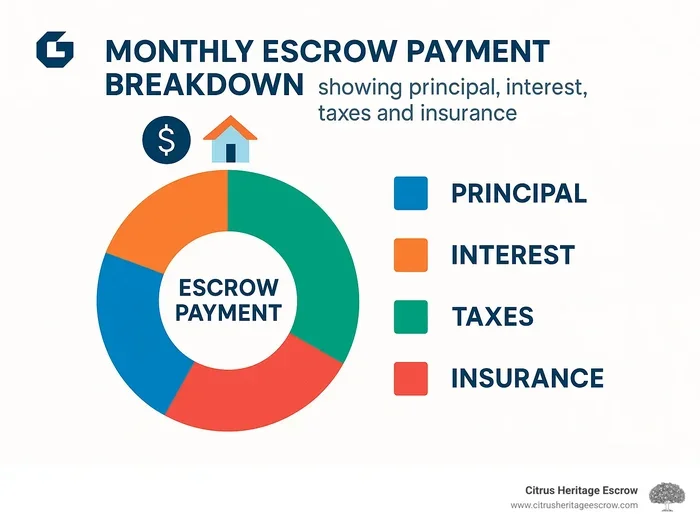
Before we talk about the payoff, it helps to understand how escrow works in the first place. Your monthly mortgage payment usually has three parts. One part goes to the loan principal. Another part covers interest. The third part goes into escrow.
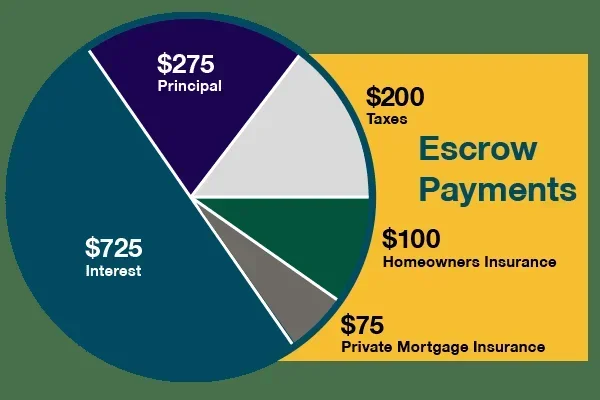
Visual guide about paying off mortgage escrow
Image source: southpointhomemortgage.com
The lender uses that escrow money to pay your property taxes and insurance when they come due. This setup protects the lender because unpaid taxes or a lapsed insurance policy can create risk for the home. It also helps you spread large annual costs across twelve months.
Here is a quick breakdown of common escrow items:
- Property taxes: Paid to your local government, often once or twice a year.
- Homeowners insurance: Paid to your insurance company, usually every year.
- Mortgage insurance: If your loan required it, this may also be part of the escrow total.
- Other assessments: Some areas add special fees or HOA charges to the escrow total.
The lender reviews the account each year. They may adjust your monthly escrow amount if taxes or insurance costs change. This annual review is called an escrow analysis. It helps keep the account balanced.
If you are wondering how this connects to other relationship or life decisions, you might also enjoy reading about what to do when someone pretends to love you. Big financial and personal choices often feel similar because both require clear boundaries and careful planning.
What Happens to Escrow When You Pay Off Mortgage: The Closing Process
Now let’s answer the main question directly. What happens to escrow when you pay off mortgage is really about account closure and fund distribution. Once the loan balance reaches zero, the lender no longer has a reason to keep the escrow account open. The account is closed, and the remaining money is handled according to the loan terms and local rules.
Visual guide about paying off mortgage escrow
Image source: moreirateam.com
The process usually looks like this:
- Payoff is confirmed: The lender verifies that the loan is fully satisfied.
- Final statement is prepared: The lender reviews the escrow balance, recent payments, and any pending bills.
- Pending charges are paid: If a tax bill or insurance premium is due soon, the lender may pay it from the escrow funds before closing.
- Refund is issued: Any leftover money is sent to you, often by check or direct deposit.
- Account is closed: The escrow account is formally shut down.
This process does not always happen on the exact same day your last payment clears. In some cases, the lender needs a little time to finish the final accounting. That means you may receive the refund a few weeks after payoff. The exact timing depends on the lender and the billing cycle.
If you want more practical guidance on handling uncertain moments during major life changes, this article on what to do when you don’t know what to do offers simple steps that can help you stay organized and calm.
What Happens to Escrow When You Pay Off Mortgage and There Is Extra Money
A common concern is whether the lender keeps the leftover funds. In most cases, it does not. If there is more money in the account than needed for final bills, the surplus belongs to you. The lender should refund it after paying any outstanding escrow obligations.
The refund amount can vary. It depends on how much was in the account, when taxes and insurance were last paid, and whether any bills are still pending. If your escrow account held several months of reserves, you may receive a noticeable refund. If the account was nearly empty, the refund may be small.
It is a good idea to watch your mail and email after payoff. Lenders usually send a closing notice or final escrow statement. Keep that document safe. It can help you confirm the refund amount and understand how the final balance was calculated.
What Happens to Escrow When You Pay Off Mortgage and There Is a Shortage
Sometimes the account does not have enough money to cover a final bill. This can happen if a tax bill arrives before payoff or if insurance premiums increase. In that case, the lender may still pay the bill from the escrow funds, even if the amount is slightly short. If the shortfall is larger, the lender may contact you about the balance.
This is another reason to review your final paperwork carefully. You want to make sure all tax and insurance obligations are fully handled. If anything looks unclear, contact the lender and ask for a written explanation. Clear records make the transition much easier.
Your New Responsibility: Paying Taxes and Insurance Directly
Once the escrow account closes, you take over the bills that were once handled for you. That means you will pay property taxes and insurance on your own schedule. For many homeowners, this is a relief because they no longer rely on the lender to manage those payments. For others, it feels like one more task on the list.
Visual guide about paying off mortgage escrow
Image source: i.pinimg.com
The best approach is to create a simple system right away. You do not need a complicated setup. You just need a reliable way to remember due dates and set money aside.
Here are a few easy options:
- Calendar reminders: Add tax and insurance due dates to your phone or wall calendar.
- Separate savings bucket: Keep a small reserve in a savings account for these bills.
- Monthly set-aside amount: Divide the annual cost by twelve and save that amount each month.
- Auto-pay where possible: Some tax offices or insurers offer payment plans or automatic payments.
If you like practical planning tools, you may also appreciate this related read on ADHD friendly ways to get shit done when your brain says nope. It shares simple systems that can make bill management feel less overwhelming.
Property Taxes After Payoff
Property taxes are often the biggest escrow expense. After payoff, you will receive tax bills directly from your local government. The schedule depends on where you live. Some areas bill once a year. Others bill twice a year. A few send monthly statements.
Make sure your local tax office has your current mailing address and email. If you move or change contact information, update it right away. Missing a tax bill can lead to late fees or other stress. A small calendar reminder can prevent that problem.
Homeowners Insurance After Payoff
Your insurance company also needs your current information. After payoff, you are no longer required to keep the lender listed as a loss payee in the same way, but your policy still matters. You want enough coverage to protect your home and belongings.
Review your policy once a year. Check the coverage amount, deductible, and any discounts you may qualify for. If your home value or personal property has changed, your policy may need an update. Keeping this under review helps you avoid paying for the wrong level of protection.
How Long the Refund Takes and What to Watch For
Many people ask what happens to escrow when you pay off mortgage because they want to know when the money will come back. The refund timing can vary. Some lenders send it within a few weeks. Others take longer because they must wait for final bills to clear.
A few things can affect the timeline:
- Pending tax or insurance payments: If a bill is still being processed, the lender may hold the funds until it clears.
- Paperwork processing: The lender may need time to prepare the final statement and issue the refund.
- Mailing method: A physical check can take longer than an electronic transfer.
- Account review rules: Some lenders follow a set schedule before closing the account.
If you do not receive the refund when expected, check your final statement first. It should show the remaining balance and the planned refund. If the statement is unclear, call the lender and ask for a summary in plain language.
It also helps to keep an eye on your overall financial picture during this time. Paying off a home loan can free up cash flow, and it is smart to think about where that money should go next. If you are exploring your next steps, this piece on how to figure out what to do with your life may offer helpful perspective.
Common Mistakes to Avoid
Even though paying off a mortgage is a happy event, a few mistakes can create unnecessary stress. Here are some of the most common ones:
- Assuming the account closes instantly: The process can take a little time, so do not panic if the refund is not immediate.
- Ignoring final statements: These documents explain the escrow balance, refund, and any final charges.
- Forgetting to update contact info: If the lender or tax office cannot reach you, you may miss important notices.
- Not planning for tax and insurance bills: Without escrow, those costs become your direct responsibility.
- Throwing away payoff paperwork: Keep the final statement, refund records, and discharge documents in a safe place.
- Overlooking small fees: Review the final statement for any processing or administrative charges.
A little attention now can save you a lot of hassle later. The goal is simple: close the loan cleanly, collect your refund, and stay on top of the bills that now belong to you.
Quick Tips for a Smooth Transition
If you want the process to feel easy, use these practical tips:
- Ask for a payoff timeline: Before sending the final payment, ask when the escrow account will close and when the refund will be issued.
- Confirm pending bills: Ask whether any tax or insurance payments are scheduled right after payoff.
- Save every document: Store digital copies and paper copies of the payoff letter, final statement, and refund proof.
- Set up a bill calendar: Mark tax and insurance due dates so nothing slips through the cracks.
- Create a small reserve: Keep a little extra cash ready for annual bills, especially if they are large.
These steps are simple, but they make a big difference. They also help you feel more in control after the loan is gone.
Comparison Table: Escrow Before and After Payoff
| Item | With Escrow During Mortgage | After Payoff |
|---|---|---|
| Monthly payment | Includes principal, interest, and escrow | No mortgage payment; taxes and insurance paid separately |
| Who pays taxes | Lender pays from escrow | You pay directly |
| Who pays insurance | Lender pays from escrow | You pay directly |
| Account management | Lender reviews and adjusts escrow annually | You manage your own payment schedule |
| Leftover funds | Held in the account for future bills | Refunded to you after final bills are paid |
| Responsibility | Lender helps manage due dates | You track deadlines and payments |
Expert Insights: What to Keep in Mind
Financial experts often say the biggest change after payoff is not the refund itself. It is the shift in responsibility. During the mortgage, the lender acted as a middleman for certain bills. After payoff, you become the main manager of those expenses. That is why a simple system matters so much.
Another useful insight is to treat the escrow refund as a planning tool. You can use it to build a small reserve for taxes and insurance. That way, the first year without escrow feels less stressful. If the refund is large, you may also use part of it to strengthen your emergency fund or pay down other debt.
It can also help to think about your broader financial goals. Paying off a home is a major achievement, and it may open the door to new priorities. If you are thinking about long-term direction, this article on what god wants from you when your spouse is wounding your marriage may not sound related at first, but big life transitions often lead people to revisit their values, priorities, and next steps.
Key Takeaways for the Escrow Payoff Process
Here is the short version of the whole process:
- The escrow account closes after payoff. The lender stops collecting monthly escrow funds once the loan is satisfied.
- You usually get a refund. Any leftover money is returned after final bills are handled.
- You take over tax and insurance payments. These costs are now your direct responsibility.
- Timing can vary. The refund may take a few weeks, depending on pending bills and processing.
- Keep your documents. Final statements and payoff records help you confirm everything is correct.
- Set up a simple system. A calendar and a small savings reserve make the transition much easier.
Conclusion
So, what happens to escrow when you pay off mortgage is really a question about closure, refunds, and new responsibilities. The escrow account is closed, any extra funds are refunded, and you begin paying taxes and insurance on your own. The process is straightforward, but it works best when you stay organized and review your final paperwork.
Paying off your mortgage is a major win. It gives you more control over your home and your monthly budget. It also asks you to take charge of a few bills that were once handled for you. With a clear plan, that shift is manageable and even empowering. Keep your documents safe, track your due dates, and use your refund wisely. That way, you can enjoy your paid-off home without unnecessary stress.
Frequently Asked Questions
What happens to escrow when you pay off mortgage?
The escrow account is closed after the loan is fully paid. Any remaining funds are used to cover final bills, and the leftover balance is usually refunded to you. After that, you pay property taxes and insurance directly.
Will I get my escrow money back after payoff?
In most cases, yes. If there is extra money in the account after final tax and insurance costs are paid, the lender should refund the surplus. The amount depends on your balance and any pending bills.
How long does it take to get the escrow refund?
It can take a few weeks, depending on the lender and any pending payments. The refund may arrive faster if the account has no outstanding bills. Check your final statement for the expected timeline.
Who pays property taxes after the mortgage is paid off?
You do. Once the escrow account closes, the lender no longer pays taxes on your behalf. You will receive tax bills directly and are responsible for paying them on time.
Do I still need homeowners insurance after payoff?
Yes, you should still keep homeowners insurance. The home is now yours free and clear, but coverage still protects your property and belongings. Review your policy to make sure it fits your current needs.
What should I do if I do not receive my escrow refund?
First, review your final statement to see whether the refund was issued or delayed by a pending bill. If it still has not arrived, contact the lender and ask for a clear explanation in writing. Keep copies of all payoff and closing documents.
