
Facing private mortgage lenders refusing to renew your loan? This guide explains why lenders say no and what steps you can take next. You will learn how to protect your home and find new financing options. We break down the process into simple actions. You can regain control of your financial future today.
Private mortgage lenders refusing to renew can feel like a sudden storm. You planned for stability. Now you face uncertainty. This situation happens more often than people think. Private lenders operate differently than big banks. They focus on short-term deals. They may change their rules quickly. You need to understand why this happens. You also need a clear plan to move forward.
This guide walks you through every step. We keep the language simple. We avoid confusing jargon. You will learn how to talk to your lender. You will discover other funding paths. You will see how to protect your credit score. Knowledge is your best tool here. Let us start by looking at the common reasons behind this decision.
Key Takeaways
- Understand the reason: Lenders may refuse renewal due to credit changes or property value drops.
- Act quickly: Start looking for new options before your current term ends.
- Check your credit: Fix errors and pay down debt to improve your score.
- Explore alternatives: Consider bank mortgages or credit unions if private lenders say no.
- Negotiate terms: Ask the current lender for a compromise or extension.
- Consult experts: A mortgage broker can help find lenders who fit your situation.
- Protect your home: Do not ignore the notice or you risk losing your property.
📑 Table of Contents
- Why Private Mortgage Lenders Refusing To Renew Happens
- Immediate Steps To Take When You Get The Notice
- Exploring Your Options After Private Mortgage Lenders Refusing To Renew
- Improving Your Chances For The Next Loan
- Negotiating With The Current Lender
- Long-Term Stability After The Switch
- Expert Insights On Loan Renewals
- Conclusion
Why Private Mortgage Lenders Refusing To Renew Happens
Private lenders focus on risk. They want their money back safely. Sometimes they see too much risk in your file. This can trigger a non-renewal notice. It is not always about you personally. It can be about market changes too. Understanding the reason helps you fix the problem.
Changes In Your Financial Profile
Your credit score might have dropped. You may have missed a payment recently. Lenders look at these signals closely. They worry about your ability to pay. Even a small dip can matter to them. You should check your credit report often. Fix any errors you find quickly.
Property Value Decline
The value of your home matters greatly. Private lenders often lend based on equity. If the market drops, your equity shrinks. The lender may feel unsafe with the loan. They might want more security. This is a common reason for refusal. You can get an appraisal to check value.
Lender Policy Shifts
Sometimes the lender changes their own rules. They might stop lending in your area. They might tighten their standards overall. This is out of your control. You cannot fix their policy. You can only react to it. This is why having a backup plan is wise.
Immediate Steps To Take When You Get The Notice
Do not panic when you see the letter. Panic leads to bad choices. Take a deep breath. Read the notice carefully. Note the deadline they give you. You usually have some time to act. Use that time wisely.
Contact Your Current Lender
Call your lender right away. Ask them why they are saying no. Be polite but firm. Ask if there is a way to change the outcome. Maybe you can offer more equity. Maybe you can prove your income is stable. Sometimes a conversation changes the decision.
Review Your Loan Documents
Look at your original contract. Check the renewal terms. See if there are penalties for leaving. Understand your legal position. This helps you negotiate better. You might have more leverage than you think. Keep these documents in a safe place.
Start Shopping Around Early
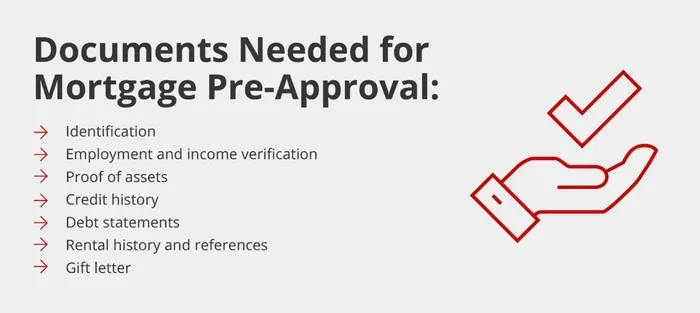
Do not wait until the last day. Start looking for new loans now. Many lenders need time to process files. If you wait, you lose options. Gather your financial papers now. Make them ready for new applications.
Exploring Your Options After Private Mortgage Lenders Refusing To Renew
You have several paths forward. You are not stuck without choices. Each option has pros and cons. You need to pick what fits your life. Think about your long-term goals. Think about your monthly budget too.
Switching To A Traditional Bank
Big banks have stricter rules. They also offer lower rates sometimes. If your credit is good, this is a great path. They offer long-term stability. They are regulated more heavily. This can feel safer for many people. You will need strong income proof though.
Trying Credit Unions
Credit unions are member-owned groups. They often care more about people. They might be flexible with unique situations. Their rates can be very competitive. You need to be a member to join. This is usually easy to do. They are a solid middle-ground option.
Seeking Another Private Lender
Some private lenders specialize in renewals. They might accept higher risk. You will pay higher interest rates though. This is the trade-off for flexibility. Make sure you read all the fees. Hidden costs can add up fast. Compare at least three offers.
Improving Your Chances For The Next Loan
You can make your file look better. Small changes help a lot. Lenders want to see stability. Show them you are responsible. This takes effort but it works.
Fixing Credit Report Errors
Mistakes happen on credit reports. Wrong late payments can hurt you. Dispute these errors immediately. The bureau must investigate them. Removing errors can boost your score. This opens more doors for you.
Lowering Your Debt Load
Pay down small debts first. This lowers your utilization ratio. Lenders like to see low debt. It shows you manage money well. Do not take on new debt now. Keep your balances low. This is a key factor for approval.
Gathering Strong Income Proof
Collect your pay stubs and tax forms. Self-employed people need extra docs. Show consistent income over time. Lenders want to see reliability. Organize these files neatly. This speeds up the new application.
Negotiating With The Current Lender
Sometimes you can stay with the same lender. You just need to change the terms. They might agree to a shorter term. They might ask for a higher rate. This is better than losing the loan. It gives you time to fix things.
Offering More Collateral
You might have other assets to offer. This reduces the lender’s risk. They might feel safe enough to renew. Be careful with this move. You do not want to lose other assets. Think about this risk carefully.
Asking For A Bridge Loan
A bridge loan is a short-term fix. It helps you cross the gap. You can use it to find a permanent solution. These loans have higher costs. Use them only for a short time. Have an exit plan ready.
Long-Term Stability After The Switch
Getting the new loan is just the start. You want to stay stable long-term. Build habits that protect your home. Avoid living on the edge financially. Create a safety net for yourself.
Building An Emergency Fund
Save money for tough times. This helps you pay the mortgage. You will not miss payments easily. Aim for three months of costs. This reduces stress greatly. It protects you from future refusals.
Monitoring Property Market Trends
Keep an eye on home values. Know what your home is worth. This helps you plan ahead. You will see risks coming sooner. Stay informed about your local area. Knowledge helps you make better moves.
Expert Insights On Loan Renewals
Experts say communication is key. Do not hide from your lender. They prefer honest borrowers. Hiding makes them nervous. Being open builds trust. Trust can save your deal.
Common Mistakes To Avoid
Do not ignore the notice. Do not lie on applications. Do not borrow from friends last minute. These actions look suspicious. They can kill your approval chances. Stay calm and honest throughout.
Key Takeaways For Success
Act fast when you get news. Shop around for the best fit. Keep your credit clean. Save money for emergencies. These steps protect your home. You can handle this challenge.
Conclusion
Private mortgage lenders refusing to renew is a tough spot. But you have power in this situation. You can change your financial habits. You can find new lenders who fit. You can negotiate better terms. Do not let fear stop you. Take action today. Your home and your peace matter. You can find a path forward. Stay steady and keep looking.
Frequently Asked Questions
What happens if my private lender does not renew my mortgage?
You must pay the full balance or find a new lender. If you do nothing, the lender may foreclose on the property. You should start looking for options immediately.
Can I switch to a bank if a private lender refuses renewal?
Yes, you can apply to a traditional bank or credit union. You will need good credit and steady income to qualify. This is often a safer long-term choice.
How much time do I have to find a new loan?
It depends on your contract and local laws. Usually, you get a notice period of a few months. Check your documents to know your exact deadline.
Will this refusal hurt my credit score?
The refusal itself does not hurt your score. But missed payments during the switch will hurt it. Keep making payments until the deal closes.
Is it expensive to switch lenders after refusal?
There may be legal fees or penalty costs. You should read your contract carefully. Compare these costs against the new loan benefits.
Should I use a mortgage broker in this situation?
Yes, a broker can find lenders you cannot find alone. They know which lenders handle renewals. This saves you time and stress.
