
Master the art of persuasion with these 7 psychological tips and tricks that actually work. From building rapport to using reciprocity, you’ll learn ethical persuasion techniques that help you influence others naturally, strengthen relationships, and communicate more effectively in everyday life.
Have you ever wondered why some people seem to effortlessly get others to say yes? Maybe you’ve watched a friend convince a group to pick their restaurant without even trying. Or perhaps you’ve struggled to get your partner to see your point of view during a disagreement. Here’s the thing — persuasion isn’t magic. It’s psychology. And once you understand the basic principles behind how people make decisions, you can use that knowledge to communicate more effectively, build stronger relationships, and yes, persuade others in an ethical way.
This isn’t about manipulation or trickery. Real persuasion is about understanding human behavior and using that understanding to create win-win situations. Whether you’re trying to convince your boss to support your idea, encourage a loved one to make a healthier choice, or simply improve your communication skills, these psychological persuasion tips will give you the tools you need. Let’s dive into seven proven techniques that actually work.
- Build genuine rapport first: People are more likely to be persuaded by someone they trust and feel connected to.
- Use the reciprocity principle: Give value first, and others will naturally want to return the favor.
- Mirror body language subtly: Matching someone’s posture and gestures creates unconscious trust and connection.
- Listen more than you speak: Active listening reveals what truly motivates the other person.
- Appeal to emotions before logic: People make decisions emotionally and justify them with logic afterward.
- Use social proof strategically: Showing that others have agreed makes your position more convincing.
- Respect boundaries always: Ethical persuasion never involves manipulation or coercion.
📑 Table of Contents
- 1. Build Genuine Rapport Before You Persuade
- 2. Master the Reciprocity Principle
- 3. Use Mirroring to Create Unconscious Connection
- 4. Listen More Than You Speak
- 5. Appeal to Emotions Before Logic
- 6. Leverage Social Proof to Build Credibility
- 7. Respect Boundaries and Practice Ethical Persuasion
- Quick Tips for Everyday Persuasion
- Common Persuasion Mistakes to Avoid
- Expert Insights on Persuasion Psychology
- Conclusion
1. Build Genuine Rapport Before You Persuade
Here’s a truth most people overlook: you can’t persuade someone who doesn’t trust you. Before you even attempt to influence someone’s decision, you need to establish a real connection. This isn’t about fake charm or rehearsed lines. It’s about showing genuine interest in the other person and making them feel heard.
Why Trust Comes First
Think about it from your own experience. Would you take advice from someone you just met and don’t trust? Probably not. But would you consider a suggestion from a close friend who has your best interests at heart? Absolutely. That’s the power of rapport. When people feel comfortable with you, their defenses drop, and they become more open to your perspective.
How to Build Rapport Quickly
Start by finding common ground. This could be shared experiences, similar interests, or even a mutual complaint about the weather. Small talk isn’t trivial — it’s the foundation of connection. Ask open-ended questions and actually listen to the responses. People love talking about themselves, and when you give them that space, they naturally warm up to you.
Use their name in conversation. It sounds simple, but hearing your own name triggers a positive response in the brain. Maintain comfortable eye contact and smile genuinely. These small signals tell the other person that you’re present, interested, and safe to be around.
2. Master the Reciprocity Principle
Visual guide about persuasion psychology concept
Image source: image.slideserve.com
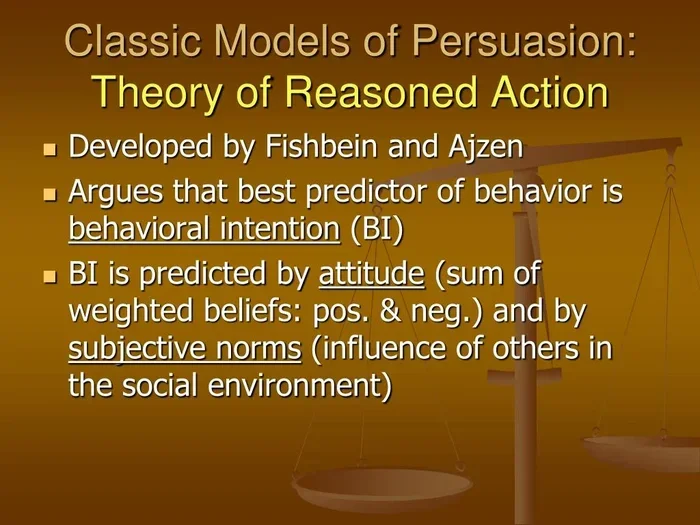
One of the most powerful persuasion techniques comes from a simple human instinct: when someone does something nice for us, we feel compelled to return the favor. This is called the reciprocity principle, and it’s deeply wired into our psychology.
Give Before You Ask
Before you make a request or pitch an idea, offer something of value first. This could be a genuine compliment, helpful information, a small gift, or even just your time and attention. The key is that the gesture should feel authentic, not transactional. People can sense when you’re giving with strings attached, and that actually backfires.
Real-World Examples of Reciprocity
Imagine you want your partner to be more supportive of your career goals. Instead of making demands, start by being extra supportive of their goals first. Offer encouragement, help them with a project, or simply listen when they need to vent. Over time, they’ll naturally want to reciprocate that support. It’s not about keeping score — it’s about creating a cycle of generosity.
In a professional setting, share useful resources or make an introduction that benefits a colleague. When you later need their support on a project, they’ll be far more inclined to help because you’ve already demonstrated goodwill.
3. Use Mirroring to Create Unconscious Connection
Visual guide about persuasion psychology concept
Image source: o.quizlet.com
Have you ever noticed that close friends often sit the same way, talk at similar paces, or even use the same phrases? That’s mirroring in action, and it’s one of the most effective psychological tricks for building trust and influence.
The Science Behind Mirroring
When you subtly match someone’s body language, tone of voice, or speech patterns, their brain registers you as similar to them. And here’s the key insight: people are naturally more persuasive to those they perceive as similar. This isn’t about mockery or imitation — it’s about creating an unconscious sense of familiarity and comfort.
How to Mirror Effectively
Start with body language. If they lean forward, you lean forward. If they speak slowly and softly, adjust your pace to match. Mirror their energy level — if they’re excited, show enthusiasm. If they’re calm, be relaxed. You can also mirror their vocabulary. If they use certain phrases or expressions, naturally incorporate similar language into your own speech.
The most important rule: keep it subtle. If the other person notices you’re copying them, the effect is completely destroyed. Aim for a slight delay of a few seconds, and don’t match every single gesture. Think of it as a gentle echo, not a perfect reflection.
4. Listen More Than You Speak
Visual guide about persuasion psychology concept
Image source: sitetuners.com
This might sound counterintuitive when your goal is to persuade someone, but active listening is arguably the most powerful tool in your persuasion toolkit. When you truly listen, you uncover what the other person actually cares about, fears, and desires.
Why Listening Is Persuasive
Most people enter conversations thinking about what they’re going to say next. They’re so focused on their own argument that they miss crucial information about the other person. When you flip this dynamic and prioritize listening, two things happen. First, the other person feels valued and respected. Second, you gather the intelligence you need to frame your message in a way that resonates with them.
Techniques for Active Listening
Put away your phone. Make eye contact. Nod to show you’re engaged. Ask follow-up questions that demonstrate you’re actually processing what they’re saying. Use phrases like “That’s interesting, tell me more about that” or “It sounds like you’re saying…” to confirm your understanding. When people feel truly heard, they become much more receptive to what you have to say.
If you’re working on improving communication in your relationship, understanding different perspectives is crucial. Learning how to deal with miscommunication and different love languages can transform how effectively you connect with others.
5. Appeal to Emotions Before Logic
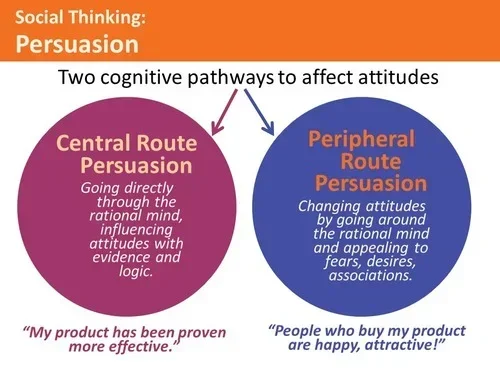
Here’s a fascinating truth about human decision-making: we feel first and think second. Neuroscience research shows that emotions drive the majority of our decisions, and logic comes in afterward to justify what we’ve already felt. If you want to persuade someone effectively, you need to connect with their emotions before presenting your logical arguments.
The Emotional Gateway
Before you present facts, figures, or reasoning, paint a picture that makes the other person feel something. Tell a story. Share a personal experience. Help them visualize the outcome you’re proposing. When someone can see themselves in a scenario and feel the associated emotions, they’re far more likely to be persuaded.
Balancing Emotion and Logic
This doesn’t mean you should abandon logic entirely. The most persuasive approach combines emotional appeal with rational support. Start with the emotional hook — the story, the vision, the feeling — and then back it up with evidence and reasoning. Think of emotion as the door and logic as the furniture inside. You need to get them through the door first.
6. Leverage Social Proof to Build Credibility
Humans are social creatures, and we look to others when making decisions. This psychological phenomenon, known as social proof, is one of the most reliable persuasion techniques available. When people see that others have made the same choice, they feel more confident following suit.
How Social Proof Works
Think about why we read reviews before buying products or why restaurants display “most popular” items on their menus. We assume that if many people have chosen something, it must be the right choice. This mental shortcut saves us time and reduces the perceived risk of making a decision.
Using Social Proof Ethically
Share testimonials, case studies, or examples of others who have benefited from the idea you’re proposing. If you’re trying someone to try a new approach, mention how it has worked for others in similar situations. Use phrases like “many people have found that…” or “a lot of couples have experienced…” The key is honesty — never fabricate social proof. Authenticity is everything.
7. Respect Boundaries and Practice Ethical Persuasion
This final tip is perhaps the most important. True persuasion is about influence, not coercion. The goal should always be to help the other person make a decision that benefits them, not just you. When persuasion crosses into manipulation, it damages trust and destroys relationships.
The Line Between Persuasion and Manipulation
Persuasion respects the other person’s autonomy. It presents information, appeals to shared values, and allows the other person to make their own choice. Manipulation, on the other hand, uses deception, pressure, or emotional exploitation to force a particular outcome. The difference is intent and respect.
When to Step Back
Sometimes the most persuasive thing you can do is give someone space. If you notice resistance, defensiveness, or discomfort, back off. Pushing harder only creates more opposition. Knowing when to pause and let someone process is a sign of emotional intelligence, not weakness. Learning how to give someone space without losing them is a skill that strengthens relationships and makes your future attempts at persuasion more effective.
Quick Tips for Everyday Persuasion
- Start small: Ask for a minor commitment first before making a larger request. This builds momentum.
- Use the word “because”: Studies show that giving a reason dramatically increases compliance, even if the reason seems obvious.
- Frame losses over gains: People are more motivated to avoid losing something than to gain something of equal value.
- Be patient: Real persuasion takes time. Don’t expect instant results.
- Stay authentic: People can sense insincerity from a mile away. Always be genuine.
Common Persuasion Mistakes to Avoid
Even with the best techniques, certain mistakes can undermine your efforts. Avoid these pitfalls:
- Talking too much: If you’re doing most of the talking, you’re not learning anything about the other person.
- Being pushy: Aggressive persuasion creates resistance. Gentle influence is far more effective.
- Ignoring body language: If the other person seems closed off or uncomfortable, adjust your approach.
- Making it all about you: Frame your request in terms of how it benefits them, not just you.
- Giving up too soon: Persuasion is often a process, not a single event. Be patient and persistent.
Expert Insights on Persuasion Psychology
Psychologists who study influence consistently emphasize that the most effective persuaders are those who approach interactions with genuine curiosity and empathy. Dr. Robert Cialdini, author of “Influence: The Psychology of Persuasion,” identifies reciprocity, commitment, social proof, authority, liking, and scarcity as key principles of persuasion. What ties all these principles together is a fundamental respect for the other person’s humanity.
The best persuaders don’t see conversations as battles to be won. Instead, they view them as opportunities to understand another perspective and find common ground. When you approach persuasion with this mindset, you naturally become more influential because people sense your authenticity.
Conclusion
Mastering the art of psychological persuasion isn’t about learning clever tricks to manipulate others. It’s about understanding human behavior deeply and using that understanding to communicate more effectively. When you build genuine rapport, practice reciprocity, mirror naturally, listen actively, appeal to emotions, leverage social proof, and always respect boundaries, you become someone others want to say yes to.
The most important thing to remember is that ethical persuasion always leaves the other person feeling good about their decision. If someone walks away feeling tricked or pressured, you’ve failed — regardless of whether you got what you wanted. Practice these seven tips consistently, and you’ll notice a remarkable improvement in your ability to influence, connect, and communicate with the people around you. Start with one technique today, and build from there. Your relationships — both personal and professional — will thank you.
Frequently Asked Questions
What is 7 Psychological Persuasion Tips How To Persuade Someone Tricks?
7 Psychological Persuasion Tips How To Persuade Someone Tricks is an important topic with many practical applications.
