
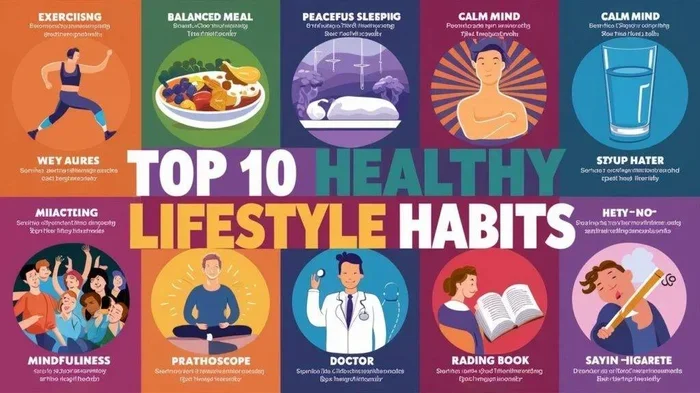
Healthy people don’t rely on luck—they build intentional habits that transform their physical, mental, and emotional well-being. These 10 proven habits of healthy people can help you live longer, feel better, and enjoy every day more fully. Start small, stay consistent, and watch your life change.
What separates people who thrive from those who merely survive? It’s not genetics, wealth, or luck. The habits of healthy people are surprisingly simple and accessible to everyone. These individuals don’t follow extreme diets or spend hours in the gym. Instead, they practice small, consistent behaviors that compound over time into extraordinary results. Whether you want to boost your energy, improve your mood, or add years to your life, adopting even a few of these habits can make a remarkable difference. Let’s explore the daily practices that healthy people swear by—and how you can start implementing them today.
Key Takeaways
- Consistency beats intensity: Small daily habits create lasting health changes more effectively than extreme short-term efforts.
- Mental health matters equally: Healthy people prioritize emotional well-being alongside physical fitness.
- Sleep is non-negotiable: Quality rest is the foundation of every other healthy habit.
- Social connections extend life: Strong relationships are directly linked to longevity and happiness.
- Hydration and nutrition fuel everything: What you consume directly impacts energy, mood, and long-term health.
- Movement should be joyful: Healthy people find physical activities they genuinely enjoy.
- Stress management is essential: Chronic stress undermines even the best health routines.
📑 Table of Contents
- 1. They Prioritize Quality Sleep Every Single Night
- 2. They Stay Hydrated Throughout the Day
- 3. They Move Their Bodies Joyfully
- 4. They Nourish Their Bodies With Whole Foods
- 5. They Manage Stress Proactively
- 6. They Cultivate Strong Social Connections
- 7. They Practice Gratitude Daily
- 8. They Set Boundaries to Protect Their Energy
- 9. They Embrace Lifelong Learning
- 10. They Practice Self-Compassion
- Comparison: Healthy Habits vs. Unhealthy Patterns
- How to Start Building Healthy Habits Today
1. They Prioritize Quality Sleep Every Single Night
Sleep isn’t a luxury—it’s a biological necessity. Healthy people understand that quality rest is the foundation upon which every other habit stands. Without adequate sleep, your body can’t repair itself, your brain can’t consolidate memories, and your emotional resilience crumbles.
Why Sleep Is the Ultimate Health Hack
During deep sleep, your body releases growth hormone, repairs muscle tissue, and strengthens your immune system. Your brain clears out toxic waste products that accumulate during waking hours. Studies consistently show that adults who sleep 7-9 hours per night have lower rates of heart disease, obesity, and depression.
Healthy people treat sleep as sacred. They create bedtime routines that signal to their bodies that it’s time to wind down. This might include dimming lights an hour before bed, reading a physical book, or practicing gentle stretching.
Practical Sleep Strategies
- Set a consistent bedtime and wake-up time—even on weekends
- Keep your bedroom cool, dark, and quiet
- Avoid screens for at least 30 minutes before bed
- Limit caffeine after 2 PM
- Try a relaxing herbal tea like chamomile in the evening
Quick Tip: If you can only change one habit, make it sleep. Everything else becomes easier when you’re well-rested. People who maintain healthy daily routines almost always start with protecting their sleep schedule. For more on building positive routines, check out these daily habits of happiness that complement a good night’s rest.
2. They Stay Hydrated Throughout the Day
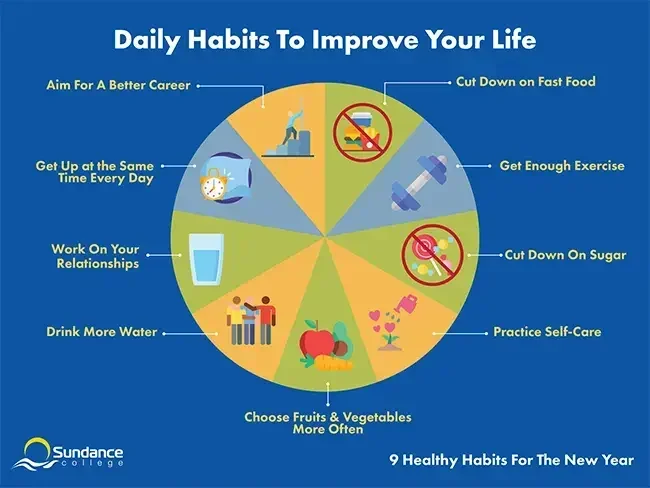
Visual guide about healthy lifestyle habits
Image source: sundancecollege.com
Water is involved in virtually every bodily function. From regulating temperature to transporting nutrients to flushing out toxins, proper hydration is one of the simplest yet most powerful habits of healthy people.
The Hidden Impact of Dehydration
Even mild dehydration—as little as 1-2% of body water loss—can impair cognitive function, reduce energy levels, and trigger headaches. Many people mistake thirst for hunger, leading to unnecessary snacking and weight gain. Healthy people drink water consistently rather than waiting until they feel thirsty.
How Much Water Do You Really Need?
The old “eight glasses a day” rule is a decent starting point, but individual needs vary based on activity level, climate, and body size. A better approach is to monitor your urine color—pale yellow indicates good hydration.
- Start your morning with a full glass of water
- Carry a reusable water bottle everywhere
- Eat water-rich foods like cucumbers, watermelon, and oranges
- Set hourly reminders if you forget to drink
- Flavor water with lemon, mint, or berries for variety
Common Mistake: Replacing water with sugary drinks, energy drinks, or excessive coffee. Healthy people use these beverages sparingly and rely primarily on plain water for hydration.
3. They Move Their Bodies Joyfully
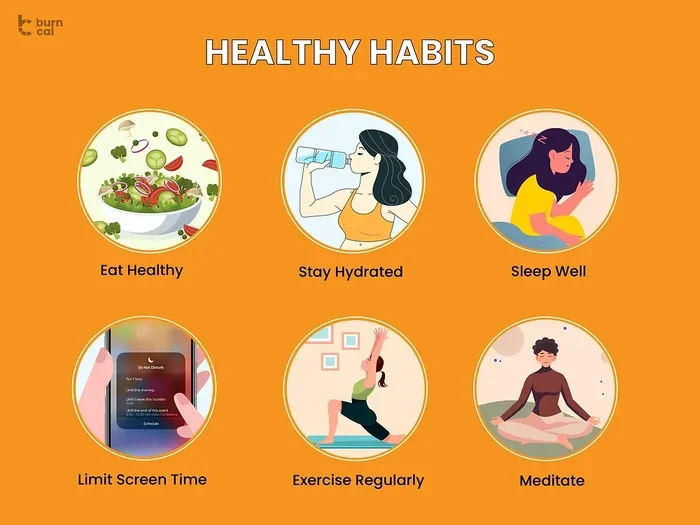
Visual guide about healthy lifestyle habits
Image source: static.wixstatic.com
Here’s a secret about healthy people—they don’t exercise because they have to. They move because they’ve found physical activities they genuinely enjoy. This mindset shift transforms movement from a chore into a celebration of what their bodies can do.
Finding Movement You Love
The best exercise is the one you’ll actually do consistently. For some, that’s dancing in the kitchen. For others, it’s hiking trails, swimming laps, or playing recreational sports. Healthy people experiment until they find activities that feel like play rather than punishment.
The Science of Daily Movement
Research shows that regular physical activity reduces the risk of chronic diseases by up to 50%. It improves mood by releasing endorphins, enhances cognitive function, and promotes better sleep. Even moderate movement—like a 30-minute walk—delivers significant health benefits.
- Aim for at least 150 minutes of moderate activity per week
- Include strength training twice weekly for bone health
- Take walking meetings or phone calls
- Park farther away and take stairs when possible
- Try new activities to prevent boredom
Expert Insight: Dr. Peter Attia, a longevity expert, emphasizes that functional fitness—the ability to perform everyday tasks with ease—is a stronger predictor of long-livedness than any single biomarker. Healthy people train for life, not just for aesthetics.
4. They Nourish Their Bodies With Whole Foods
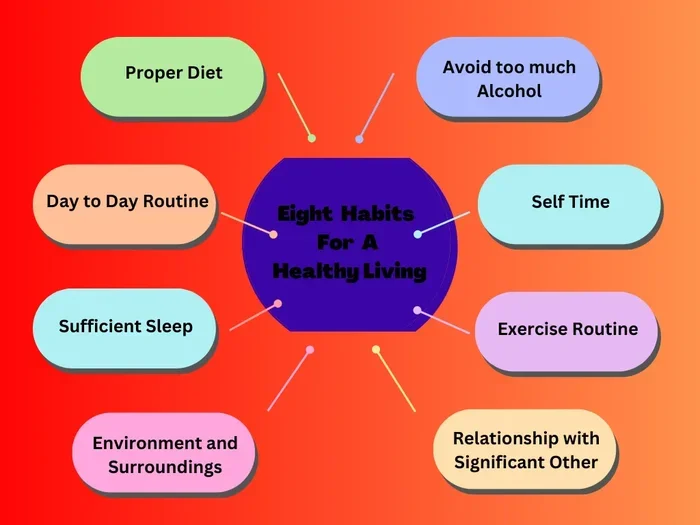
Visual guide about healthy lifestyle habits
Image source: usercontent.one
Healthy people don’t obsess over diets. Instead, they focus on nutrient-dense foods that fuel their bodies and minds. The approach is simple: eat mostly real food, limit processed items, and enjoy treats without guilt.
The Power of Whole Foods
Whole foods—vegetables, fruits, lean proteins, whole grains, nuts, and seeds—provide the vitamins, minerals, and antioxidants your body needs to function optimally. They’re naturally filling, which helps maintain a healthy weight without calorie counting.
Building a Balanced Plate
Healthy people follow a simple framework: fill half your plate with vegetables and fruits, one-quarter with lean protein, and one-quarter with whole grains or starchy vegetables. Add healthy fats like avocado, olive oil, or nuts for satiety.
- Shop the perimeter of the grocery store where whole foods live
- Meal prep on weekends to avoid unhealthy convenience choices
- Read ingredient lists—if you can’t pronounce it, think twice
- Cook at home more often to control ingredients and portions
- Practice mindful eating by slowing down and savoring each bite
Quick Tip: Don’t aim for perfection. The 80/20 rule works well—eat nutrient-dense foods 80% of the time and enjoy your favorites the other 20%. This sustainable approach prevents the restrict-binge cycle that derails so many well-intentioned eaters.
5. They Manage Stress Proactively
Stress is inevitable, but chronic stress is optional. Healthy people develop stress management techniques that prevent tension from accumulating into serious health problems. They understand that mental health is health.
The Toll of Unmanaged Stress
Chronic stress elevates cortisol levels, which can lead to weight gain, weakened immunity, digestive issues, anxiety, and depression. It literally shrinks the prefrontal cortex—the brain region responsible for decision-making and emotional regulation. Healthy people recognize these dangers and take proactive steps to decompress.
Effective Stress Management Tools
- Meditation: Even 5-10 minutes daily reduces cortisol and improves focus
- Deep breathing: Box breathing (4-4-4-4) activates the parasympathetic nervous system
- Journaling: Writing down worries helps process emotions and gain perspective
- Nature exposure: Time in green spaces lowers blood pressure and stress hormones
- Boundaries: Saying no to draining commitments protects mental energy
Common Mistake: Waiting until you’re overwhelmed to manage stress. Healthy people practice stress reduction daily, not just during crises. They build resilience before they need it. Learning how to stay healthy and positive in personal challenges is a skill that compounds over time.
6. They Cultivate Strong Social Connections
Perhaps the most underrated habit of healthy people is their investment in relationships. The Harvard Study of Adult Development, which tracked participants for over 80 years, found that close relationships are the strongest predictor of health and happiness—more than cholesterol levels, genetics, or wealth.
Why Relationships Extend Life
Strong social connections reduce inflammation, boost immune function, and lower the risk of cardiovascular disease. People with supportive relationships live longer, recover faster from illness, and report higher life satisfaction. Loneliness, conversely, is as harmful as smoking 15 cigarettes a day.
Building Meaningful Connections
- Schedule regular time with friends and family—treat it as non-negotiable
- Practice active listening when others speak
- Join clubs, classes, or volunteer groups aligned with your interests
- Reach out to someone you haven’t spoken to in a while
- Be vulnerable and authentic in your interactions
- Limit time with people who drain your energy
Expert Insight: Dr. Robert Waldinger, director of the Harvard Study, notes that good relationships keep us happier and healthier. Period. It’s not the number of friends you have—it’s the quality of your closest connections that matters most.
7. They Practice Gratitude Daily
Healthy people train their brains to notice the positive. Gratitude practice isn’t just feel-good fluff—it’s a scientifically validated method for rewiring your brain toward happiness and resilience.
The Neuroscience of Gratitude
Regularly practicing gratitude activates the hypothalamus, which regulates stress, and stimulates the ventral tegmental area, which produces pleasure. Studies show that people who write gratitude letters or keep gratitude journals experience lower blood pressure, better immune function, and greater overall well-being.
Simple Ways to Practice Gratitude
- Write down three things you’re grateful for each morning
- Tell someone specific reasons you appreciate them
- Keep a gratitude jar and add notes throughout the week
- Take a “gratitude walk” and notice beauty around you
- Before meals, pause to appreciate your food and its source
Quick Tip: Consistency matters more than depth. Writing three simple gratitudes daily creates more benefit than one elaborate weekly entry. The habit of noticing good things trains your brain to scan for positives rather than threats.
8. They Set Boundaries to Protect Their Energy
Healthy people understand that personal boundaries aren’t selfish—they’re essential for sustainable well-being. They know their limits and communicate them clearly, even when it’s uncomfortable.
The Connection Between Boundaries and Health
Poor boundaries lead to resentment, burnout, and chronic stress. When you constantly say yes to others, you’re implicitly saying no to yourself. Healthy people recognize that protecting their time, energy, and emotional capacity enables them to show up fully for what truly matters.
Types of Boundaries Healthy People Set
- Time boundaries: Limiting work hours and protecting personal time
- Emotional boundaries: Not taking responsibility for others’ feelings
- Digital boundaries: Unplugging from devices during meals and evenings
- Social boundaries: Decloting events that drain rather than energize
- Financial boundaries: Saying no to requests that compromise financial goals
Common Mistake: Waiting until you’re resentful to set boundaries. Healthy people establish boundaries proactively and communicate them kindly but firmly. They understand that self-care requires saying no to good things so they can say yes to great things.
9. They Embrace Lifelong Learning
Healthy people stay curious. They read books, learn new skills, take courses, and engage with ideas that challenge their thinking. This intellectual stimulation keeps their minds sharp and their lives interesting.
How Learning Protects Your Brain
Cognitive reserve—the brain’s ability to improvise and find alternative ways of performing tasks—builds through lifelong learning. People who continuously challenge their minds have lower rates of cognitive decline and dementia. Learning new skills creates fresh neural pathways, keeping the brain plastic and resilient.
Ways to Keep Learning
- Read for at least 20 minutes daily—fiction and non-fiction
- Learn a new language using apps like Duolingo
- Take online courses on platforms like Coursera or Skillshare
- Attend workshops, seminars, or community classes
- Engage in thoughtful conversations with people who think differently
- Try hobbies that require skill development like cooking, painting, or music
Expert Insight: Neuroscientist Dr. Marian Diamond found that novelty, challenge, and feedback are the three pillars of brain health. Healthy people intentionally seek all three throughout their lives.
10. They Practice Self-Compassion
The final habit might be the most important. Healthy people treat themselves with the same kindness they’d offer a good friend. Self-compassion means acknowledging your imperfections without harsh self-judgment—and it’s strongly linked to emotional well-being and resilience.
Why Self-Compassion Beats Self-Criticism
Research by Dr. Kristin Neff shows that self-compassionate people are less likely to experience anxiety and depression. They’re more motivated to improve after failures because they don’t waste energy beating themselves up. Self-compassion creates a safe internal environment for growth.
Building Self-Compassion
- Notice your inner critic and consciously soften your self-talk
- Write yourself a compassionate letter during difficult times
- Remember that struggle is part of the shared human experience
- Practice self-care without guilt—rest is productive
- Celebrate small wins rather than fixating on shortcomings
- Forgive yourself for past mistakes—you did the best you could with what you knew
Quick Tip: When you catch yourself in negative self-talk, ask: “Would I say this to someone I love?” If not, reframe the thought with kindness. People who master this skill often display remarkable emotional resilience and maintain healthier relationships as a result.
Comparison: Healthy Habits vs. Unhealthy Patterns
| Life Area | Healthy Habit | Unhealthy Pattern |
|---|---|---|
| Sleep | Consistent 7-9 hours | Irregular schedule, 5-6 hours |
| Nutrition | Whole foods, mindful eating | Processed foods, emotional eating |
| Movement | Daily enjoyable activity | Sedentary lifestyle, no exercise |
| Stress | Proactive management | Ignoring until burnout |
| Relationships | Quality connections, boundaries | Isolation or toxic dynamics |
| Self-talk | Compassionate and encouraging | Harsh criticism and judgment |
How to Start Building Healthy Habits Today
Knowing the habits of healthy people is one thing—implementing them is another. The key is to start small and build momentum. Trying to overhaul your entire life overnight leads to overwhelm and abandonment.
The Stacking Method
Attach new habits to existing ones. For example:
- After brushing your teeth, do 2 minutes of deep breathing
- While coffee brews, write three gratitudes
- Before checking your phone in the morning, stretch for 5 minutes
- After dinner, take a 15-minute walk
The Two-Day Rule
Never skip a habit two days in a row. Life will interrupt your routine—that’s normal. The two-day rule allows for flexibility while preventing the “I’ve already failed, so why bother” mentality that derails progress.
Key Takeaway: The habits of healthy people aren’t complicated. They’re just consistent. Pick one habit from this list, practice it for 30 days, then add another. Within a year, your entire lifestyle can transform—one small choice at a time.
Frequently Asked Questions
What are the most important habits of healthy people?
The most impactful habits include prioritizing 7-9 hours of quality sleep, staying hydrated, eating whole foods, moving daily, managing stress, and maintaining strong social connections. These foundational practices create a cascade of positive effects across physical, mental, and emotional health.
How long does it take to build a healthy habit?
Research suggests it takes an average of 66 days for a behavior to become automatic, though this varies from 18 to 254 days depending on the person and complexity of the habit. The key is consistency over intensity—small daily repetitions build stronger neural pathways than occasional intense efforts.
Can healthy habits really extend your lifespan?
Absolutely. Studies published in the British Medical Journal found that healthy lifestyle behaviors can add up to 6-10 years to your life. Regular physical activity, adequate sleep, strong social ties, and stress management are all independently associated with increased longevity.
What if I can’t afford a gym or organic food?
Most habits of healthy people cost little to nothing. Walking is free, bodyweight exercises require no equipment, and drinking water is cheaper than soda. Frozen vegetables are nutritious and affordable. Sleep, meditation, gratitude practice, and social connection are completely free. Health is accessible to everyone regardless of budget.
How do healthy people stay motivated long-term?
Healthy people don’t rely on motivation—they build systems and routines. They focus on identity (“I’m someone who moves daily”) rather than outcomes (“I want to lose 10 pounds”). They also practice self-compassion when they slip, understanding that perfection isn’t the goal. Consistency, not perfection, creates lasting change.
Do healthy people ever indulge or take breaks?
Yes, and this is actually part of what makes them healthy. Restrictive approaches lead to burnout and binge cycles. Healthy people follow the 80/20 principle—nourishing their bodies most of the time while enjoying treats without guilt. They understand that mental health requires flexibility, and occasional indulgences are part of a balanced, sustainable lifestyle.
