
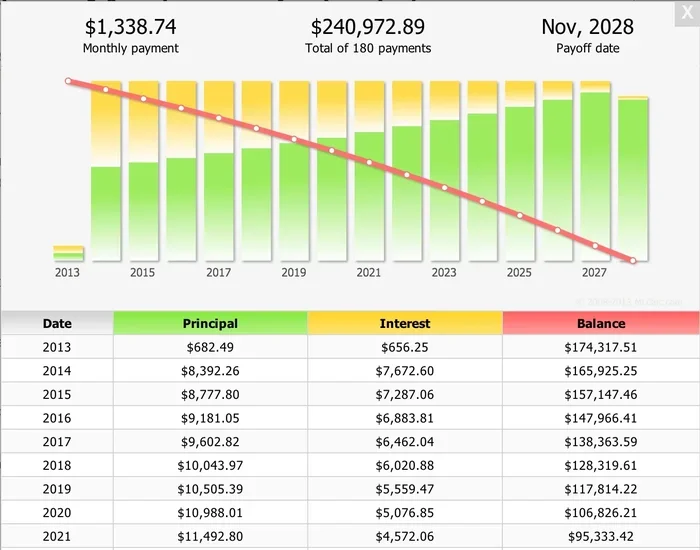
Many homeowners ask will my mortgage payment go down after 5 years as they plan their finances. Your payment might drop if you pay extra or refinance, but it stays the same with a fixed rate. Understanding amortization helps you see where your money goes each month. Read on to learn how to lower your costs and manage your home loan better.
This is a comprehensive guide about Will My Mortgage Payment Go Down After 5 Years.
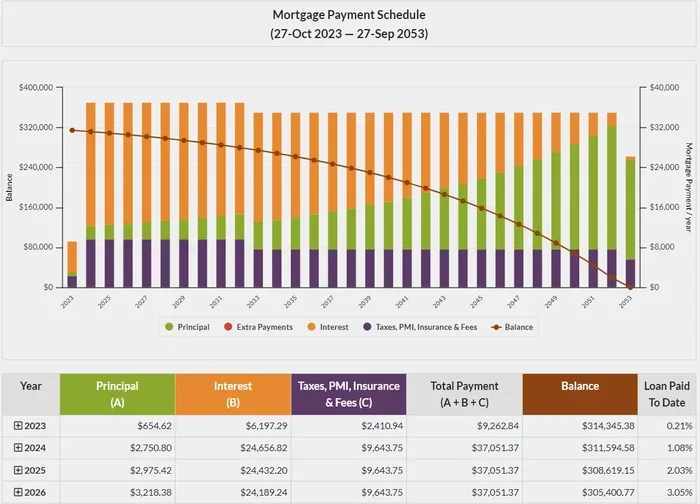
Visual guide about mortgage payment calculator graph
Image source: forbes.com
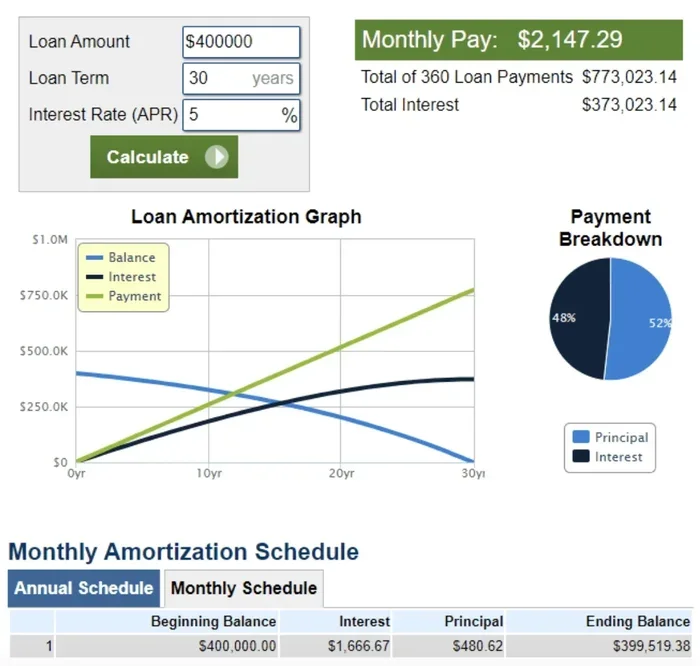
Visual guide about mortgage payment calculator graph
Image source: biggerpockets.com

Visual guide about mortgage payment calculator graph
Image source: mortgageretirementprofessor.com
Key Takeaways
- Fixed Rate Stability: Your principal and interest payment stays the same on a fixed-rate loan unless you refinance.
- Amortization Progress: Over time, more of your payment goes toward principal, building your home equity faster.
- Refinancing Options: You can lower payments by refinancing to a lower interest rate or extending the loan term.
- Extra Payments Help: Making extra payments reduces the balance and saves you money on interest costs.
- Escrow Changes: Property taxes and insurance can change, causing your total monthly payment to fluctuate.
- PMI Removal: You may cancel private mortgage insurance once you reach 20% equity, lowering your bill.
- Financial Planning: Review your mortgage statement yearly to understand payment structure and plan for the future.
[FEATURED_IMAGE_PLACEHOLDER]
Understanding Your Mortgage Payment Structure
Many people buy a home and then wonder will my mortgage payment go down after 5 years. It is a very common question. You want to know where your money goes each month. Your mortgage payment is not just one simple thing. It is made of several parts that work together. You need to know these parts to understand your bill.
The main parts include principal and interest. The principal is the money you borrowed. The interest is the cost of borrowing that money. Lenders charge this fee for using their funds. This is called the interest rate. Your loan term decides how long you pay this back. Most home loans last 15 or 30 years. A fixed-rate mortgage keeps your rate the same for the whole time. This means your principal and interest stay steady.
There are other costs too. These go into an escrow account. This account pays your property taxes and homeowners insurance. Sometimes your total payment changes because these costs go up. But the loan part itself usually stays fixed. You might also pay private mortgage insurance if you put little money down. This protects the lender if you stop paying. Knowing these details helps you plan your financial planning better.
How Amortization Affects Your Balance
Amortization is a big word but the idea is simple. It shows how you pay off the loan over time. In the beginning, most of your payment goes to interest. Very little goes to the principal balance. This is how loan amortization works for most banks. As time goes on, this flips. Later, more money goes to the principal. This builds your home equity faster.
You might think your payment drops because you owe less. But with a fixed rate, the payment amount stays the same. The bank sets it so you pay off the loan by the end date. So even though you owe less, the monthly number does not change. This is why asking will my mortgage payment go down after 5 years needs a clear answer. It depends on how you handle the loan.
If you want to see this in action, look at an amortization schedule. This chart shows every payment for the life of the loan. You can see how the interest portion shrinks. You can also see how the principal portion grows. This helps you understand your mortgage statement better. It shows you the true cost of the loan.
Reasons Your Payment Might Decrease
Even though fixed payments stay steady, some things can lower your bill. You need to know these options if you want to save money. One big way is through refinancing benefits. This means you get a new loan to replace the old one. You might get a lower interest rate this way. If rates drop in the market, you can capture those savings. This directly answers will my mortgage payment go down after 5 years with a yes.
Another reason is removing private mortgage insurance. If you put less than 20% down, you likely pay PMI. This is an extra fee on top of your loan. Once you reach 20% equity, you can ask to remove it. This lowers your monthly cost right away. You should check your home equity status often. It is a great way to reduce expenses without changing your loan term.
You can also make extra payments. When you pay extra, you reduce the principal balance. This does not always lower the monthly payment automatically. But it helps you pay off the loan faster. Some lenders let you recast the loan. This means they re-amortize the balance over the remaining term. This can lower your required monthly payment. It is a smart move for debt reduction.
Refinancing to Lower Costs
Refinancing is a popular tool for homeowners. You might do this after 5 years if rates are better. Maybe your credit score improved too. A better score helps you qualify for lower rates. You need to look at closing costs though. These are fees you pay to get the new loan. You must save enough on payments to cover these costs. This is called the break-even point.
You can also change your loan term. If you extend the term, your monthly payment drops. For example, you could go from 25 years left to 30 years. This spreads the payments out more. But you will pay more interest over time. You need to weigh the pros and cons. It is a trade-off between monthly cash flow and total cost.
Here is a simple comparison of options:
| Option | Monthly Payment | Total Interest Paid | Best For |
|---|---|---|---|
| Keep Current Loan | Stays Same | Standard | Stable finances |
| Refinance to Lower Rate | Decreases | Decreases | Lower rates available |
| Extend Loan Term | Decreases | Increases | Need cash flow now |
| Extra Principal Payments | Stays Same* | Decreases | Want to pay off fast |
*Unless you recast the loan.
Factors That Could Increase Your Payment
Sometimes payments go up instead of down. You should know this so you are not surprised. The biggest reason is changes in escrow. Your property taxes can go up if your home value rises. Local governments might raise tax rates too. Your homeowners insurance can also get more expensive. Storms or inflation can drive these costs higher.
If these costs go up, your lender collects more each month. They hold this money in escrow. Then they pay the bills for you when they are due. This makes your total monthly payment higher. It is not the loan balance changing. It is the taxes and insurance changing. This is a key part of understanding will my mortgage payment go down after 5 years.
Another factor is adjustable rates. If you have an ARM, your rate can change. It might go up after the initial fixed period. This would raise your payment significantly. Most people prefer fixed rates for this reason. But if you have an ARM, you must watch the market. Rate changes can hurt your budget if you are not ready.
The Role of Escrow Accounts
Escrow accounts are like savings accounts for your bills. Your lender manages them for you. This makes paying taxes and insurance easier. You do not have to save up a huge lump sum once a year. Instead, you pay a little bit each month. This is convenient for many homeowners. But it means your payment can fluctuate.
Lenders review escrow accounts yearly. They check if you have enough money saved. If taxes went up, they might ask for more each month. They might also ask for a lump sum to catch up. This is called an escrow shortage. You should read your annual escrow analysis letter. It explains any changes to your bill. This helps you avoid shock when the payment changes.
Strategies to Lower Your Mortgage Costs
You have power over your mortgage costs. You are not stuck with the same bill forever. There are active steps you can take. First, look into refinancing options. Check current market rates often. If they are much lower than your rate, it might be worth it. Use a calculator to see the savings. Make sure the closing costs do not eat up all the gain.
Second, focus on extra payments. Even a small amount helps. You can pay bi-weekly instead of monthly. This means you make 26 half-payments a year. That equals 13 full payments. You make one extra payment every year without trying hard. This reduces the principal faster. It saves you a lot on interest costs over the life of the loan.
Third, remove unnecessary insurance. Check if you still need private mortgage insurance. If your home value went up, you might have 20% equity now. You can request cancellation from your lender. They might require an appraisal. This costs money but saves you monthly. It is a good trade-off for many people.
Making Extra Payments Work for You
Extra payments are a powerful tool. You do not need to be rich to do this. Even fifty dollars a month helps. You must tell the lender to apply it to principal. Otherwise, they might treat it as an early payment. You want to reduce the balance, not just pay next month early. This speeds up your debt reduction goals.
Think about your budget. Where can you find extra money? Maybe you cut dining out or subscriptions. Put that money toward the mortgage. It feels good to see the balance drop. You build home equity faster this way. This gives you more financial freedom later. You can sell the home or borrow against it easier. It is a smart long-term strategy.
Long-Term Financial Planning for Homeowners
Owning a home is a big part of your life. You need to plan for the future. Ask yourself will my mortgage payment go down after 5 years and plan for both answers. If it stays the same, can you afford it later? If it goes down, what will you do with the savings? You should think about retirement too. Your mortgage should not stop you from saving for later years.
Keep an eye on your property taxes. Know the trends in your area. If values are rising fast, expect higher taxes. This helps you budget better. You should also review your insurance policy yearly. Shop around for better rates. You might find a cheaper provider. This lowers your escrow payment too.
Keep your credit score high. This helps you if you need to refinance later. Pay all your bills on time. Keep your credit card balances low. A good score saves you money on many things. It is not just for mortgages. It helps with car loans and credit cards too. Good financial planning covers all these areas.
Key Takeaways for Your Mortgage Journey
To wrap up the main points, remember these things. Your fixed payment stays steady usually. Changes come from taxes, insurance, or refinancing. You can lower costs with smart moves. Extra payments save interest and time. Removing PMI is a quick win. Always review your statements yearly.
You should feel confident about your loan. Knowledge is power here. Do not ignore your mortgage details. Understand the payment structure fully. This helps you make better choices. You can save thousands over the years. It is worth the effort to learn.
Frequently Asked Questions
Will my principal and interest payment change over time?
With a fixed-rate mortgage, your principal and interest stay the same. They do not go down automatically after 5 years. The only way they change is if you refinance or recast the loan.
Can I remove private mortgage insurance to lower payments?
Yes, you can cancel private mortgage insurance once you reach 20% equity. This lowers your monthly bill immediately. You should contact your lender to start the process.
Why did my total mortgage payment increase recently?
Your total payment often rises due to higher property taxes or homeowners insurance. These costs go into your escrow account. Lenders adjust your monthly collection to cover these increases.
Does making extra payments lower my monthly bill?
Making extra payments reduces your balance but does not lower the bill automatically. You must ask for a loan recast to lower the required monthly payment. Otherwise, you just pay off the loan faster.
Is refinancing worth it after 5 years?
Refinancing is worth it if you get a much lower interest rate. You must calculate the closing costs to ensure you save money. It helps if you plan to stay in the home for a while.
How does home equity affect my mortgage options?
More home equity gives you more options. You can remove PMI or qualify for better refinancing options. It also increases your net worth and financial stability.
What happens if I stop paying my mortgage?
Stopping payment leads to late fees and damage to your credit score. Eventually, the lender can start foreclosure proceedings. You should always communicate with your lender if you face hardship.
