
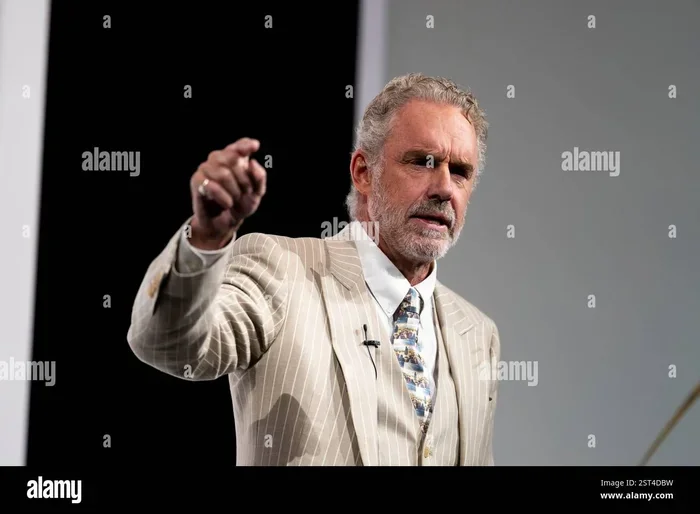
Why Jordan Peterson Won’t Refer To Transgender People By Their Preferred Pronouns remains one of the most discussed issues in modern culture wars. Peterson argues that forced speech violates individual conscience and free expression. He believes language shapes reality and resists what he sees as ideological coercion. Understanding his position requires looking at psychology, philosophy, and personal freedom.
Why Jordan Peterson Won’t Refer To Transgender People By Their Preferred Pronouns has become one of the most recognizable statements in contemporary cultural debates. The Canadian psychologist and professor first gained widespread attention when he publicly opposed legislation requiring the use of preferred pronouns. His stance sparked intense reactions from supporters and critics alike. Many people wonder what drives his position and whether it reflects deeper philosophical beliefs.
To understand his perspective, we need to look at several layers of his thinking. Peterson approaches this issue through the lens of free speech, psychological integrity, and resistance to what he perceives as authoritarian language control. He has consistently argued that being forced to use specific words violates his conscience. This position touches on fundamental questions about language, identity, and personal freedom.
The debate around preferred pronouns extends far beyond one individual. It represents a larger cultural conversation about how society should handle gender identity, respect, and expression. Peterson’s voice became amplified because he positioned himself against a growing social norm. His refusal resonated with many who felt similar pressures in academic and professional settings.
Key Takeaways
- Free Speech Concerns: Peterson views mandatory pronoun usage as compelled speech that violates personal liberty.
- Psychological Resistance: He believes language changes should come organically rather than through legal mandates.
- Philosophical Framework: His stance draws from existentialism and the importance of individual responsibility.
- Social Polarization: The debate reflects broader tensions between identity politics and traditional values.
- Professional Impact: Peterson faced significant consequences including legal challenges and public backlash.
- Cultural Symbolism: His position became a rallying point for those opposing progressive language policies.
- Ongoing Debate: The pronoun controversy continues to shape discussions about gender identity and free expression.
📑 Table of Contents
Understanding The Free Speech Argument
The Core Principle Of Voluntary Expression
At the heart of why Jordan Peterson won’t refer to transgender people by their preferred pronouns lies a commitment to free expression. Peterson has repeatedly stated that compelling someone to use specific language crosses a fundamental boundary. He believes that speech should remain voluntary, especially when it involves personal beliefs and moral convictions.
This position connects to broader discussions about compelled speech. Many legal scholars and philosophers have debated whether governments or institutions can require individuals to express ideas they disagree with. Peterson frames pronoun mandates as a form of ideological coercion. He argues that forcing language use undermines authentic communication and personal integrity.
Historical Context Of Speech Debates
Free speech debates have existed throughout history. Different societies have struggled with balancing individual expression against social harmony. Peterson places his argument within this long tradition of defending voluntary speech. He sees pronoun requirements as an unprecedented expansion of institutional control over personal expression.
Supporters of his view often point to the importance of protecting dissenting voices. They argue that social progress should come through persuasion and dialogue rather than mandates. Critics counter that refusing to use preferred pronouns causes real harm to transgender individuals. Both sides raise valid concerns about dignity, respect, and liberty.
Practical Implications In Daily Life
The free speech argument has real-world consequences. People in workplaces, schools, and public institutions face decisions about how to navigate pronoun usage. Some choose compliance to avoid conflict or professional consequences. Others, like Peterson, choose resistance based on conscience. This creates tension in environments where social expectations shift rapidly.
Understanding this dimension helps explain why the issue generates such strong emotions. Language feels deeply personal to many people. When institutions require specific words, some individuals experience it as an attack on their autonomy. Peterson’s stance taps into this broader anxiety about losing control over personal expression.
Psychological Factors Behind His Position
Identity And Personal Consistency
Psychologically, why Jordan Peterson won’t refer to transgender people by their preferred pronouns connects to his emphasis on personal consistency. Peterson has built his public identity around intellectual independence and resistance to social pressure. Changing his language use would feel like betraying his core principles. For him, maintaining consistency between beliefs and actions matters deeply.
Psychologists note that people often resist changes that threaten their self-concept. When someone has built a reputation around certain values, shifting position can feel psychologically costly. Peterson’s audience expects him to remain consistent with his stated principles. This creates social pressure that reinforces his original stance.
The Psychology Of Resistance
Resistance to social norms often stems from a desire for autonomy. When people feel pressured to conform, they may push back more strongly. This reaction appears across many domains, from politics to lifestyle choices. Peterson’s pronoun stance can be understood as part of this broader psychological pattern.
He has also spoken about the importance of facing difficult truths rather than avoiding discomfort. In his view, refusing to use preferred pronouns represents a commitment to speaking what he believes is true. This aligns with his broader messaging about personal responsibility and intellectual honesty. The psychological dimension adds depth to what might otherwise seem like a simple language dispute.
Emotional Investment In The Debate
The pronoun debate triggers strong emotions on all sides. Transgender advocates feel disrespected when their identities are not acknowledged. Those who resist pronoun mandates feel their freedoms are threatened. Peterson occupies a visible position in this emotional landscape. His willingness to endure criticism demonstrates significant emotional commitment to his position.
This emotional intensity explains why the issue remains so polarized. People are not just arguing about words. They are arguing about dignity, recognition, and the kind of society they want to build. Peterson’s psychological framing emphasizes individual conscience over social conformity.
Philosophical Foundations Of His Stance
Existentialism And Individual Responsibility
Philosophically, why Jordan Peterson won’t refer to transgender people by their preferred pronouns draws from existentialist ideas about individual responsibility. Peterson frequently references the importance of each person taking ownership of their choices. He views language as something individuals should control rather than having it dictated by external authorities.
Existentialist thinkers emphasize authenticity and personal freedom. From this perspective, being forced to speak in a certain way violates the individual’s capacity for authentic choice. Peterson applies this framework to the pronoun debate by arguing that language mandates undermine personal agency. He believes people should persuade each other through reason rather than coercion.
Language As A Social Construct
Peterson has also discussed the relationship between language and reality. He suggests that language evolves through usage rather than top-down mandates. This view places him in tension with those who see preferred pronouns as a necessary evolution of respectful communication. The philosophical question becomes who gets to decide how language changes.
Some linguists support the idea that language shifts through community usage. Others argue that intentional language changes can promote social inclusion. Peterson’s position leans toward skepticism about institutional language engineering. He prefers organic development over mandated transformation. This philosophical distinction underlies much of the disagreement.
The Role Of Tradition And Order
Another philosophical element involves the value of tradition and social order. Peterson has often emphasized the importance of established structures for maintaining stability. He views rapid social changes around gender and language as potentially disruptive. This perspective connects to conservative philosophical traditions that prioritize continuity and caution.
Critics argue that tradition should not override the dignity of marginalized groups. They see preferred pronouns as a small adjustment that promotes respect. Peterson sees the same adjustment as part of a larger ideological project he opposes. The philosophical divide reflects different priorities about change, stability, and individual rights.
Social And Cultural Context
The Rise Of Identity Politics
The broader social context matters when examining why Jordan Peterson won’t refer to transgender people by their preferred pronouns. Identity politics has become increasingly prominent in Western societies over recent decades. This approach emphasizes the experiences and rights of specific social groups. Peterson has been a vocal critic of identity politics, seeing it as divisive and counterproductive.
The pronoun debate sits at the intersection of identity politics and free speech. Advocates argue that using preferred pronouns acknowledges the humanity of transgender people. Opponents see it as an imposition of ideological conformity. Peterson’s resistance aligns with his broader critique of identity-based frameworks. He prefers individual-focused approaches over group-based categories.
Generational And Cultural Divides
Different generations often approach language and identity differently. Younger people tend to be more familiar with evolving gender concepts and pronoun usage. Older generations may feel more uncertain or resistant to these changes. Peterson, born in 1962, represents a generation that came of age with different social norms around gender and language.
These generational differences fuel much of the cultural tension. What feels like basic respect to some feels like ideological pressure to others. Peterson’s stance resonates with people who share his generational perspective. It also alienates those who view pronoun usage as a matter of basic courtesy. Understanding these divides helps explain the intensity of the debate.
Institutional Responses And Backlash
Institutions have responded to the pronoun debate in various ways. Some universities and companies have adopted policies requiring preferred pronoun usage. Others have taken a more permissive approach. Peterson’s public position influenced how these debates unfolded in Canada and beyond. His willingness to challenge institutional norms encouraged others to voice similar concerns.
The backlash against Peterson included public criticism, media scrutiny, and legal challenges. He became a symbol for those opposing pronoun mandates. This symbolic role amplified both support and opposition. The institutional dimension shows how individual stances can shape broader cultural conversations.
Professional And Personal Consequences
Legal And Career Impact
One practical aspect of why Jordan Peterson won’t refer to transgender people by their preferred pronouns involves the consequences he faced. Peterson encountered legal challenges related to his stance on compelled speech. He also experienced significant media attention and public debate. These consequences demonstrate the real stakes involved in taking a controversial position.
Career impacts vary depending on the environment. In some academic and professional settings, resisting pronoun norms can create tension or limit opportunities. In other contexts, it may build support among like-minded individuals. Peterson’s experience shows both the risks and the rewards of maintaining an unpopular position. His continued public presence suggests that his stance did not end his career.
Public Reception And Polarization
Public reaction to Peterson’s position has been deeply polarized. Supporters view him as a defender of free speech and individual conscience. Critics see him as resistant to social progress and insensitive to transgender people. This polarization reflects the broader cultural divide around gender identity and language.
The intensity of public response shows how much this issue matters to people. Few language debates generate such strong emotions. Peterson’s prominence ensures that his position continues to influence the conversation. Whether people agree or disagree, his stance remains a reference point in discussions about pronouns and free expression.
The Personal Cost Of Public Stances
Taking a controversial public position carries personal costs. Peterson has faced stress, criticism, and reputational challenges. He has also gained a dedicated following that appreciates his willingness to speak out. The balance between cost and benefit varies for each individual who takes a similar stance.
Understanding these personal dimensions adds humanity to the debate. Behind the abstract arguments about language and policy are real people making difficult choices. Peterson’s experience illustrates the weight of public controversy on individual lives. This perspective encourages empathy even among those who strongly disagree.
Broader Implications For Society
Free Expression In A Changing World
The debate over why Jordan Peterson won’t refer to transgender people by their preferred pronouns raises broader questions about free expression in modern society. As social norms evolve, tensions emerge between old and new expectations. Finding a balance between respect and freedom remains an ongoing challenge. Peterson’s position highlights the difficulty of navigating these competing values.
Societies must decide how to handle disagreements about language and identity. Some favor accommodation and inclusion through mandated language. Others prioritize individual choice and voluntary communication. Both approaches have merits and drawbacks. The conversation continues to evolve as more people engage with these questions.
Finding Common Ground
Despite the polarization, there may be room for common ground. Many people want both respect for transgender individuals and protection for free expression. Achieving both goals requires thoughtful dialogue and mutual understanding. Peterson’s stance, while controversial, has pushed these issues into public discussion.
Constructive conversations can help bridge divides. Listening to different perspectives without immediate judgment creates space for understanding. People on all sides of the pronoun debate share a desire for dignity and respect. Finding ways to honor both individual conscience and social inclusion remains an important goal.
The Future Of Language And Identity Debates
Looking ahead, the conversation around pronouns and gender identity will likely continue. Language evolves as societies change. New generations bring different perspectives and expectations. The debate that Peterson helped amplify will shape how future discussions unfold. His position serves as a reminder of the tensions that accompany social change.
Ultimately, societies develop through negotiation and adaptation. The pronoun controversy reflects deeper questions about how we treat each other and how we handle disagreement. Understanding why Jordan Peterson won’t refer to transgender people by their preferred pronouns offers insight into these larger cultural dynamics. The conversation matters because it touches on fundamental values that shape our communities.
People interested in related topics might explore why speaking up for yourself can feel so challenging or learn about navigating miscommunication and different love languages in relationships. These resources provide additional perspective on communication challenges and personal expression.
Frequently Asked Questions
Why does Jordan Peterson refuse to use preferred pronouns?
Jordan Peterson refuses to use preferred pronouns because he views mandatory language requirements as compelled speech that violates his conscience and free expression. He believes individuals should not be forced to express ideas they disagree with, even in the context of respectful communication.
Has Jordan Peterson faced legal consequences for his stance?
Yes, Peterson faced legal challenges and complaints related to his refusal to use preferred pronouns in professional settings. These challenges brought attention to the broader debate about compelled speech and individual rights in Canada and beyond.
Do psychologists support Peterson’s view on pronouns?
Psychologists hold diverse views on this issue. Some emphasize the importance of respecting gender identity for mental health, while others support concerns about free expression and personal autonomy. There is no single psychological consensus on the matter.
How does Peterson’s stance relate to free speech debates?
Peterson frames his position within free speech debates by arguing that language mandates represent a form of ideological coercion. He believes that protecting voluntary expression is essential for a free society, even when that expression causes discomfort to others.
What impact has Peterson had on the pronoun debate?
Peterson has significantly amplified the debate by making his position highly visible. His stance encouraged others to voice similar concerns and brought attention to tensions between identity politics and free expression. He remains a central figure in discussions about pronouns and language policy.
Can people disagree about pronouns while still showing respect?
Many people believe it is possible to disagree about pronoun mandates while still treating transgender individuals with dignity. Constructive dialogue, active listening, and finding common ground can help bridge divides. Respect does not always require identical language choices.
