
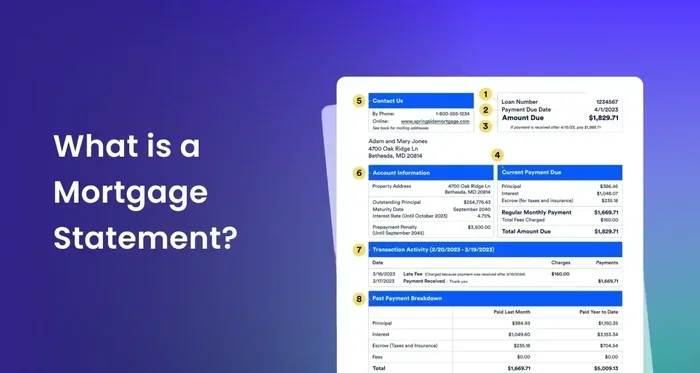
If you have ever looked at your statement and asked why is my mortgage balance not going down, you are not alone. Many homeowners feel confused when their principal stays stuck while interest eats up their monthly payments. In this guide, we will break down the math, explain common pitfalls, and share simple strategies to finally see that number drop.
This is a comprehensive guide about Why Is My Mortgage Balance Not Going Down.
Key Takeaways
- Interest dominates early payments: Most of your first years go toward interest, not principal.
- Extra payments matter: Even small extra amounts can cut years off your loan.
- Escrow changes can mask progress: Taxes and insurance shifts may make your total payment look flat.
- Refinancing resets the clock: A new loan can lower rates but delay principal reduction.
- Check for errors: Servicing mistakes do happen, so review your statements closely.
- Biweekly plans help: Splitting payments can reduce interest and speed up payoff.
- Stay consistent: Regular extra contributions build momentum over time.
[FEATURED_IMAGE_PLACEHOLDER]
Why Is My Mortgage Balance Not Going Down? The Basics
It feels frustrating when you send in your payment every month and the loan amount barely moves. You might wonder why is my mortgage balance not going down even though you pay on time. The truth is that mortgages work in a specific way. Your payment covers more than just the loan itself. It also covers interest, taxes, and insurance in many cases.
When you first start paying, most of your money goes to interest. This happens because interest is calculated on the full amount you borrowed. The principal is the actual loan balance. As you pay down the principal, the interest charge gets smaller. But in the early years, that shift is slow. You may not see big changes right away. That does not mean you are doing anything wrong. It just means the loan is following its normal schedule.
Many people expect a straight line drop. They think every payment should shave off the same amount. That is not how amortized loans work. Instead, the payment stays the same, but the split changes over time. Early on, interest gets the bigger share. Later, more of your payment hits the principal. This design keeps payments predictable. It also helps lenders manage risk. For you, it means patience matters. Understanding this pattern can remove a lot of stress.
How Your Monthly Payment Is Split
Your monthly payment usually has several parts. The main parts are principal and interest. Some loans also include escrow for taxes and insurance. The principal part reduces what you owe. The interest part pays the lender for borrowing money. Escrow funds sit in a separate account until bills are due. If your taxes or insurance rise, your total payment can change. That change can make it seem like your balance is stuck. In reality, the loan portion may still be shrinking.
Here is a simple way to think about it. Imagine you pay 1,500 dollars each month. Maybe 1,100 goes to interest at first. Only 400 goes to principal. Next year, the interest might drop to 1,050. Now 450 goes to principal. The total payment looks the same. But the loan balance is moving. This slow shift is normal. It is the heart of the question why is my mortgage balance not going down in the early years.
Why the Early Years Feel Slow
The first years feel slow because the loan is largest at the start. Interest is a percentage of what you still owe. A large balance means a larger interest charge. That leaves less room for principal reduction. This is true for fixed-rate loans and many adjustable loans too. The schedule is set up to keep payments steady. It is not trying to trick you. It is just math.
If you want faster progress, you need a plan. Small changes can help a lot over time. Extra payments, biweekly plans, or shorter terms can all make a difference. The key is consistency. Even modest amounts add up. You do not need a huge windfall to make progress. You just need a clear strategy and a bit of discipline.
Why Is My Mortgage Balance Not Going Down? Common Reasons
Sometimes the issue is not the loan structure. Sometimes it is a specific detail in your account. If you are asking why is my mortgage balance not going down, it helps to check a few common causes. These causes can hide your real progress. They can also slow your payoff if you do not notice them.
High Interest Rates on Your Loan
Interest rates have a big impact on how fast you pay down the loan. A higher rate means more of each payment goes to interest. That leaves less for the principal. If you locked in a high rate years ago, your balance may move slowly. This is especially true in the first half of the loan. Lower rates can help, but they are not always available. If your rate is high, focus on extra payments. That is the most direct way to fight the interest load.
Escrow Fluctuations Masking Progress
Taxes and insurance can change from year to year. When they go up, your servicer may collect more each month. When they go down, you may pay less. These changes affect the total payment, not just the loan part. If your total payment rises, you might think the balance is stuck. In truth, the principal could still be falling. Always compare the principal portion, not just the total due. This small habit clears up a lot of confusion.
Payment Processing or Servicing Errors
Mistakes do happen. A payment can be posted late. An extra amount might not be applied to principal. Some servicers default extra funds to future interest unless you specify otherwise. If you sent a lump sum to pay down the loan, make sure it was credited correctly. Check your statement line by line. Look for the principal reduction amount. If something looks off, contact your servicer quickly. Keep records of everything you send. Clear notes and dates help resolve issues faster.
Capitalized Interest or Fees
Some loans add unpaid interest to the balance. This is called capitalization. It can happen after deferment, forbearance, or certain loan changes. Fees can also get added in rare cases. When that happens, the balance can rise or stall. This is more common in some student-style structures, but it can appear in mortgage servicing too. If you see a sudden jump or a flat line, ask for an explanation. Request a breakdown of charges. You deserve a clear answer.
Why Is My Mortgage Balance Not Going Down? The Amortization Reality
Amortization is the engine behind your payment schedule. It decides how each payment splits between interest and principal. If you are asking why is my mortgage balance not going down, amortization is usually the main answer in the early years. It is helpful to see how it works in plain language.
How Amortization Schedules Work
An amortization schedule is a timeline of payments. It shows how much goes to interest and how much goes to principal each month. The total payment stays the same in a fixed-rate loan. The split changes over time. Early payments are interest-heavy. Later payments are principal-heavy. This design makes the loan predictable. It also means progress feels slow at first. The good news is that the pace picks up as time goes on.
Think of it like a seesaw. At the start, interest is heavy on one side. Principal is light on the other. As you pay down the balance, the interest side gets lighter. The principal side gets heavier. Eventually, more of your payment reduces the loan. This is normal. It is not a sign that something is broken. It is simply the shape of the loan.
Why Extra Payments Change the Curve
Extra payments can change the shape of your schedule. When you pay more than required, you can direct that money to principal. That reduces the balance faster. A smaller balance means less interest next month. Then more of your regular payment goes to principal too. This creates a positive cycle. Over time, the effect grows. You can save a lot of interest and finish sooner. The trick is to make extra payments regularly, even if they are small.
You do not need to double your payment to win. A little extra each month helps. So does a yearly lump sum, like from a tax refund. The goal is to keep pressure on the principal. That is the fastest way to answer why is my mortgage balance not going down with action instead of worry.
Why Is My Mortgage Balance Not Going Down? Simple Fixes That Help
Once you understand the reasons, you can take smart steps. You do not need fancy tools. You need a clear plan and steady habits. If you keep asking why is my mortgage balance not going down, these fixes can turn things around.
Make Targeted Extra Payments
Extra payments work best when they go straight to principal. Tell your servicer exactly how to apply the money. Do not assume it will happen automatically. Even a small amount helps. For example, an extra 50 dollars a month can trim the loan over time. A 500 dollar annual payment can do even more. The key is to be consistent. Pick a amount you can sustain. Then keep going. Progress builds quietly, then all at once.
Try a Biweekly Payment Plan
A biweekly plan means you pay half your monthly amount every two weeks. That creates 26 half-payments a year. Those 26 halves add up to 13 full payments. One extra payment a year can speed things up. It also fits some budgets better. You may feel less strain than making one big extra payment. Ask your servicer if they offer this option. If not, you can often set it up on your own. Just be sure the extra amount goes to principal.
Refinance With Care
Refinancing can lower your rate. A lower rate can reduce interest and free up more money for principal. But refinancing has costs. It can also reset your timeline. A new 30-year loan may lower the payment, but it can slow principal reduction again. Before you refinance, compare the total cost. Look at the break-even point. Ask how the new schedule affects your balance over time. If you plan to move soon, refinancing may not be worth it. If you plan to stay, it might help.
Recast or Modify When Possible
Some lenders let you recast a loan after a large principal payment. Recasting keeps your rate and term, but it lowers the payment based on the new balance. This can help your cash flow without restarting the clock. Not every loan qualifies. Ask your servicer if this option exists. If it does, it can be a smart middle ground. You get relief now, and the balance still moves down over time.
Why Is My Mortgage Balance Not Going Down? Mistakes to Avoid
Good intentions can still lead to slow progress. Some common mistakes keep the balance stuck. If you want real movement, avoid these traps.
Ignoring the Statement Details
Do not just glance at the total due. Look at the principal portion. Check for misapplied payments. Watch for fee additions or escrow changes. A quick monthly review takes only a few minutes. It can catch problems early. It also helps you see the real trend. When you track the right numbers, the picture becomes clearer.
Paying Only the Minimum Forever
Minimum payments keep the loan alive. They do not speed up payoff. If you only pay the minimum for years, interest keeps doing the heavy lifting. That is why the balance can feel frozen. Adding even a little extra changes the outcome. You do not need perfection. You need a habit. Start small, then grow the habit as you can.
Assuming All Extra Money Is Applied Correctly
Servicers often apply unspecified extra funds to future interest or escrow. That means your principal may not get the boost you expected. Always label extra payments clearly. Use the right address or portal field. Keep proof of submission. If you are unsure, call and confirm. A simple clarification can prevent months of confusion.
Chasing Shiny Fixes Without Math
Some ideas sound great but do not help much. For example, skipping a payment to save cash usually costs more later. Some programs promise quick relief but add fees. Always run the numbers first. Compare the cost of the move to the benefit. If the math is weak, skip it. Steady, simple steps usually win over time.
Why Is My Mortgage Balance Not Going Down? When to Get Help
Most of the time, the answer is math and timing. Sometimes, though, you need a second set of eyes. If you see repeated errors, odd charges, or a balance that jumps without reason, reach out. Start with your servicer. Ask for a payment history and a breakdown of charges. Keep notes on who you spoke with and when. If the response is unclear, ask for a supervisor or a written explanation.
You can also talk to a housing counselor or a trusted financial advisor. A counselor can help you read your statement and plan extra payments. An advisor can help you compare refinance options and budget for payoff. If your loan has special terms, get a clear explanation before you make big moves. The more you understand, the easier it is to act with confidence.
If you feel stuck, remember this. The balance does not have to stay mysterious. A few checks and a simple plan can bring clarity. You can move from wondering why is my mortgage balance not going down to seeing real progress month by month.
Final Thoughts on Your Mortgage Balance
It is normal to worry when the number on your statement barely changes. But in most cases, the loan is simply following its schedule. Interest takes a large share early on. Escrow changes can blur the picture. Servicing mistakes can also create confusion. Once you know what to look for, the path gets clearer.
You have real options. Extra payments, biweekly plans, and careful refinancing can all help. Small, steady actions matter more than dramatic one-time moves. Track the principal portion. Label extra funds clearly. Review your statement each month. Over time, those habits turn slow progress into meaningful gains.
If you still wonder why is my mortgage balance not going down, start with the basics. Check your split. Confirm your payments. Pick one simple step you can repeat. Then keep going. Your future self will thank you for the consistency today.
Frequently Asked Questions
Why does my mortgage balance barely change in the first few years?
In the early years, most of your payment goes to interest because the loan balance is still high. This is normal for amortized loans. The principal portion grows slowly over time as the balance falls.
Can extra payments really make a difference if my balance is not dropping?
Yes, extra payments can reduce the principal faster and lower future interest charges. Even small, regular extra amounts can shorten the loan and save money over time.
Should I worry if my total monthly payment went up but the balance is flat?
Not always. Your total payment can rise because of higher taxes or insurance, while the loan portion still shrinks. Check the principal line on your statement to see the real trend.
What should I do if I think my servicer applied my payment incorrectly?
Review your statement and payment history carefully, then contact your servicer with dates and amounts. Ask for a written explanation and keep copies of all records until the issue is fixed.
Is refinancing a good way to make my balance go down faster?
Refinancing can lower your interest rate, but it may also reset your loan term and slow principal reduction again. Compare the total costs and your planned move timeline before deciding.
How can I tell if my loan has added interest or fees that stalled my progress?
Look for sudden balance increases or a lack of principal reduction on your statement. If you see unusual charges, request a detailed breakdown from your servicer and ask what each charge represents.
Frequently Asked Questions
What is Why Is My Mortgage Balance Not Going Down?
Why Is My Mortgage Balance Not Going Down is an important topic with many practical applications.