

Many homeowners wonder why do people take out a second mortgage to fund major life expenses. This financial tool unlocks home equity for renovations, debt payoff, or education costs. However, it comes with risks like higher monthly payments and foreclosure potential. Understanding the pros and cons helps you make the right choice for your budget.
This is a comprehensive guide about Why Do People Take Out A Second Mortgage.

Visual guide about family home renovation paperwork
Image source: i.etsystatic.com
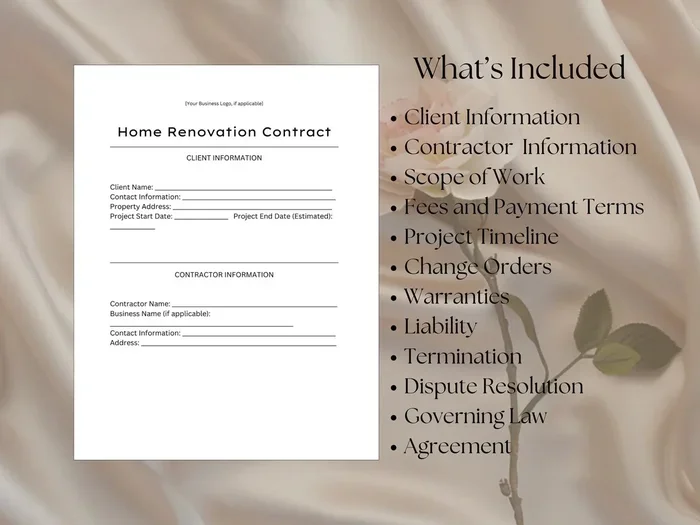
Visual guide about family home renovation paperwork
Image source: i.etsystatic.com

Visual guide about family home renovation paperwork
Image source: i.pinimg.com
Key Takeaways
- Access to Equity: A second mortgage lets you borrow against the value you have built in your home.
- Lower Rates: Interest rates are often lower than credit cards or personal loans.
- Tax Benefits: You may qualify for tax deductions on interest paid for specific uses.
- Risk of Foreclosure: Your home serves as collateral, so missed payments put your house at risk.
- Fixed Costs: Closing costs and fees can be high, similar to your first mortgage.
- Financial Discipline: Use the funds for value-adding purposes rather than discretionary spending.
- Professional Advice: Always consult a financial advisor before committing to new debt.
[FEATURED_IMAGE_PLACEHOLDER]
Understanding Why Do People Take Out a Second Mortgage
Homeownership is one of the biggest financial milestones in life. As you pay down your primary loan, you build equity. This equity represents the portion of the home you truly own. Many homeowners sit on this wealth without realizing its potential. Why do people take out a second mortgage to access this value? The answer varies based on individual financial goals and urgent needs.
A second mortgage is a loan secured by your home behind your first mortgage. It allows you to borrow a lump sum or access a line of credit. People often choose this route because it offers lower interest rates than unsecured debt. Credit cards and personal loans carry higher risks for lenders. Therefore, they charge more. A home-secured loan is less risky for the bank. This translates to better terms for you. However, it is not a decision to take lightly. You are putting your home on the line again.
Understanding the mechanics is crucial before signing papers. You need to know how equity works and what lenders require. Your credit score plays a big role too. Lenders look at your debt-to-income ratio. They want to ensure you can handle two mortgage payments. This section explores the foundational reasons behind this financial move. It sets the stage for deeper dives into specific uses and risks.
What Is Home Equity?
Home equity is the difference between your home’s market value and what you owe. Imagine your home is worth $300,000. If you owe $200,000 on your first mortgage, you have $100,000 in equity. This is your financial stake in the property. Lenders allow you to borrow against this stake. They usually limit the total loan amount to a percentage of the home’s value. This is known as the loan-to-value ratio.
Building equity takes time. You build it through monthly payments and property appreciation. Sometimes, market conditions boost your home value quickly. This sudden increase might tempt homeowners to cash out. Why do people take out a second mortgage when values rise? They want to utilize the increased buying power. It is like finding money in your pocket. But remember, spending equity reduces your ownership stake.
Types of Second Mortgages
There are two main types of second mortgages available to borrowers. The first is a home equity loan. This provides a lump sum of cash upfront. You repay it over a fixed term with a fixed interest rate. It works like a traditional mortgage but for a smaller amount. The second type is a home equity line of credit, or HELOC. This works more like a credit card. You have a limit you can draw from as needed. You only pay interest on what you use.
Choosing between them depends on your needs. A lump sum is good for one-time projects. A HELOC is better for ongoing expenses. Both options impact your monthly budget. You must consider which structure fits your cash flow. Fixed payments offer stability. Variable rates on HELOCs can fluctuate. Understanding these differences helps you answer why do people take out a second mortgage for their specific situation.
Common Reasons for Getting a Second Mortgage
People pursue second mortgages for various practical reasons. Some need to fix up their living space. Others want to eliminate high-interest debt. Major life events also drive this decision. Knowing the common motivations helps you evaluate your own needs. It clarifies whether this tool fits your financial picture.
One of the most popular reasons is renovation. Home improvements can increase property value. They also improve your quality of life. Kitchens and bathrooms are common targets. These projects often cost tens of thousands of dollars. Saving up cash takes years. A second mortgage provides immediate funding. This allows you to start work right away.
Debt consolidation is another major driver. Many people carry balances on high-interest credit cards. The interest rates on cards can exceed 20 percent. Mortgage rates are typically much lower. By consolidating, you simplify your payments. You also save money on interest over time. This frees up cash for other goals. It is a strategic move for financial health.
Home Improvements and Renovations
Renovating your home is a smart investment if done correctly. It increases comfort and potentially boosts resale value. Why do people take out a second mortgage for repairs? Sometimes repairs are urgent. A failing roof or old HVAC system needs immediate attention. You cannot wait to save up. A loan solves the immediate problem.
Cosmetic upgrades are also common. New flooring or paint can refresh a space. These changes make the home feel new again. They can also help if you plan to sell soon. Adding value now means more profit later. However, not all renovations return their cost. You must choose projects wisely. Focus on high-impact areas.
Debt Consolidation Strategies
Consolidating debt simplifies your financial life. Instead of multiple due dates, you have one. This reduces the chance of missed payments. Missed payments hurt your credit score. A second mortgage can stop this cycle. It replaces high-interest debt with lower-interest debt. This is a powerful financial lever.
But discipline is required. Some people pay off cards and then run up the balances again. This creates a dangerous debt spiral. You now have two mortgages and new credit card debt. This is a risky position. You must commit to not using the cleared credit lines. Financial counseling can help maintain this discipline.
Financial Benefits and Risks
Every financial product has pros and cons. A second mortgage is no exception. It offers access to capital but adds liability. You must weigh the benefits against the potential downsides. This balance determines if the move is wise. Ignoring the risks can lead to severe consequences.
The primary benefit is the interest rate. Secured loans cost less than unsecured ones. This saves you money over the life of the loan. Another benefit is the potential tax deduction. Interest on home equity loans may be tax-deductible. This applies if the funds are used to improve the home. Tax laws change, so verify with a pro.
The risks are significant. Your home is the collateral. If you default, the lender can foreclose. This puts your shelter at risk. Also, you pay closing costs again. These fees can eat into your loan proceeds. You need to calculate the break-even point. Ensure the savings outweigh the costs.
Interest Rates and Tax Implications
Interest rates vary based on market conditions. They also depend on your credit profile. A higher credit score gets you a better rate. Shopping around is essential. Different lenders offer different terms. Do not accept the first offer you receive. Compare APR and fees carefully.
Tax implications are complex. The IRS has specific rules on deductibility. You generally must use the funds to buy, build, or substantially improve the home. Using funds for debt consolidation might not qualify. Consult a tax professional. They can clarify your specific situation. This ensures you maximize any available benefits.
Foreclosure Risk and Responsibility
Foreclosure is the biggest fear for homeowners. Adding a second lien increases this risk. You now have two lenders with a claim on your house. If you struggle to pay, both can take action. This dual pressure requires careful budgeting. You must prioritize these payments.
Responsibility extends beyond payments. You must maintain the property. A deteriorating home loses value. This affects your equity position. Lenders may require certain maintenance standards. Read your loan agreement thoroughly. Understand all obligations before signing. Ignorance is not a defense in default scenarios.
Comparing Second Mortgages to Other Options
A second mortgage is not the only way to get cash. Personal loans and credit cards are alternatives. Each option has distinct features. A comparison helps you choose the best path. You want the most cost-effective solution for your needs.
Personal loans are unsecured. This means no collateral is required. The application process is often faster. However, interest rates are higher. Loan amounts are usually smaller. They are good for smaller expenses. A second mortgage is better for large sums.
Credit cards offer convenience. They are easy to use for daily spending. But carrying a balance is expensive. Minimum payments extend the debt for years. A second mortgage pays off the balance quickly. This stops the interest bleed. It is a strategic reset for your finances.
Second Mortgage vs. Personal Loan
Let’s look at the differences closely. A second mortgage uses your home as security. A personal loan relies on your creditworthiness alone. This makes the personal loan riskier for the lender. They charge more to compensate. If you have great credit, the gap narrows. But for large amounts, the mortgage wins on cost.
Speed is another factor. Personal loans can fund in days. Mortgages take weeks. If you need money urgently, the personal loan wins. But if you need $50,000, the mortgage is better. The lower rate saves thousands. You must balance urgency against cost.
Second Mortgage vs. Credit Cards
Credit cards are flexible. You can spend as you go. A lump sum loan requires discipline. You get the cash and must manage it. Cards tempt you to spend more. A loan gives you a fixed amount. This can prevent overspending. It forces a budget.
Interest accumulation is the key issue. Card interest compounds daily. Mortgage interest is usually simpler. Paying off cards with a mortgage stops the compounding. This is a massive savings opportunity. It is one of the main reasons why do people take out a second mortgage. They want to stop the financial bleeding.
Qualifying and Applying for a Second Mortgage
Getting approved requires preparation. Lenders have strict criteria. You need to show you can handle the debt. Your financial history matters greatly. Preparation increases your chances of approval. It also helps you secure better terms.
Your credit score is the first hurdle. Most lenders want a score above 620. Some prefer 700 or higher. Check your report for errors. Fix any issues before applying. A higher score lowers your interest rate. This saves you money long term.
Your debt-to-income ratio is critical. Lenders add the new payment to your existing debts. They compare this to your gross income. A ratio below 43 percent is ideal. Some programs allow higher ratios. But lower is always better. Paying down other debts helps this metric.
Required Documentation
You will need to provide financial documents. Pay stubs prove your income. Tax returns show your history. Bank statements verify your assets. The lender orders an appraisal too. This confirms your home’s current value. The process is similar to your first mortgage.
Gather these documents early. Delays happen when paperwork is missing. Being organized speeds up the closing. It shows the lender you are serious. This professionalism can help your case. Communication is key throughout the process.
The Appraisal Process
An appraisal determines how much you can borrow. The appraiser visits your home. They compare it to similar sold properties. Condition and upgrades matter. A well-maintained home gets a higher value. This increases your available equity.
Prepare your home for the visit. Clean up and make minor repairs. Highlight recent improvements. Provide a list of upgrades to the appraiser. This ensures they note everything. A higher appraisal benefits you directly. It unlocks more borrowing power.
Making the Right Decision for Your Future
Deciding on a second mortgage is a big step. It affects your long-term financial health. You must look at the big picture. Consider your future income and stability. Life changes can impact your ability to pay.
Think about your goals. Are you investing in the home? Or are you covering daily expenses? Using equity for consumption is risky. Using it for investment is strategic. Differentiate between wants and needs. This clarity guides your decision.
Seek professional advice. Financial advisors offer objective views. They see things you might miss. They help you model the payments. This ensures the numbers work. Do not rely solely on lender advice. They want to sell a product. An advisor works for you.
Long-Term Financial Planning
Integrate this loan into your plan. How does it affect retirement savings? Can you still meet your goals? Adjust your budget accordingly. Cut unnecessary expenses. Free up cash for the new payment. This protects your financial future.
Plan for emergencies. Job loss or medical issues happen. Ensure you have an emergency fund. This buffer keeps you current on payments. It prevents foreclosure during hard times. Safety nets are essential with secured debt.
Expert Insights on Equity Usage
Experts suggest using equity wisely. They recommend avoiding cash-outs for speculative investments. Real estate and home improvements are safer bets. They offer tangible returns. Speculation carries high risk of loss. Stick to proven strategies.
Also, consider the timing. Interest rate environments change. Lock in rates when they are favorable. Do not rush into a loan during high-rate periods. Wait if possible. Patience can save significant money. Timing is a key component of success.
Conclusion
Understanding why do people take out a second mortgage helps you make informed choices. It is a powerful tool for accessing home equity. It offers lower rates and potential tax benefits. However, it adds risk to your most valuable asset. You must weigh the pros and cons carefully.
Use the funds for value-adding purposes. Avoid using it for unnecessary consumption. Compare all your options before deciding. Personal loans and credit cards might suit smaller needs. A second mortgage fits large, strategic expenses. Qualification requires good credit and stable income.
Take your time during the application process. Gather all documents and prepare your home. Consult with financial professionals. They ensure you understand the obligations. Your home is your sanctuary. Protect it by borrowing responsibly. Make decisions that secure your future stability.
Frequently Asked Questions
What is the main difference between a home equity loan and a HELOC?
A home equity loan gives you a lump sum with fixed payments. A HELOC works like a credit card with a variable rate. You draw from a line of credit as needed. Both use your home as collateral.
Can I get a second mortgage with bad credit?
It is difficult but not impossible. Some lenders specialize in high-risk borrowers. However, you will face higher interest rates. Improving your credit score first is usually better.
How much equity do I need to qualify?
Most lenders require you to keep 15 to 20 percent equity. This means you can borrow up to 80 to 85 percent of the home’s value. Combined with your first mortgage. Check specific lender requirements.
Is the interest on a second mortgage tax-deductible?
It depends on how you use the funds. Interest is deductible if used to improve the home. It may not be deductible for debt consolidation. Consult a tax professional for your specific case.
How long does the application process take?
The process typically takes two to four weeks. It involves paperwork, underwriting, and an appraisal. Delays can occur if documents are missing. Being prepared speeds up the timeline.
What happens if I default on a second mortgage?
The lender can foreclose on your home. They have a lien on the property. Even if the first mortgage is current, the second lender can act. This is a serious risk to consider.