
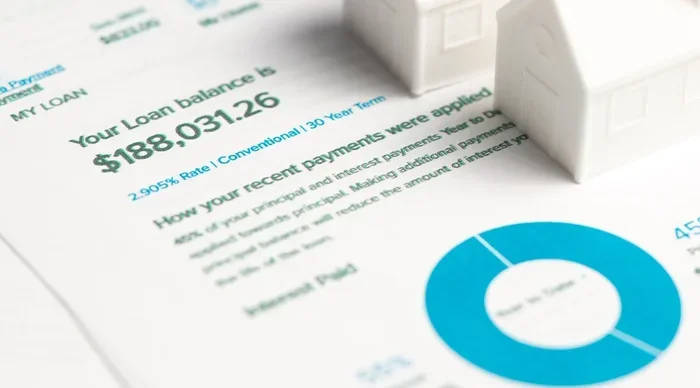
If you keep asking why does my mortgage go up every year, you are not alone. Many homeowners face rising monthly payments due to changing property taxes, higher homeowners insurance, and escrow adjustments. This guide breaks down the exact reasons your payment climbs, shows you how to read your statement, and shares simple steps to protect your budget.
Key Takeaways
- Property taxes can rise: Local tax assessments often increase, which raises your escrow and monthly payment.
- Insurance premiums change: Higher homeowners insurance costs can push your total payment up each year.
- Escrow accounts get rebalanced: Lenders review your account and adjust collections when costs shift.
- ARM loans may reset: Adjustable-rate mortgages can change your interest rate and payment after the fixed period.
- PMI may drop or shift: Private mortgage insurance can end once you reach enough equity, which may lower payments.
- Reading your statement helps: Check line items like taxes, insurance, and interest to spot the real cause.
- You can take action: Appeal tax assessments, shop for insurance, and request escrow reviews to manage increases.
📑 Table of Contents
- Why Does My Mortgage Go Up Every Year? The Short Answer
- Property Taxes and Escrow Adjustments
- Homeowners Insurance and Rising Premiums
- Adjustable-Rate Mortgages and Rate Changes
- Private Mortgage Insurance and Equity Milestones
- Reading Your Statement and Spotting the Real Cause
- What You Can Do When Payments Keep Rising
- Key Takeaways for Homeowners
Why Does My Mortgage Go Up Every Year? The Short Answer
It feels frustrating when your payment climbs without warning. Many people ask why does my mortgage go up every year, and the answer usually lives in the details of your loan and your local costs. Your monthly payment is not just about the loan balance. It often includes escrow for property taxes and homeowners insurance. When those costs rise, your payment rises too.
In simple terms, your payment can increase because your taxes go up, your insurance premium changes, or your escrow account gets recalculated. If you have an adjustable-rate mortgage, your interest rate can also move. Even small changes in these areas can add up over time. The good news is that most increases have a clear reason, and you can usually trace them on your statement.
Understanding the pieces of your payment gives you more control. You can spot trends, ask the right questions, and take smart steps to manage your budget. Let us walk through the most common reasons your payment grows and what you can do about it.
Property Taxes and Escrow Adjustments
Property taxes are one of the biggest reasons payments rise. Your lender often collects tax money each month and holds it in an escrow account. When your local tax authority raises your home value or changes the tax rate, your escrow needs more money. That change shows up as a higher monthly payment.
Visual guide about mortgage statement increase
Image source: piedmontcrescentcapital.com
Escrow works like a savings bucket for bills that come once or twice a year. If the bucket needs more money to cover upcoming costs, your lender adjusts your monthly collection. This can happen even if your loan balance stays the same. The key idea is that your payment can rise because the costs around your home are changing.
How tax assessments affect your payment
Tax assessors estimate your home value based on market trends, renovations, and neighborhood sales. If your area becomes more desirable, your assessed value may climb. A higher assessed value can lead to a larger tax bill. Your lender then updates your escrow to make sure enough money is collected each month.
This process can feel sudden, but it usually follows local assessment cycles. You may receive a notice from your tax office before the change appears in your mortgage statement. That notice is a good reminder to review your home value and compare it with similar homes nearby.
What escrow analysis means for you
Lenders review escrow accounts regularly, often once a year. They look at upcoming tax bills and insurance premiums, then calculate how much you need to pay each month. If the projected costs are higher, your payment goes up. If they are lower, you may even get a refund or a reduced payment.
An escrow analysis can also catch shortages from the past year. If your taxes or insurance increased earlier and the account did not have enough funds, the lender may spread that shortage over the next year. That can make the increase feel larger than expected.
Quick tip: Keep an eye on your tax assessment notices and insurance renewal letters. These documents often signal a payment change before your lender sends the updated statement.
Homeowners Insurance and Rising Premiums
Homeowners insurance is another common reason your payment grows. Insurance companies review risk, rebuilding costs, and local weather patterns. If claims rise in your area or construction costs increase, premiums can go up. Your lender passes that change through your escrow account.
Visual guide about mortgage statement increase
Image source: files.mykcm.com
This part of your payment matters because it protects your home and your lender. If your policy renews at a higher rate, your monthly mortgage payment can rise even if your loan itself did not change. Many homeowners first notice the increase when the renewal notice arrives, not when the mortgage statement changes.
Why insurance costs can climb
Several factors can push premiums higher. Rebuilding a home may cost more due to labor and material prices. Some regions face more storms, wildfires, or flooding, which can raise rates. Even changes in your coverage limits or deductible can affect the premium.
If you added improvements, updated your home, or increased coverage, your premium may rise too. That is not always bad. Better coverage can offer stronger protection. Still, it helps to understand whether the increase comes from market conditions or from changes you made to the policy.
How to manage insurance increases
Start by reviewing your policy each year. Compare the coverage, deductible, and premium with other quotes if possible. Ask about discounts for security systems, newer roofs, or bundled policies. A small adjustment can sometimes reduce the cost without sacrificing important protection.
If your lender collected a higher insurance amount through escrow, confirm that the new amount matches your actual premium. Mistakes can happen, especially after a policy renewal. A quick check can save you from paying more than needed.
Adjustable-Rate Mortgages and Rate Changes
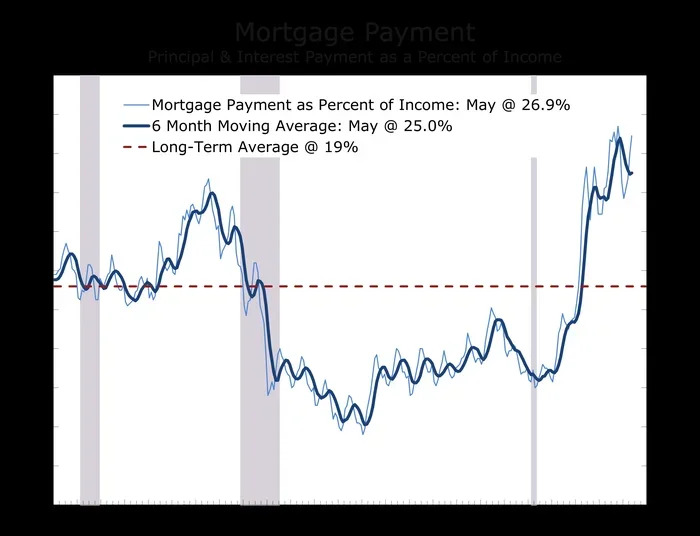
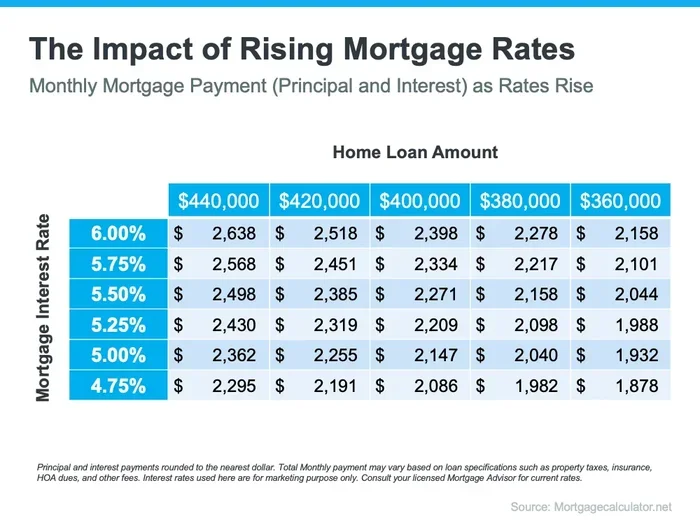
Not every loan has the same behavior. A fixed-rate mortgage keeps the same interest rate for the life of the loan, but an adjustable-rate mortgage can change after an initial period. If you have an ARM, your payment may rise when the rate resets. This is one of the clearest answers to why does my mortgage go up every year when the loan itself is changing.
Visual guide about mortgage statement increase
Image source: kajabi-storefronts-production.kajabi-cdn.com
ARM loans often start with a lower rate, which can make them attractive. After the fixed period ends, the rate can adjust based on a market index and a margin set in your loan terms. If the index moves higher, your interest rate and payment can rise. Some ARMs also have caps that limit how much the rate can change at one time or over the life of the loan.
How ARM adjustments work
Your loan documents should explain the adjustment schedule. You may see terms like initial fixed period, adjustment interval, index, and margin. The index reflects broader market conditions. The margin is the added percentage your lender charges. Together, they determine your new rate at each adjustment.
If your loan is approaching an adjustment date, review your paperwork early. Try to estimate the possible payment change so you are not surprised. If the potential increase feels too high, you may want to explore refinancing or other options before the reset happens.
When a fixed-rate loan still feels like it is changing
Even with a fixed-rate loan, your total payment can rise because of taxes, insurance, and escrow. The interest rate stays the same, but the other costs around the loan can move. That is why homeowners sometimes think their rate changed when the real cause is an escrow increase.
Common mistake: Assuming every payment increase means your interest rate went up. In many cases, the rate is steady and the escrow portion is the real driver.
Private Mortgage Insurance and Equity Milestones
Private mortgage insurance, often called PMI, can also affect your payment. If you put less than twenty percent down, many lenders require PMI until you build enough equity. In some cases, PMI can be removed once your balance drops or your home value rises enough. When that happens, your payment may go down. In other cases, if your PMI structure changes, you may notice a shift in your monthly amount.
PMI is not the same as homeowners insurance. It protects the lender if you stop paying the loan. It does not protect your home itself. If you are unsure whether PMI is part of your payment, check your statement or loan documents. Knowing this detail helps you understand why your payment changes over time.
How equity can change your costs
Equity grows as you pay down the balance and as your home value changes. Once you reach the right threshold, you may qualify to cancel PMI. That can lower your monthly payment. Some loans require a specific loan-to-value ratio, while others look at the original value or the current value.
If your home has gained value, you may be closer to removing PMI than you think. A reappraisal or a review of your loan terms can help you see whether you meet the requirements. This is one case where a rising market can actually help your payment, not hurt it.
Quick tip: Ask your lender about PMI removal rules before you assume the cost is permanent. Many borrowers miss the chance to drop PMI because they never request the review.
Reading Your Statement and Spotting the Real Cause
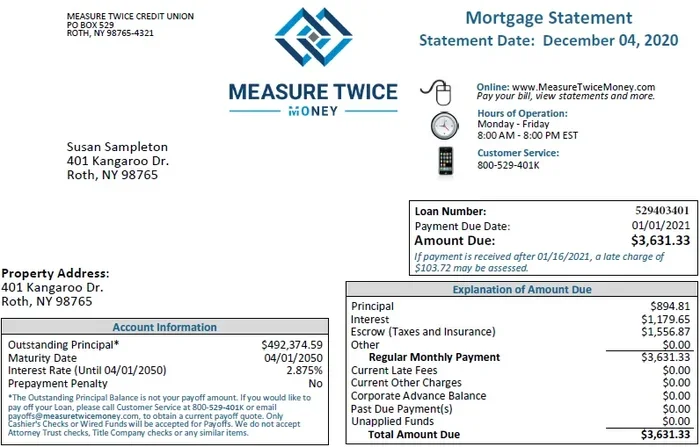
Your mortgage statement can look busy, but it usually tells a clear story. The best way to answer why does my mortgage go up every year is to compare the line items from one year to the next. Look for changes in taxes, insurance, escrow, interest, and any fees. Small differences can reveal the real reason for the increase.
Start by checking the escrow section. See whether taxes or insurance went up. Then check the principal and interest portion. If that part changed, your rate may have adjusted or your loan may have been modified. If only the escrow portion changed, the cause is likely outside the loan itself.
A simple comparison table
Here is a quick way to compare the most common causes of payment increases:
Cause | What changes | What to check
Property taxes | Escrow collection rises | Tax assessment notice, local tax rate
Homeowners insurance | Premium renewal cost rises | Policy renewal letter, coverage limits
ARM rate adjustment | Interest rate and payment change | Loan documents, index, margin, caps
PMI status | Insurance portion changes | Loan-to-value, cancellation rules
Escrow shortage | Past shortfall spread forward | Prior year balance, projected costs
This table helps you narrow the reason fast. If you see a change in one column, focus your attention there first. That saves time and reduces stress.
Questions worth asking your lender
If the statement is unclear, reach out and ask direct questions. You can ask what changed, whether the increase is from escrow or interest, and when the next review will happen. You can also ask how to appeal a tax assessment or review an insurance charge. Clear questions often lead to clear answers.
It also helps to keep records. Save your statements, tax notices, and insurance letters in one place. When you can compare documents side by side, it becomes much easier to see patterns and catch errors.
What You Can Do When Payments Keep Rising
You cannot always stop every increase, but you can often soften the impact. Start with the items you can influence. Shop around for insurance, review your coverage, and ask about discounts. If property taxes seem too high, look into the assessment and learn how to appeal if needed. These steps can help you keep more control over your monthly budget.
If your loan has an adjustable rate, understand the next adjustment date and the possible range of changes. If the payment could rise sharply, consider whether refinancing makes sense. Refinancing is not always the right move, but it can be useful if it lowers your rate, changes your loan structure, or helps you remove PMI.
Practical steps to reduce surprise increases
Build a simple home-cost checklist each year. Review your tax assessment, insurance renewal, and escrow analysis. Compare your payment with the previous year and note which part changed. If you find a mistake, report it quickly. Small issues can grow when they sit unnoticed.
It also helps to keep a cushion in your budget for housing costs. Property taxes and insurance can move with local markets, weather, and construction costs. A little flexibility makes it easier to handle changes without panic.
Expert insight: Many payment increases are predictable if you watch the renewal cycle. The goal is not to eliminate every change. The goal is to understand the change early enough to respond well.
When to seek extra help
If the increase feels too large or hard to explain, ask for a detailed breakdown. If you suspect an error, request a review in writing. If you are struggling to afford the payment, talk to your lender early rather than waiting. Early communication often opens more options than waiting until a payment is late.
You can also talk with a tax office representative about assessment questions or a licensed insurance agent about premium changes. The right expert can help you understand the local factors affecting your costs.
Key Takeaways for Homeowners
Most payment increases come from a few common sources. Property taxes, homeowners insurance, escrow recalculations, ARM adjustments, and PMI changes can all play a role. When you know which piece moved, you can respond with confidence. A careful review of your statement and your local costs usually explains the change.
The best habit is to check your mortgage statement every year, compare it with your tax and insurance documents, and ask questions when something looks off. That simple routine can save money, reduce surprises, and help you stay in control of your home costs.
Frequently Asked Questions
Why does my mortgage payment increase even if my interest rate stays the same?
Your payment can rise because property taxes or homeowners insurance went up, and those costs are often collected through escrow. Even with a fixed interest rate, the total payment can change when the expenses around your loan change.
How often do lenders review escrow accounts?
Lenders usually review escrow accounts at least once a year, though the exact schedule can vary. During the review, they estimate upcoming tax and insurance costs and adjust your monthly collection if needed.
Can I appeal a property tax increase that raises my payment?
In many areas, you can appeal a tax assessment if you believe your home value was overstated. Start by checking your local appeal process and comparing your assessment with similar homes in your area.
What is the difference between PMI and homeowners insurance?
PMI protects the lender if you stop paying the loan, while homeowners insurance protects your home against damage and loss. PMI may be removed once you reach enough equity, but homeowners insurance usually stays as long as you own the home.
Will refinancing stop my mortgage payment from going up?
Refinancing can change your interest rate, loan term, or PMI status, which may lower your payment. It may not stop future tax or insurance increases, since those costs are tied to your home and location, not just the loan.
What should I do if my mortgage statement looks incorrect?
Compare the statement with your tax notice, insurance renewal, and previous statements to find the mismatch. If you spot an error, contact your lender promptly and ask for a written explanation or correction.