

Can you demolish a house with a mortgage? The short answer is yes, but it comes with serious financial and legal risks. Lenders usually require you to pay off the loan or get special permission before demolition begins. Ignoring these rules can lead to default, penalties, or even foreclosure.
Many homeowners ask can you demolish a house with a mortgage when they want to clear land, rebuild, or start fresh. It sounds simple on the surface. You own the land, so why not tear the old structure down? The truth is a bit more complicated. A mortgage is not just a loan for a building. It is a loan secured by the property itself, including the land and everything attached to it. That means the lender has a strong interest in what happens to the property.
If you demolish the house without the right steps, you can create serious problems. You may violate your loan agreement. You may also run into local permit rules, insurance issues, or unexpected costs. The good news is that demolition is often possible when you plan carefully. You just need to understand your loan, your local laws, and your financial position before any equipment shows up on your street.
This guide breaks the topic into clear, practical pieces. You will learn how mortgage liens work, why lenders care about demolition, and what steps usually come first. You will also see common mistakes, smart planning tips, and a few ways to reduce risk. The goal is to help you make a safe decision instead of a costly one.
Key Takeaways
- Lender approval is essential: Most mortgage contracts require you to notify your lender before demolition.
- Equity matters: You typically need enough home equity to cover the loan balance or demolition costs.
- Permits and zoning apply: Local laws often control demolition, regardless of your mortgage status.
- Insurance changes: Your homeowner policy may not cover a vacant or demolished property.
- Costs can rise fast: Demolition, debris removal, and site prep can exceed expectations.
- Replacement planning helps: Having a clear plan for the land can protect your finances.
- Professional advice saves money: Talk to your lender, contractor, and local officials early.
📑 Table of Contents
Can You Demolish a House With a Mortgage?
The direct answer is that you usually can, but not always in the way people expect. A mortgage does not automatically forbid demolition. What it does is protect the lender’s security interest in the property. If the house disappears, the lender still has a claim on the land and the remaining value. That is why lenders want to know what you plan to do.
In many cases, the process depends on how much equity you have. If you owe less than the property is worth, you may have more flexibility. If you owe close to the full balance, demolition becomes riskier. The property may no longer support the loan in the same way, especially if the land value alone is not enough.
It also helps to think about what demolition really means. You are not just knocking down walls. You are changing the collateral that backs your loan. You may also be changing the taxes, insurance, and zoning status of the property. All of these details can affect your mortgage.
Why the Mortgage Matters During Demolition
A mortgage is a secured loan. The house and land act as collateral. If the property is damaged, removed, or significantly altered, the lender’s position changes. That is the main reason lenders pay attention to demolition plans.
Your loan documents may include clauses about property condition, alterations, or substantial changes. Some agreements require you to maintain the property. Others require notice before major work begins. Reading your contract carefully matters because the exact rules can vary.
There is also the practical side. If the house is gone and the loan is still active, the lender may worry about repayment. The property may be harder to sell or refinance if it no longer has a structure. That does not mean demolition is forbidden. It simply means lenders want protection.
When Lenders May Say Yes
Lenders are more likely to cooperate when the project is organized and financially sound. For example, they may approve demolition if you plan to rebuild soon. They may also accept it if you have enough equity and a clear timeline. In some cases, borrowers want to remove an unsafe or outdated home and replace it with something new. That can make sense if the numbers work.
Another situation is when the borrower intends to pay down or restructure the loan. If you are not keeping the same mortgage long term, the lender may have fewer concerns. The key is communication. Surprises create friction. Early conversations often make the process smoother.
When Lenders May Push Back
Pushback usually happens when the loan becomes riskier. If demolition leaves the property vacant for a long time, the lender may worry about value and maintenance. If the borrower has little equity, the lender may see the project as a threat to repayment. If the borrower cannot show a plan for the land, the lender may ask for more safeguards.
Some lenders may require payoff, modification, or additional documentation. They may also ask for proof of permits, insurance, or a construction plan. This is not meant to block every project. It is meant to protect the loan.
Understanding Your Loan and Ownership Position
Before you touch a demolition plan, look closely at your loan and ownership situation. This step is one of the most important. It helps you understand what you actually own, what you owe, and how much room you have to move.
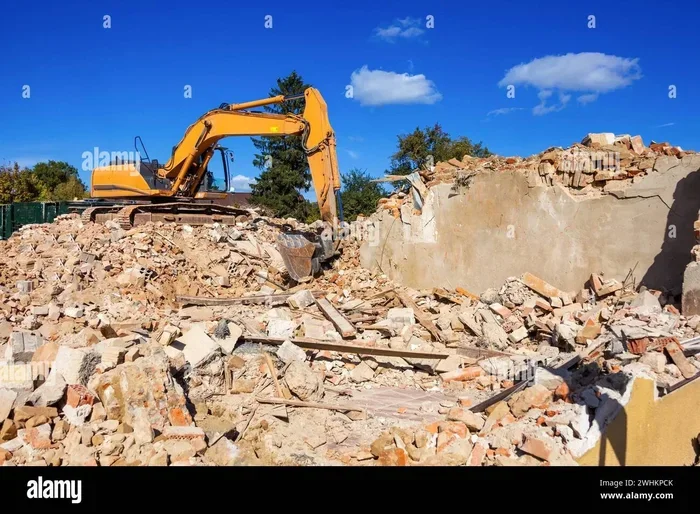
Visual guide about house demolition construction site
Image source: c8.alamy.com
Start with the balance. Then compare it to the current market value of the property. If the land and structure are worth more than the loan, you may have equity to work with. If the loan is close to or above the value, the situation becomes tighter. That does not mean demolition is impossible, but it does mean you need a more careful plan.
You should also review your mortgage type and terms. Different loans can carry different rules. Some borrowers assume the house is separate from the loan. In reality, the loan is tied to the property as a whole. That is why ownership and debt should be evaluated together.
Equity, Value, and Risk
Equity is the gap between what the property is worth and what you owe. When equity is strong, you usually have more options. You may be able to pay off part of the loan, refinance, or negotiate with the lender. When equity is thin, the land may need to carry the full weight of the loan after demolition.
Risk rises when the remaining value is uncertain. A vacant lot may still have value, but its market appeal can differ from a lot with a house. Local demand, zoning, and site condition all matter. If you are counting on the land to support the loan, you should test that assumption carefully.
Loan Documents That May Affect Demolition
Your closing documents and loan agreement may include language about property maintenance, alterations, and hazards. Some contracts require you to keep the property in good condition. Others address insurance, occupancy, or major changes. These clauses can affect what you are allowed to do without notice.
It is also wise to check for any clauses related to destruction, damage, or abandonment. Even if demolition is voluntary, the lender may still want to know how the property will be treated. The more you understand the paperwork, the fewer surprises you face later.
Checking Your Equity Before You Plan
A simple first step is to estimate value realistically. Do not assume the purchase price from years ago still applies. Markets change. Neighborhood conditions change. The condition of the house itself also matters. If the home is in poor shape, its value may already be lower than expected.
Once you have a rough value estimate, compare it with the loan balance. Then think about the costs of demolition, permits, cleanup, and possible rebuilding. If the numbers look tight, you may want to slow down and revisit the plan. A little number-checking now can prevent a big problem later.
Lender Rules, Permits, and Local Laws
Demolition is not only a financial decision. It is also a legal one. Local governments often regulate how properties are torn down, what happens to debris, and how the site must be handled afterward. Your mortgage does not override those rules. In fact, the two systems often overlap.

Visual guide about house demolition construction site
Image source: img.freepik.com
Many areas require permits before demolition. Some require surveys, utility disconnects, asbestos checks, or notification of neighbors. These rules exist to protect public safety and property values. If you skip them, you may face delays, fines, or stop-work orders.
Your lender may also want proof that the work is legal and properly managed. That makes sense from their perspective. They want to know the property will not be left in a problematic state. A permit and a clear plan can help build trust.
Permit Requirements You Should Expect
Demolition permits are common, but the exact requirements vary by location. You may need to submit an application, pay a fee, and show that utilities will be disconnected safely. Some jurisdictions also require the site to be secured after the work.
If the house is older, there may be extra concerns. Materials such as asbestos or lead can require special handling. Even if the house looks ordinary, hidden issues can affect the process. That is why early research matters.
Insurance, Vacancy, and Site Safety
Insurance is another area that often gets overlooked. Once the house is gone, your current homeowner policy may no longer fit the property. A vacant lot or partially demolished site may need different coverage. If the property sits empty for a while, the insurer may also ask about security, access, and maintenance.
Site safety matters too. Demolition can leave debris, exposed ground, and unstable areas. If the property is not secured, it may create liability concerns. That is true even if the mortgage is still in place. Protecting the site is part of protecting your financial position.
What Happens If You Skip the Rules
Skipping steps can create a chain reaction. A missing permit may delay the project. A safety issue may halt work. An insurance gap may leave you exposed if something goes wrong. Any of these problems can add cost and stress. They can also make the lender less willing to cooperate.
The safest path is to treat demolition like a formal project. Confirm the local requirements. Document the plan. Keep the lender informed when needed. That approach reduces the chance of surprises.
Costs, Financing, and Rebuilding Plans
Demolition is rarely free, and the bill is not always limited to knocking the house down. You may need to pay for permits, labor, equipment, hauling, grading, and site preparation. If you plan to rebuild, those costs become part of a larger financial picture.

Visual guide about house demolition construction site
Image source: thumbs.dreamstime.com
Some homeowners think of demolition as a way to reset a property. That can be true, but only if the budget supports the reset. If you spend too much on teardown and cleanup, you may have less room for construction or other goals. A clear budget helps keep the project realistic.
Financing also matters. If the mortgage stays in place, you need to know how the loan fits into the new plan. If you intend to rebuild, you may need additional funding. If you do not plan to rebuild, you may need to think about payoff, land use, or eventual sale.
Demolition Costs to Plan For
A practical budget should include more than the demolition itself. Common cost items can include:
- Permit fees and inspection costs
- Utility disconnection and reconnection
- Hazardous material testing or removal
- Labor and equipment
- Debris hauling and disposal
- Site grading, cleanup, and fencing
- Temporary security or maintenance
These costs can add up quickly. They can also change if unexpected issues appear. That is why it is smart to leave room in the budget for contingencies.
Paying Off the Loan vs. Keeping It
Some borrowers choose to pay off the mortgage before or during demolition. That can simplify the process because the lender no longer has a lien on the property. It also removes the need for special approval in many cases. The tradeoff is that it requires available funds.
Others keep the loan alive and coordinate the demolition with the lender. This can work if the property still supports the loan and the plan is clear. It may also make sense if you intend to rebuild and stay in the same financing structure. The right choice depends on your cash, your timeline, and your goals.
Planning for Rebuild or Land Use
What you do after demolition matters just as much as the demolition itself. If you plan to rebuild, think about design, timing, and financing before the old house comes down. If you plan to sell the land, think about how buyers will view the site. If you plan to hold the lot, think about upkeep, taxes, and long-term purpose.
A demolition project goes more smoothly when the next step is already defined. Empty space can be useful, but only if it serves a real plan. Without a plan, the property may sit idle and create unnecessary pressure.
Common Mistakes and Smart Next Steps
Homeowners often run into trouble because they move too fast. Demolition may feel like a simple physical task, but it touches money, legal rules, and property value. The most common mistakes come from skipping preparation.
One mistake is assuming the mortgage does not matter once the house is gone. Another is underestimating local permit rules. Another is failing to check insurance coverage. Another is starting without a clear budget or end goal. Each of these can turn a manageable project into a stressful one.
Mistakes That Create Trouble
Here are some pitfalls to avoid:
- Not reviewing your mortgage documents
- Ignoring permit or safety requirements
- Assuming the land value will automatically cover the loan
- Leaving the site unsecured or uninsured
- Starting demolition before setting a budget
- Forgetting to plan for what comes next
These mistakes are common because they are easy to make. The good news is that they are also easy to avoid with a little planning.
Smart Steps Before Demolition
A good process usually looks like this:
- Review your loan and property documents
- Estimate the property value and your equity
- Contact your lender if needed
- Check local permit and safety rules
- Get demolition and disposal estimates
- Confirm insurance coverage for the site
- Define the next use for the land
This sequence helps you make decisions in the right order. It also gives you a better sense of whether the project is realistic. If one step looks problematic, you can adjust before spending money.
When to Get Professional Help
Some projects are simple, but many are not. If your loan balance is high, if the property has safety issues, or if you plan to rebuild, professional guidance can be valuable. A contractor, local official, or financial advisor may help you spot issues early.
You do not always need a large team. Even a few careful conversations can save time and money. The main goal is to avoid guessing. Demolition is one of those projects where informed planning pays off quickly.
Conclusion
So, can you demolish a house with a mortgage? In many cases, yes, but only if you handle the financial, legal, and practical sides with care. The mortgage does not disappear just because the house does. The lender still has an interest in the property, and local rules still apply. That means demolition works best when you review your loan, check your equity, follow permit requirements, and plan for the future use of the land.
If you move forward with a clear budget, proper approvals, and a realistic next step, demolition can be a useful reset. If you skip the preparation, the project can become expensive and complicated fast. The safest approach is to treat the process as part of a larger property decision, not just a physical teardown. With the right planning, you can make the choice that fits your goals and protects your finances.
Frequently Asked Questions
Can you demolish a house with a mortgage without lender permission?
You may be able to in some situations, but it can violate your loan terms or create risk for the property. It is safer to review your mortgage documents and speak with your lender before starting.
Does a mortgage automatically stop you from tearing down a home?
No, a mortgage does not automatically forbid demolition. It does, however, tie the loan to the property, so major changes can affect the lender’s security and your loan obligations.
What happens to the mortgage if the house is demolished?
The loan usually remains until it is paid off, refinanced, or otherwise resolved. The property may still secure the debt, but the lender may want to know how the land will be used and maintained.
Do you need a permit to demolish a house with a mortgage?
In many places, yes. Local permit rules often apply regardless of your mortgage status. You should check with your city or county before scheduling any demolition work.
Can you rebuild after demolishing a house with a mortgage?
Often yes, especially if you plan the project carefully and coordinate financing. Rebuilding may require additional funds, permits, and lender communication if the current mortgage is still active.
What should you check before demolishing a mortgaged home?
Review your loan documents, estimate your equity, check local permit rules, confirm insurance coverage, and get realistic cost estimates. It also helps to define what you will do with the land afterward.
