
Feeling like screaming into a pillow often stems from emotional overwhelm, stress, or frustration in relationships. This powerful release can be both cathartic and necessary for mental well-being. Understanding the root cause is the first step toward healthier emotional expression and stronger connections.
We’ve all been there—late at night, after a long day filled with disappointments, misunderstandings, or just plain emotional overload. You find yourself alone in your room, hands gripping the fabric of your pillow, and suddenly, the urge to scream into it becomes irresistible. It’s not always about anger. Sometimes, it’s about being so frustrated that words won’t come out. Other times, it’s the weight of unspoken feelings pressing down on you like a storm cloud ready to burst.
This moment—this raw, unfiltered release—is more than just a quirky habit. It’s a sign that your emotions are reaching a tipping point. Whether it’s from dating struggles, relationship drama, or general life stress, the pillow has become your safe space to vent without judgment. But have you ever stopped to wonder *why* you feel like screaming into a pillow? And more importantly, what can you do about it?
In this article, we’ll explore the psychology behind that intense urge to release emotion through your pillow, connect it to common dating and relationship challenges, and offer practical ways to channel that energy constructively. Because while screaming into a pillow might feel good in the moment, understanding what’s really going on beneath the surface is the real game-changer.
Key Takeaways
- The Pillow as an Emotional Release Valve: Screaming into a pillow is a subconscious way to release pent-up emotions without hurting others or breaking social norms.
- Common Triggers Include Relationship Stress: Breakups, misunderstandings, unmet expectations, or feeling unheard can trigger this intense emotional response.
- It’s Not Just Anger—It’s Overwhelm: The urge often signals deeper feelings of helplessness, frustration, or emotional exhaustion.
- Pillow-Screaming Can Be Healthy: When used mindfully, it helps regulate emotions and prevents internalization of stress.
- Addressing the Root Cause Matters: Ignoring the underlying issue may lead to burnout; communication and self-reflection are key.
- Healthy Alternatives Exist: Journaling, exercise, talking to a friend, or therapy can offer constructive outlets.
- Emotional Awareness Strengthens Relationships: Recognizing your emotional patterns helps you navigate dating and intimacy more authentically.
📑 Table of Contents
- Why Do I Feel Like Screaming Into A Pillow?
- The Psychology Behind Emotional Overload
- Common Causes in Dating and Relationships
- Is Screaming Into a Pillow a Healthy Coping Mechanism?
- Healthier Ways to Release Emotional Pressure
- How to Address Emotional Overload in Relationships
- When to Seek Help: Signs You Need More Than a Pillow
- Conclusion: From Pillow Screams to Emotional Freedom
Why Do I Feel Like Screaming Into A Pillow?
The act of screaming into a pillow is often dismissed as a simple coping mechanism—something people do when they’re stressed or upset. But beneath the surface, it’s much more complex. Psychologists and relationship experts agree that this behavior usually stems from a buildup of emotional tension that needs an outlet. Think of your emotions like pressure in a sealed container: if you don’t let some of it out, it eventually explodes—sometimes in unexpected ways.
When you feel like screaming into a pillow, it’s rarely just about one thing. It’s usually a mix of frustration, sadness, anger, or even fear. These feelings might come from a difficult conversation with a partner, the disappointment of being ghosted, or simply feeling unseen in a relationship. The pillow acts as a buffer—a barrier between you and the world, allowing you to express intensity without consequence.
But here’s the catch: while the pillow might offer temporary relief, it doesn’t solve the problem. That’s why it’s important to dig deeper. Ask yourself: What triggered this feeling? Was it something specific, like a misunderstanding with someone you care about? Or was it a slow accumulation of small disappointments over time?
Understanding the root cause helps you move beyond reactive behaviors and toward proactive solutions. For example, if you’re constantly feeling ignored by someone you’re dating, screaming into a pillow won’t change their behavior—but expressing your needs clearly might.
The Psychology Behind Emotional Overload
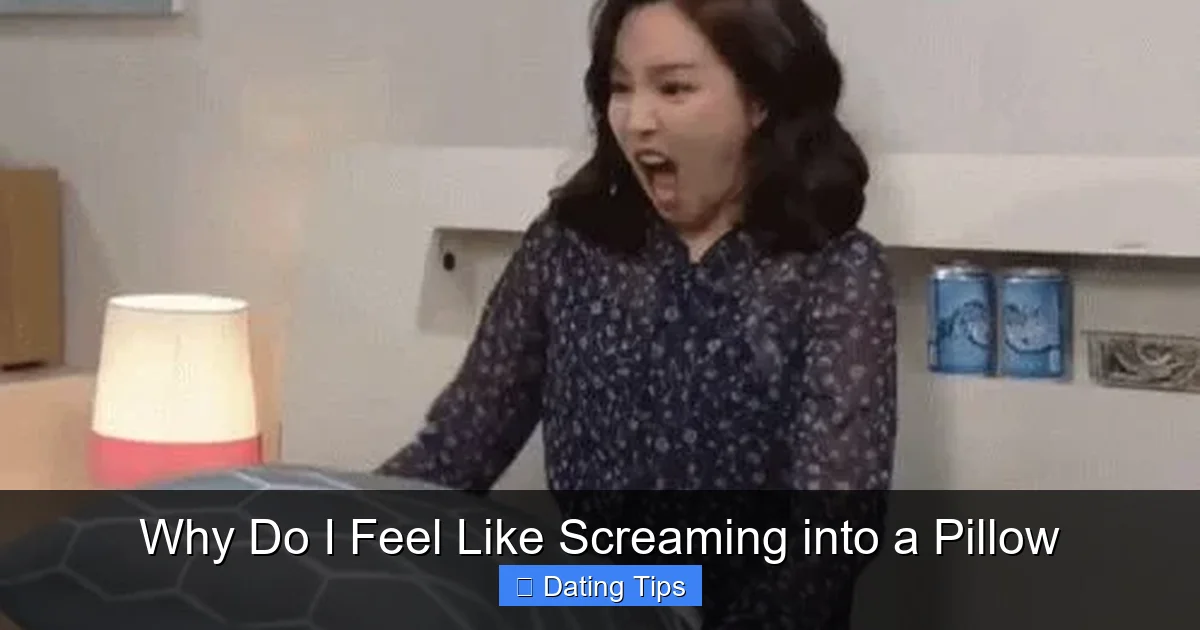
Visual guide about Why Do I Feel Like Screaming into a Pillow
Image source: i.pinimg.com
Our brains are wired to respond to stress and emotional stimuli in specific ways. When we experience something overwhelming—like rejection, conflict, or emotional neglect—our nervous system activates the fight-or-flight response. In modern dating and relationships, this often translates into internalized frustration. We can’t yell at our partner in public. We can’t scream at a text message. So, where does all that energy go?
Enter the pillow. It’s a socially acceptable way to externalize pent-up emotion. By screaming into it, you’re essentially “releasing steam” without damaging relationships or breaking social norms. It’s a private rebellion against emotional suppression.
Studies show that emotional release, even in controlled environments like screaming into a pillow, can reduce cortisol levels (the stress hormone) and help restore emotional balance. But again, this is only a band-aid unless we address the source.
For instance, imagine you’re dating someone who keeps canceling plans last minute. Each time, you bite your tongue and say, “No worries.” But inside, you’re boiling. Eventually, you find yourself alone in bed, gripping your pillow, and unleashing everything you’ve been holding in. The pillow doesn’t fix the pattern—it just lets you breathe.
That’s why understanding emotional overload is crucial. It’s not about blaming yourself for feeling overwhelmed. It’s about recognizing that your feelings are valid and that you deserve healthy ways to process them.
Common Causes in Dating and Relationships
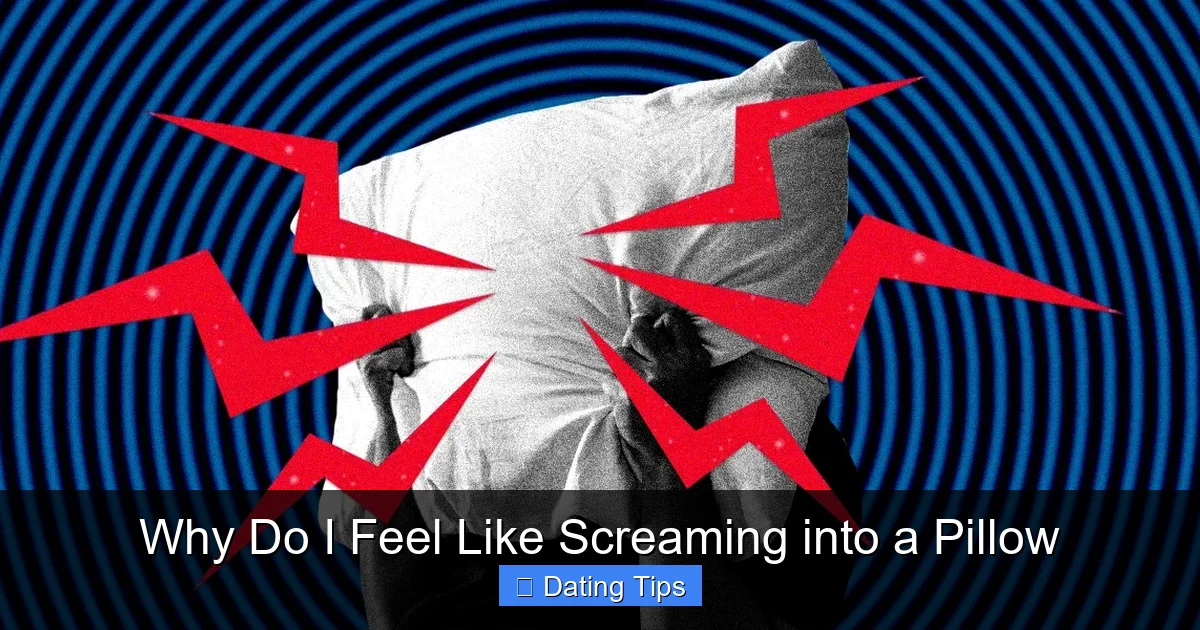
Visual guide about Why Do I Feel Like Screaming into a Pillow
Image source: melmagazine.com
If you’re feeling like screaming into a pillow more often lately, chances are, your romantic life is playing a big role. Here are some of the most common triggers:
1. Unresolved Conflict or Miscommunication
You had a conversation with your partner that left you feeling unheard or misunderstood. Instead of addressing it head-on, you bottle it up. Days pass. Emotions simmer. Then—BAM—you’re screaming into your pillow because you’re tired of dancing around the issue.
Example: Your boyfriend says he’s “busy” every time you suggest spending quality time together. You assume he’s not interested, but he claims he’s just stressed. You don’t know how to bridge the gap, so you shut down emotionally.
Solution: Try initiating a calm, honest conversation. Use “I” statements like, “I feel lonely when we don’t talk,” instead of “You never make time for me.”
2. Feeling Unappreciated or Invisible
You put effort into a relationship—planning dates, remembering birthdays, supporting their goals—but you rarely get acknowledgment in return. Over time, that lack of appreciation builds resentment.
Internal link suggestion: How To Make A Man Feel Appreciated And Loved
3. Rejection or Ghosting
Being ghosted after a promising connection can leave you reeling. Even if it wasn’t serious, the sudden silence feels like emotional whiplash. You might scream into your pillow not from rage, but from confusion and sadness.
4. Unmet Expectations
You entered a relationship hoping for deep emotional connection, but the other person keeps treating it like casual dating. The gap between expectation and reality causes constant friction.
5. Emotional Burnout from Constant Effort
You’re constantly trying to keep the peace, read your partner’s moods, and adjust your behavior—but it never feels enough. You’re emotionally drained, and the pillow is your only escape.
Is Screaming Into a Pillow a Healthy Coping Mechanism?

Visual guide about Why Do I Feel Like Screaming into a Pillow
Image source: res.cloudinary.com
Short answer: Yes—but with caveats.
Occasional pillow-screaming is completely normal. It’s your body’s way of releasing built-up emotional pressure. Think of it like stretching after sitting too long. It relieves tension and prepares you for what’s next.
However, if you’re doing it daily or multiple times a day, it could signal that you’re suppressing emotions rather than processing them. Over time, unexpressed frustration can lead to anxiety, depression, or even physical symptoms like headaches or insomnia.
So how do you know when it’s crossing the line?
Ask yourself:
– Am I using this as a regular escape?
– Am I avoiding real conversations about my feelings?
– Do I feel better immediately after, or does the emptiness remain?
If the answer is yes to any of these, it’s time to explore healthier alternatives.
Healthier Ways to Release Emotional Pressure
Instead of relying on the pillow, try redirecting that intense energy into constructive outlets. Here are some proven methods:
1. Journaling
Grab a notebook and write down everything that’s bothering you—no filter, no editing. Let it all out on paper. You’ll be surprised how much clarity comes from putting thoughts into words.
2. Physical Exercise
Go for a run, take a dance class, or hit the gym. Physical activity releases endorphins, which naturally reduce stress and improve mood. Plus, the sweat session doubles as emotional release.
3. Talk to a Trusted Friend
Choose someone who listens without judgment. Sometimes, just saying things aloud helps you gain perspective.
4. Practice Mindful Breathing
When emotions run high, pause and take deep breaths. Inhale for four counts, hold for four, exhale for six. This calms your nervous system and gives you space to think.
5. Seek Professional Help
Therapy provides a safe space to unpack complex emotions. A counselor can help you understand patterns and develop healthier coping strategies.
How to Address Emotional Overload in Relationships
Relationships thrive on open communication and mutual respect. If you’re feeling overwhelmed, chances are your partner is too—or at least, they should be aware. Here’s how to turn emotional pain into growth:
Step 1: Identify the Source
What specifically is causing the frustration? Is it a recurring argument? Lack of affection? Unanswered questions?
Step 2: Communicate Clearly
Use “I” statements to express how you feel without blame. For example: “I feel hurt when I don’t hear from you for days. I need reassurance that we’re okay.”
Step 3: Set Boundaries
If someone consistently drains your energy, it’s okay to say no. Protecting your emotional well-being is not selfish—it’s essential.
Step 4: Practice Self-Care
Nurture yourself outside the relationship. Pursue hobbies, spend time with friends, and prioritize rest. A balanced life makes you less dependent on one person for validation.
When to Seek Help: Signs You Need More Than a Pillow
While pillow-screaming is normal, certain signs indicate deeper emotional distress:
- You feel numb most of the time.
- You avoid people or social situations.
- Your sleep or appetite has changed dramatically.
- You frequently cry for no apparent reason.
- You feel hopeless or worthless.
If you recognize several of these, consider reaching out to a therapist. You don’t have to figure it all out alone.
Conclusion: From Pillow Screams to Emotional Freedom
Screaming into a pillow isn’t a flaw—it’s a cry for help. It’s your body and mind signaling that something needs attention. Whether it’s in dating, friendships, or self-perception, emotional overwhelm deserves space and understanding.
By exploring the reasons behind your pillow screams, you take the first step toward healing. Replace reactive behaviors with intentional actions: talk it out, journal your thoughts, set boundaries, and seek support when needed.
Remember, feeling intense emotions doesn’t mean you’re broken. It means you’re human. And with awareness and care, you can transform those pillow screams into powerful tools for growth—both in love and in life.
Frequently Asked Questions
Is screaming into a pillow bad for you?
No, it’s not physically harmful and can even help release emotional tension. However, if done excessively, it may signal unprocessed emotions that need attention through healthier outlets.
Can pillow screaming help with stress?
Yes, it acts as a temporary stress reliever by allowing emotional release without social consequences. It reduces cortisol levels and provides immediate relief.
Why do I scream into my pillow when I’m sad?
Sadness often turns into frustration or helplessness, which can manifest as a need to scream. The pillow offers a safe space to express deep emotional pain without judgment.
How can I stop feeling the need to scream into my pillow?
Identify the root cause—such as unresolved conflict or unmet needs—and address it through communication, journaling, or therapy. Redirect the energy into physical activity or creative expression.
Is pillow screaming a sign of mental health issues?
Not necessarily. It’s a common coping mechanism. But if accompanied by persistent sadness, anxiety, or withdrawal, it may indicate underlying issues worth exploring with a professional.
Does pillow screaming affect relationships?
Indirectly, yes. While the act itself is harmless, ignoring the emotions behind it can lead to resentment or miscommunication. Addressing the cause strengthens relationships.
