Misattribution Of Arousal Definition Examples Explained Simply
Misattribution of arousal is a psychological phenomenon where your brain mistakes the source of physical excitement. That racing heart from fear or exercise might feel like romantic attraction. This article breaks down the definition, classic research, and real-world examples you can actually relate to.
[FEATURED IMAGE_PLACEHOLDER]
Have you ever felt your heart racing around someone and thought, “Wow, I must really like them”? But what if that fluttery feeling had nothing to do with attraction? What if your brain was simply confused about where those physical sensations came from?
That’s exactly what happens with misattribution of arousal. It’s one of the most fascinating quirks of human psychology. And once you understand it, you’ll never look at your emotions the same way again.
This concept explains why horror movie dates work so well. It explains why people fall for someone after a scary experience together. And it explains a lot of confusing moments in relationships. Let’s break it all down in simple terms.
Key Takeaways
- Misattribution of arousal occurs when you incorrectly label the source of your physical excitement.
- The famous suspension bridge study by Dutton and Aron proved this effect in 1974.
- Physical arousal from fear, exercise, or stress can feel identical to romantic attraction.
- Your brain searches for explanations and often picks the most obvious one nearby.
- This phenomenon affects dating decisions more than most people realize.
- Being aware of this bias helps you make smarter relationship choices.
- Emotional misattribution can impact friendships, workplace dynamics, and everyday interactions too.
📑 Table of Contents
- What Is Misattribution Of Arousal? The Simple Definition
- The Famous Suspension Bridge Experiment
- Real-Life Examples Of Misattribution Of Arousal
- How Misattribution Of Arousal Affects Relationships
- The Science Behind Why This Happens
- How To Recognize Misattribution In Your Own Life
- Misattribution Of Arousal Beyond Romance
- Practical Tips For Managing Arousal Misattribution
- The Bigger Picture: Emotional Awareness Matters
- Conclusion
What Is Misattribution Of Arousal? The Simple Definition
Misattribution of arousal is a psychological concept describing what happens when you feel physically excited but incorrectly identify the cause of that excitement. Your body experiences arousal. That’s a physiological state. But your brain has to interpret what that arousal means. Sometimes it gets the source completely wrong.
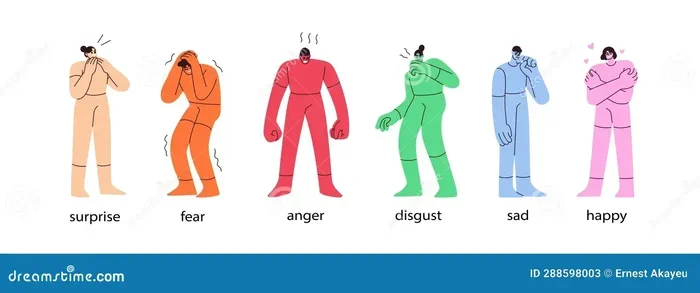
Here’s the thing. Your body only has so many ways of responding to stimulation. A racing heart, sweaty palms, quickened breathing, and butterflies in your stomach can mean many different things. Fear produces these sensations. So does excitement. So does physical exercise. So does romantic attraction. The physical symptoms overlap almost completely.
Your brain looks around for context clues. It tries to make sense of what you’re feeling. And when the wrong explanation is nearby, your brain might just grab it. That’s misattribution in action.
The Two-Factor Theory of Emotion
Psychologists Schachter and Singer developed the two-factor theory of emotion back in 1962. This theory says emotion comes from two things working together. First, you experience physiological arousal. Second, you apply a cognitive label to that arousal. The label is your brain’s best guess about why you feel activated.
When the guess is accurate, you correctly identify your emotion. When it’s wrong, you experience misattribution. The arousal is real. The interpretation is flawed. This distinction matters enormously because it means your feelings are always genuine. But your understanding of those feelings might be completely off base.
The Famous Suspension Bridge Experiment

Visual guide about Confused emotions
Image source: static.vecteezy.com
No discussion of misattribution of arousal is complete without talking about the landmark study by psychologists Donald Dutton and Arthur Aron in 1974. This experiment is elegant, clever, and a little bit wild.
How The Study Worked
The researchers had a male confederate (someone working with them) approach young men on one of two bridges in British Columbia. The first bridge was a sturdy, wide, low-to-the-ground structure. The second was a terrifying suspension bridge. It was narrow, made of wooden planks, and swayed 230 feet above a canyon.
After crossing each bridge, the man asked participants to fill out a short questionnaire. He also gave them his phone number in case they had questions. The real question was whether participants on the scary bridge would be more likely to call.
The Results Were Striking
Participants on the fear-inducing suspension bridge wrote stories with more sexual content on the questionnaire. They were also significantly more likely to call the female experimenter afterward. Why? Because their bodies were still buzzing from the fear of the bridge. Their hearts were pounding. Their palms were sweaty. And their brains attributed those sensations to attraction toward the woman instead of the terrifying bridge.
This study became one of the most cited experiments in psychology. It perfectly demonstrated how physiological arousal from one source can be misattributed to romantic or sexual attraction.
Real-Life Examples Of Misattribution Of Arousal

Visual guide about Confused emotions
Image source: c8.alamy.com
The suspension bridge study is fascinating. But this phenomenon doesn’t just happen in laboratories. It shows up everywhere in daily life. Here are some examples you’ll probably recognize.
Horror Movies And First Dates
Why do so many people suggest horror movies for first dates? It’s not just because holding hands in the dark is cute. It’s because the fear response creates genuine physical arousal. Your date’s heart races during a scary scene. Their brain looks around and sees you. Suddenly, that fear-induced excitement gets labeled as attraction. You become associated with those thrilling feelings.
This is a classic case of emotional misattribution working in someone’s favor. The couple might think they have amazing chemistry. But really, the movie deserves half the credit.
Exercise And Attraction
Ever noticed that gym crushes are incredibly common? There’s solid science behind that. When you exercise, your body releases endorphins and adrenaline. Your heart rate increases. You feel energized and alive. If someone attractive is working out nearby, your brain might attribute those exercise-induced feelings to attraction instead.
Research actually supports this. Studies have shown that people rate others as more attractive immediately after physical exercise compared to when they’re at rest. The arousal from the workout gets misattributed to the person standing nearby.
Stress At Work And Relationship Confusion
Workplace stress creates constant physiological activation. Tight deadlines, difficult bosses, and high-pressure situations keep your body in a state of low-level arousal. If you spend a lot of time with a coworker during stressful periods, you might develop feelings that aren’t really about them.
Your brain associates that person with the aroused state. But the arousal was coming from the stress all along. This is one reason workplace romances can be tricky to evaluate. Are you genuinely attracted to this person? Or is your confused brain mixing up stress signals with romantic signals?
Roller Coasters And Amusement Parks
Amusement parks are basically misattribution factories. The excitement, fear, and thrill of rides create intense physical arousal. Couples on roller coasters experience their hearts racing together. That shared physiological response can strengthen feelings of connection and attraction.
Theme parks know this intuitively. That’s why they’re such popular date destinations. The combination of excitement, novelty, and physical arousal creates a perfect storm for misattribution.
How Misattribution Of Arousal Affects Relationships

Visual guide about Confused emotions
Image source: static.vecteezy.com
Understanding this concept isn’t just academically interesting. It has real implications for how we navigate relationships and dating.
Making Better Dating Decisions
When you know about misattribution, you can pause and ask yourself an important question. “Am I actually attracted to this person? Or am I just feeling activated by something else?” This simple check can save you from pursuing relationships built on confused signals.
Think about it. If you meet someone at a concert, after a workout, or during a scary movie, your feelings might be inflated by external arousal. That doesn’t mean the attraction isn’t real. But it does mean you should give yourself time to evaluate it in calmer circumstances.
Understanding Mixed Signals
Sometimes people send confusing signals in relationships. One moment they seem interested. The next they pull away. Understanding arousal misattribution helps explain some of this inconsistency. Someone might feel genuinely activated around you but mislabel that feeling. They could interpret nervous energy as disinterest or fear as attraction.
If you’re dealing with confusing behavior from someone, consider reading about examples of mixed signals from guys to better understand what might be happening beneath the surface.
The Danger Of Trauma Bonding
Here’s a darker side of misattribution. In toxic relationships, intense emotional highs and lows create powerful physiological arousal. Your body is constantly activated by the drama. Some people misinterpret this chaos as passion. They think the relationship must be special because they feel so intensely.
But intensity isn’t the same as health. A relationship that keeps you in a constant state of emotional activation might be mislabeled as deep love when it’s actually just dysfunction. Recognizing this pattern is crucial for breaking free from unhealthy cycles.
Why Breaking Up Feels So Physical
When you can’t stop thinking about someone after a breakup, part of that struggle involves arousal. Your body has become conditioned to respond to that person with activation. Without understanding misattribution, you might interpret that physical longing as proof you should get back together.
Learning about how not letting go of a relationship affects yourself can help you distinguish between genuine connection and simple physiological habit.
The Science Behind Why This Happens
Let’s dig a little deeper into the neuroscience and psychology that drive this phenomenon.
Your Body’s Arousal System
Your sympathetic nervous system handles arousal. It’s the same system responsible for the fight-or-flight response. When activated, it releases adrenaline and cortisol. Your heart beats faster. Your breathing quickens. Blood flows to your muscles. You become alert and energized.
The key point is that this system doesn’t differentiate between types of arousal. Fear activates it. Excitement activates it. Anger activates it. Sexual attraction activates it. From your body’s perspective, it’s all the same chemical cocktail.
Your Brain’s Interpretation Process
Once your body is aroused, your brain’s job is to figure out why. This is where things get interesting. Your brain doesn’t have direct access to the true cause. Instead, it uses context, recent experiences, and available explanations to make its best guess.
Psychologists call this cognitive appraisal. You appraise the situation and assign an emotional label. If someone is standing nearby when you feel aroused, your brain might pick them as the cause. If you just watched something scary, your brain might attribute lingering arousal to the person you’re with.
The Role Of Novelty And Uncertainty
Novel situations amplify misattribution. When you don’t have a clear explanation for your feelings, your brain becomes more likely to grab whatever explanation is most accessible. New experiences, unfamiliar environments, and uncertain outcomes all increase this effect.
That’s why travel romances feel so intense. Everything is novel. Your body is activated by new stimuli constantly. And your traveling companion becomes the most obvious explanation for all that excitement.
How To Recognize Misattribution In Your Own Life
Awareness is the first step. Here are practical ways to catch misattribution before it leads you astray.
The Calm Test
After experiencing strong feelings for someone, check in with yourself during a calm moment. Sit quietly. Breathe normally. Ask yourself if the attraction is still there when your body isn’t buzzing with external arousal. If the feelings disappear when you’re relaxed, misattribution might be at play.
Keep A Feelings Journal
Write down when you experience attraction. Note what was happening at the time. Were you exercising? Watching something scary? In a high-stress situation? Over time, patterns emerge. You might notice that your feelings spike in specific contexts and fade in others.
Wait Before Making Big Decisions
Never make major relationship decisions while your body is highly activated. Wait until you’ve had time to calm down and think clearly. This applies to both positive and negative decisions. Breaking up in the heat of an argument or declaring love during an adrenaline rush are both risky moves.
Talk To A Trusted Friend
Sometimes an outside perspective helps. A friend who isn’t caught up in the same arousal can offer clearer insight. They might notice that your feelings seem more about the situation than the person.
Misattribution Of Arousal Beyond Romance
This phenomenon doesn’t just affect romantic feelings. It shows up in many areas of life.
Anger And Conflict
Have you ever snapped at someone and realized later you weren’t actually that upset with them? Maybe you were hungry, tired, or stressed about something else. Your body was already in an activated state. When a minor annoyance came along, your brain attributed all that arousal to the annoyance. Suddenly, a small problem felt like a huge deal.
Sports Rivalries
Sports fans experience intense physiological arousal during games. Heart rates spike. Adrenaline flows. Some of that activation gets misattributed toward opposing fans or teams. Normal disagreements escalate because both sides are already physically activated.
Public Speaking Anxiety
Many people feel nervous before public speaking. But some of that anxiety comes from general activation that gets misattributed to fear of judgment. Understanding this can actually help reduce speaking anxiety. When you recognize that some of your physical symptoms are just arousal without a clear threat, the fear becomes more manageable.
Practical Tips For Managing Arousal Misattribution
Here are actionable strategies for dealing with this phenomenon in everyday life.
Quick Tips For Dating
- Meet potential partners in low-key settings first before high-excitement dates.
- Notice if your feelings change dramatically between exciting and calm dates.
- Don’t confuse intensity with compatibility.
- Give relationships time to develop outside of thrilling contexts.
- Pay attention to how you feel about someone on a boring Tuesday afternoon.
Common Mistakes To Avoid
- Assuming that butterflies always mean true love.
- Making relationship decisions during highly emotional moments.
- Confusing drama and chaos with passion.
- Ignoring red flags because the physical chemistry feels strong.
- Believing that intense feelings are always meaningful.
Expert Insight
Relationship experts consistently emphasize the importance of evaluating connections across different contexts. A relationship that only feels good during exciting activities might not have a strong foundation. Healthy partnerships should feel good during ordinary moments too. The boring stuff matters just as much as the thrilling stuff.
The Bigger Picture: Emotional Awareness Matters
Misattribution of arousal teaches us something profound about human emotions. Our feelings are real. But our interpretations of those feelings are often guesses. And sometimes those guesses are wrong.
This doesn’t mean you should distrust every emotion you have. Emotions are valuable data. But they’re not infallible data. They need to be cross-checked with rational thinking and time.
When you understand that your brain sometimes confuses fear with attraction, stress with passion, and excitement with love, you gain power. You gain the ability to pause. To question. To choose more wisely.
Relationships built on clear-headed evaluation last longer than those built on misattributed arousal. That doesn’t mean excitement doesn’t matter. It does. But it should complement genuine compatibility, not substitute for it.
If you’re working through relationship confusion, exploring signs of a dying relationship can help you evaluate whether your connection is built on something real or just temporary activation.
Conclusion
Misattribution of arousal is one of psychology’s most relatable concepts. It explains why scary dates work, why gym crushes happen, and why we sometimes feel things that don’t quite make sense. Your body experiences arousal. Your brain interprets it. And sometimes that interpretation misses the mark.
The takeaway isn’t to stop trusting your feelings. It’s to hold them with a little more curiosity. Ask yourself where those feelings are really coming from. Check them against calm moments. And give yourself time before making big decisions based on activated states.
When you understand how your brain processes arousal, you become a smarter dater, a clearer thinker, and a more emotionally aware person. That’s knowledge worth having.
Frequently Asked Questions
What is Misattribution Of Arousal Definition Examples?
Misattribution Of Arousal Definition Examples is an important topic with many practical applications.