
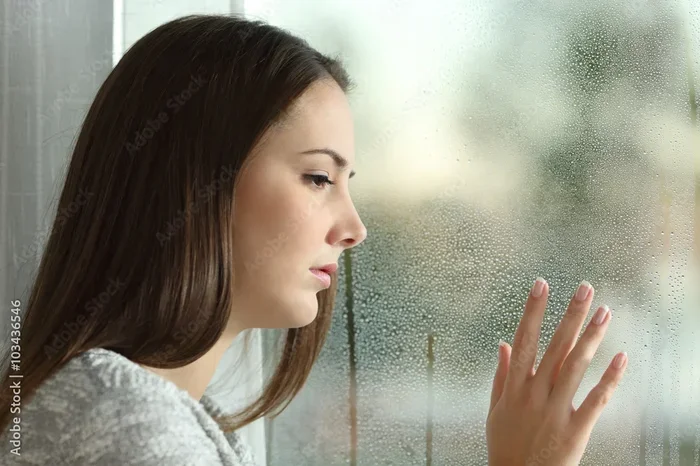
If you are wondering why am I so sad, you are not alone. Many people feel this way without knowing the root cause. This guide explores 8 key reasons for feeling down and offers practical tips to help you heal.
Have you ever woken up and felt heavy for no clear reason? You might look around and see that everything seems fine. Yet, a dark cloud hangs over you. You ask yourself, why am I so sad? This feeling can be confusing and exhausting. It is okay to feel this way. Understanding the root cause is the first step toward healing.
Sadness is a natural human emotion. It is not a sign of weakness. Sometimes, it is a signal that something needs attention. Other times, it is just a bad day. But when the feeling stays, you need answers. In this article, we will explore 8 key reasons why youre feeling down. We will also share simple ways to lift your spirits. You deserve to feel better.
Key Takeaways
- Sadness is normal: Everyone feels down sometimes, and it does not always mean something is wrong.
- Hormones play a role: Chemical imbalances in the brain can affect your mood and energy levels.
- Life changes matter: Big events like moving or losing a job can trigger deep sadness.
- Isolation hurts: Lack of social connection often makes feelings of loneliness worse.
- Sleep impacts mood: Poor rest can make you feel more emotional and less resilient.
- Unprocessed grief lingers: Past losses may still affect you even if time has passed.
- Help is available: Talking to a friend or professional can make a big difference.
📑 Table of Contents
- Understanding the Question: Why Am I So Sad
- 1. Chemical Imbalances in the Brain
- 2. Major Life Changes and Stress
- 3. Lack of Social Connection
- 4. Unprocessed Grief or Past Trauma
- 5. Poor Sleep and Lifestyle Habits
- 6. Seasonal Changes and Weather
- 7. Suppressed Emotions and Bottled-Up Feelings
- 8. Loneliness and Isolation
- Expert Insights on Managing Sadness
- Practical Steps to Feel Better
- Conclusion
Understanding the Question: Why Am I So Sad
Asking why am I so sad is a brave step. It shows you care about your mental health. Many people ignore these feelings. They push them away. But ignoring pain does not make it go away. It often makes it grow. To find peace, you must look inside.
There is no single answer for everyone. Your sadness might be different from your friend’s sadness. That is why we need to look at the common causes. Knowing the reason helps you choose the right fix. Let us dive into the key reasons behind your low mood.
1. Chemical Imbalances in the Brain
Your brain uses chemicals to send messages. These chemicals control your mood. When they are out of balance, you feel it. This is a very common psychological reason for sadness. It is not your fault. Your body is just struggling to regulate itself.
Signs of a Chemical Issue
- You feel tired all the time.
- You lose interest in hobbies you used to love.
- Your sleep patterns change drastically.
- You feel hopeless even when things are good.
If this sounds like you, know that help exists. Doctors can help balance these chemicals. Therapy also works wonders. You do not have to fight this battle alone. Reaching out is a sign of strength.
2. Major Life Changes and Stress
Life is full of surprises. Some are happy, and some are hard. Big changes can shake your foundation. Even good changes, like a new job, can be stressful. Your mind needs time to adjust. During this time, you might ask, why am I so sad without knowing why.
Stress releases hormones like cortisol. Too much cortisol makes you feel anxious and down. If you are going through a transition, give yourself grace. You are not broken. You are just adjusting to a new normal.
Common Stress Triggers
- Moving to a new city.
- Starting or ending a relationship.
- Financial struggles or job loss.
- Health issues or injuries.
3. Lack of Social Connection
Humans are social creatures. We need each other. When you feel isolated, sadness grows. You might feel lonely even in a crowd. This is a deep emotional pain that many ignore. We often think we should be independent. But connection is a basic need.
If you are wondering why am I so sad, look at your social circle. Are you seeing people often? Do you feel heard? Sometimes, we drift apart from friends without noticing. Reaching out can feel scary. But it is worth the risk.
Quick Tips for Connection
- Send a text to an old friend.
- Join a local club or group.
- Spend time with family members.
- Volunteer in your community.
For more on emotional struggles, you might find this helpful: why do I feel like crying for no reason. Understanding your tears is part of the process.
4. Unprocessed Grief or Past Trauma
Sometimes sadness comes from the past. You might think you moved on. But old wounds can reopen. Grief does not have a timeline. You might feel fine for months and then crash. This is normal. It is your mind processing loss.
Trauma can also hide in your body. It changes how you see the world. If you feel unsafe or sad often, past events might be the cause. You do not need to carry this weight forever. Healing is possible with support.
If you feel overwhelmed by injustice or pain, you might relate to this: I need to talk to my guardian angel about injustice. Sometimes spiritual or emotional support helps us process heavy feelings.
5. Poor Sleep and Lifestyle Habits
Your body and mind are linked. If your body is tired, your mind suffers. Poor sleep is a huge factor in low mood. When you do not rest, you lose emotional resilience. Small problems feel like big mountains.
Diet and exercise also matter. Eating too much sugar can crash your energy. Sitting all day lowers your endorphins. You do not need a perfect routine. Small changes help. Drink more water. Walk for ten minutes. Go to bed earlier.
Simple Lifestyle Fixes
- Set a consistent bedtime.
- Eat more whole foods.
- Get sunlight every morning.
- Limit screen time before sleep.
6. Seasonal Changes and Weather
Did you know the weather affects mood? Some people feel down when days get shorter. This is called seasonal affective disorder. Less sunlight means less vitamin D. This changes your brain chemistry. You might feel sleepy and sad.
If your sadness comes with the seasons, plan ahead. Light therapy lamps can help. Getting outside during the day is also good. Do not blame yourself for feeling low in winter. It is a physical response to the environment.
7. Suppressed Emotions and Bottled-Up Feelings
We are taught to hide our feelings. We say “I am fine” when we are not. But emotions need to flow. When you bottle them up, they build pressure. Eventually, you explode or collapse. This can make you feel suddenly sad.
It is healthy to let feelings out. Cry if you need to. Write in a journal. Talk to a trusted person. If you suppress anger or sadness, it turns inward. Then you ask, why am I so sad? The answer might be that you are holding too much inside.
Sometimes anger turns into sadness. If you feel irritable too, check this out: Wondering Why Do I Get So Angry Over Little Things. Understanding your anger helps you understand your sadness.
8. Loneliness and Isolation
Loneliness is more than being alone. You can be lonely in a marriage or at work. It is the feeling that no one understands you. This pain is real. It eats away at your joy. Many people suffer in silence because of shame.
Breaking isolation takes courage. Start small. Smile at a neighbor. Comment on a post. Join an online group. The goal is to feel seen. When you feel connected, the sadness often lifts. Remember, you are worthy of connection.
If you feel like screaming to release pressure, this might resonate: Why Do I Feel Like Screaming Into A Pillow. It shows how much pressure you might be holding.
Expert Insights on Managing Sadness
Experts agree that movement helps. Getting out of the house changes your perspective. They also suggest talking to someone. A therapist can give you tools. Friends can give you support. You do not have to fix everything today.
Self-care is not selfish. It is necessary. Take time to rest. Read a book. Listen to music. These small acts rebuild your energy. When you care for yourself, you send a message. You tell your brain that you matter.
Common Mistakes to Avoid
- Ignoring the feeling: Pretending it is not there makes it worse.
- Isolating yourself: Withdrawing from friends increases loneliness.
- Using substances: Alcohol or drugs might numb pain but do not heal it.
- Being hard on yourself: Criticizing your sadness adds more pain.
Practical Steps to Feel Better
Now you know the 8 key reasons. What do you do next? Here is a simple plan. You do not need to do everything at once. Pick one thing to start.
- Identify the trigger: Look at the list above. Which one fits you?
- Talk to someone: Share your feelings with a friend or doctor.
- Move your body: Go for a walk or stretch.
- Rest well: Prioritize your sleep tonight.
- Practice gratitude: Write down three good things daily.
Healing is a journey. Some days will be hard. That is okay. Progress is not a straight line. Be patient with yourself. You are doing the best you can.
Conclusion
Asking why am I so sad is the start of healing. You now know there are many possible reasons. It could be chemistry, stress, or loneliness. It could be sleep or past grief. Whatever the cause, your feelings are valid. You are not broken. You are human.
Use this knowledge to take small steps. Reach out for help if you need it. Connect with others. Take care of your body. Remember that sadness passes. The sun will shine again. You have the strength to get through this. Keep going.
Frequently Asked Questions
Is it normal to feel sad for no reason?
Yes, it is normal to feel sad without a clear trigger. Sometimes your body or brain needs rest. Other times, hidden stress is surfacing. If it lasts too long, talk to a professional.
How long does sadness usually last?
Sadness can last a few hours or several weeks. It depends on the cause. Grief or major life changes take longer to process. If it persists for months, seek support.
Can lack of sleep make me sad?
Yes, poor sleep affects your mood significantly. It lowers your resilience to stress. Getting enough rest helps regulate your emotions. Try to keep a consistent sleep schedule.
Should I talk to a doctor about my sadness?
If your sadness stops you from daily life, yes. A doctor can check for physical or chemical causes. They can guide you to the right treatment. There is no shame in asking for help.
What helps sadness go away faster?
Connecting with others and moving your body helps. Good sleep and healthy food also support mood. Avoid isolating yourself when you feel down. Small steps make a big difference.
Does loneliness cause sadness?
Loneliness is a major cause of feeling down. Humans need social connection to thrive. Feeling isolated can deepen sadness. Reach out to friends or community groups to feel better.
