
A good interest rate for a mortgage depends on your credit score, loan type, and current market conditions. Most buyers aim for rates below national averages to save thousands over time. Understanding your options helps you negotiate better terms and avoid costly mistakes. This guide breaks down what numbers to watch and how to lock in the best deal for your budget.
Key Takeaways
- Market averages change often: A good rate shifts with economic trends, so check current numbers before applying.
- Credit score matters most: Higher scores unlock lower rates, sometimes saving you hundreds per month.
- Loan type affects pricing: Conventional, FHA, and VA loans each carry different rate structures and fees.
- Fixed vs. adjustable choices: Fixed rates offer stability, while adjustable rates may start lower but carry future risk.
- Compare multiple lenders: Shopping around reveals hidden fees and helps you negotiate better terms.
- Points and fees matter: A slightly higher rate with low closing costs may beat a low rate with heavy upfront charges.
- Lock your rate wisely: Timing your rate lock protects you from market swings during the approval process.
📑 Table of Contents
- Understanding What Is Considered A Good Interest Rate For A Mortgage
- How Mortgage Rates Move And Why They Change
- What Numbers Count As Good Today
- Credit Score And Down Payment Effects
- Shopping Around And Comparing Offers
- Locking Your Rate And Timing Your Application
- Hidden Costs And Long-Term Impact
- Conclusion
Understanding What Is Considered A Good Interest Rate For A Mortgage
Buying a home feels exciting until you see the loan numbers. Many people ask the same question: what is considered a good interest rate for a mortgage? The answer depends on several moving parts. Market conditions shift weekly. Your personal finances shape the offer you receive. The loan structure you choose also changes the final cost.
A good rate is not just a low number on paper. It is a rate that fits your budget, matches your credit profile, and keeps your monthly payment comfortable. Some buyers chase the absolute lowest rate and miss hidden fees. Others accept a higher rate without checking better options. The sweet spot sits in the middle. You want a fair price, clear terms, and a payment you can sustain for years.
This guide walks you through the basics. You will learn how rates move, what lenders look for, and how to compare offers with confidence. You will also see common mistakes and simple tips to protect your wallet. By the end, you will know how to judge any quote and choose the path that makes sense for your home buying journey.
How Mortgage Rates Move And Why They Change
Mortgage rates do not sit still. They rise and fall based on broader economic signals. Lenders watch bond markets, inflation data, and federal policy decisions. When inflation climbs, rates often follow. When the economy slows, rates may drop to encourage borrowing. These shifts happen quickly, so a rate that looks great on Monday may change by Friday.
Visual guide about mortgage interest rate concept
Image source: nbcbanking.com
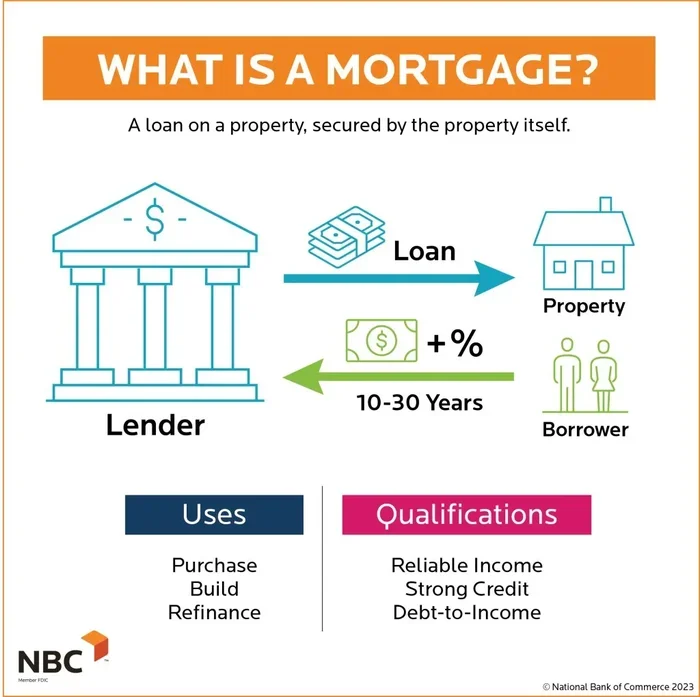
Your personal profile also affects the number you see. Lenders price loans based on risk. A strong credit history signals lower risk. A larger down payment also reduces the lender’s exposure. Stable income and low debt levels help too. When these pieces line up, you often qualify for better pricing. When they do not, the rate may rise to offset the perceived risk.
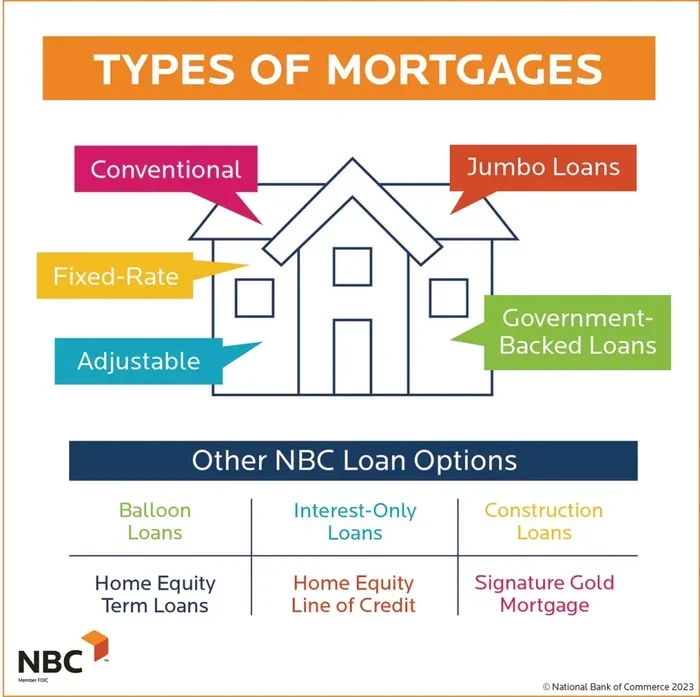
Loan type plays a role as well. Different programs carry different pricing models. Some loans include government backing, which can change the rate structure. Other loans rely on private guidelines. Each path has its own rules, fees, and rate ranges. Understanding these differences helps you compare offers apples to apples.
What Drives Rate Changes
Several factors push rates up or down. Here are the most common drivers:
- Inflation trends: Higher inflation usually leads to higher borrowing costs.
- Economic growth: Strong job markets can push rates upward as demand for loans grows.
- Federal policy: Monetary decisions influence the cost of money across the economy.
- Bond market movement: Mortgage rates often track long-term bond yields.
- Lender competition: More competition can lead to better consumer pricing.
How Your Profile Shapes Your Rate
Lenders look at your full financial picture. They review your credit score, payment history, debt load, and employment stability. They also consider the property type and loan amount. A borrower with a clean record and a solid down payment usually sees better offers. A borrower with recent credit issues or high debt may see higher pricing. The goal is to match the rate to the risk level.
What Numbers Count As Good Today
People often want a simple target number. The truth is more nuanced. A good rate depends on the current market and your situation. In some periods, rates in the mid-single digits feel strong. In other periods, those same numbers feel high. The best approach is to compare your offer against recent averages and against other lender quotes.
Visual guide about mortgage interest rate concept
Image source: investopedia.com
You can also look at the bigger cost picture. A slightly higher rate with low fees may cost less overall than a very low rate with heavy upfront charges. This is why many buyers compare the annual cost, not just the headline rate. A clear side-by-side view helps you spot the better deal.
Your loan term matters too. Shorter terms often carry lower rates but higher monthly payments. Longer terms usually cost more in interest over time but spread payments out more gently. A good rate for a fifteen-year loan may differ from a good rate for a thirty-year loan. The right choice depends on your cash flow and long-term goals.
Fixed Rates Vs Adjustable Rates
Fixed rates stay the same for the life of the loan. That stability makes budgeting easier. Adjustable rates may start lower, but they can change after an initial period. This can create savings early on, but it also adds uncertainty later. A good rate for an adjustable loan should come with clear caps and a timeline you understand.
Comparing The True Cost
Look beyond the interest rate alone. Compare these items:
- Closing costs: Fees for processing, appraisal, title, and origination.
- Discount points: Upfront payments that may lower the rate.
- Mortgage insurance: Required on some loans with smaller down payments.
- Prepayment terms: Check for penalties or flexible payoff options.
- Rate lock details: Know how long the quoted rate remains valid.
Credit Score And Down Payment Effects
Your credit score is one of the biggest levers you control. Higher scores generally unlock better pricing. Lenders see strong credit as a sign of reliable repayment. Lower scores suggest more risk, so pricing often rises. Even a small score improvement can move your offer into a better tier.
Visual guide about mortgage interest rate concept
Image source: static.vecteezy.com
Down payment size also matters. A larger down payment reduces the amount financed and lowers the lender’s risk. It can also help you avoid certain insurance costs. When you combine a solid down payment with a strong credit profile, you often position yourself for better terms.
If your numbers are not where you want them, take time to improve them before applying. Pay down revolving balances. Fix errors on your credit reports. Build a stable savings buffer. These steps can pay off in a lower rate and a smoother approval process.
Quick Credit Tips
- Check your reports early: Spot errors and dispute them before applying.
- Lower card balances: Keep utilization modest compared to your limits.
- Avoid new debt: Postpone large purchases until after closing.
- Keep accounts stable: Sudden changes can raise questions during underwriting.
Shopping Around And Comparing Offers
One quote rarely tells the full story. Different lenders price loans differently. Some focus on low rates. Others compete on service or lower fees. When you gather multiple offers, you create leverage. You also reduce the chance of missing a better option.
Ask each lender for a clear breakdown. Compare the rate, the fees, the estimated monthly payment, and the rate lock terms. Make sure the loan features match. A fair comparison uses the same loan type, same term, and same down payment assumptions. That way, you see real differences instead of mixed signals.
Do not forget to ask about points. Some lenders offer a lower rate in exchange for upfront payment. This can make sense if you plan to stay in the home for a long time. If you expect to move sooner, paying points may not pay off. Run the math before you decide.
Questions To Ask Lenders
- What is the full closing cost estimate?
- Does the rate include points, or are they optional?
- How long is the rate lock, and what does it cost?
- Are there any program fees or third-party charges?
- What documents will you need from me?
Common Mistakes When Comparing
- Focusing only on the rate: Fees and insurance can change the total cost.
- Comparing different loan types: Apples-to-apples matters.
- Ignoring the lock window: A great rate loses value if it expires too soon.
- Assuming the first offer is the best: Shopping usually reveals better choices.
Locking Your Rate And Timing Your Application
A rate lock holds your quoted rate for a set period. This protects you from market moves while the loan processes. Lock timing matters. Lock too early, and you may pay extension fees if closing delays happen. Lock too late, and rates may rise before you secure the loan.
Many buyers lock after they have a signed purchase agreement and a clear closing timeline. Others prefer to float the rate briefly if they expect a drop. This approach carries risk. If the market moves against you, the payment you planned for may climb. Think about your comfort level with uncertainty before you decide.
Ask your lender how long the lock lasts and what happens if the closing date shifts. Some locks include a float-down option, which lets you capture a lower rate if markets improve before closing. These options can be helpful, but they may come with fees or limits. Read the details carefully.
Rate Lock Basics
- Know the expiration date: Track the window and plan around it.
- Ask about extension fees: Delays can cost extra if the lock expires.
- Check float-down rules: Some locks allow a one-time rate drop.
- Confirm the trigger events: Understand what changes the quoted terms.
Hidden Costs And Long-Term Impact
The interest rate is only one part of the total cost. Over the life of the loan, small differences add up. A lower rate can save substantial money across many years. A higher rate can increase the total interest paid by a large amount. That is why comparing the full cost matters so much.
Monthly cash flow also matters. A lower rate may reduce the payment, which frees up budget for other goals. A higher payment can strain your finances if your income changes or expenses grow. Choose a payment that leaves room for savings, repairs, and life’s surprises. A house should support your life, not squeeze it.
Think about how long you plan to stay in the home. If you expect to move soon, upfront costs and rate details may matter more than tiny rate differences. If you plan to stay for many years, a lower rate and careful fee choices can create meaningful savings. Match the loan to your timeline.
Expert Insights On Total Cost
Many loan officers suggest looking at the full picture before you sign. A slightly higher rate with very low fees can sometimes beat a very low rate with heavy upfront costs. The right answer depends on your break-even timeline. Calculate how long it takes for the savings to offset the extra charges. If the break-even point fits your plans, the deal may be worth it.
Another smart habit is to revisit your loan over time. If rates drop significantly later, refinancing may reduce your payment or shorten your term. This is not always the right move, since closing costs and timing matter. Still, keeping an eye on the market can help you spot a better path when the numbers line up.
Key Takeaways For Cost Planning
- Compare total cost, not just the rate.
- Check how the payment fits your monthly budget.
- Match the loan to your expected time in the home.
- Revisit refinancing options if markets shift.
Conclusion
So, what is considered a good interest rate for a mortgage? It is a rate that fits the current market, suits your credit profile, and keeps your total cost reasonable. A good rate is not just the lowest number you see. It is the number that makes your payment comfortable and your long-term costs manageable. When you compare multiple offers, check the fees, and understand the lock terms, you put yourself in a stronger position.
Take your time before you commit. Improve your credit where you can. Save for a stronger down payment if possible. Ask clear questions and compare real numbers. The more you know, the easier it is to choose with confidence. A thoughtful approach today can save you money every month for years to come.
Frequently Asked Questions
What is considered a good interest rate for a mortgage in the current market?
A good rate is one that sits near or below recent market averages for your loan type and credit profile. It should also come with fair fees and a payment you can afford. Compare several offers to see what is realistic for your situation.
How does my credit score affect the rate I get?
Your credit score helps lenders judge risk. Higher scores usually qualify for better pricing, while lower scores often lead to higher rates. Improving your score before applying can sometimes move you into a better rate tier.
Should I choose a fixed rate or an adjustable rate?
A fixed rate gives you the same payment for the life of the loan, which makes budgeting simpler. An adjustable rate may start lower, but it can change later, so it works best when you understand the caps and timing. Choose the option that matches your comfort with risk.
Do I really need to shop around for a mortgage?
Yes, because lenders price loans differently and offer different fee structures. Shopping around helps you find a better rate, lower costs, and clearer terms. It also gives you leverage when you negotiate.
What are discount points, and are they worth it?
Discount points are upfront payments that may lower your interest rate. They can make sense if you plan to keep the loan for a long time and the break-even math works in your favor. If you expect to move soon, points may not be worth the cost.
When should I lock my mortgage rate?
Many buyers lock after they have a signed purchase agreement and a clear closing timeline. Locking too early can create extension fees, while waiting too long can expose you to rate increases. Ask your lender about lock length, costs, and float-down options before you decide.