
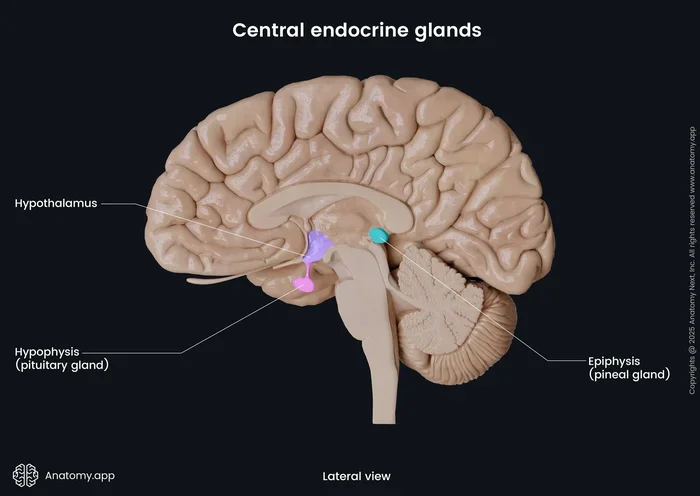
Have you ever wondered what endocrine functions take place in the brain? Your brain acts as the ultimate command center for your hormonal system. Deep inside, structures like the hypothalamus and pituitary gland work together to regulate everything from your stress response to your sleep cycles. Understanding these brain endocrine functions reveals how your body manages mood, energy, and even attraction.
Have you ever wondered what endocrine functions take place in the brain? It might surprise you to learn that your brain is not just a thinking machine. It is also a highly active hormonal factory. While we often think of hormones as coming from the ovaries, testes, or thyroid, the brain itself is the master controller of the entire endocrine system.
When we talk about what endocrine functions take place in the brain, we are looking at a complex network of glands and hormones that dictate how you feel, sleep, and even love. These tiny chemical messengers influence everything from your daily energy levels to how you connect with others. Let us dive deep into the fascinating world of brain endocrinology and discover how your mind controls your body.
Key Takeaways
- The Hypothalamus is the Bridge: It connects your nervous system to your endocrine system, keeping your body in balance.
- The Pituitary Gland is the Master: This tiny gland controls almost all other hormone-producing glands in your body.
- The Pineal Gland Regulates Sleep: It produces melatonin, which controls your circadian rhythm and sleep-wake cycle.
- Oxytocin Drives Bonding: Produced in the hypothalamus, this hormone builds trust and attachment in relationships.
- Cortisol Manages Stress: The brain signals the adrenal glands to release cortisol, helping you handle daily pressures.
- Hormones Affect Mood: Brain endocrine functions directly influence your emotions, energy levels, and mental health.
- Lifestyle Matters: Sleep, diet, and stress management are vital for keeping your brain’s endocrine system healthy.
📑 Table of Contents
- The Brain as the Body’s Hormonal Command Center
- The Pituitary Gland: The Master Gland
- The Pineal Gland: Your Internal Clock
- How Brain Hormones Affect Your Mood and Relationships
- Common Mistakes That Disrupt Brain Endocrine Functions
- Expert Tips for a Healthy Endocrine Brain
- Comparison Table: Brain Endocrine Glands and Their Functions
- The Connection Between Brain Hormones and Mental Health
- How Attachment Styles Relate to Brain Hormones
- Expert Insight: The Future of Brain Endocrinology
- Conclusion
The Brain as the Body’s Hormonal Command Center
To understand what endocrine functions take place in the brain, we first need to look at the big picture. Your body has two major communication systems: the nervous system and the endocrine system. The nervous system uses electrical signals for fast, immediate responses. The endocrine system uses hormones for slower, longer-lasting changes.
The brain sits right at the intersection of these two systems. It receives electrical signals from your body, processes them, and then tells the endocrine system what to do. This is how your brain maintains homeostasis, which is just a fancy word for keeping your body stable and balanced.
When you face a stressful situation, your brain processes the threat. Then, it triggers a hormonal response to help you fight or flee. Without the brain acting as the command center, your hormones would have no idea when to turn on or off.
The Hypothalamus: The Ultimate Bridge
If you are asking what endocrine functions take place in the brain, the hypothalamus is the star of the show. This tiny structure, about the size of an almond, sits right above the brain stem. It is the primary link between your nervous system and your endocrine system.
The hypothalamus acts like a bridge. It receives signals from all over your brain and body. Then, it tells the pituitary gland what to do. It controls body temperature, hunger, thirst, and sleep. But most importantly, it produces releasing and inhibiting hormones. These are special hormones that tell the pituitary gland to either start or stop producing its own hormones.
For example, when your body is stressed, the hypothalamus releases Corticotropin-Releasing Hormone (CRH). This signals the pituitary gland to release ACTH, which then tells your adrenal glands to produce cortisol. It is a perfectly orchestrated chain reaction, all starting in the hypothalamus.
The Pituitary Gland: The Master Gland
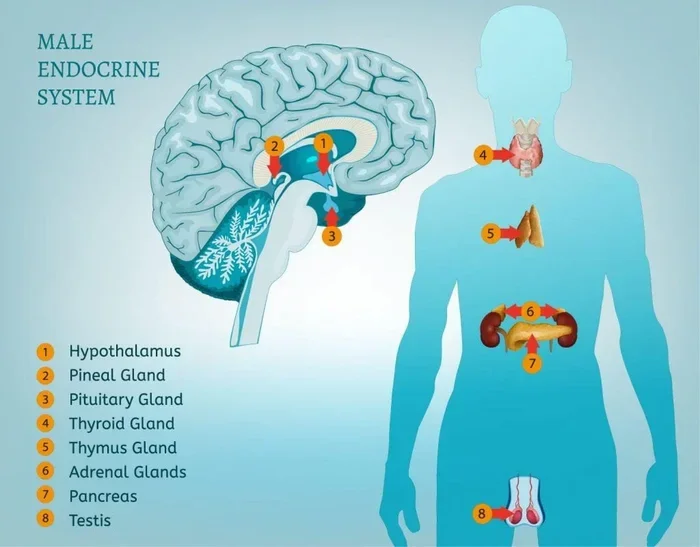
Visual guide about brain endocrine system
Image source: endocrinology.wustl.edu
Right below the hypothalamus sits the pituitary gland. It is about the size of a pea, yet it has a massive job. People call it the “master gland” because it controls the function of most other endocrine glands in the body.
When we ask what endocrine functions take place in the brain, the pituitary gland does the heavy lifting. It produces a wide range of hormones that travel through your bloodstream to various organs.
Anterior Pituitary Hormones
The front part of the pituitary gland produces several crucial hormones:
- Growth Hormone (GH): This hormone stimulates growth in children and helps maintain tissues and organs in adults.
- Thyroid-Stimulating Hormone (TSH): As the name suggests, this hormone tells your thyroid to produce thyroid hormones, which control your metabolism.
- Adrenocorticotropic Hormone (ACTH): This hormone stimulates the adrenal glands to produce cortisol, your main stress hormone.
- Follicle-Stimulating Hormone (FSH) and Luteinizing Hormone (LH): These hormones control the reproductive system. They tell the ovaries and testes to produce sex hormones like estrogen and testosterone.
- Prolactin: This hormone stimulates milk production in women after childbirth. It also plays a role in behavior and reproductive health.
Posterior Pituitary Hormones
The back part of the pituitary gland does not make its own hormones. Instead, it stores and releases two hormones made by the hypothalamus:
- Oxytocin: Often called the “love hormone,” oxytocin is vital for social bonding, sexual reproduction, and childbirth. It helps you feel connected to others. In fact, understanding the difference between attraction and biological drives often comes down to how oxytocin and other hormones interact in the brain.
- Antidiuretic Hormone (ADH) / Vasopressin: This hormone helps your kidneys manage water balance. It controls blood pressure by telling your body how much water to keep.
The Pineal Gland: Your Internal Clock
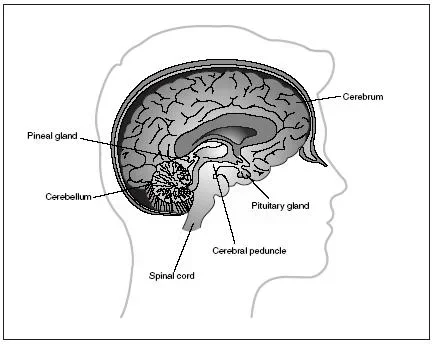
Visual guide about brain endocrine system
Image source: faqs.org
Deep in the center of your brain sits the pineal gland. It is a tiny, pinecone-shaped gland that plays a huge role in your daily life. When discussing what endocrine functions take place in the brain, the pineal gland is responsible for managing your sleep-wake cycle.
The pineal gland produces melatonin. Melatonin is a hormone that responds to darkness. When the sun goes down, your pineal gland releases melatonin into your bloodstream. This makes you feel sleepy and helps you fall asleep. When the sun comes up, melatonin production drops, and you wake up.
This is your circadian rhythm. If your pineal gland does not produce enough melatonin, you might suffer from insomnia or feel tired all the time. Keeping a regular sleep schedule and avoiding bright screens before bed helps your pineal gland function properly.
How Brain Hormones Affect Your Mood and Relationships
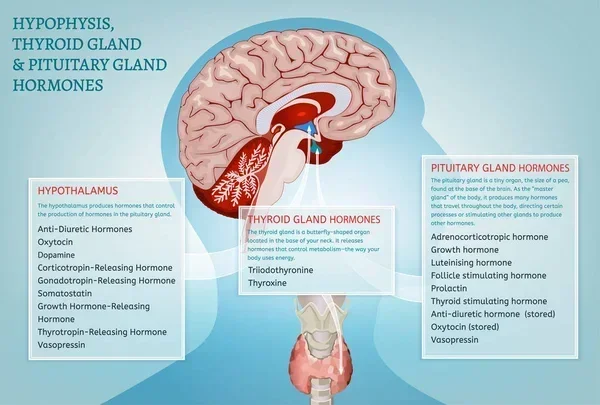
Visual guide about brain endocrine system
Image source: st3.depositphotos.com
Now that we know what endocrine functions take place in the brain, let us look at how they affect your daily life, especially your mood and relationships. The hormones produced in your brain do not just control physical processes. They deeply influence how you feel and interact with others.
Oxytocin and Connection
Oxytocin is a powerhouse when it comes to relationships. It is released during physical touch, hugging, and intimate moments. It builds trust and empathy. When you feel a deep bond with someone, you can thank your brain’s endocrine system.
However, if your oxytocin levels are low, you might struggle to connect with others. You might feel isolated or anxious in social situations. Recognizing emotional needs you should never ignore often starts with understanding the biology behind your feelings. Sometimes, a lack of connection is a hormonal issue, not just an emotional one.
Cortisol and Stress
Cortisol is your body’s main stress hormone. It is produced by the adrenal glands, but the process starts in the brain. When you are under chronic stress, your brain keeps pumping out signals to produce cortisol. Over time, high cortisol levels can wreak havoc on your body. It can cause weight gain, anxiety, and sleep problems.
High cortisol can also ruin your mood. It makes you irritable and short-tempered. If you find yourself constantly snapping at your partner, your brain’s endocrine function might be out of balance. Learning how to manage stress is essential for keeping cortisol in check.
Dopamine and Reward
While technically a neurotransmitter, dopamine also acts as a hormone in certain parts of the brain. It is part of your brain’s reward system. When you eat delicious food, achieve a goal, or fall in love, your brain releases dopamine. This makes you feel happy and motivated.
In the early stages of a relationship, dopamine levels soar. You feel euphoric and obsessed with your new partner. Over time, these levels settle down. This is why the “honeymoon phase” eventually ends. Understanding this helps you realize that a change in feelings is a normal biological process.
Common Mistakes That Disrupt Brain Endocrine Functions
Knowing what endocrine functions take place in the brain is only half the battle. You also need to know how to protect them. Many daily habits can disrupt your brain’s hormonal balance. Here are the most common mistakes people make:
1. Skimping on Sleep
Sleep is when your brain regulates its hormones. If you do not get enough sleep, your cortisol levels stay high, and your melatonin production gets thrown off. This creates a vicious cycle of stress and insomnia.
2. Chronic Stress
We all have stress, but chronic stress is dangerous. It keeps your hypothalamus and pituitary gland in a constant state of high alert. Over time, this exhausts your endocrine system, leading to burnout and hormonal imbalances.
3. Poor Diet
Your brain needs healthy fats, vitamins, and minerals to produce hormones. A diet high in processed foods and sugar causes inflammation. This inflammation can disrupt the communication between your hypothalamus and pituitary gland.
4. Lack of Physical Touch
Remember oxytocin? If you do not get enough physical touch, your brain does not get the signal to produce it. This can lead to feelings of loneliness and depression.
Expert Tips for a Healthy Endocrine Brain
If you want to optimize what endocrine functions take place in the brain, you need to take care of your overall health. Here are some expert tips to keep your brain’s hormonal factory running smoothly:
Quick Tips for Hormonal Balance
- Stick to a Sleep Schedule: Go to bed and wake up at the same time every day. This trains your pineal gland to produce melatonin at the right times.
- Practice Mindfulness: Meditation and deep breathing lower cortisol levels. Even five minutes a day can make a huge difference.
- Eat Healthy Fats: Your brain is mostly fat. Eat avocados, nuts, and fatty fish to support hormone production.
- Get Morning Sunlight: Sunlight in the morning tells your brain to stop producing melatonin and start the day.
- Stay Connected: Hug your friends and family. Physical touch boosts oxytocin and lowers stress.
Comparison Table: Brain Endocrine Glands and Their Functions
To clearly understand what endocrine functions take place in the brain, it helps to see them side by side. Here is a quick comparison of the major brain glands:
| Brain Gland | Key Hormones | Primary Functions |
|---|---|---|
| Hypothalamus | CRH, TRH, GnRH, GHRH, Somatostatin, Dopamine | Connects nervous and endocrine systems; controls body temperature, hunger, thirst; regulates pituitary gland |
| Pituitary (Anterior) | GH, TSH, ACTH, FSH, LH, Prolactin | Stimulates growth, metabolism, stress response, reproduction, and milk production |
| Pituitary (Posterior) | Oxytocin, ADH (Vasopressin) | Promotes social bonding, trust, and water balance in the kidneys |
| Pineal Gland | Melatonin | Regulates sleep-wake cycles (circadian rhythm) |
The Connection Between Brain Hormones and Mental Health
When we explore what endocrine functions take place in the brain, we cannot ignore mental health. Your brain’s hormonal balance is directly linked to your emotional well-being. An imbalance can lead to serious mental health issues.
For instance, low levels of serotonin and dopamine are linked to depression. High levels of cortisol are linked to anxiety. Sometimes, people feel mentally unwell because their brain endocrine system is not functioning properly.
This is why taking care of your physical health is so important for your mental health. If you are feeling down, tired, or anxious, it might not just be “in your head.” It could be a hormonal imbalance. Understanding what energy has to do with mental health often leads us back to the endocrine system. When your hormones are balanced, you have more energy and a brighter outlook on life.
How Attachment Styles Relate to Brain Hormones
Your attachment style—the way you bond with others—is deeply rooted in your brain’s endocrine functions. When you were a baby, your brain developed based on how you were cared for. If your caregivers were responsive, your brain likely developed a secure attachment style. This means your brain easily produces oxytocin and manages cortisol.
If your caregivers were neglectful, your brain might have developed an anxious or avoidant attachment style. People with an avoidant attachment style often have a different hormonal response to intimacy. Their cortisol spikes when they get too close to someone, causing them to pull away.
Learning how to meet the needs of an avoidant attachment style requires understanding that their brain is literally wired to feel stressed by closeness. Over time, with safe and consistent relationships, the brain can rewire its hormonal responses. This is the power of neuroplasticity.
Expert Insight: The Future of Brain Endocrinology
Scientists are still discovering new things about what endocrine functions take place in the brain. We used to think the brain was separate from the immune system. Now, we know they are closely linked. The brain’s endocrine system talks to your immune cells, affecting how you fight off illness.
Researchers are also looking into how gut health affects the brain. Your gut produces many of the same hormones as your brain. This is called the gut-brain axis. What you eat directly impacts your brain’s ability to regulate mood and stress.
The more we learn, the more we realize that taking care of your brain’s endocrine system is vital for a happy, healthy life. You cannot separate your physical health from your mental and emotional well-being. They are all controlled by the same tiny glands in your brain.
Conclusion
So, what endocrine functions take place in the brain? As you can see, the brain is a powerhouse of hormonal activity. The hypothalamus acts as the bridge between your nerves and your hormones. The pituitary gland acts as the master controller, telling the rest of your body what to do. The pineal gland keeps your sleep cycle on track.
These functions affect everything from your stress levels to your ability to fall in love. When your brain’s endocrine system is balanced, you feel energized, happy, and connected. When it is out of balance, you feel tired, anxious, and detached.
By prioritizing sleep, managing stress, eating well, and staying connected with others, you can support your brain’s endocrine system. Take care of your brain, and it will take care of you. Now that you know how your brain controls your hormones, you have the power to make healthier choices every single day.
Frequently Asked Questions
What is the main endocrine gland in the brain?
The pituitary gland is considered the main endocrine gland in the brain. It is often called the “master gland” because it controls the function of most other hormone-producing glands throughout the body.
Does the brain produce hormones?
Yes, the brain produces several crucial hormones. The hypothalamus produces releasing hormones and oxytocin, while the pituitary gland produces growth hormone, prolactin, and thyroid-stimulating hormone.
How does the hypothalamus control the endocrine system?
The hypothalamus controls the endocrine system by linking the nervous system to the endocrine system via the pituitary gland. It sends releasing or inhibiting hormones to the pituitary gland, which then tells the rest of the body what to do.
What brain hormone is responsible for sleep?
Melatonin is the brain hormone responsible for sleep. It is produced by the pineal gland in response to darkness, helping to regulate your circadian rhythm and sleep-wake cycle.
Can stress damage the brain’s endocrine system?
Yes, chronic stress can severely disrupt the brain’s endocrine system. It keeps cortisol levels high, which can exhaust the hypothalamus and pituitary gland, leading to hormonal imbalances and burnout.
How do brain hormones affect relationships?
Brain hormones heavily influence relationships. Oxytocin builds trust and bonding, while chronic stress and high cortisol can make a person irritable and emotionally unavailable, harming relationship dynamics.
