
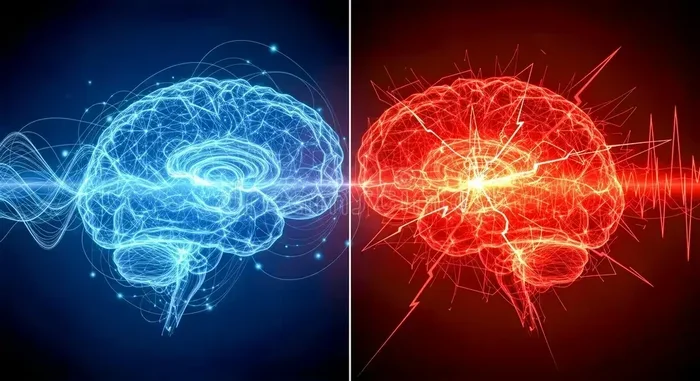
Understanding what causes anxiety in the brain is the first step to overcoming it. Your brain’s alarm system, the amygdala, often overreacts to perceived threats, flooding your body with stress hormones. By learning how brain chemistry and neural pathways contribute to anxious feelings, you can take actionable steps to calm your mind and regain control.
Have you ever felt your heart racing before a first date? Or maybe your stomach ties up in knots before a difficult conversation with your partner? Anxiety feels incredibly physical, but it all starts inside your head. When we explore what causes anxiety in the brain, we discover a complex interplay of biology, chemistry, and wiring.
Anxiety is not a character flaw. It is not a sign of weakness. It is a biological process designed to keep you alive. However, when that biological process misfires, it can take over your life. Understanding the science behind your anxious feelings can help you take back control. Let’s dive deep into the brain and uncover exactly what is happening when anxiety strikes.
Key Takeaways
- The Amygdala Hijack: The amygdala acts as the brain’s smoke detector, often triggering a fear response even when no real danger exists.
- Prefrontal Cortex Shutdown: During high anxiety, the logical part of your brain goes offline, making it hard to think rationally.
- Neurotransmitter Imbalance: Low levels of serotonin and GABA, combined with high cortisol, fuel the cycle of anxiety.
- Memory and Trauma: The hippocampus stores traumatic memories, which can cause the brain to overreact to similar situations later.
- The Gut-Brain Connection: Your digestive system and brain are tightly linked, meaning gut health directly impacts anxiety levels.
- Neuroplasticity Offers Hope: The brain can rewire itself, meaning you can train your brain to be less anxious over time.
- Relationships Impact Brain Anxiety: Unmet emotional needs and relationship stress can physically alter brain chemistry, worsening anxiety symptoms.
📑 Table of Contents
- The Brain’s Alarm System: The Amygdala
- The Prefrontal Cortex: When The CEO Goes Offline
- Brain Chemistry: The Neurotransmitter Imbalance
- The Hippocampus: Where Trauma Lives
- The Autonomic Nervous System: Sympathetic vs. Parasympathetic
- The Gut-Brain Axis: Your Second Brain
- How Anxiety Affects Your Relationships and Emotional Needs
- Common Mistakes People Make When Dealing With Brain Anxiety
- Expert Insights: Rewiring the Anxious Brain
- Quick Tips for Calming an Anxious Brain
- Conclusion
The Brain’s Alarm System: The Amygdala
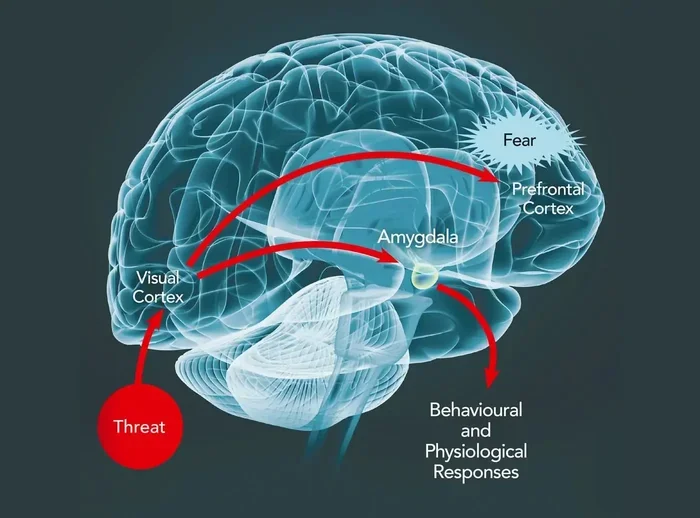
To truly understand what causes anxiety in the brain, we have to start with the amygdala. This tiny, almond-shaped structure sits deep within the brain’s temporal lobe. Think of it as your brain’s smoke detector. Its primary job is to scan your environment for threats and keep you safe.
How the Amygdala Triggers Fear
When you encounter a stressful situation, the amygdala sounds the alarm. It processes sensory information—like a loud noise, a scary look from your partner, or a stressful email—before you even consciously realize what is happening. If it perceives a threat, it sends a distress signal to the hypothalamus, which activates the sympathetic nervous system.
This is where the famous “fight or flight” response kicks in. Your body floods with adrenaline and cortisol. Your heart rate increases. Your breathing quickens. Blood diverts away from your digestive system and into your muscles. You are ready to fight a predator or run away from danger.
The Misfiring Smoke Detector
Here is the problem: Your amygdala cannot tell the difference between a hungry tiger and a stressful text message. To your ancient brain, a threat is a threat. In modern life, we face constant, low-level stressors—traffic, work deadlines, financial worries, and relationship conflicts. The amygdala treats all of these as life-or-death situations. When the smoke detector is too sensitive, it goes off even when there is no fire. This chronic overactivation is a primary driver of anxiety disorders.
The Prefrontal Cortex: When The CEO Goes Offline
Visual guide about anxious brain concept
Image source: as2.ftcdn.net
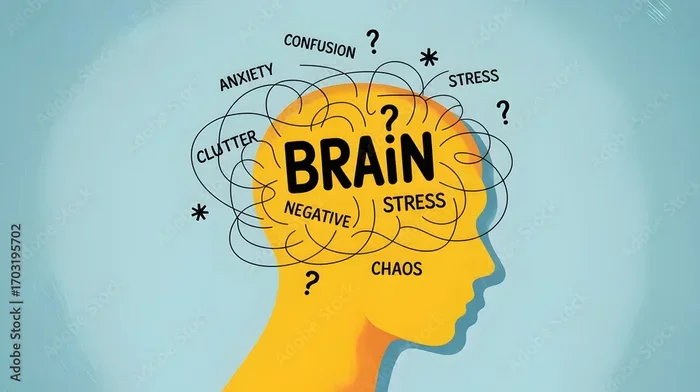
Right behind your forehead sits the prefrontal cortex (PFC). This is the CEO of the brain. It handles logic, reasoning, decision-making, and emotional regulation. When you are calm, the PFC is in charge. It assesses the situation, realizes there is no actual tiger, and tells the amygdala to calm down.
Emotional Regulation vs. Impulsive Fear
However, when the amygdala sounds the alarm, it hijacks the brain. The stress hormones flooding your system essentially shut down the prefrontal cortex. This is why it is incredibly hard to “think logically” when you are in the middle of a panic attack. The CEO has left the building, and the alarm system is running the show.
The Impact on Decision Making
When your PFC is offline, you rely on the more primitive parts of your brain. You become impulsive, reactive, and overly emotional. This is why anxiety often leads to saying things you don’t mean or making rash decisions. In relationships, this can look like picking a fight because your brain perceives a threat that isn’t really there. If you have ever wondered why it is so hard to communicate calmly when you are anxious, it is because your logical brain is literally suppressed by your emotional brain.
Brain Chemistry: The Neurotransmitter Imbalance
Visual guide about anxious brain concept
Image source: c8.alamy.com
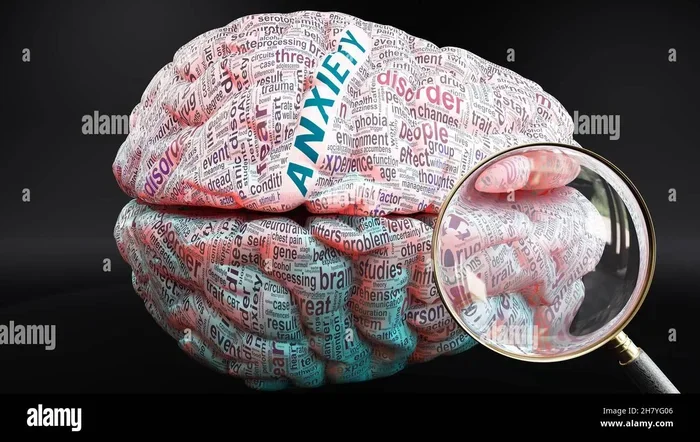
Beyond brain structures, what causes anxiety in the brain often comes down to chemistry. Neurotransmitters are the chemical messengers that allow brain cells to communicate. When these messengers are out of balance, anxiety can flourish.
Serotonin and Dopamine
You have probably heard of serotonin. It is often called the “happy chemical,” but its role is much more complex. Serotonin helps regulate mood, sleep, and digestion. Low levels of serotonin are strongly linked to both anxiety and depression. Dopamine, on the other hand, is involved in motivation and reward. When dopamine signaling is off, you might feel a lack of joy or a constant sense of dread.
The Stress Hormone: Cortisol
Cortisol is your body’s main stress hormone. It works with the amygdala and hypothalamus to manage your response to stress. In short bursts, cortisol is helpful. It keeps you alert and focused. But when you experience chronic stress, your body produces too much cortisol. High cortisol levels keep your brain in a constant state of high alert, damaging neural pathways and making you more susceptible to anxiety.
The Calming Chemical: GABA
Gamma-aminobutyric acid (GABA) is the brain’s primary inhibitory neurotransmitter. Think of it as the brakes of the brain. When you get a fright, GABA is supposed to step in and slow things down, calming the neural activity so you can relax. Many people with anxiety disorders have low levels of GABA. Without enough brakes, the brain cannot stop the anxiety spiral once it starts.
Key Neurotransmitters and Their Roles in Anxiety
| Neurotransmitter | Role in the Brain | Effect on Anxiety |
|---|---|---|
| Serotonin | Regulates mood, sleep, and digestion | Low levels increase anxiety and panic |
| Dopamine | Controls motivation and reward signaling | Imbalances cause dread and lack of focus |
| Cortisol | The primary stress hormone | Chronic high levels keep the brain on edge |
| GABA | The primary calming/braking agent | Low levels prevent the brain from relaxing |
| Norepinephrine | Controls alertness and arousal | High levels trigger panic and physical symptoms |
The Hippocampus: Where Trauma Lives
Visual guide about anxious brain concept
Image source: i0.wp.com
The hippocampus is a seahorse-shaped structure that plays a vital role in memory. It helps you store new memories and retrieve old ones. It also helps you distinguish between past and present. When exploring what causes anxiety in the brain, the hippocampus is a crucial piece of the puzzle.
How Trauma Shrinks the Brain
Chronic stress and high cortisol levels are toxic to the hippocampus. Over time, prolonged exposure to stress hormones can actually shrink the hippocampus. When this part of the brain gets smaller, it functions poorly. You might struggle to form new, positive memories, or you might have trouble remembering that you survived past stressful events.
Triggers and Flashbacks
A damaged hippocampus struggles to contextualize memories. This means that if you experienced a traumatic event in the past, your hippocampus might fail to file it away as “in the past.” Instead, when you encounter a similar trigger—a certain tone of voice, a specific smell, or a situation that feels vaguely reminiscent of the trauma—the hippocampus signals that the trauma is happening right now. This is the biological root of flashbacks and PTSD. Your brain is literally living in the past.
The Autonomic Nervous System: Sympathetic vs. Parasympathetic
Your autonomic nervous system controls all the bodily functions you do not consciously think about, like your heartbeat, breathing, and digestion. It has two main branches, and they play a massive role in your anxiety levels.
The Sympathetic Nervous System (Fight or Flight)
We already touched on this. The sympathetic nervous system is the gas pedal. It prepares your body to deal with a threat. It increases your heart rate, dilates your pupils, and stops digestion. When you are chronically anxious, your sympathetic nervous system is stuck in the “on” position.
The Parasympathetic Nervous System (Rest and Digest)
The parasympathetic nervous system is the brake pedal. It calms your body down after a threat has passed. It slows your heart rate, constricts your pupils, and allows digestion to resume. To overcome anxiety, you have to actively engage this system. Deep breathing, meditation, and grounding exercises all stimulate the vagus nerve, which is the main highway of the parasympathetic nervous system.
The Gut-Brain Axis: Your Second Brain
Did you know that your gut and your brain are in constant communication? The enteric nervous system, which lines your digestive tract, is often called the “second brain.” It contains millions of neurons and produces about 95% of the body’s serotonin.
How Gut Health Impacts Mood
If your gut microbiome is out of balance due to poor diet, stress, or antibiotics, it cannot produce enough serotonin. This directly impacts your brain’s ability to regulate mood. Furthermore, an unhealthy gut sends distress signals to the brain via the vagus nerve, triggering an immune response that can manifest as anxiety. Taking care of your gut health through probiotics and a balanced diet is a powerful, science-backed way to reduce anxiety.
How Anxiety Affects Your Relationships and Emotional Needs
Anxiety does not just happen inside your skull. It spills over into your interactions with others. When your brain is in a constant state of threat detection, your relationships suffer. You might misinterpret a partner’s neutral expression as anger, or you might become overly clingy because your brain is seeking safety.
Failing to meet your partner’s emotional needs can create a vicious cycle. Relationship stress triggers the amygdala, which increases cortisol, which makes you more anxious, which makes you more reactive. It is crucial to recognize when your brain chemistry is driving your relationship behaviors. Sometimes, what looks like a relationship problem is actually a nervous system problem.
Understanding emotional needs you should never ignore can help break this cycle. When you feel secure and understood, your brain produces less cortisol and more oxytocin, the bonding hormone. This literally changes your brain chemistry for the better. Conversely, constant conflict can keep your amygdala on high alert. This is why being married to someone with anxiety requires immense patience and understanding from both partners.
Common Mistakes People Make When Dealing With Brain Anxiety
When you feel anxious, your instinct is to make it stop. However, many common coping strategies actually make the brain’s anxiety worse in the long run.
Mistake 1: Avoidance
Avoiding the things that make you anxious provides immediate relief. But this teaches your amygdala that the thing you avoided was truly dangerous. The next time you face it, your amygdala will scream even louder.
Mistake 2: Doomscrolling
Looking at negative news on your phone keeps your brain in a state of high alert. Your amygdala consumes that threatening information and adds it to its list of dangers.
Mistake 3: Relying on Caffeine and Alcohol
Caffeine mimics the physical symptoms of anxiety (racing heart, jitters), which can trick your brain into thinking you are anxious. Alcohol might help you relax initially, but as it wears off, it causes a rebound effect of anxiety and disrupts your sleep.
Mistake 4: Seeking Constant Reassurance
While it is nice to hear supportive words, constantly asking “Are you mad at me?” or “Is everything okay?” puts the responsibility for your nervous system on your partner. It prevents your brain from learning how to self-soothe.
Expert Insights: Rewiring the Anxious Brain
The most exciting discovery in modern neuroscience is neuroplasticity. This is the brain’s ability to reorganize itself by forming new neural connections throughout life. You are not stuck with an anxious brain. You can change it.
How Neuroplasticity Works
Every time you think a thought or perform an action, you strengthen the neural pathway associated with it. If you constantly think anxious thoughts, you build a superhighway for anxiety. But if you practice calming thoughts and behaviors, you build a new road. Over time, the old, anxious road falls into disuse, and the new, calm road becomes your brain’s default setting.
Actionable Ways to Rewire Your Brain
You can actively change your brain chemistry and structure. Here are a few expert-backed methods:
- Cognitive Behavioral Therapy (CBT): CBT helps you identify and challenge irrational thoughts. By changing your thinking patterns, you physically change the connections in your prefrontal cortex.
- Mindfulness Meditation: Regular meditation has been shown to shrink the amygdala and thicken the prefrontal cortex. It literally makes your fear center smaller and your logic center larger.
- Deep Breathing: Slow, deep breathing stimulates the vagus nerve, activating the parasympathetic nervous system. This forces your heart rate to slow down and tells your brain you are safe.
- Exercise: Physical activity burns off excess cortisol and releases endorphins. It also increases a protein called BDNF, which acts like fertilizer for your brain, helping to grow new neurons in the hippocampus.
- Exposure Therapy: Gradually and safely facing your fears teaches your amygdala that the perceived threat is not actually dangerous. This calms the brain’s alarm system over time.
Sometimes, anxiety in the brain can manifest as extreme avoidance of everyday demands. This can sometimes look like pathological demand avoidance in adults, where the brain perceives even simple requests as overwhelming threats, triggering a severe anxiety response. Recognizing this pattern is vital for finding the right coping strategies.
Quick Tips for Calming an Anxious Brain
When you feel anxiety taking over, try these quick, science-backed tips to calm your nervous system:
- The 5-4-3-2-1 Method: Name 5 things you can see, 4 you can touch, 3 you can hear, 2 you can smell, and 1 you can taste. This forces your prefrontal cortex back online.
- Cold Water Splash: Splashing cold water on your face triggers the mammalian dive reflex, which instantly slows down your heart rate.
- Progressive Muscle Relaxation: Tense and then release each muscle group in your body. This signals to your brain that the physical threat is over.
- Limit Screen Time: Put the phone away an hour before bed to reduce blue light and information overload.
Conclusion
Understanding what causes anxiety in the brain takes away its power. It shifts the narrative from “What is wrong with me?” to “My brain is trying to protect me, but its alarm system is a little too sensitive.” The amygdala, the prefrontal cortex, neurotransmitters, and the gut all play interconnected roles in your anxious feelings.
The most important takeaway is that your brain is capable of change. Through neuroplasticity, you can rewire your brain to be less reactive. By practicing mindfulness, challenging your thoughts, taking care of your body, and nurturing healthy relationships, you can physically alter your brain chemistry. You do not have to live in a constant state of fight or flight. With patience and the right strategies, you can teach your brain to find calm again.
Frequently Asked Questions
What part of the brain is most responsible for anxiety?
The amygdala is the primary driver of anxiety. It acts as the brain’s alarm system, scanning for threats and triggering the fight or flight response when it senses danger.
Can brain chemistry cause anxiety?
Yes, an imbalance in neurotransmitters like serotonin, dopamine, and GABA can directly cause anxiety. Low levels of these calming chemicals make it difficult for the brain to regulate mood and relax.
Does anxiety physically change the brain?
Chronic anxiety can physically alter the brain. Prolonged exposure to the stress hormone cortisol can shrink the hippocampus (the memory center) and enlarge the amygdala (the fear center), making you more prone to anxiety over time.
How can I rewire my brain to stop anxiety?
You can rewire your brain through neuroplasticity. Practices like mindfulness meditation, cognitive behavioral therapy, regular exercise, and deep breathing help build new, calm neural pathways while weakening the anxious ones.
Why do I feel anxious for no reason?
Feeling anxious for no clear reason often points to an overactive amygdala or chronic stress. Your brain might be reacting to subconscious triggers, or high cortisol levels might keep your nervous system on high alert even without an obvious external threat.
How does the vagus nerve affect anxiety?
The vagus nerve is the main nerve of the parasympathetic nervous system, which controls the “rest and digest” response. Stimulating the vagus nerve through deep breathing or cold water tells your brain to calm down, directly counteracting the anxiety response.
